Your Fishing Gear Roadmap
- The Foundation: Basic Fishing Accessories You Can't Fish Without
- Next-Level Gear: Fishing Accessories That Feel Like Cheating
- Organization and Care: Fishing Accessories That Save Your Sanity
- Buying Smart: How to Choose the Right Fishing Accessories
- Your Questions, Answered: The Fishing Accessories FAQ
Let's be honest. Walk into any tackle shop or browse an online store, and you're bombarded with gear. Shiny lures, gadgets that beep, tools with a dozen functions. It's enough to make your head spin and your wallet weep. I've been there, staring at the wall of fishing accessories, wondering what's essential and what's just clever marketing. After years of trial, error, and a few regrettable purchases, I've learned that the right accessories don't just fill your bag—they fill your net.
This isn't about having the most gear. It's about having the right gear. The stuff that makes your day on the water smoother, safer, and way more successful. Whether you're untangling your first line or you've got decades on the lake, a thoughtful selection of fishing accessories is what separates a frustrating trip from a fantastic one.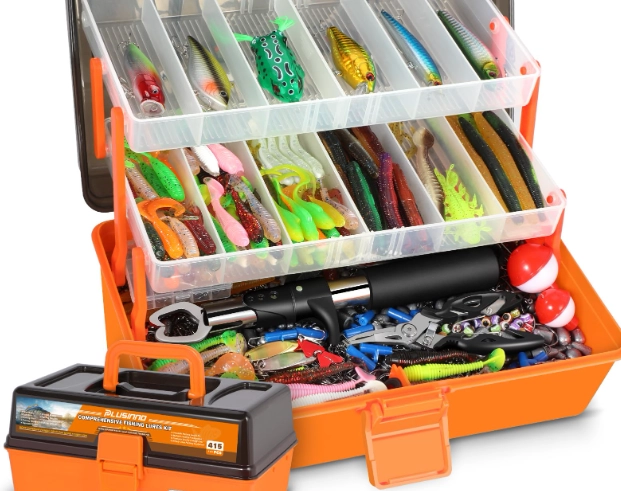
The Core Idea: Great fishing isn't just about the rod and reel. It's about everything that supports the cast, presents the bait, handles the fish, and keeps you out there longer. Your choice in fishing accessories directly impacts your comfort, efficiency, and catch rate. Forget the fluff; let's talk about the fundamentals.
The Foundation: Basic Fishing Accessories You Can't Fish Without
These are the non-negotiables. If you have a rod and reel, you need these items to make them work. Skipping these is like trying to build a house without nails.
Hooks, Sinkers, and Swivels: The Unsung Heroes
It's easy to get obsessed with lures, but the humble hook is where the connection happens. Get it wrong, and the fish swims away with your bait. I learned this the hard way using hooks that were too big for the panfish I was after. The variety is huge: circle hooks for live bait (they're amazing for catch-and-release as they usually hook in the jaw), J-hooks for artificials, and treble hooks for certain crankbaits. Size and sharpness are everything.
Sinkers or weights get your offering down to the fish. Split shot is versatile for adjusting depth. Egg sinkers are perfect for Carolina rigs that let fish run with the bait without feeling weight. And then there are swivels. Oh, swivels. These little metal clips prevent your line from twisting into a bird's nest, especially when using spinners or spoons. A good barrel swivel is worth its weight in gold for saving you from untangling headaches.
My Early Mistake: I used to buy the cheapest swivels I could find. Big mistake. A cheap swivel can fail under pressure, or worse, its clasp can open. I lost a personal-best pike because of a 50-cent swivel that straightened out. Now, I spend a little more on branded, quality ones. It's a small price for peace of mind.
The Line That Connects You: Main Line and Leaders
Your rod is a lever, your reel is a winch, but your line is the literal link to the fish. Choosing fishing accessories starts here. Monofilament is cheap, buoyant, and has stretch, which can be forgiving. Braided line has no stretch, is incredibly strong for its diameter, and is super sensitive—you'll feel every tap. Fluorocarbon is nearly invisible underwater and sinks, making it the go-to for leader material.
I mostly use braid as my main line for its sensitivity and strength, then I tie on a fluorocarbon leader. Why? Fish like trout and bass in clear water can be line-shy. That clear fluoro leader can be the difference between a look and a strike. It's one of those subtle fishing accessories that has a huge impact.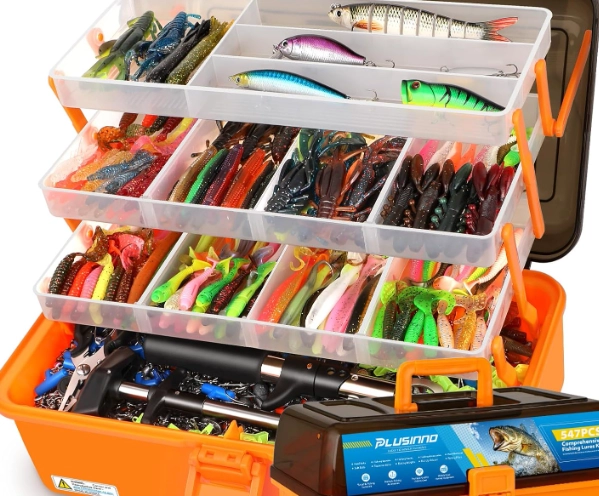
| Line Type | Best For | Biggest Pro | Biggest Con | My Typical Use |
|---|---|---|---|---|
| Monofilament | Beginners, topwater, general use | Inexpensive, easy to tie, forgiving stretch | Degrades in sunlight, has memory (coils) | Backing on reels, simple rigs |
| Braided | Heavy cover, deep water, sensitivity | Extreme strength, no stretch, casts far | Highly visible, can cut fingers if not careful | Primary main line for almost everything |
| Fluorocarbon | Clear water, leader material, finesse | Invisible underwater, abrasion resistant, sinks | Stiff, can be tricky to tie knots with | Leader material (4-12 ft), clear water situations |
That table isn't just theory. It's the result of filling many, many reels and seeing what works when the sun is high and the fish are picky.
Next-Level Gear: Fishing Accessories That Feel Like Cheating
Once you've got the basics down, these tools and gadgets take your game up a notch. They solve specific problems and add layers of strategy to your fishing.
Electronics: Seeing Beneath the Surface
I resisted fish finders for a long time. "It's not pure fishing," I thought. Then I used one. Game changer. Modern units aren't just depth finders; they're underwater mapping computers. They show you the bottom contour, water temperature, and yes, individual fish and bait balls. A good fish finder helps you understand a body of water instead of just guessing. Brands like Garmin, Humminbird, and Lowrance dominate this space. You can spend a little or a lot, but even a basic model with a clear sonar view is a massive advantage. For the latest in marine electronics technology, checking resources from manufacturers like Garmin Marine can give you a sense of what's possible.
But electronics aren't just about finders. A simple, waterproof Bluetooth speaker for some tunes? That's a comfort accessory that makes a long day enjoyable. A GPS unit or app to mark your hotspots? That's efficiency. These are the modern fishing accessories that leverage technology.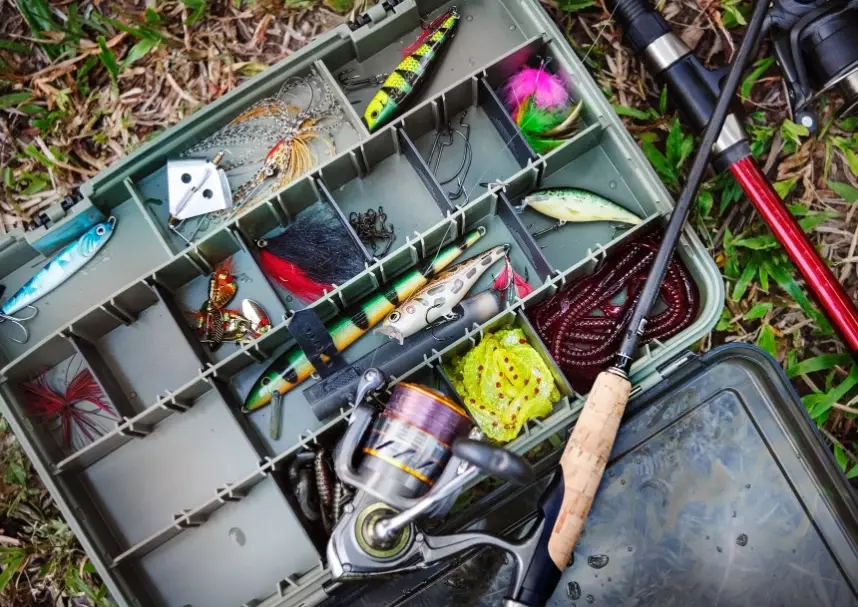
Don't get overwhelmed by the most expensive fish finder with 3D imaging. Start by learning to read a standard 2D sonar. Mastering that will tell you 90% of what you need to know: depth, bottom hardness, and where the fish are holding.
Specialized Tools for Specific Jobs
Here's where your fishing style dictates your gear. Fly fishing? You need a fly box, tippet spools, and floatant. Ice fishing? A hand auger, tip-ups, and a skimmer are essential. Kayak fishing? You're looking at paddle leashes, anchor systems, and rod holders designed for the cockpit.
For general boat or shore fishing, a few tools stand out. A good landing net with a rubberized mesh (it's gentler on fish slime and hooks don't snag as much) is a back-saver. Pliers aren't just for removing hooks; get a good pair with cutters for slicing through line. And a scale. I didn't carry one for years, and I always regretted it when I caught a fish that felt "big." Now I have a small digital one. It's satisfying to know, not just guess.
Let's talk about one of my favorite underrated categories: bite indicators. For still fishing, a simple bobber is a classic. But for more sensitivity, especially at night, electronic bite alarms used in carp fishing are incredible. For bottom fishing, a rod tip bell or a clip-on weight indicator can help you see subtle bites you'd otherwise miss. These small fishing accessories dramatically increase your detection rate.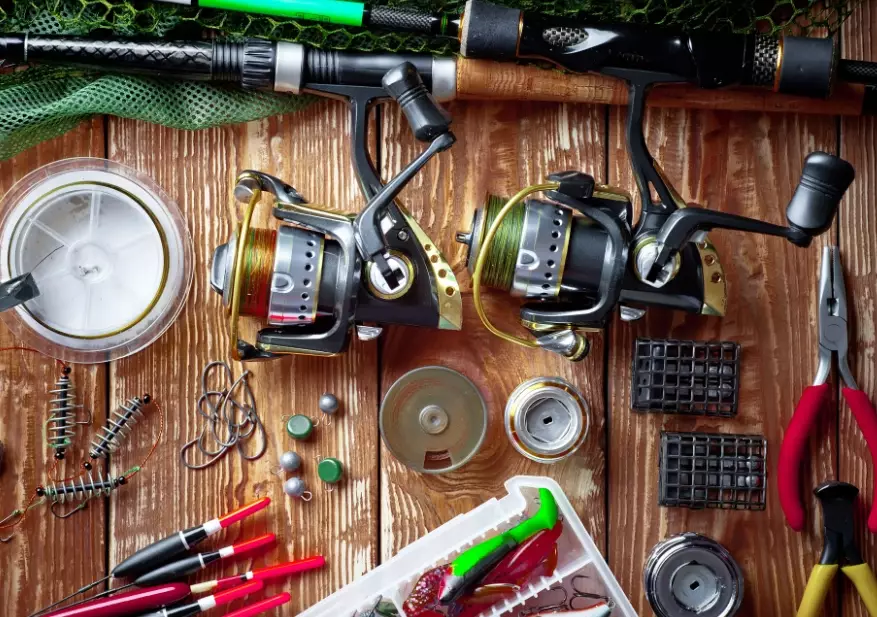
Organization and Care: Fishing Accessories That Save Your Sanity
You can have the best gear in the world, but if it's a tangled mess in the bottom of a bucket, you're going to waste precious fishing time. Organization is a force multiplier.
The Almighty Tackle Box/Bag
The evolution from the metal tackle box to plastic trays to modern backpacks and sling bags is a beautiful thing. I've used them all. The key is to match the box to your style. A boat angler might love a large, hard-sided box with multiple trays. A bank angler or kayaker might prefer a lightweight, compartmentalized backpack.
My current go-to is a modular backpack. The main compartment holds several Plano-style tackle trays. The front pockets hold my pliers, scale, and sunscreen. The side pockets fit water bottles. It keeps everything accessible and balanced on my back. This is one of those fishing accessories where personal preference reigns supreme—what works for my trekking style might not work for yours.
My "Never Leave Shore Without It" Bag Checklist:
- 1-2 Primary Tackle Trays: Organized by lure type (topwater, cranks, soft plastics).
- 1 Terminal Tackle Tray: Hooks, weights, swivels, beads sorted by size.
- Tool Pouch: Forceps/pliers, line cutters, hook sharpener.
- Safety & Comfort: Sunscreen, insect repellent, first-aid basics, a headlamp.
- Sustenance: Water, snacks.
- Extras: Spool of leader line, extra hat, small towel.
Maintenance Gear: Making Your Stuff Last
Saltwater is a gear killer. Even freshwater leaves grime and grit. A few simple maintenance fishing accessories will double the life of your equipment. A light reel oil and grease for lubricating gears. A soft cloth and mild soap for wiping down rods and reels after each trip. A rod tube or sock for transport to prevent guide damage. It's boring stuff, but neglecting it leads to sticky reels, corroded hooks, and broken rods.
I keep a small maintenance kit in my garage: old toothbrushes for scrubbing, Q-tips for applying oil, and a silicone cloth for wiping. Spending 10 minutes post-trip saves hours of frustration and hundreds of dollars.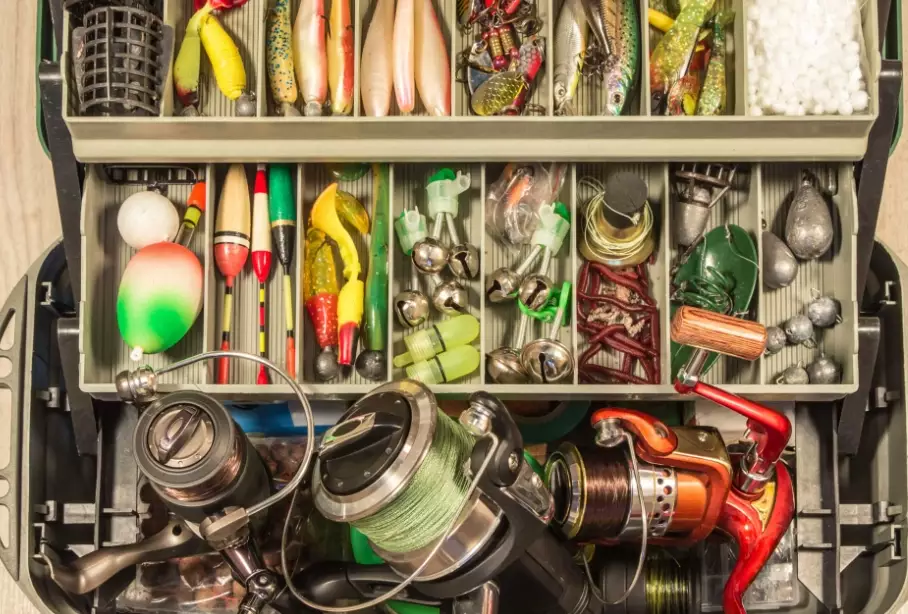
Buying Smart: How to Choose the Right Fishing Accessories
With so many options, how do you choose? Throwing money at the problem isn't the answer. I've bought expensive lures that never caught a thing and cheap tools that broke immediately. Here's a more strategic approach.
Match the Gear to the Fish and the Water
This is rule number one. Fishing for brook trout in a small stream? You don't need a massive net or 100-pound braid. Conversely, going after muskies? Your standard panfish pliers won't cut it. Think about the species' size, fight, habitat, and mouth structure. The Take Me Fishing resource hub, supported by the Recreational Boating & Fishing Foundation, is a great place to start for species-specific techniques that will inform your accessory needs.
Also, consider the environment. Rocky bottom? You need abrasion-resistant line. Weedy cover? You need strong line and a weedless hook setup. Fishing from a kayak? Space is limited, so multi-tools and compact gear win.
Quality vs. Quantity: The Eternal Debate
My philosophy has shifted over time. I'd rather have one great pair of fishing pliers that last a decade than three cheap pairs that rust and break in a year. For items you use constantly and rely on—pliers, line cutters, a good fillet knife—invest in quality. Brands like Leatherman, Van Staal, and Rapala make tools that are worth the premium.
For consumables or highly situational items, it's okay to go budget. Sinkers, basic swivels, some types of soft plastic baits? Don't overspend. This balanced approach lets you build a robust kit without going bankrupt.
A Word on "Bargain" Bulk Sets: Be wary of the giant 500-piece fishing accessory kits on online marketplaces. They often look like a great deal, but the quality is frequently abysmal. The hooks are dull, the swivels are weak, and the lures might not swim right. It's often better to buy smaller quantities of known, reliable brands.
Sustainability and Ethics in Your Choices
This is becoming a major point of discussion, and rightly so. As anglers, we have a responsibility to the resource. This extends to our fishing accessories. Lead sinkers are being phased out in some areas due to their toxicity to waterfowl. Alternatives like tin, steel, tungsten, and bismuth are available. They're often more expensive, but they perform well and are better for the environment.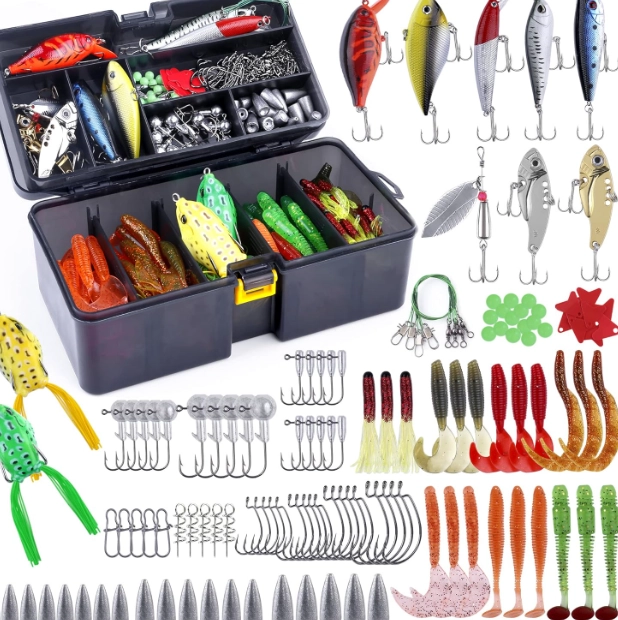
Similarly, consider single-use plastics. Do you need a new plastic bag for every trip? A reusable, waterproof dry bag might be a better choice. Using circle hooks for live bait fishing increases survival rates for released fish. These choices matter. For more on sustainable angling practices, organizations like the American Sportfishing Association (ASA) provide guidelines and updates on conservation efforts.
Your Questions, Answered: The Fishing Accessories FAQ
I get asked a lot of the same questions by friends starting out. Here are the real-world answers, no jargon.
So, where does this leave us?
Building your collection of fishing accessories is a journey, not a destination. It evolves with your skills, target species, and favorite spots. Start with the absolute essentials—the hooks, weights, and basic tools. Then, slowly add pieces that solve problems you actually encounter. Did you lose a fish because you couldn't get the hook out? Time for better pliers. Are you constantly guessing where to cast? Maybe start researching a basic depth finder.
The goal isn't to own every gadget. It's to own a curated set of gear that makes you a more confident, effective, and responsible angler. The best fishing accessories are the ones that fade into the background, becoming seamless extensions of your intention, letting you focus on the rhythm of the cast, the patience of the wait, and the thrill of the connection.
Now go check your tackle bag. I bet there's something in there you haven't used in years. Maybe it's time for a little reorganization.
Reader Comments