I remember my first salmon season opener on the Columbia River. I showed up with gear I'd used for bass, convinced the fish would just be waiting. Six hours, zero bites, and a serious case of frustration later, I realized I had it all wrong. Salmon fishing isn't just about showing up; it's about syncing your life with a primal, ancient rhythm—the salmon run. Get the season right, and you're halfway to a bent rod. Get it wrong, and you're just practicing your casting.
What's Inside?
Why Salmon Seasons Aren't Just Dates on a Calendar
Forget the idea of a universal "salmon season." It doesn't exist. Seasons are hyper-local, dictated by three things: the species, the river system, and the fish's biological clock. A Chinook (King) salmon in Alaska's Kenai River has a completely different timetable than an Atlantic salmon in Scotland's Tay.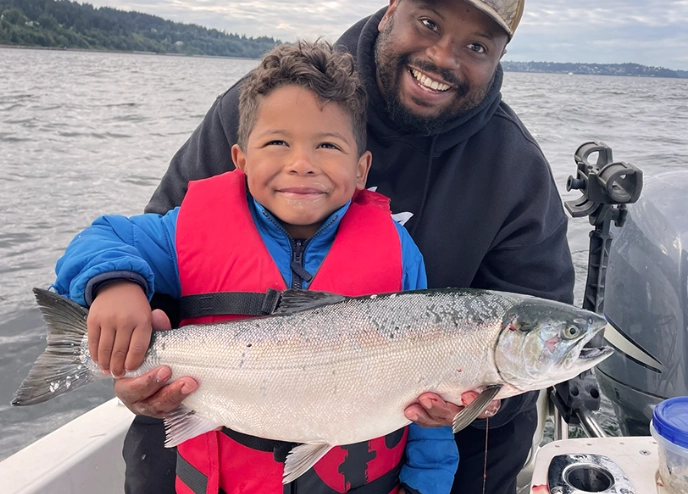
The core driver is the spawning migration. Salmon are anadromous—born in freshwater, they migrate to the ocean to grow, then return to their natal rivers to spawn and die (except for some Atlantic salmon). Fisheries managers set seasons to protect these vulnerable fish during spawning, ensure sustainable populations, and provide fishing opportunities when fish are abundant and in good condition.
Key Insight: The "best" season for you depends on your goal. Want a trophy Chinook? Target the peak of the summer run. Prefer aggressive, acrobatic coho (silvers) on light tackle? The fall run is your season. Chasing numbers of pinks (humpies)? Mark the odd-numbered years on your calendar.
The North America & Europe Salmon Season Guide
Here’s a breakdown of when and where the action happens. Remember, these are general windows. Always, always check current local regulations.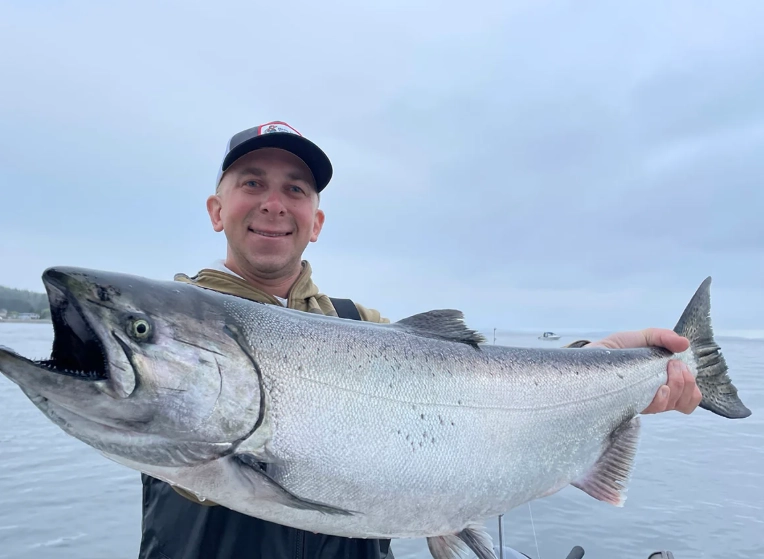
| Region / River System | Primary Species | Peak Season Window | Notes & Vibe |
|---|---|---|---|
| Pacific Northwest, USA (Columbia, Sacramento) |
Chinook, Coho, Sockeye | Spring (Mar-May), Summer/Fall (Jul-Oct) | Two distinct Chinook runs: springers (leaner, fought in high water) and fall kings (massive). Heavily managed. |
| Great Lakes, USA/Canada | Chinook, Coho, Atlantic, Pink | Summer (Jul-Aug) & Fall (Sep-Oct) | Fish are stocked and behave like ocean-run. Intense trolling season in summer, river fishing explodes in fall. |
| Alaska, USA (Kenai, Russian, Copper River) |
All Five Pacific Species | Summer (Jun-Aug) | The gold standard for abundance. Sockeye runs are a cultural event. Remote, wild, and less crowded than the Lower 48. |
| British Columbia, Canada (Fraser, Skeena, Campbell) |
Chinook, Coho, Sockeye, Chum, Pink | Spring through Fall (May-Oct) | Incredible diversity. Tyee (large Chinook) fishing in Campbell River, massive Fraser River runs. Some fly-in only opportunities. |
| Scotland & Norway, Europe | Atlantic Salmon | Spring (Feb-Apr) & Summer (Jun-Aug) | Spring fish are large, fresh from sea. Summer offers more consistent action. Often involves fly fishing beats (sections of river). |
One mistake I see anglers make is treating the opening day as the peak. Often, the best fishing is a week or two after the opener, as fish numbers build. Conversely, the tail end of a season can be fantastic for dedicated anglers—fewer people, and the fish that are left are often aggressive.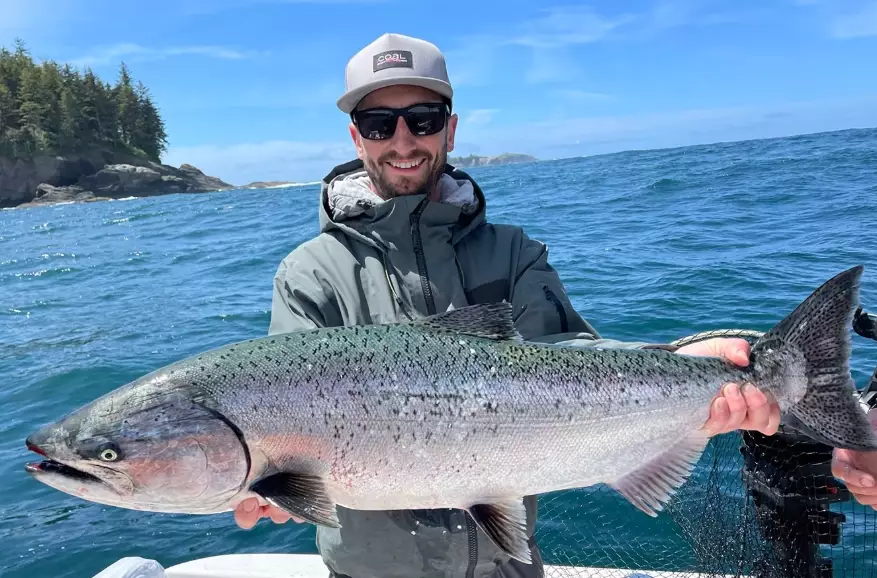
Pro Tactics: Matching Your Technique to the Season
Your approach should change with the water temperature and the fish's mindset. A spring Chinook in 45°F (7°C) water is a different animal than a fall coho in 55°F (13°C) water.
Early Season (Cold Water, Spring)
- Think Slow and Deep. Fish are lethargic. Use:
- Bait: Rigs with cured salmon roe (eggs) or sand shrimp. Let it soak.
- Lures: Large, slow-wobbling plugs like FlatFish or Kwikfish, often fished with a scent strip.
- Trolling: Downriggers are essential to get lures down to the fish's depth.
- Location: Focus on deep holes, slow-moving tails of pools, and the mouths of tributaries.
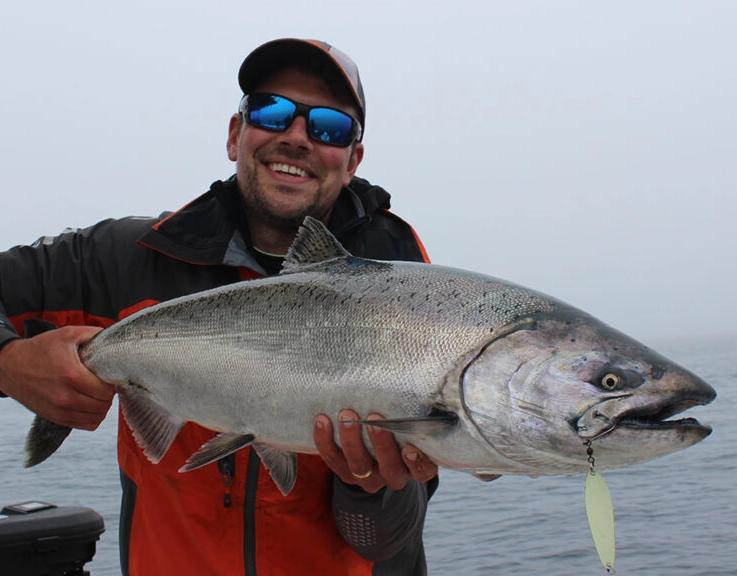
Peak Season (Warmer Water, Summer/Fall)
- Match the Hatch & Reaction Strikes. Fish are more aggressive and keyed in on baitfish.
- Fly Fishing: This is prime time. Use streamers that imitate baitfish (Lefty's Deceiver, Clouser Minnow) or egg-imitation flies near spawning beds.
- Gear Fishing: Spinners (Blue Fox, Mepps) and spoons (Krocodile, Little Cleo) become deadly. Cast and retrieve or troll near surface.
- Drift Fishing: A classic technique: a weighted leader with bait or a bead, drifted naturally along the bottom.
- Location: Riffles, current seams, and shallower gravel bars where salmon stage before spawning.
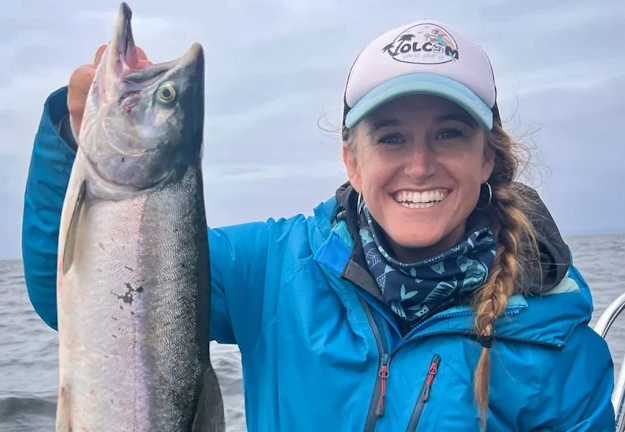
Gear Tip Everyone Overlooks: Your line matters as much as your lure. In clear, low summer water, switch to fluorocarbon leaders. It's nearly invisible. In murky spring runoff, high-visibility braid helps you detect subtle bites. I spent a season wondering why my bites dropped off in clear conditions—switching to fluoro solved it overnight.
Navigating the Rules: Regulations & Ethical Fishing
This is non-negotiable. Ignorance will get you a hefty fine and ruin the resource. Regulations are your bible.
- Find the Official Source. Don't use third-party apps as your sole source. Go to the state's Department of Fish and Wildlife or the provincial Ministry website. Download the current sportfishing regulations pamphlet.
- Decode the Details. Look for:
- Season Dates: Open and close dates for your specific waterbody.
- Bag & Possession Limits: How many you can keep per day and in total.
- Size Restrictions: "Slot limits" (e.g., keep only fish between 22-28 inches) are common to protect breeding stocks.
- Gear Restrictions: Single barbless hooks only? No bait allowed? This is critical.
- Mandatory Reporting: Some areas require you to report your catch, even if released.
- Practice Ethical Catch & Release. If you're releasing fish:
- Use barbless hooks for easy removal.
- Keep the fish in the water as much as possible.
- Use wet hands or a rubberized net to handle it.
- Revive the fish fully in calm water before letting it go.
Respecting the season and the rules isn't just about compliance; it's about ensuring there are fish for the next generation. I've seen rivers get hammered and seasons shortened because of poor practices. Don't be that angler.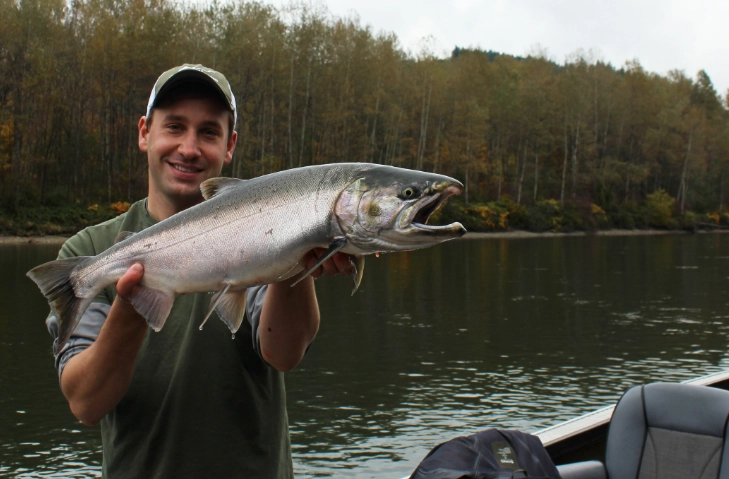
Your Salmon Season Questions, Answered
Ultimately, understanding salmon seasons transforms fishing from a gamble into a strategic pursuit. It's about being in the right place, with the right gear, at the right time—and respecting the incredible journey these fish make. Do your homework, talk to local experts, and be ready to adapt. The tug of a salmon, earned through preparation, is a feeling that never gets old. Now get out there and find your season.
Reader Comments