Let's cut through the noise right away. The best sunglasses for fishing aren't about looking cool on the boat. They're a fundamental piece of your tackle, as crucial as your rod and reel. If you're not wearing polarized lenses, you're essentially fishing blindfolded compared to someone who is. This guide isn't a list of sponsored products. It's the deep dive into the why and how behind choosing eyewear that will literally change what you see on the water, based on two decades of watching anglers make the same expensive mistakes.
Quick Navigation: What You'll Learn
Why Polarized Lenses Are the Only Option for Fishing
Sunlight reflecting off water creates intense, horizontal glare. This glare acts like a blinding sheet, obscuring everything beneath the surface—structure, vegetation, and most importantly, fish. Polarized lenses have a special filter that blocks this horizontal light, allowing only vertical light waves to pass through.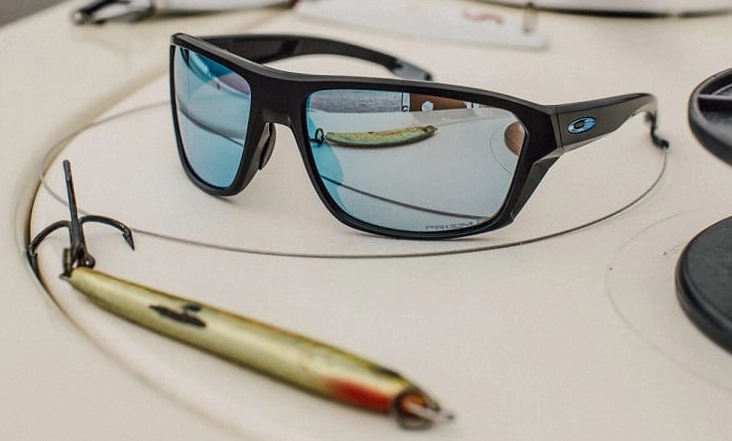
The effect is instant and dramatic. The surface glare disappears. You can see into the water column. I remember the first time I put on a truly good pair of polarized glasses on a bright, windy lake. I was stunned. I could see submerged logs I had been casting over for years, and distinct drop-offs became visible. It felt like I had been given a superpower. According to the American Academy of Ophthalmology, polarized lenses significantly reduce glare and eye strain, which is critical during long hours on the water.
The Big Mistake: Assuming all "polarized" labels are equal. Cheap polarized lenses often have the filter laminated between layers of plastic, which can delaminate or create visual distortion. High-quality lenses have the polarization built into the lens material itself.
Choosing Your Lens Color: Match the Light & Water
This is where most anglers go wrong. They buy one pair of gray lenses and use them for every condition. Lens color isn't about style; it's about filtering specific light wavelengths to enhance contrast and detail in different environments.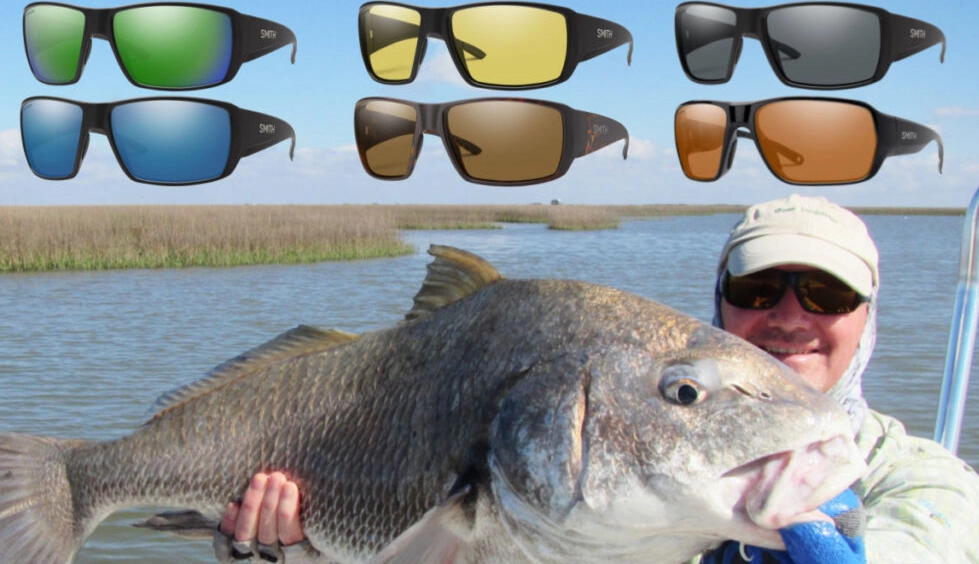
| Lens Color | Best For | Light Conditions | What It Does |
|---|---|---|---|
| Gray / Gray-Green | All-around, bright sun, open ocean | Bright to very bright | True color perception, reduces overall light intensity without distorting colors. Great for saltwater. |
| Brown / Copper / Amber | Freshwater, inshore, low light | Variable, cloudy, dawn/dusk | Enhances contrast, sharpens details, brightens shadows. Makes fish and structure "pop." My personal go-to for bass fishing. |
| Blue / Mirror (Blue base) | Offshore, deep blue water | Intense sun on open water | Cuts haze and reflected blue light. The mirror coating reflects extra light off the front. Ideal for chasing tuna or marlin. |
| Vermilion / Rose | Extreme low light, fog, overcast | Cloudy, rainy, early morning | Maximizes light transmission and contrast in flat light. Turns a gloomy day fishable. |
A specific scenario: You're fishing a stained river for smallmouth bass under a partly cloudy sky. The light is changing constantly. A brown or copper lens will outperform a gray one here every time. It will help you distinguish the subtle outline of a bass holding near a dark rock, a detail gray lenses might wash out.
What About Photochromic Lenses?
Lenses that darken and lighten automatically sound perfect. And for casual use, they are. For serious fishing, I'm cautious. The transition speed often can't keep up with rapid light changes (like going from a shaded bank to open water), and they typically don't get as dark as dedicated sun lenses on brutally bright days. They're a convenient compromise, not a specialist's tool.
Frame Design & Comfort: If They Hurt, You Won't Wear Them
You might find the optically perfect lenses, but if the frames pinch your nose or slip off when you look down, they're useless. Fit is functional.
Wraparound Style: This is the gold standard. It blocks peripheral light (side glare) and wind. More coverage also means more protection from hooks—a real concern.
Nose Pads & Temple Arms: Look for adjustable, non-slip nose pads. Sweat and sunscreen make everything slippery. Temple arms should have a slight grip. I once lost a premium pair overboard because the smooth arms slid right off when I bent to net a fish.
Weight & Material: Lightweight frames (like nylon or Grilamid) are a blessing on 12-hour days. Metal frames are durable but can get heavy and hot.
Lens Material & Coatings: The Invisible Upgrades
Glass, polycarbonate, or Trivex? This choice impacts clarity, weight, durability, and cost.
- Glass: Offers the best optical clarity and scratch resistance. It's also the heaviest and can shatter on impact. For the purist who prioritizes perfect vision above all and is careful.
- Polycarbonate: Lightweight and inherently impact-resistant (great for safety). Softer than glass, so it scratches easier unless it has a good hard coat. The best all-around choice for most anglers.
- Trivex: Similar to polycarbonate but with even better optical quality. Lighter and slightly more impact-resistant. A premium option.
Coatings are critical:
- Anti-Reflective (AR) Coating: Applied to the back of the lens. It prevents light from reflecting off the back of the lens into your eyes, which happens a lot when light comes from behind you. Essential for reducing eye fatigue.
- Hydrophobic/Oleophobic Coating: Makes water, sweat, and oils bead up and wipe off easily. A game-changer for keeping lenses clean.
Navigating Price & Brand Choices
You can spend $30 or $300+. What are you paying for?
Budget ($30-$80): You'll get basic polarization and polycarbonate lenses. The polarization might not be as effective, optical clarity might have slight distortions, and coatings will be basic or non-existent. Fine for occasional pond fishing.
Mid-Range ($100-$200): This is the sweet spot. Brands like Costa Del Mar (with their 580 glass/polycarbonate), Maui Jim, and Smith Optics dominate here. You get excellent polarization, multiple lens color options, quality frame materials, and crucial coatings like AR and hydrophobic.
High-End ($250+): Here you pay for premium materials (like Trivex or high-index glass), patented lens technologies, superior frame comfort/durability, and often exceptional customer service/warranty.
Think of it as an investment in your fishing success and eye health. A $150 pair that you wear every trip for five years is a better value than a $50 pair that sits in your car because it's uncomfortable.
Reader Comments