Choosing the right saltwater fishing tackle isn't about buying the most expensive gear. It's about matching your equipment to the fish, the water, and your style. Get it wrong, and you'll watch your line snap or your reel seize up with rust. Get it right, and you're set for years of reliable catches. Let's break down exactly what you need, from rods and reels to the terminal tackle that actually hooks the fish.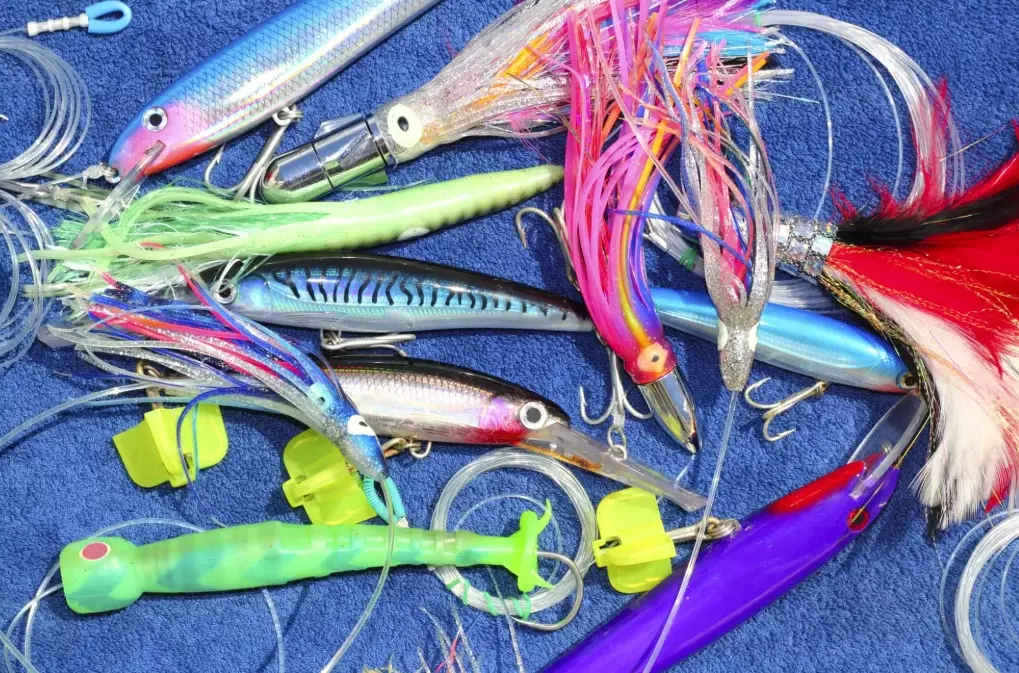
What's Inside This Guide
The Foundation: Rods & Reels Demystified
This is where most beginners overspend on the wrong thing. You don't need a heavy offshore rod for speckled trout.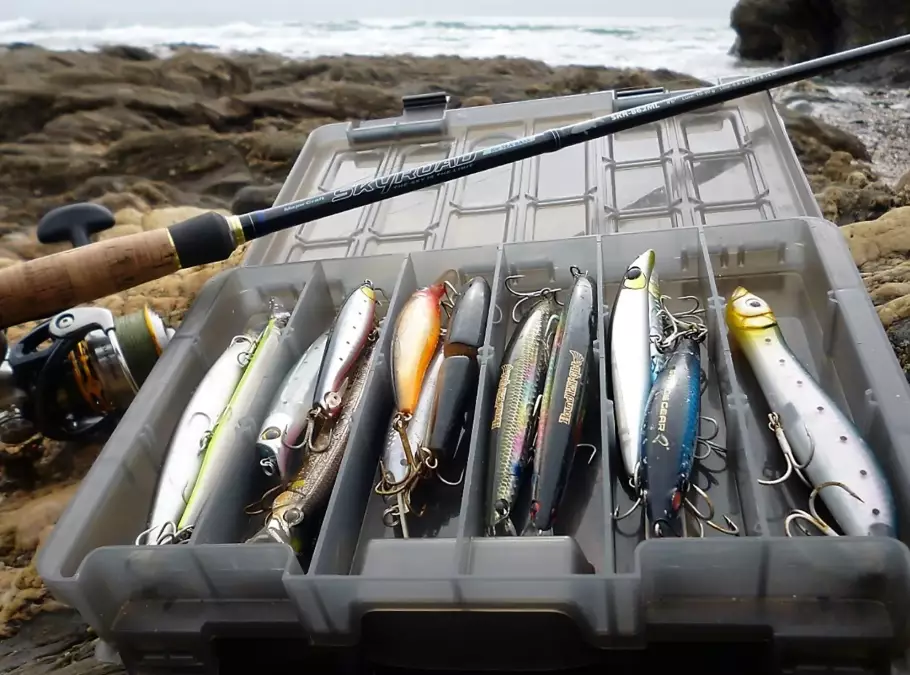
Understanding Rod Power and Action
Power is the rod's backbone—its ability to handle weight and pressure. Think Light, Medium, Medium-Heavy, Heavy. Action is where the rod bends. Fast action bends mostly in the top third, giving you better sensitivity and hook-setting power. Slow action bends down into the butt, which is better for fighting big fish without snapping the line. For most saltwater applications, a Medium-Heavy power with Fast action is the Swiss Army knife. It can handle a surprising range of fish.
The material matters too. Graphite is sensitive and lightweight, perfect for feeling subtle bites. Fiberglass is more durable and has a slower action, great for trolling or battling stubborn fish. Many good saltwater rods blend both.
Spinning vs. Baitcasting Reels for Salt
This debate is settled for saltwater beginners: start with a spinning reel. They're easier to use, less prone to nasty tangles (backlashes), and handle lighter lures better. A quality 4000 to 6000-size spinning reel is perfect for inshore species like redfish, snook, and striped bass.
Baitcasters offer more precision and power for heavy lures and big fish. If you're targeting tuna or casting heavy jigs all day, that's their domain. But they have a steeper learning curve.
Here's the non-negotiable spec for any saltwater reel: corrosion resistance. Look for reels with sealed bearings, stainless steel components, and coatings like Daiwa's Saltiga Shield or Shimano's CI4+ and X-Protect. A freshwater reel will die a quick death in the salt.
Expert Tip: Most anglers focus on gear ratio (how fast the reel retrieves line). While important, prioritize maximum drag pressure. A reel with a smooth, strong drag (15-25 lbs for inshore, 40+ lbs for offshore) is what stops the fish. A sticky or weak drag loses fish, no matter how fast you can reel.
The Connector: Picking Line & Avoiding the Big Mistake
Your line is your only physical connection to the fish. Choose poorly, and it breaks. The biggest mistake I see? Using the same line from the spool to the hook.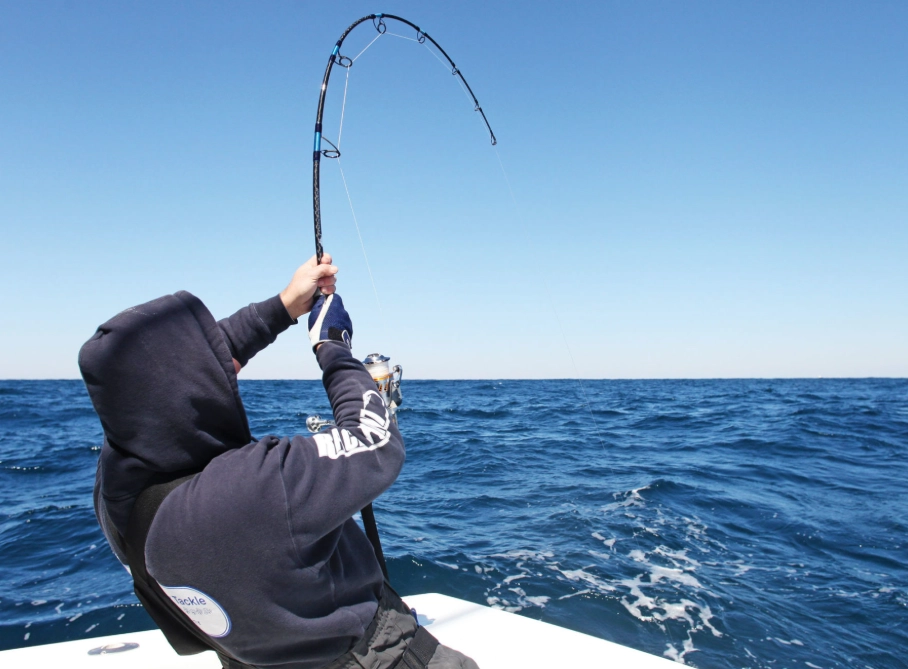
You need a leader. Always. The main line on your reel (braid or monofilament) connects to a leader (usually fluorocarbon or wire) via a knot or swivel. The leader takes the abrasion from rocks, oyster beds, and fish teeth. Your main line provides strength and sensitivity.
| Line Type | Best For | Pros | Cons |
|---|---|---|---|
| Braid | Main line on spinning reels, situations needing sensitivity. | Thin diameter, no stretch, very strong. | Visible in clear water, can cut fingers, requires special knots. |
| Monofilament | Main line on baitcasters, trolling, topwater (for its stretch). | Cheap, easy to knot, some stretch absorbs shocks. | Degrades in sunlight, absorbs water, has more stretch (can be a con). |
| Fluorocarbon | Leader material almost exclusively. | Nearly invisible underwater, abrasion-resistant, sinks. | Stiff, expensive, knot strength requires care. |
For a versatile inshore setup, I spool my reel with 20-30 lb braid and tie on a 2-3 foot leader of 20-40 lb fluorocarbon. For toothy critters like mackerel or bluefish, I'll use a short wire leader.
The Business End: Hooks, Rigs & Terminal Tackle
This is where the magic happens. Your hook and rig presentation often matter more than your expensive rod.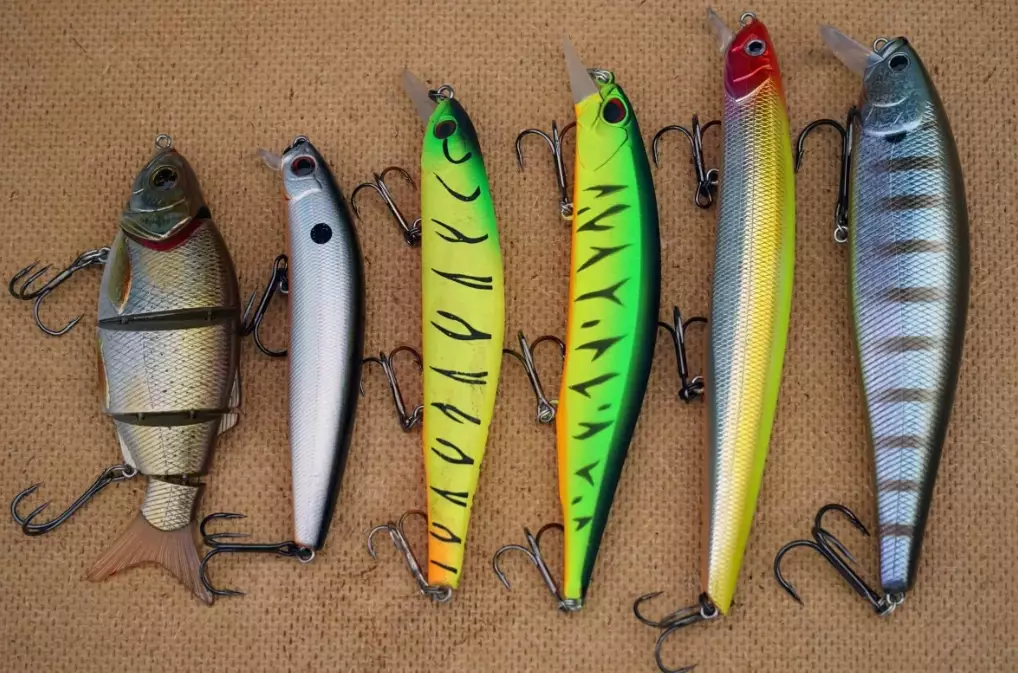
Hooks: Size, Shape, and Point
Circle hooks are law for live bait fishing in many saltwater regions, and for good reason. They almost always hook the fish in the corner of the mouth, leading to healthier releases. Use them with live bait—don't set the hook, just reel. For lures (jigs, soft plastics), stick with strong J-hooks or offset worm hooks. Make sure they're chemically sharpened and made of corrosion-resistant material like stainless steel or nickel.
Hook size is critical. A size 2/0 hook is a great all-around for baits like shrimp or small baitfish for species like trout and redfish. For larger baits for snook or tarpon, jump to 5/0 or 7/0.
Three Saltwater Rigs You Must Know
1. The Fish-Finder Rig (aka Carolina Rig): A sliding sinker above a swivel, then a leader to the hook. Perfect for live or cut bait on sandy or muddy bottoms. It lets the fish pick up the bait without feeling weight.
2. The Jighead with Soft Plastic: The ultimate search lure. A lead head with a hook molded in, paired with a paddle-tail or shrimp imitation. You can bounce it, swim it, or hop it. It catches everything.
3. The Popping Cork Rig: A float (cork) that "pops" when jerked, above a leader and a jig or live bait. Creates commotion to attract fish from a distance, perfect for shallow water.
I've lost count of how many fish I've caught on a simple 1/4 oz jighead with a white paddle-tail. It's my desert-island rig.
The Silent Battle: Fighting Corrosion & Maintenance
Saltwater doesn't just get your gear wet; it actively tries to destroy it. The most expert thing you can do is care for your tackle.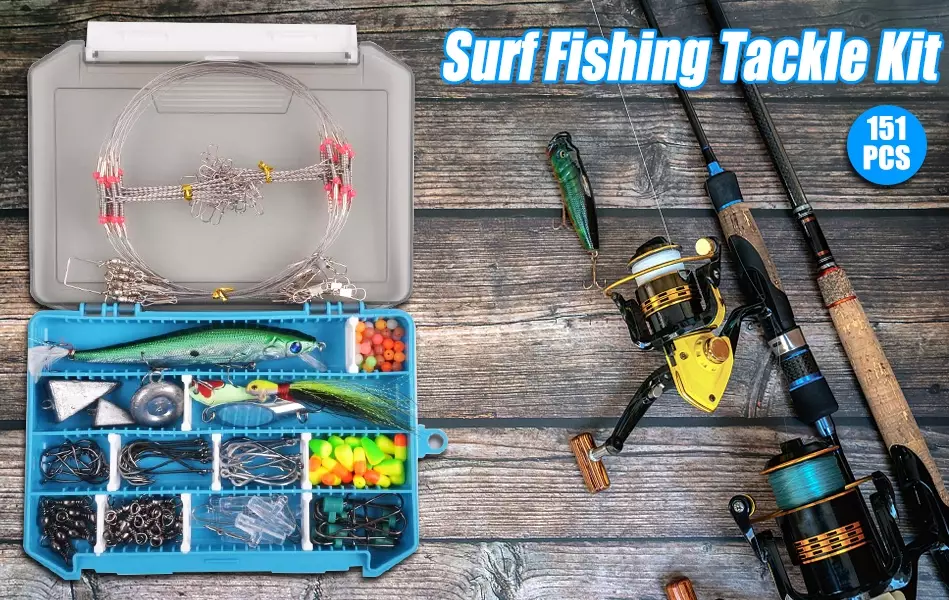
This isn't optional.
After every trip, rinse your rod, reel, and any tools with fresh, lukewarm water. Don't use a high-pressure hose, it can force salt into seals. Just a gentle shower. Reels should get a more thorough rinse, focusing on the line roller, bail, and drag star.
Once a month, or after a particularly rough trip, wipe down metal components (guides, reel foot, hook points) with a light corrosion inhibitor like WD-40 Specialist Corrosion Inhibitor or Boeshield T-9. This creates a protective barrier.
Store your reels in a cool, dry place, not in a damp garage or hot car trunk. Heat accelerates corrosion.
Real-World Setups: From Pier to Bluewater
Let's get specific. What should you actually buy? Here are two proven, budget-conscious setups.
Scenario 1: The Inshore All-Rounder (Redfish, Trout, Snook)
- Rod: 7' to 7'6" Medium-Heavy power, Fast action graphite composite rod.
- Reel: Size 4000 or 5000 spinning reel with sealed bearings and 15+ lb drag.
- Line: Spool with 20 lb braid. Keep spools of 20 lb and 30 lb fluorocarbon for leaders.
- Terminal Tackle Box: 1/4 oz and 3/8 oz jigheads, size 2/0 and 3/0 circle hooks, 1 oz egg sinkers, barrel swivels, popping corks, a pack of 4" paddle-tail soft plastics.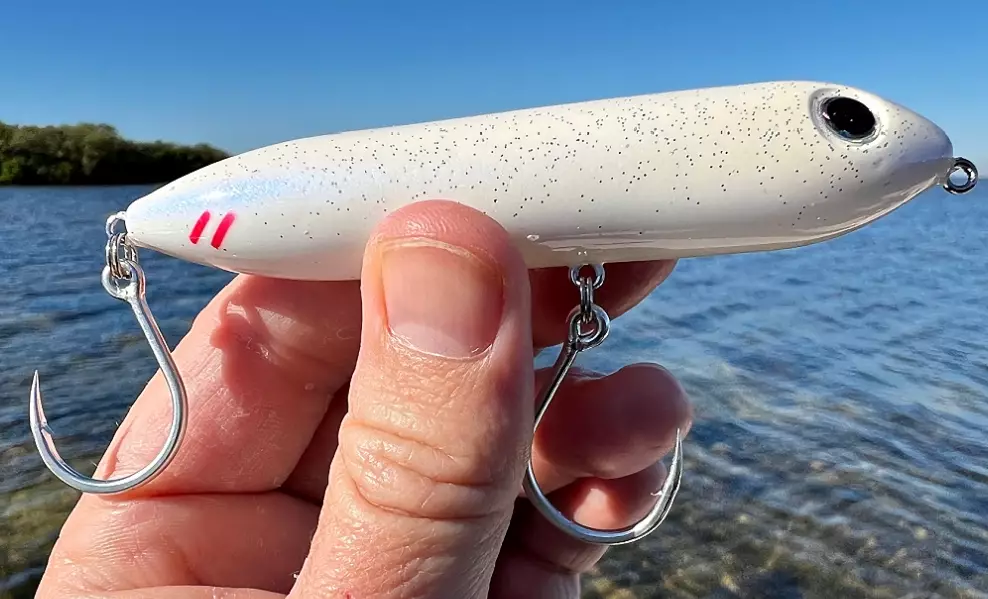
Scenario 2: The Jetty/Pier Bottom Fisher (Sheepshead, Drum, Smaller Sharks)
- Rod: 8' to 10' Heavy power surf rod with a moderate-fast action (for casting weight).
- Reel: Size 6000 or 8000 spinning reel or a conventional reel, with 25+ lb drag.
- Line: 30-50 lb braid as main line.
- Terminal Tackle Box: 2-4 oz pyramid sinkers, fish-finder rig sleeves, size 1/0 to 3/0 circle hooks (for crabs/shrimp), larger 5/0 circle hooks for cut bait, heavy-duty swivels.
Start with one of these. It's better to master one versatile setup than own five specialized ones you don't understand.
Saltwater Tackle Questions Answered
 What's the one piece of terminal tackle most anglers forget but is incredibly useful?
Reader Comments