I remember the first time I put on a pair of decent polarized sunglasses on a bright day at the lake. It felt like someone had just drained half the water. Rocks I never knew were there appeared on the bottom. Submerged logs became obvious hazards. And then I saw it—the subtle, sideways flash of a bass holding tight to a weed line. That moment changed my fishing forever. It wasn't magic; it was physics and smart gear. This guide is about turning that "aha!" moment into a regular part of your fishing trips.
What's Inside This Guide
- How Polarized Sunglasses Actually Cut Through Glare
- Choosing the Right Lenses: It's Not Just About Darkness
- Frame & Fit: Where Comfort Meets Function
- Using Them Right: Common Mistakes Even Experienced Anglers Make
- My Go-To Picks for Different Fishing Styles
- Your Polarized Sunglasses Questions, Answered
How Do Polarized Sunglasses Actually Work?
Let's clear up the biggest misconception first. Polarized lenses don't "see through" water like Superman's X-ray vision. They work on light above the water. Here's the simple version.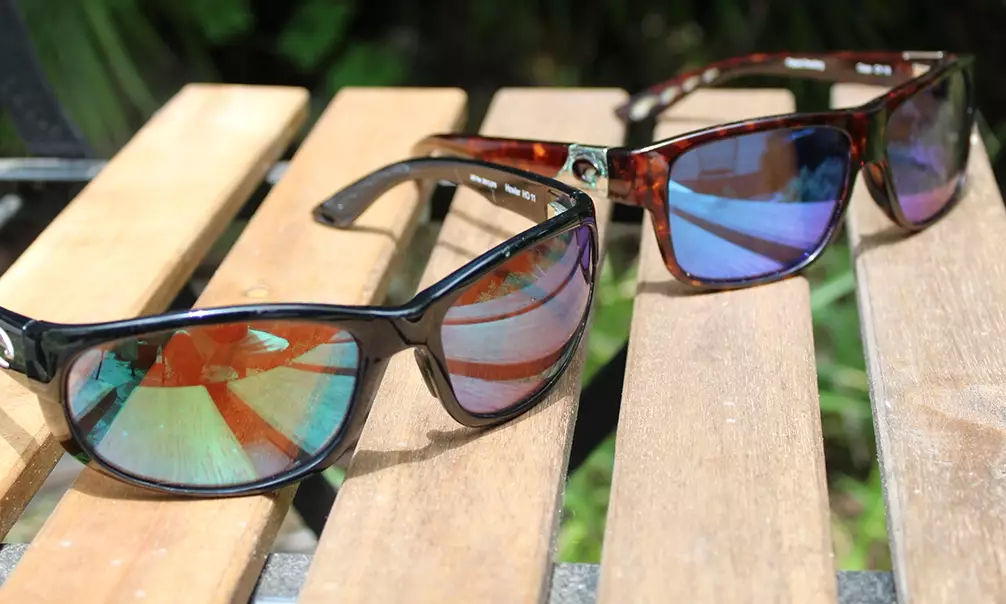
Sunlight scatters in all directions. When it hits a flat surface like water or a car hood, a huge amount of it reflects back horizontally. This concentrated horizontal glare is blinding. It's a solid, shimmering wall of white light that completely obscures what's beneath the surface.
A polarized lens has a microscopic filter embedded in it. This filter acts like a venetian blind, only allowing vertically oriented light waves to pass through. It blocks that overwhelming horizontal glare. The result? The reflective "sheen" on the water's surface disappears. You're left with the light that penetrated the water, bounced off the bottom or a fish, and came back up. Suddenly, you have a window.
Think of it this way: Trying to spot fish without polarized glasses is like trying to look through a window with the sun glaring directly off the glass. The polarized filter wipes the window clean.
Choosing the Right Lenses: Color Is Everything
Polarization is the non-negotiable feature. The lens color, however, is where you tailor the tool to your environment. Getting this wrong can actually make seeing fish harder.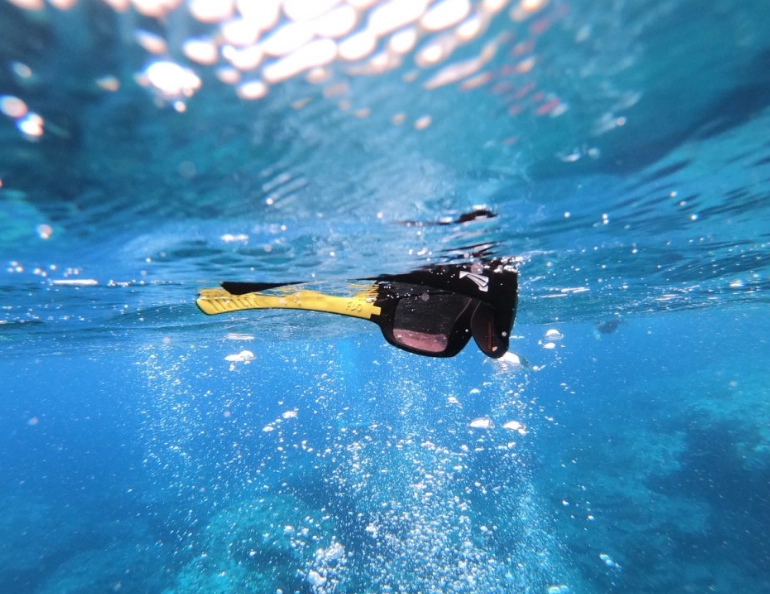
| Lens Color | Best For | What It Does | Where It Falls Short |
|---|---|---|---|
| Gray / Smoke | Bright, sunny days on open water. All-purpose choice. | Reduces overall light intensity without distorting colors. True color perception. | Can be too dark in low light or under heavy cloud cover. |
| Brown / Copper / Amber | Variable light, partly cloudy days, inshore fishing. | Enhances contrast, sharpens details, and blocks blue light. Makes greens and browns (weeds, wood, bottom) pop. | Some color distortion (makes blues look less vibrant). |
| Vermilion / Rose | Low-light conditions, dawn, dusk, overcast days. | Maximizes light transmission and contrast in gloomy conditions. Incredible for spotting subtle shadows and movements. | Can feel too bright on a mid-day, full-sun bass boat. |
| Blue / Mirror | Extreme glare off saltwater or high-altitude lakes. | The mirrored coating reflects an extra layer of light before it even hits the lens. Great for cutting intense glare. | Often has a very cool (blue) tint that can wash out some details. |
My personal setup? I carry two pairs. A dark copper pair for bright bass fishing days, and a vermilion pair that lives in my jacket for those early morning trout sessions or when clouds roll in. It feels excessive until you try it.
Lens Material: Glass vs. Polycarbonate
This is a classic trade-off. Glass lenses offer the clearest, most scratch-resistant optics. The image is crisper. But they're heavier and can shatter. Polycarbonate lenses are lightweight, impact-resistant (a huge plus in a rocking boat), but they scratch more easily and the optical clarity is a tiny step down. For most anglers, especially those who are active or fish from a kayak, polycarbonate is the more practical, safer choice. The clarity difference is negligible unless you're an optics snob.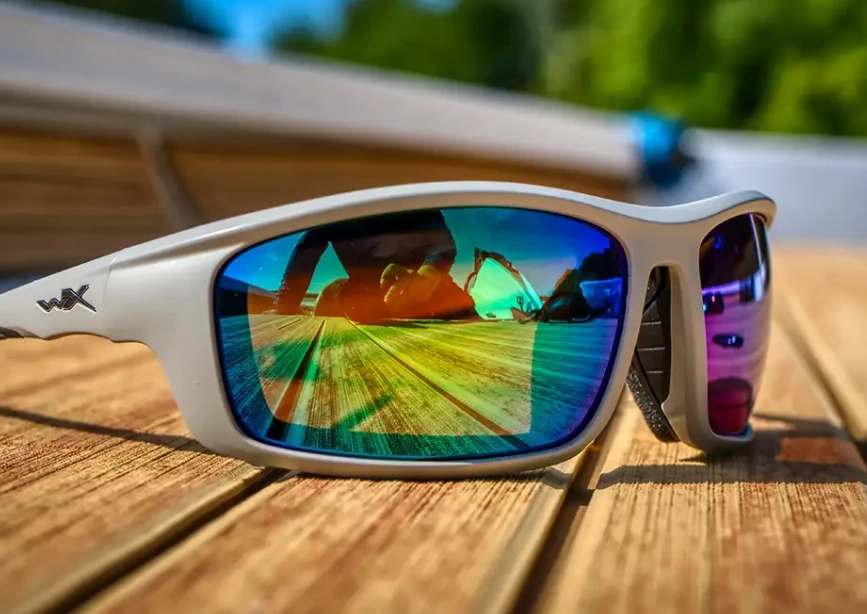
Frame & Fit: Where Comfort Meets Function
You can have the best lenses in the world, but if the glasses slide down your nose every time you look down or let light in from the sides, they're useless. This is where cheap glasses fail.
Wraparound Design: Essential. This blocks peripheral light from sneaking in behind the lens and ruining your polarization. More coverage is almost always better.
Nose Pads & Temples: Look for adjustable, non-slip nose pads. Rubberized temple tips are a must to keep them in place when you're fighting a fish or turning your head quickly. A poor fit leads to headaches and frustration.
Weight: You'll be wearing these for 8+ hours. Lightweight frames matter. Try them on, move your head around. Do they stay put?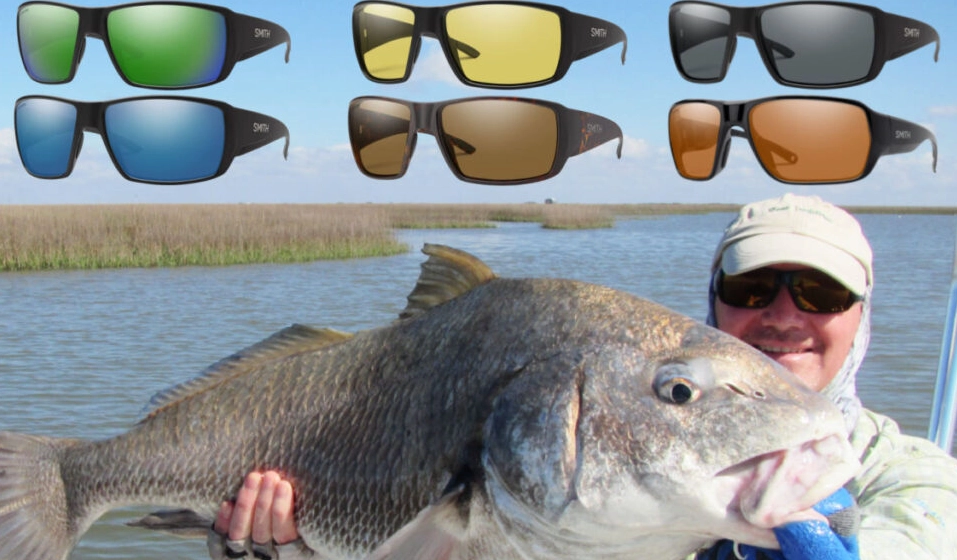
Using Them Right: The Subtle Art of Seeing
Here's the expert tip most articles miss: You have to learn how to look. Putting on polarized glasses doesn't instantly grant you fish-vision. Your brain needs to interpret the new information.
Stop scanning broadly. Pick a small area—a shadow line, a rock pile, the edge of a weed bed. Let your eyes relax and focus through the surface, not at it. Look for anomalies:
- A shape that doesn't belong: A perfect oval among jagged rocks.
- Movement against the current: A tail fin gently waving.
- A flash of color or reflection: The white inside of a mouth, the silver side of a shad.
- A shadow that seems detached: A fish's shadow on the bottom, slightly offset from the fish itself.
Also, change your angle. The polarization effect is strongest when the sun is to your side (at a 90-degree angle). If you're not seeing well, don't just stand there. Take a few steps left or right, or adjust the angle of your boat. The window can open or close based on your position relative to the sun.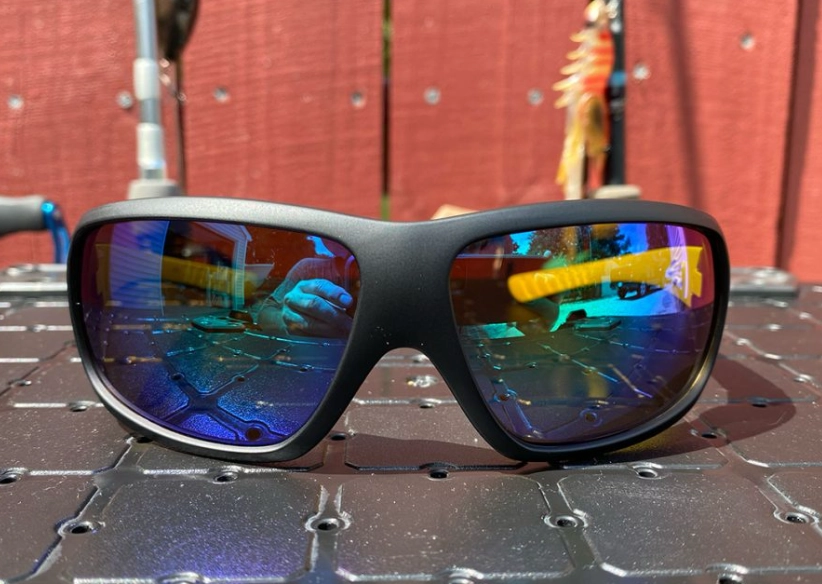
My Go-To Picks for Different Fishing Styles
Based on years of testing (and losing a few pairs overboard), here are my recommendations. These aren't just specs from a website; they're tools I've relied on.
For the All-Around Bass & Walleye Angler: Costa Del Mar Fantail with 580G Glass Copper lenses. The clarity is stunning, the frame is secure, and the copper tint is perfect for the green/brown freshwater environments. They're an investment, but they're my desert-island pair.
For the Saltwater Flats & Inshore Fisher: Smith Optics Guides' Choice with ChromaPop Brown lenses. The field of view is massive, and Smith's ChromaPop tech really does enhance contrast and color definition, which is key for spotting redfish tails or bonefish on the flats. Their durability is top-notch.
For the Budget-Conscious or Kayak Angler (Where loss is a real risk): Flying Fisherman Polarized glasses. You can find these for under $50. Are they Costa-level? No. But the polarization is effective, the frames are functional, and when you inevitably drop them or sit on them, the financial pain is minimal. It's a fantastic "first real pair" or backup.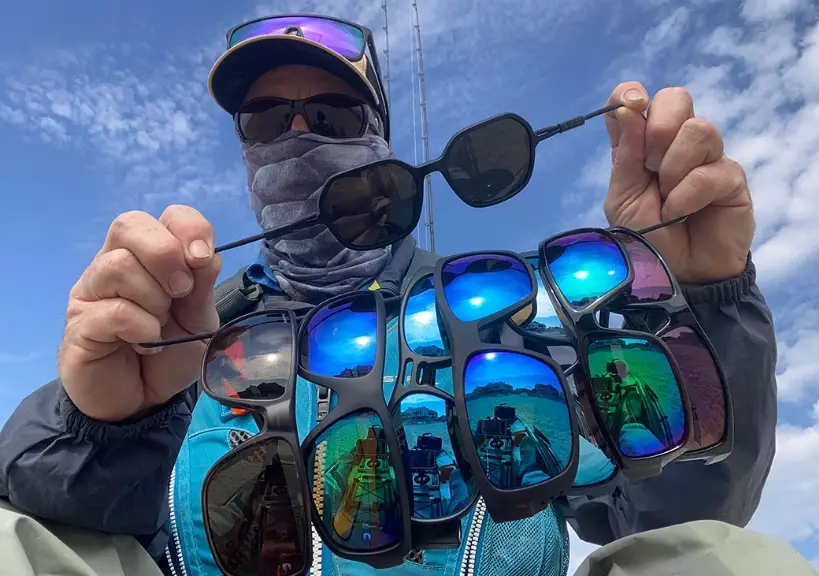
Your Polarized Sunglasses Questions, Answered
The right pair of polarized sunglasses isn't an accessory; it's a critical piece of fishing tackle. It's the difference between fishing a body of water and reading it. It turns guessing into knowing. Start with understanding the lens color you need, prioritize fit, and then learn the skill of looking. That window into the water is waiting for you.
Reader Comments