I remember the exact moment I decided enough was enough. It was hour four on a rocky bank, my old folding camp stool digging into my thighs, my rod propped awkwardly against a tackle box that kept threatening to tip over. A bluegill nibble turned into a frantic scramble. That's when it hit me: I wasn't fishing anymore; I was just enduring. The right fishing chair with a rod holder isn't a luxury—it's the difference between a chore and a passion. It turns you from a spectator into a relaxed, efficient angler, ready for whatever bites. Let's cut through the marketing and talk about what actually works on the water.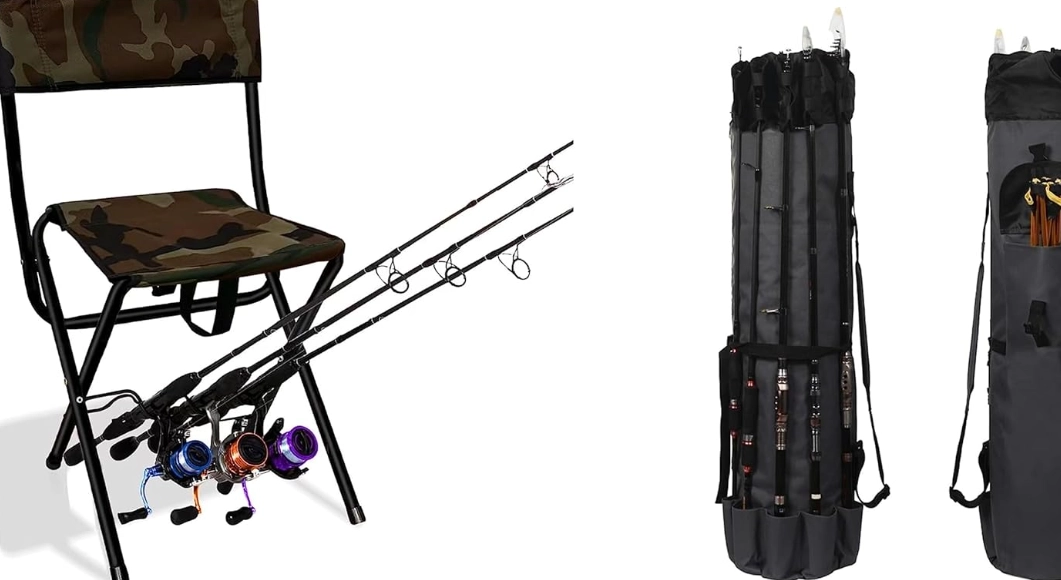
Your Quick Guide to Finding the Best Chair
What Makes a Great Fishing Chair? (Beyond the Basics)
Everyone talks about weight capacity and cup holders. Let's go deeper. After testing dozens of chairs, I've found three make-or-break factors most reviews gloss over.
Seat Height and Posture: This is critical. A chair that's too low forces you to hunch, straining your back. Too high, and your feet dangle, cutting off circulation. The sweet spot allows your feet to sit flat with knees at a 90-degree angle. Measure from the back of your knee to the ground while sitting in a good chair at home—that's your target seat height.
The Rod Holder Itself: Not all holders are created equal. The cheap plastic clip-ons? They snap. The best are integrated, molded from high-density polyethylene or adjustable aluminum. Look for one that grips the rod firmly but allows a smooth, immediate pull on the strike. A subtle but vital feature is a side-entry design, letting you slot your rod in from the side without lifting it high—crucial for low-light or stealthy situations.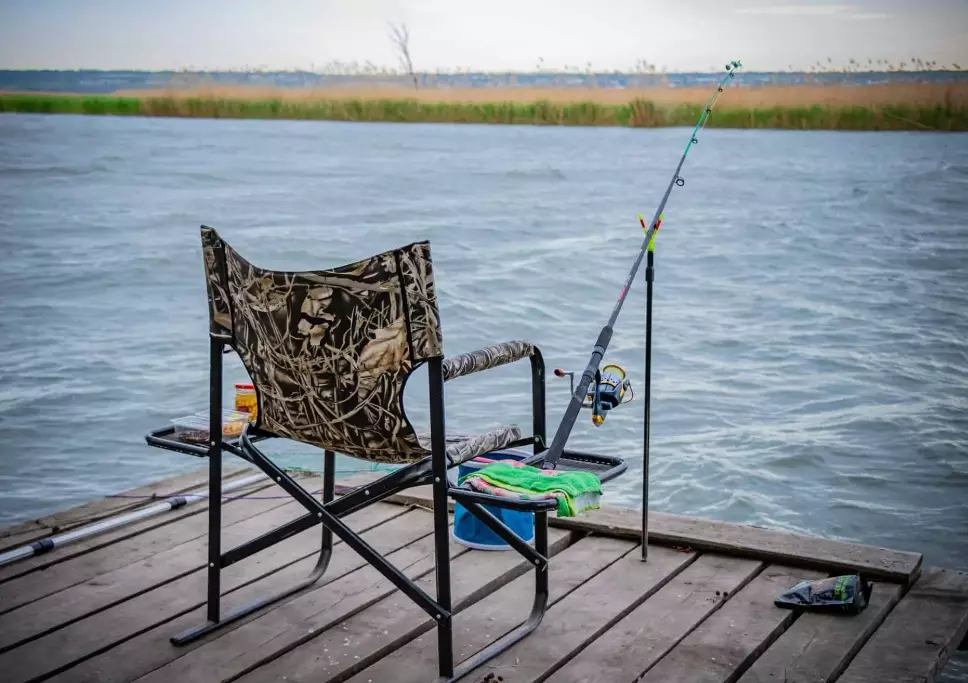
Frame Geometry and Center of Gravity: A wider base at the rear prevents tipping when you lean back to set the hook. Many lightweight chairs have a narrow, vertical back leg design. They're fine for sitting still, but lean back with any force, and you're going over. Look for chairs where the rear legs splay outwards.
Materials That Last (And Some That Don't)
Powder-coated steel is strong and affordable but can rust at weld points if the coating chips. Aluminum is lighter and corrosion-resistant but often costs more. For fabric, 600D polyester is the minimum; 1000D oxford is far more durable against snags and abrasion. Avoid chairs with thin, mesh-like seats—they sag quickly and offer zero insulation from cold ground.
Top Fishing Chairs with Rod Holders: A Real-World Review
Based on years of use and feedback from fellow anglers, here are three models that consistently deliver, each for a different type of fisherman.
| Model & Best For | Key Features & Why It Works | The Trade-Offs (My Honest Take) |
|---|---|---|
| Guide Gear Universal Sidekick The All-Day Bank Angler |
Heavy-duty steel frame (300 lbs capacity), two integrated adjustable rod holders, oversized storage pouch, adjustable armrests. The holders are metal and can be positioned for spinning or baitcasting setups. It's a tank. | It's heavy—over 15 lbs. Not for long hikes. The fabric, while tough, isn't the most breathable on hot summer days. |
| ALPS Mountaineering Rendezvous The Mobile Kayak & Hike-In Fisher |
Super lightweight aluminum frame (under 7 lbs), includes a removable, adjustable rod holder that clips to the side. Breathable mesh back, comes with a carry strap. Packs down incredibly small. | The rod holder is an add-on, not rock-solid like an integrated one. Seat is lower to the ground, which some taller anglers might not like. |
| GCI Outdoor Freestyle Rocker The Relaxation-Focused Fisher |
It rocks! Gentle rocking motion is incredibly soothing. Includes a removable, post-mounted rod holder. Great padded seat, side table for phone/bait. Perfect for slow days waiting for catfish or carp. | The rocking motion isn't for everyone when you need to be bolt-upright for strike detection. The rod holder post can wobble slightly on uneven ground. |
There's no single "best" chair. The Guide Gear is my go-to for drive-up spots. The ALPS lives in my kayak. The GCI is for when I'm with friends, more about the vibe than hardcore fishing.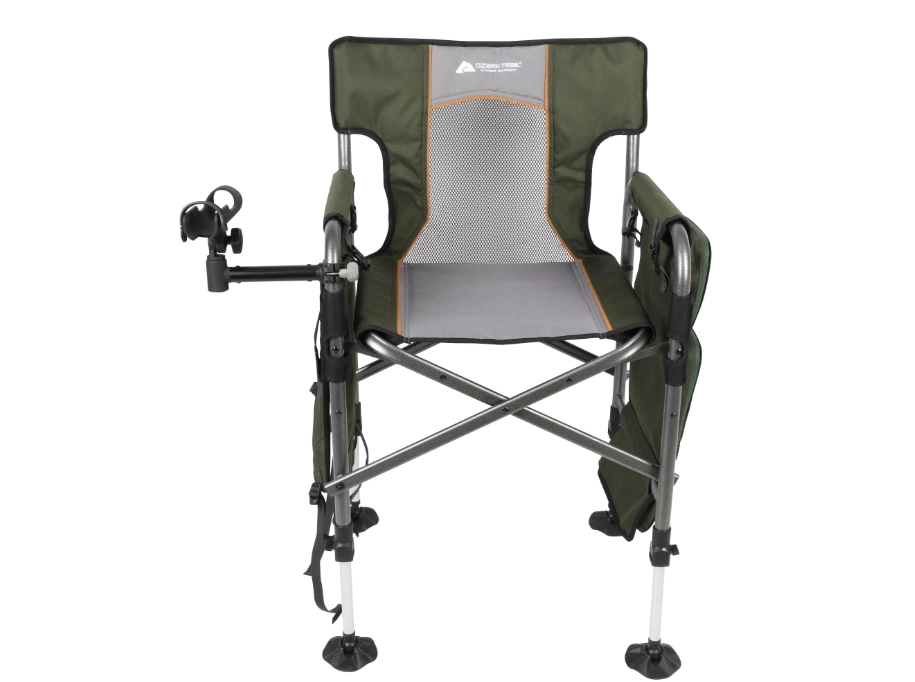
How to Choose Your Perfect Fishing Chair: A Step-by-Step Fit Check
Don't just buy online based on specs. Think through your actual fishing life.
Step 1: Diagnose Your Terrain. Muddy banks? Look for wide, non-slip foot caps (at least 2-3 inches wide). Rocky or uneven ground? Chairs with independent leg levelers are a game-changer. Sandy beaches? You need a chair with a sand footplate or very wide feet to prevent sinking.
Step 2: Audit Your Gear Haul. How far do you walk? If it's more than a 10-minute trek, prioritize weight and a good carry bag or straps. I strap my ALPS chair to my tackle backpack. If you carry multiple rods, a chair with two holders (like the Guide Gear) is worth its weight.
Step 3: The 5-Minute Comfort Test (Do This!). Before you buy, if possible, sit in it. Not for 10 seconds—for five minutes. Feel for pressure points on your tailbone or thighs. Does the back support your lumbar? Can you sit upright comfortably, or does it force you to slouch? Your body will tell you more than any spec sheet.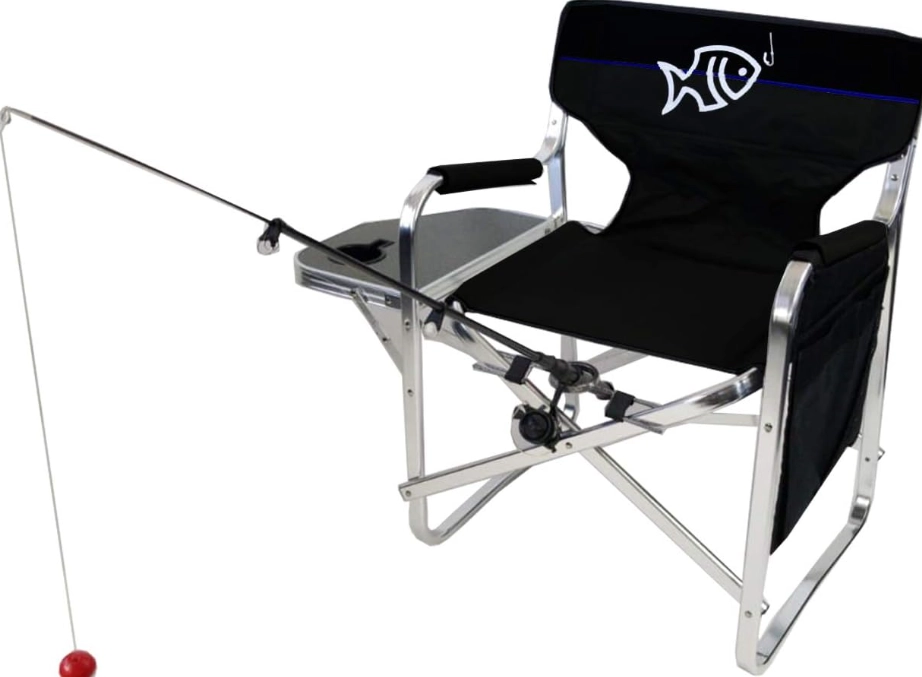
Expert Setup and Stability Tips Most Anglers Miss
You've got the chair. Now let's use it like a pro.
First, always do a pre-sit stability check. Push down on the seat with your hands before sitting. On soft ground, you might need to compact the area or find a slightly firmer spot. I've seen guys plant their chair right over a hidden muskrat hole.
Position the rod holder on your dominant side, but angle it slightly forward. This keeps the rod tip in your peripheral vision for bite detection without you having to crane your neck. For bobber fishing, set the holder so the rod is nearly horizontal. For bottom fishing with a sensitive tip, a more vertical angle is better.
Here's a micro-tip nobody talks about: use a small carabiner to clip your landing net to the chair frame behind you. It keeps it off the muddy ground and right at your fingertips. Same goes for pliers or a line cutter.
Finally, maintenance. When you get home, don't just hose it down and throw it in the garage wet. Dry the fabric and frame thoroughly, especially if it's steel. A quick wipe-down with a silicone-based protectant on the fabric once a season makes a huge difference in water resistance and longevity.
Your Fishing Chair Questions, Answered
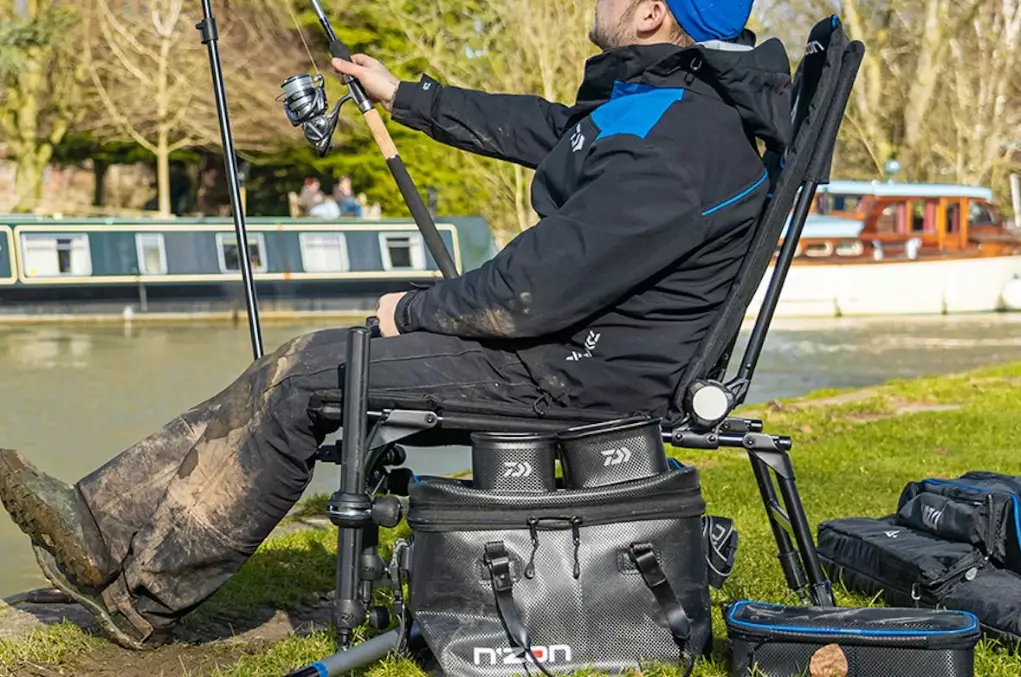 Are the cup holders and side tables actually useful, or just gimmicks?
The right fishing chair with a rod holder quietly elevates your entire day on the water. It's not about the fish you catch; it's about enjoying the process, staying comfortable, and having your gear work for you, not against you. Forget the aching back and the tangled rods. Find the chair that fits your body and your fishing, and you'll wonder how you ever managed without it.
Reader Comments