You know the feeling. You show up at your favorite lake, cast out with what worked last season, and... nothing. The water's the same, the fish are (supposedly) there, but your old tricks aren't cutting it. That's because freshwater fishing isn't static. The trends in techniques, gear, and even where and when to fish shift constantly. After spending more mornings on misty banks than I care to admit, I've seen the evolution firsthand. The biggest shift isn't about some magical new lure; it's a fundamental move from brute force to thoughtful finesse. Forget what you knew five years ago. Let's talk about what's working right now.
Quick Navigation: What We're Covering
The Big Technique Shift: Finesse Over Power
Gone are the days of just chucking a big spinnerbait and reeling fast. Pressure from more anglers and smarter fish means the dominant trend is undeniably finesse fishing. This isn't just "fishing slowly." It's a calculated approach using lighter line, smaller presentations, and subtle movements to trigger bites from inactive or wary fish.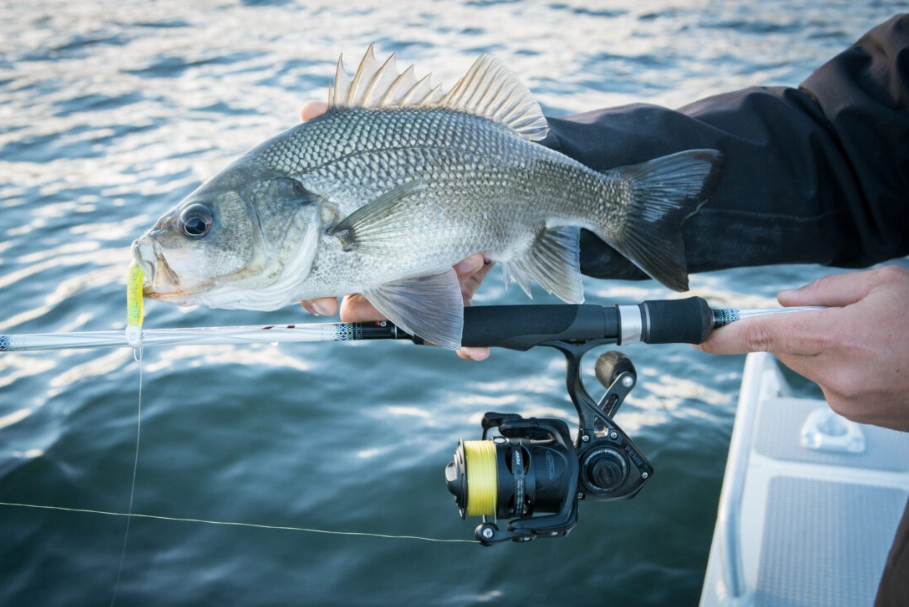
How to Master the Finesse Approach
It starts with your mindset. You're not trying to bully a fish into biting. You're suggesting, tempting, and annoying it into eating. The most effective modern techniques embody this:
- The Ned Rig: This is the poster child of the trend. A tiny, mushroom-headed jig paired with a short plastic worm or craw. It sits upright on the bottom with a tantalizing, natural profile. The retrieve is painfully simple: drag it, hop it, let it sit. For hours. The bite is often a barely perceptible "tick" or just weight on your line. It's boring until it's absolutely not.
- Drop Shotting: Once seen as a deep-water technique for smallmouth, it's now a universal tool. Having your bait suspended off the bottom, quivering in place, is irresistible to fish in clear water or under high pressure. The key is using a thin-wire hook and keeping your weight at least 12-18 inches below the bait.
- Wacky Rigging: A senko-style worm hooked right in the middle. Its dying, fluttering fall drives bass insane. It's almost cheating in the spring, but it works year-round around any vertical cover like docks or reeds.
Here's the mistake I see constantly: People try finesse with their old gear—a stiff 7-foot rod and 15-pound monofilament. You'll miss 80% of the bites. Finesse requires gear that transmits information. You need a sensitive rod with a fast tip and line with low stretch, like 6-10 lb fluorocarbon or braid with a fluorocarbon leader.
Gear Evolution: Lighter, Smarter, More Purposeful
Your tackle box should look different. The trend is towards specialization and sensitivity, not one-rod-does-all.
| Gear Category | Old School Standard | Current Trend & Why |
|---|---|---|
| Rods | Heavy action, 7'0" all-purpose | Multiple specialized rods: a 7'3" Medium-Light for finesse, a 7'6" Medium-Heavy for jigs. Graphite composition for maximum sensitivity. |
| Line | 10-12 lb Monofilament | Braid mainline (10-30 lb) with fluorocarbon leaders (6-12 lb). Braid has zero stretch for sensitivity, fluoro is invisible underwater. |
| Reels | Standard 6.3:1 gear ratio | High-speed reels (7.5:1 or 8:1) for quick line pickup, and specialized slow reels (5.4:1) for deep cranking. |
| Electronics | Basic depth finder | LiveScope or similar forward-facing sonar. It's a game-changer, letting you see fish and your lure in real-time 50+ feet away. It's expensive but redefines "casting at fish." |
The most underrated trend in gear is line management. More anglers are using small, in-line line counters to measure exact casting distances to productive spots, and precision clip-on weights to get their drop shot or Carolina rig exactly where it needs to be.
I resisted forward-facing sonar for a long time. Felt like cheating. Then I used it on a tough day. Seeing a big smallmouth follow my jig for 20 feet, turn away, then come back and inhale it after I let it fall taught me more about fish behavior than a decade of guessing. It's a powerful learning tool, not just a fish-finder.
Where and When: The Overlooked Variables
Trends aren't just about how you fish, but where and when. The classic dawn and dusk bite is still prime, but pressured fish are adapting.
Location Trend: Fishing "community holes"—the obvious points, docks, and fallen trees—is getting harder. The trend is towards secondary and tertiary structure. That means instead of fishing the main lake point, fish the smaller, less obvious point just around the corner in the cove. Instead of the biggest dock, fish the smaller, shaded dock tucked in the back. These spots see less pressure and often hold quality fish. My best bass last season came from a single, isolated rock pile in 8 feet of water that wasn't marked on any map. I found it by accident, dragging a ned rig.
Time Trend: Don't pack up at noon. A major trend is capitalizing on mid-day vertical fishing. When the sun is high, fish relate tightly to deep, vertical structure—bluff walls, bridge pilings, deep weed edges. A drop shot or a spoon jigged vertically in these zones can be lights-out when everyone else is napping.
Weather apps are your new best friend. The trend is towards hyper-local weather monitoring. A barometer starting to fall, a slight wind shift, or a 2-degree water temperature change can turn the bite on or off. I use an app that gives me hourly forecasts for wind direction on the specific lake I'm fishing. It dictates which bank I start on.
Reader Comments