California salmon fishing isn't just a hobby; it's a pilgrimage. The pull of a 30-pound Chinook (King) salmon testing your drag in the Pacific surf, or the electric take of a steelhead in a misty North Coast river—it gets in your blood. But the question isn't just if you can fish for them here, it's where and how to do it right. The landscape is vast, from the mighty Sacramento River to rugged coastal gems.
I've spent years chasing these fish, making my share of mistakes (like trying to drift fish in a tidal swing—don't ask). This guide cuts through the noise. We'll map out the top spots, decode the regulations that trip people up, and get you ready to hook into your own California salmon story.
Your Quick Guide to California Salmon Fishing
Know Your Quarry: California's Salmon Species
First thing: you're not just fishing for "salmon." You're targeting specific runs of specific fish, each with its own calendar and personality. Mixing them up means you might be in the right place at the completely wrong time.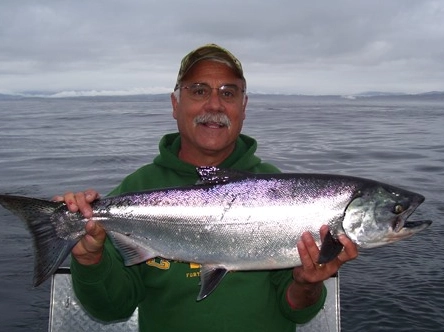
Chinook (King) Salmon
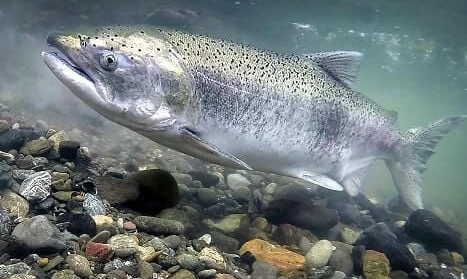
The heavyweight champion. These are the giants, commonly hitting 15-30 pounds in the ocean, with 40+ pounders not unheard of in systems like the Klamath. They're the primary target for both ocean and inland river fisheries. Look for Fall-run and late-Fall-run fish in rivers—they're the ones most anglers encounter.
Coho (Silver) Salmon
More streamlined and acrobatic than Chinook, but their numbers are tightly managed. The recreational season for wild Coho is almost always closed to protect stocks. Your chance at a Coho is primarily in the ocean fishery during open years, and even then, regulations are strict. Always verify the status.
Steelhead
Technically a sea-run rainbow trout, but fought and revered like a salmon. They're the winter ghosts of coastal streams, known for blistering runs and aerial displays. Fishing for them is often a game of persistence in cold, high water. It's a purist's pursuit.
Best Rivers for Salmon Fishing in California
River fishing is intimate. You're reading water, presenting bait or lures in a specific seam, and feeling every tap through the rod. Here are the hall-of-fame rivers.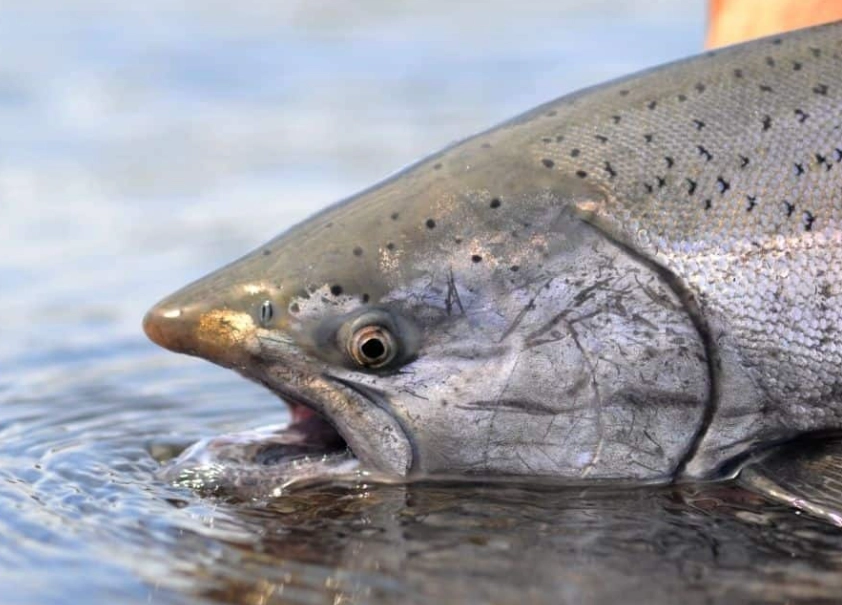
| River System | Region | Prime Target & Season | Key Access Points / Notes |
|---|---|---|---|
| Sacramento River | Central Valley | Fall-run Chinook (Aug-Nov). The state's most productive salmon river. | Focus on the Lower Sacramento around Redding down to Red Bluff. Drift boat access is king. The Feather River (a major tributary) has a famous fishery below the Oroville Dam outflow. |
| Klamath & Trinity Rivers | North Coast | Fall Chinook (Sept-Oct) & Winter Steelhead (Dec-Apr). A wild, scenic fishery. | The Lower Klamath near the estuary (Requa) is legendary. The Trinity River, a major tributary, offers spectacular steelheading. Expect crowds during peak salmon weekends. |
| Smith River | Far North Coast | Winter Steelhead (Dec-Apr). Less emphasis on salmon, but some Chinook in fall. | California's last major undammed river. It's crystal clear, technical, and breathtaking. Wading access along Hwy 101. This is a catch-and-release, barbless-hook haven for much of the steelhead run. |
| Russian River | North Bay / Wine Country | Chinook Salmon (Fall) & Steelhead (Winter). An accessible Bay Area option. | Popular stretches near Guerneville and Healdsburg. Water flow releases from dams dictate fish movement. Check conditions with local shops like King's Sport & Tackle. |
The Sacramento is your best bet for consistent action and larger numbers of fish. But the Klamath? It feels different. More raw. I remember hooking a bright Chinook there as fog lifted off the water—it felt like a scene from a different century.
Ocean & Bay Salmon Fishing Hotspots
This is big water hunting. You're trolling or mooching bait behind the boat, covering miles to find bait balls and temperature breaks where salmon congregate.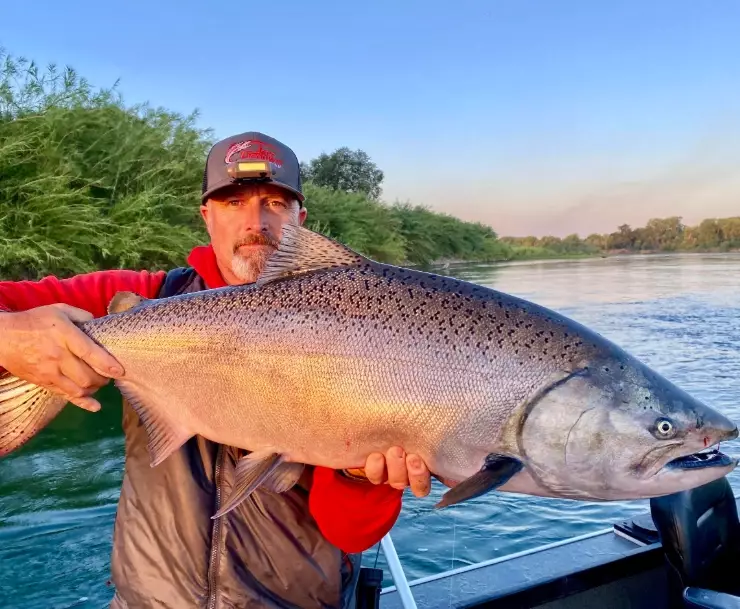
San Francisco Bay Area & Coast
The epicenter. Charter fleets out of San Francisco, Half Moon Bay, Bodega Bay, and Sausalito chase salmon from the Golden Gate Bridge north and south along the coast. The season typically kicks off in spring south of the Gate and moves north as summer progresses. The area near the Farallon Islands is famous for big kings.
Monterey Bay
Launch from Monterey or Santa Cruz. This can be a phenomenal early-season spot (May-June) before the fish move north. The submarine canyon brings deep water close to shore, holding bait and predators.
Fort Bragg & The North Coast
Out of Noyo Harbor in Fort Bragg. This is rugged, beautiful, and less crowded than the Bay Area. Fishing can be excellent from summer into early fall, often closer to shore near river mouths like the Noyo and Ten Mile.
How to Plan Your California Salmon Fishing Trip
This is where trips succeed or fail. It's not just about location.
The Non-Negotiables: Licenses & Regulations
This is the biggest pitfall for newcomers. You need:
1. A California Fishing License (annual or short-term).
2. A Salmon Report Card. You must fill this out immediately upon keeping a fish, and return it even if you catch nothing.
3. An Ocean Enhancement Validation if fishing in the sea.
4. A Steelhead Report Card and Stamp if targeting steelhead.
Get these online from the California Department of Fish and Wildlife (CDFW). Print them. Wardens do check.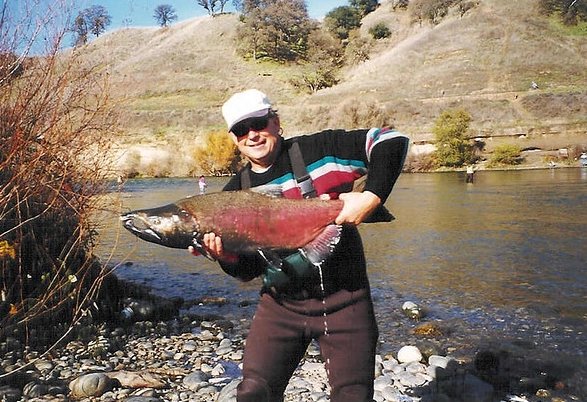
Gear Essentials (River Focus)
For river bank or wade fishing:
- Rod: 9 to 10-foot medium-heavy spinning or baitcasting rod for casting weights and lures.
- Reel: Sized for 15-25 lb braid or mono, with a smooth drag.
- Terminal Tackle: Sliding sinkers (½ to 2 oz), barrel swivels, and sharp, strong hooks (size 2 to 2/0).
- Bait/Lures: Roe (eggs) in mesh bags, Kwikfish or FlatFish lures, spinners like Blue Foxes.
- Other: Waders, sturdy boots, landing net, pliers, ruler.
Timing is Everything
Water conditions matter as much as the calendar. After the first big fall rains, salmon charge into rivers. But if the river is a muddy torrent, fishing is pointless. Conversely, low, clear water in summer makes fish spooky. Call a local tackle shop the week of your trip. Ask: "How's the river looking? Are fish being caught?" Their intel is gold.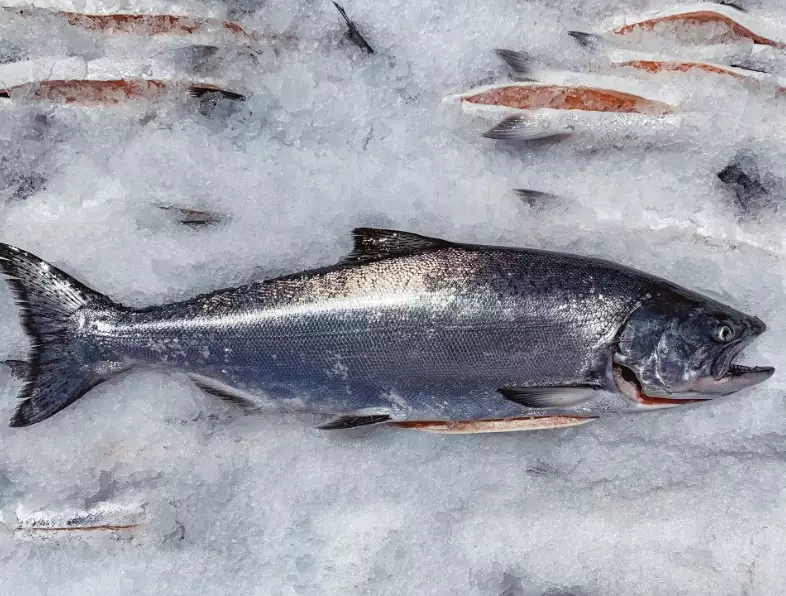
Beyond the Basics: Tactics from the Riverbank
Here's something you won't read in every generic guide—the nuance.
Drift Fishing Eggs: It's the classic. But everyone just lobs it out. The trick is managing your drift speed. Your gear should bounce along the bottom, not drag or float. If you're snagging constantly, you're too heavy. If you never feel the bottom, you're too light. It's a tactile game. Adjust weight until you feel that occasional, gentle "tick-tick" on the rocks.
Backtrolling Plugs from a Boat: On the Sacramento, guides backtroll diving plugs like Brad's Cut Plugs. The secret isn't the plug—it's the speed and angle. You want the plug to wiggle seductively right in the salmon's face as it rests in a slow seam. Too fast, it looks unnatural. Too slow, it has no action. It's a dance with the current.
The "One More Cast" Lie: You know the spot looks perfect. You've made 20 perfect drifts. Nothing. The human instinct is to leave. Often, the 21st cast is the one. Salmon don't bite on a schedule. If the water is right, have patience. I've watched fish caught on the 50th cast to the same lie after an hour of nothing.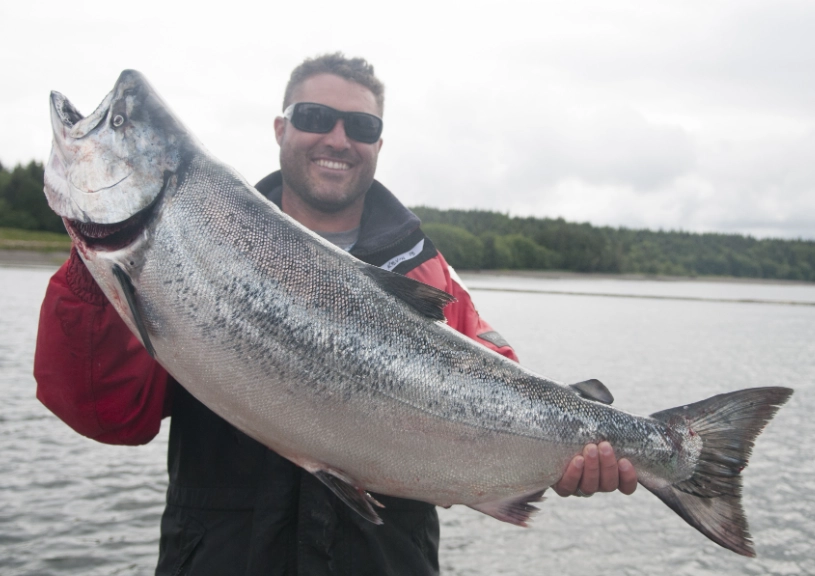
Answers to Your Burning Salmon Fishing Questions
What is the best time of year to fish for salmon in California?
What fishing license and report cards do I need for salmon in California?
Can I keep the salmon I catch in California rivers?
What's a common mistake beginners make when salmon fishing in rivers?
So, where can you fish for salmon in California? The answer is everywhere from the Oregon border to Monterey, in mighty rivers and the open Pacific. The real adventure starts when you pick a spot, get your gear and paperwork in order, and make that first cast into water that holds these incredible fish. Just remember to watch your backcast—the guy behind you has been waiting for that spot all morning.
Reader Comments