You're heading out on the salt. The sun's blazing, the spray is flying, and you're thinking about one thing: catching fish. The last thing you want is your gear working against you. A cheap shirt that sticks to your skin, pants that chafe after six hours on the water, or a hat that offers zero shade on your neck. I've been there. I've spent too much money on the wrong stuff. Choosing the right saltwater fishing apparel isn't about looking like a pro—it's about comfort, protection, and staying out there longer. It's the difference between a miserable day and the trip of a lifetime.
Let's talk about what really matters. Forget the flashy logos for a second.
What's Inside This Guide?
Why Saltwater Fishing Apparel is Different
Freshwater gear won't cut it out here. Saltwater is a brutal environment. It's corrosive. The sun's UV rays are more intense over open water. The wind is constant. The combination of salt, sun, and abrasion from fighting big fish will destroy inferior materials in a season.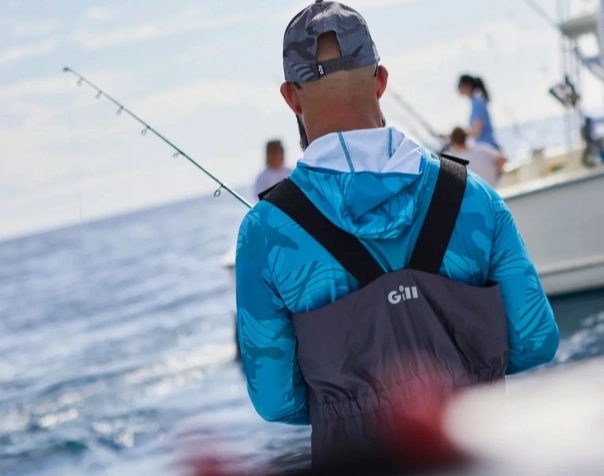
I learned this the hard way on a tarpon trip in Florida. My old "quick-dry" hiking shirt from a big-box store became a stiff, salty shell by noon. The seams rubbed my shoulders raw. It was a lesson in humility and chafing.
The Saltwater Trifecta: Real saltwater apparel is engineered to combat three things simultaneously: UV radiation (with UPF 30+ ratings), salt corrosion (using rust-proof zippers and hardware), and rapid moisture management (to cool you down and dry fast). If a piece of clothing doesn't explicitly mention these, it's not built for the salt.
How to Choose Saltwater Fishing Apparel: The 3 Pillars
Don't get overwhelmed by marketing. Focus on these three things, in this order.
1. Fabric & Material: It's All About the Tech
This is non-negotiable. Look for technical synthetics like polyester or nylon blends with specific treatments.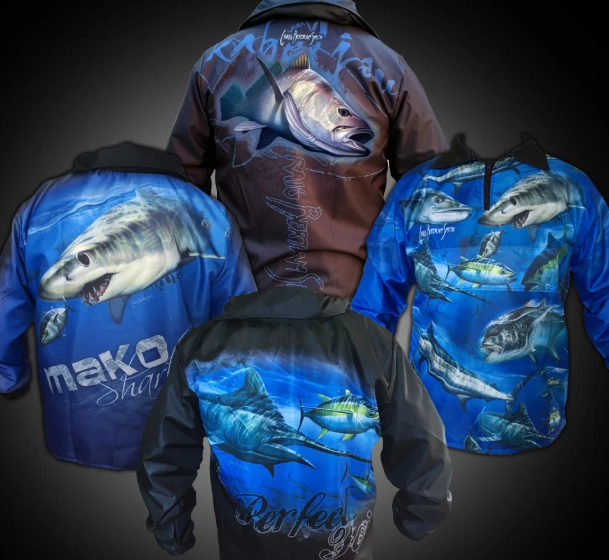
- UPF Rating: This is your sun shield. UPF 30 blocks 96.7% of UV rays; UPF 50 blocks 98%. For long days, go for 50+. The Skin Cancer Foundation recommends UPF clothing as a critical part of sun safety.
- Moisture Wicking & Quick-Dry: The fabric should pull sweat away from your skin and evaporate it quickly. "Quick-dry" is a start, but "wicking and rapid dry" is the goal.
- Odor Resistance: Many brands use treatments like Polygiene or their own tech to inhibit bacterial growth. Trust me, after three days on a liveaboard, you'll appreciate this.
2. Fit & Design: Mobility is King
A fishing shirt shouldn't fit like a dress shirt or a baggy tee. It needs a articulated cut—extra room in the shoulders, back, and underarms for casting. Look for gussets under the arms. The hem should be long enough to stay tucked in when you reach overhead.
My personal pet peeve? Collars that are too flimsy to block the sun or stand up to a buff. A good collar should have structure.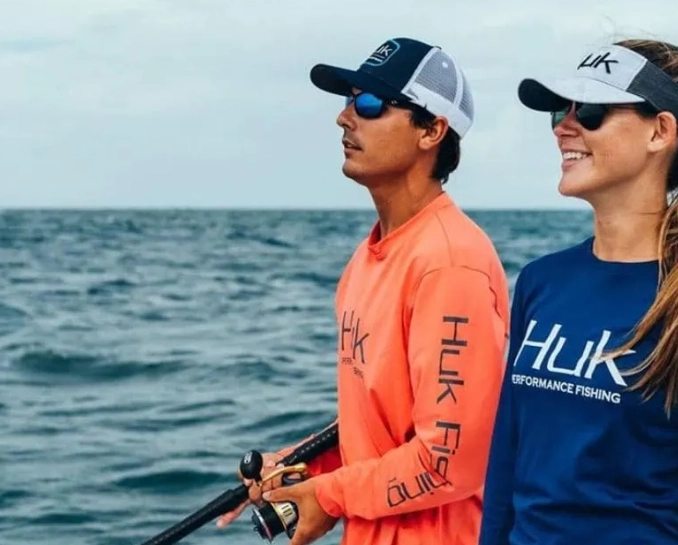
3. Features & Function: The Devil's in the Details
This is where brands differentiate themselves.
- Venting: Mesh-lined backs, underarm vents (like pit zips), or strategic mesh panels. Crucial for airflow.
- Pockets: Are they placed for access while wearing a harness or life jacket? Are they drainable? Zippered or Velcro? Sunglass loops?
- Hardware: Rust-proof YKK zippers are the gold standard. Plastic or coated snaps are better than bare metal.
Top Saltwater Fishing Apparel Brands Reviewed
Here’s a breakdown of the leaders. This isn't just a list; it's based on years of testing, talking to guides, and seeing what holds up.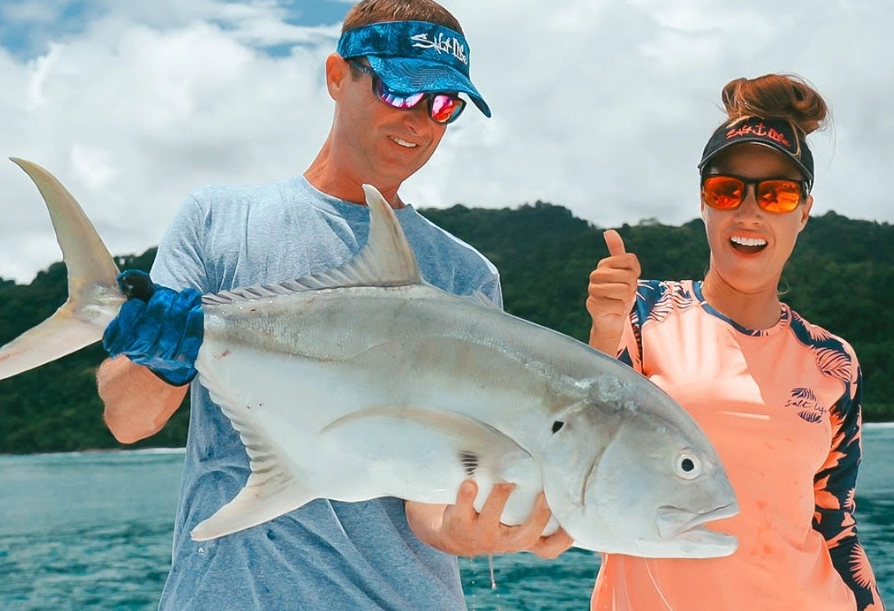
| Brand | Known For | Price Point | Best For | One Thing to Know |
|---|---|---|---|---|
| Simms | Unmatched durability, technical fabrics, fly-fishing heritage | High-End $$$ | Serious anglers, cold/wet conditions, those who value buy-it-for-life | Their G4 Guide gear is overbuilt in the best way. It's expensive but lasts. |
| Huk | Bold designs, innovative cooling fabrics (K1), tournament presence | Mid to High $$ | Warm weather, offshore & inshore anglers who want performance with style | Their K1 fabric is legitimately cooler in direct sun. The fit is very athletic. |
| AFTCO | Saltwater-specific engineering, harness-compatible designs | Mid to High $$ | Offshore trolling, big game fishermen, gear that works with harnesses | They think about the details for fighting fish from a fighting chair. |
| Columbia (PFG) | Accessibility, value, reliable sun protection (Omni-Shade) | Budget to Mid $ | Casual anglers, beginners, family fishing trips, great entry-level option | Widely available. A solid, no-surprise choice that gets the job done. |
| Howler Bros | Unique prints, lifestyle focus, comfortable stretch fabrics | Mid $$ | Inshore, flats fishing, anglers who prioritize comfort and look off the water too | More fashion-forward. The stretch in their shirts is incredibly comfortable. |
The Simms Philosophy: Built Like a Tool
Simms isn't trying to be trendy. Their stuff feels like a piece of equipment. I have a Simms Solarflex hoody that's five years old. It's been soaked in salt, blood, sunscreen, and it still has its UPF rating and hasn't pilled. The seams are flat-locked so they don't rub. You pay for it, but it's an investment. The downside? The styling can be a bit utilitarian for some.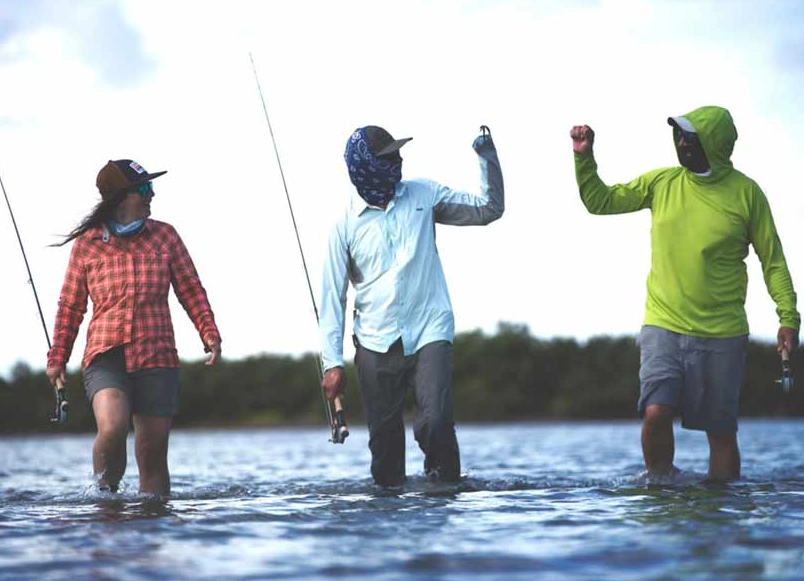
Huk's Performance Edge: Science on the Water
Huk made its name with the K1 fabric, which uses mineral-based particles to dissipate heat. It sounds like marketing, but on a 95-degree day poling the flats, you can feel a difference. Their shirts are cut for movement—very trim. A common complaint? Some find the patterns too loud. But if you want to stay cool and look like you mean business, Huk delivers.
A Word on "Fishing Fashion" Brands: New brands pop up constantly with great-looking gear. Before you buy, check the tech specs. Does it have a stated UPF rating? What's the fabric blend? A 100% cotton shirt with a fish print is not fishing apparel—it's a t-shirt you'll regret wearing on the water.
Matching Your Gear to Your Fishing Style
Your fishing style dictates your kit. Here’s how I'd break it down.
Inshore/Flats Fishing: You're standing, sight-casting, often in shallow water. Sun protection and breathability are paramount. Go for long-sleeve sun shirts (hoodies are a game-changer), lightweight, quick-dry pants or shorts. Brands like Huk, Howler Bros, and Simms' lighter weight lines excel here. A buff is essential.
Offshore/Bluewater Fishing: You're battling the elements and big fish. Abrasion resistance and harness compatibility matter. Look for reinforced knees/seats in pants, shirts with non-slip patches on the shoulders for rod butts. AFTCO is the classic here, and Simms' heavier gear works well. A good, wide-brimmed hat that won't blow off is key.
Fly Fishing in the Salt: This is Simms' home turf. You need gear that handles constant wetting (spray, waves), allows for complex casting motions, and dries fast. Look for their G3 or G4 lines. Layering is crucial—a wicking base layer, a sun shirt, and a waterproof shell for runs.
Pier/Shore Fishing: You might not get as wet, but you're exposed. Comfort and sun protection over many hours are key. Columbia PFG offers fantastic value here. Don't skimp on footwear just because you're on land.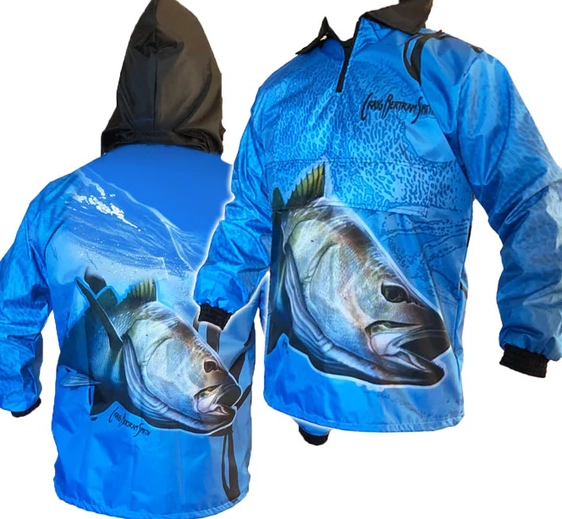
Expert Tips & Common Mistakes
After a decade, here's what most people get wrong.
Wash Your Gear Properly. Salt crystals are abrasive. Always rinse your apparel in fresh water after a trip and wash it according to the tag (usually cold, mild detergent, no fabric softener). This preserves the UPF and wicking treatments. I've seen $120 shirts ruined in one hot wash with bleach.
Layer, Even in the Tropics. A thin, long-sleeve sun shirt is almost always cooler than a bare, sunscreen-slimed arm. It wicks sweat and blocks UV directly. Start with a good base.
The Biggest Mistake? Buying for fit in your living room. You need to mimic a casting motion. Reach forward like you're setting the hook. Rotate your torso. If the fabric pulls tight across your back or shoulders, size up or try a different brand with a more athletic cut.
Fit is everything.
Reader Comments