What's Inside
Saltwater fishing isn't what it was a decade ago. Forget the old image of just a guy, a heavy rod, and a bucket of bait. The scene has evolved, driven by technology, accessibility, and a new generation of anglers who value skill and sustainability over sheer brute force. If you're still using the same techniques and gear you were five years ago, you're missing bites—and a lot of the fun. The current saltwater fishing trends are reshaping how we find, fight, and think about fish. Let's break down what's hot, why it matters, and most importantly, how you can get in on it.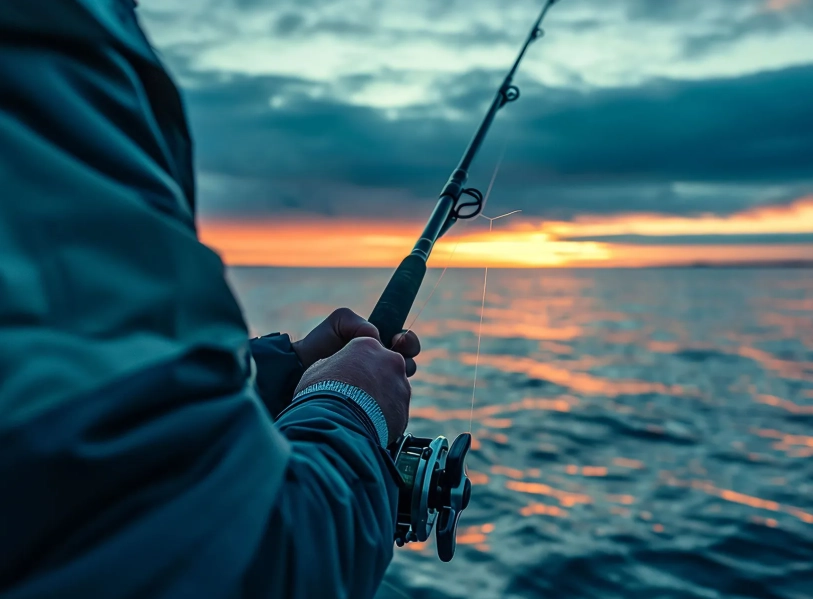
The Rise of Kayak Fishing: More Than Just a Trend
This isn't a fad. Kayak fishing has exploded from a niche activity to a mainstream force. Why? It's the ultimate combination of affordability, access, and stealth. You can launch a kayak where no big boat can go—backcountry mangroves, skinny flats, tight estuaries. The silence is a game-changer. I've poled a flats boat for years, and the first time I glided up to a spooky redfish in a kayak, the difference was night and day. They just don't spook as easily.
But here's the trend within the trend: it's not just about any kayak. The market is now dominated by purpose-built, pedal-driven fishing kayaks. Hands-free propulsion is the real secret. It lets you position yourself perfectly while casting, fighting a fish, or working a lure. Brands like Hobie, Old Town, and Native Watercraft are constantly innovating. The new models have insane stability, built-in electronics mounts, and even spot-lock capabilities using a pedal-driven motor, like the Old Town Sportsman Autopilot.
New anglers make a critical mistake here. They buy a cheap, narrow recreational kayak thinking it'll work. It's miserable and unsafe for fishing. You need width for stability. A 12-foot, 34-inch wide kayak is a much better starting point than a 10-foot touring model.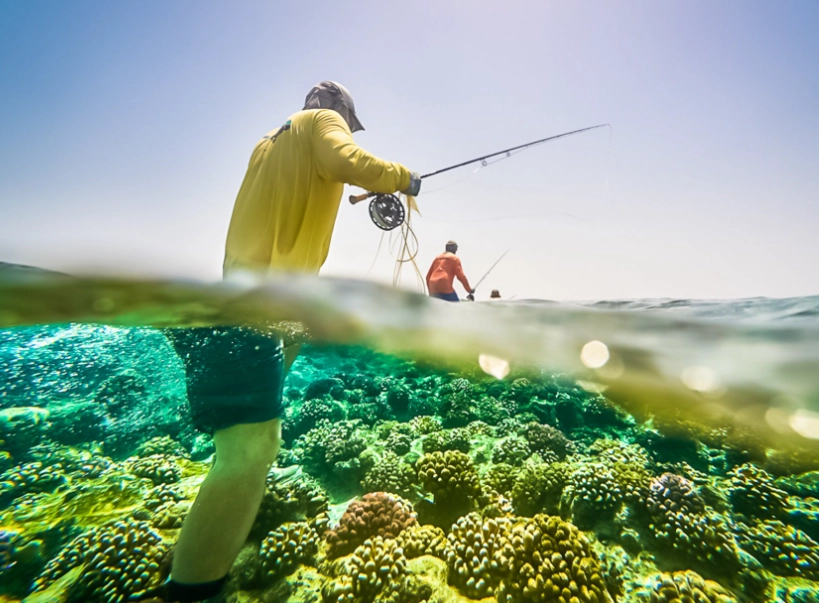
Essential Kayak Fishing Gear Beyond the Boat
Your setup needs to be streamlined. You don't have a giant console to store things.
- Anchor System: A simple folding grapnel anchor on a trolley system is non-negotiable for holding position in current.
- PFD You'll Actually Wear: Not a bulky orange vest. Get a modern fishing-specific inflatable or low-profile PFD. If you don't wear it, it's useless.
- Rod Leashes: You will flip a rod overboard. A $10 leash saves a $200 combo. Trust me, I've learned this the hard way.
Light-Tackle Fishing: The Skillful Revolution
Heavy trolling gear and 50-pound braid are getting left at the dock for a lot of inshore and nearshore applications. The trend is decisively toward lighter, more sensitive, and more fun tackle. Anglers are targeting 100-pound tarpon on 20-pound braid, catching big snook on 2500-sized spinning reels, and using finesse presentations for species we used to just chunk bait at.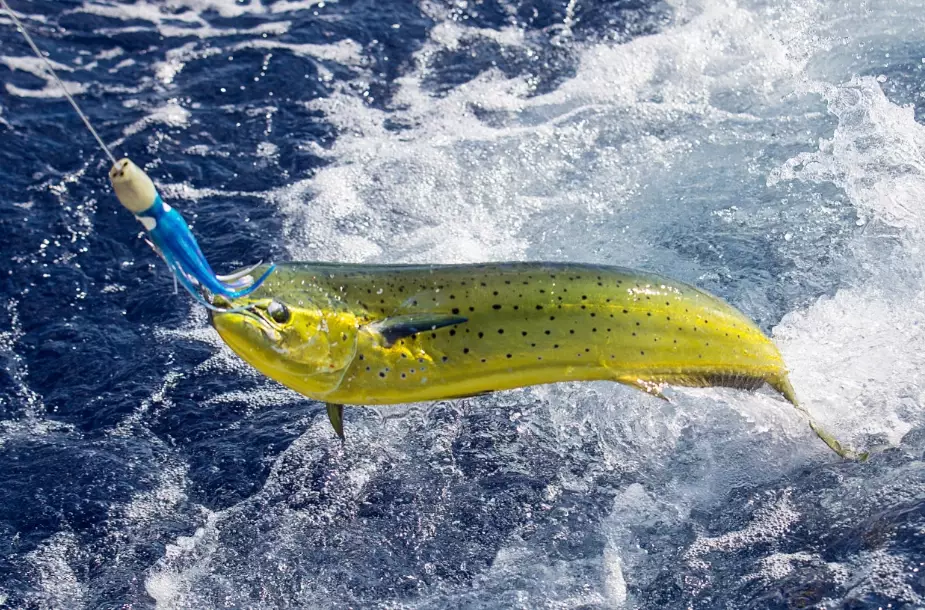
This shift is about feeling the fight. It's also incredibly effective. A fish fights harder against a lighter rod with more bend, creating more fatigue. But the real skill is in drag management and rod angle. You can't just lean back and winch. You have to let the fish run, work it side-to-side, and use the water's resistance. It's a chess match, not a arm-wrestling contest.
The gear reflects this. Rods are getting lighter and more parabolic (a smooth bend from tip to butt). Reels have smoother drags and higher gear ratios for quick retrieves. Line technology is the silent hero here. The rise of ultra-thin, high-strength braided lines (like 8-strand or even 12-strand PE) means you can spool more 15-pound test that has the diameter of old 6-pound mono, giving you incredible capacity and sensitivity.
| Target Species | Old School Setup | Modern Light-Tackle Trend | Why It Works Better |
|---|---|---|---|
| Redfish / Snook (Inshore) | 7' Medium-Heavy rod, 4000 reel, 30lb braid | 7'2" Medium-Light rod, 3000 reel, 10-15lb braid + 20lb leader | Better lure action, more bites from pressured fish, more exciting fight. |
| Spanish Mackerel / Bluefish (Surf/Pier) | 10' surf rod, 6000 reel, 40lb mono | 8'6" fast action rod, 5000 reel, 20lb braid, long fluorocarbon leader | Lighter weight for casting all day, braid cuts through wind, sensitivity for subtle hits. |
| Nearshore Grouper/Snapper | Boat rod, 4/0 reel, 50lb mono | 7'6" Heavy fast rod, 5000-6000 reel, 30lb braid, short 60lb fluoro leader | Faster feel of the bottom and bites, less drag in current, easier to handle. |
The Data-Driven Angler: Electronics and Conservation
Two seemingly opposite trends are actually converging: the hyper-use of technology and a deep focus on conservation. They're both about efficiency and respect for the resource.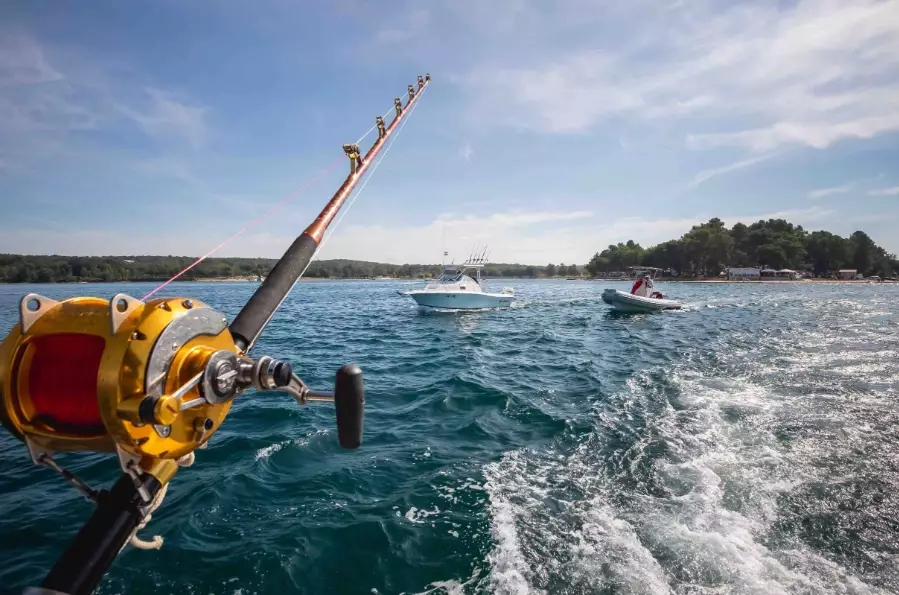
On the tech side, it's not just about having a fishfinder anymore. It's about integrated systems. Side-scan and live-scan sonar (like Garmin LiveScope or Humminbird MEGA Live) have fundamentally changed the game, especially in clear water. You can see a fish 80 feet away, identify its species by its shape and movement, and cast directly to it. It feels like cheating, but it's also an incredible learning tool. You learn how fish relate to specific structures in real-time.
But this tech comes with a responsibility trend: catch-and-release is now the default for many anglers, not the exception. And it's getting scientific. We're not just tossing fish back. We're using proper tools: rubberized nets, lip grippers, hook removers, and keeping fish in the water as much as possible. Resources like the Keep Fish Wet principles, which are supported by fishery science, guide best practices. The goal is zero mortality on released fish. This means even changing tackle—using non-offset circle hooks when bait fishing, which dramatically reduce gut-hooking, as shown in studies by agencies like NOAA Fisheries.
I see too many people with amazing electronics who then drag a fish through the sand for a photo. That beautiful snook you just spotted on LiveScope? You might have just killed it with poor handling, defeating the whole purpose.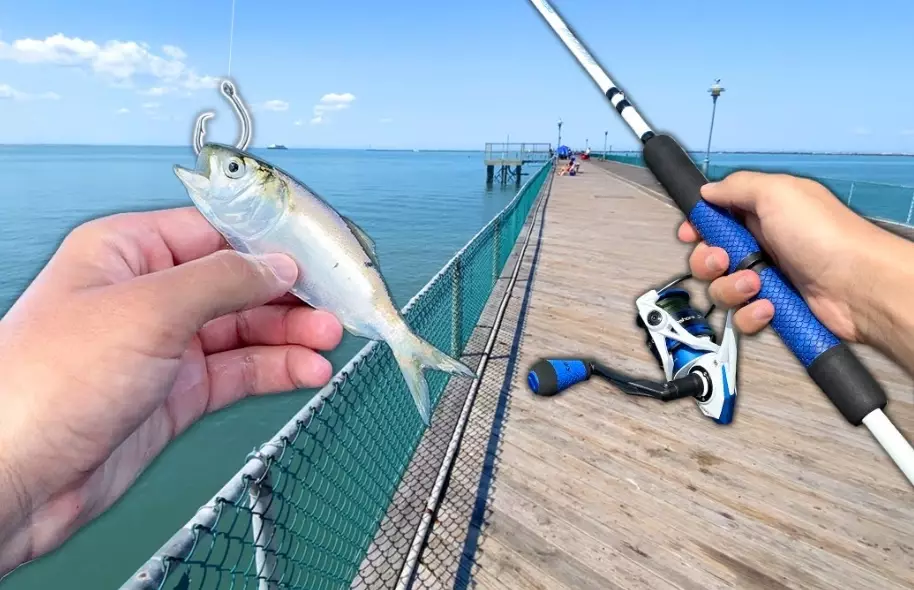
How to Adapt to Current Saltwater Fishing Trends
Feeling overwhelmed? Don't try to do it all at once. Pick one trend that fits your local fishery and budget, and dive in deep.
If you're boat-bound but curious about the light-tackle trend: Start with one new combo. Pair a 7-foot medium-power, fast-action spinning rod with a 3000-sized reel. Spool it with 10-15 pound braid. Use this setup for everything you'd normally use a heavier rod for—casting plugs for striped bass, working soft plastics for trout. Force yourself to use it. You'll be shocked at how many more bites you get and how much more you feel.
If kayak fishing calls to you: Don't buy first. Rent or borrow. Many coastal outfitters and even some fishing clubs have demo days. Try a pedal-drive model. See if you like the feel. Focus on a protected, calm body of water for your first dozen trips. Master stability, anchoring, and handling gear in a confined space before you tackle open bays or currents.
For the tech and conservation angle: The easiest entry point is upgrading your handling. Buy a good rubber net and a set of long-nose pliers or a dehooker. Make a vow to keep every fish you plan to release in the water. That single change will do more for the fishery than any sonar upgrade. Then, maybe add a portable lithium power pack to run a smaller, modern fishfinder with basic down-scan on your kayak or small boat.
The core idea is to evolve. Fishing is a dynamic sport. The fish adapt to pressure, and so must we.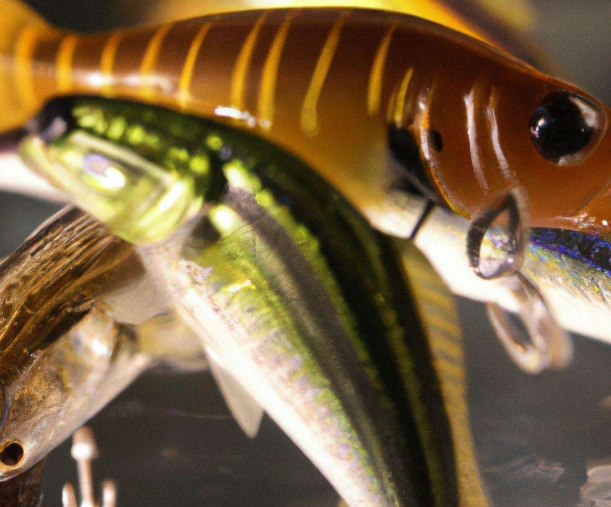
FAQ: Your Saltwater Fishing Trends Questions Answered
I mostly fish from piers and the surf. Do these light-tackle trends still apply to me?
Absolutely, maybe even more so. Surf fishing is undergoing its own light-tackle revolution. Instead of giant 12-foot rods meant to heave 8 ounces of lead, anglers are using 9 to 10-foot rods with fast tips to cast 1-3 ounce lures (like metal jigs for Spanish mackerel or pencil poppers for striped bass) on 20-30 pound braid. You cover more water, present lures more naturally, and it's far less exhausting. The key is matching your rod's power and action to the lure weight, not the potential size of the fish.
Is live-scope sonar really worth the high cost for the average weekend angler?
It's a fantastic tool, but it's not magic and it has a steep learning curve. For a casual angler, the money might be better spent elsewhere first—like a quality trolling motor with spot-lock, or simply more days on the water. Where it shines is in specific scenarios: sight-fishing in murky water, locating suspended fish around offshore structure, or understanding complex bottom composition. If you're a serious tournament angler or guide, it's essential. If you fish twice a month for fun, a good traditional side-scan/down-scan unit will teach you 90% of what you need for half the price.
What's the one piece of gear that makes the biggest difference for kayak fishing safety and success?
It's a tie between a personal flotation device (PFD) you never take off and a marine VHF radio or waterproof cell phone case. Safety is the non-negotiable trend. A PFD is useless in a storage hatch. Get one comfortable enough to wear all day. Communication is critical if you get into trouble, especially with changing weather. A simple handheld VHF or a phone in a reliable case (like a DryCase) can summon help. All the fancy fishing gear means nothing if you can't get back safely.
I keep hearing about "finesse" techniques for saltwater. What does that actually mean beyond using small lures?
Finesse is more about presentation and subtlety than size. It means using lighter jig heads (1/8 oz vs 1/2 oz) to let a soft plastic fall slower and more naturally. It's making long, quiet casts with a spinning rod instead of short, splashy casts with a baitcaster. It's using a slow, twitchy retrieve when everyone else is burning the lure back. It's about triggering a reaction from a fish that isn't aggressively feeding. In pressured waters, the fish see loud, fast presentations all day. A subtle, different approach gets the bite when nothing else will.
Reader Comments