You've got the rods rigged, the cooler is iced down, and the forecast looks perfect. But hold on. Did you check the regs? I've seen too many trips turn sour because someone assumed the rules were simple or the same as last year. Saltwater fishing regulations aren't just bureaucratic red tape—they're the difference between a great story and a costly ticket, between sustainable fishing and depleting a resource. Let's cut through the confusion.
This isn't about scaring you off the water. It's about giving you the confidence to fish anywhere, knowing you're on the right side of the law. We'll skip the obvious stuff and dive into the details most guides don't have time to explain.
What's in This Guide?
- How to Find and Understand Saltwater Fishing Regulations
- Common Mistakes That Get Anglers Fined
- Fishing License Basics: What You Really Need
- Decoding Size and Bag Limits
- Key Regional Differences (Gulf vs. Atlantic vs. Pacific)
- Special Conservation Rules You Might Miss
- Your Saltwater Fishing Regulations Questions, Answered
How to Find and Understand Saltwater Fishing Regulations
Google "fishing regulations" and you'll get a million blogs. Ignore them. Your primary source must be the government agency that manages the fishery. For state waters (usually out to 3 nautical miles), it's your state's Fish and Wildlife Department or Marine Resources Division. For federal waters (3-200 nautical miles), it's the National Oceanic and Atmospheric Administration (NOAA) Fisheries.
Here's my process, honed from missing a regulation update years ago and getting a warning I'll never forget:
Step 1: Hit the Official Website. Find your state's agency. Look for the current year's "Saltwater Fishing Regulations" PDF. This is the bible. Download it to your phone.
Step 2: Use a Trusted App, But Verify. Apps like Fish Rules are fantastic for on-the-water checks. They use your GPS to show rules for your exact location. But here's the expert tip: they can lag behind sudden changes, like emergency closures for red tide or fish kills. The app is your quick reference, not your legal defense.
Step 3: Call Ahead for Specifics. Planning a trip to a new jetty or bay? Find the phone number for the local Marine Patrol or conservation office. A two-minute call can clarify murky rules about baitfish collection or gear restrictions that the PDF glosses over.
Common Mistakes That Get Anglers Fined
Conservation officers tell me the same stories. It's rarely malicious poaching. It's oversight.
- Assuming Last Year's Rules Apply: Regulations change annually based on stock assessments. That flounder limit that was 4 fish last summer might be 2 this year.
- Misidentifying Fish: A Sheepshead and a Black Drum juvenile can look similar to a beginner. Keep the wrong one, and you've violated a slot limit. Carry a fish ID card.
- Improper Measurement: This is huge. "Total length" means mouth closed, tail pinched, on a flat surface. Measuring a curved fish on your boat's gunwale adds an inch. That inch can make your fish illegal.
- Forgetting About Transport Rules: You can legally catch a fish in one zone, but transporting it through another zone where that fish is out of season or under different size limits can be illegal. Keep fish clearly separated by catch location if you're moving around.
Fishing License Basics: What You Really Need
Yes, you almost always need one. Even if you're on a charter, the captain's license covers you. But if you're on your own boat or surf fishing, you're on the hook.
Types of licenses get specific:
- Resident vs. Non-Resident: Non-resident licenses cost more, sometimes significantly.
- Saltwater vs. Freshwater: They are almost always separate. A combo license is a good deal if you do both.
- Additional Tags/Stamps: Want to keep a Tarpon or a Spiny Lobster? That often requires a separate, species-specific stamp or tag on top of your basic license.
Check if your state has reciprocity with neighboring states. Some states on the same coast have agreements.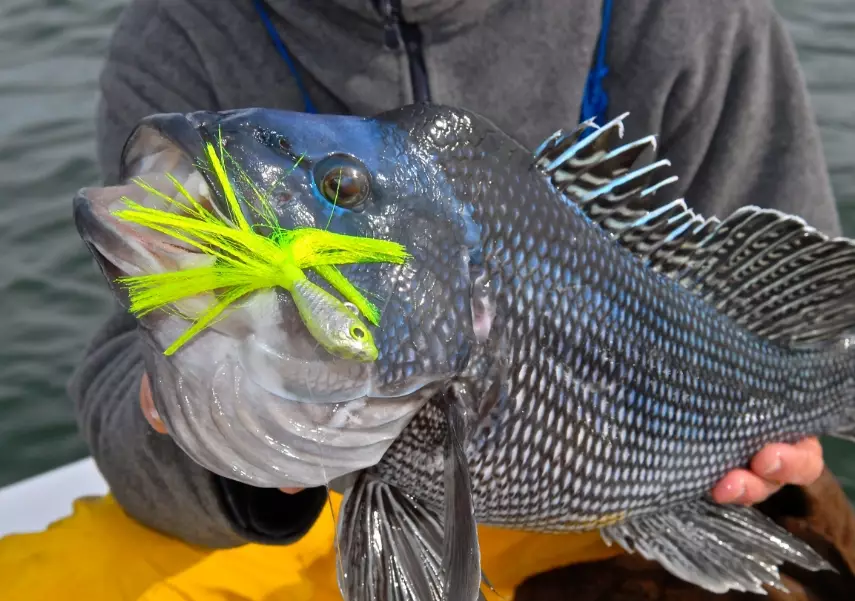
Decoding Size and Bag Limits
This is where eyes glaze over, but it's simple once you break it down.
Bag Limit: The maximum number of a specific fish you can keep per day. It's usually a per-person, per-calendar-day limit. If the limit is 5 Black Sea Bass and you have three people on the boat, you can keep 15 total, assuming each person caught their limit.
Possession Limit: This is the total you can have in your possession at any time, often twice the daily bag limit. It's designed for multi-day trips. You can't catch 10 days' worth and stockpile them at home.
Size Limit: This comes in three flavors:
| Type | What It Means | Example | Why It Exists |
|---|---|---|---|
| Minimum Size | Fish must be at or above this length. | "16-inch minimum" for Fluke. | Protects juveniles, lets them spawn at least once. |
| Maximum Size | Fish must be at or below this length. | "Less than 28 inches" for some Redfish. | Protects large, prolific breeders (mega-spawners). |
| Slot Limit | Fish must be between two lengths. | "18 to 27-inch slot" for Red Drum. | Harvests mid-size fish, protects both juveniles and mega-spawners. |
You must measure immediately upon retention. If it doesn't measure up, release it with minimal harm. A fish that dies after you put it in the cooler still counts as your harvest if it was illegal.
Key Regional Differences (Gulf vs. Atlantic vs. Pacific)
Coasts have different management bodies and fish stocks, so rules vary wildly.
Gulf of Mexico (Gulf States): Heavily managed by the Gulf of Mexico Fishery Management Council. Look for strict Red Snapper seasons (which can be shockingly short for private anglers), Amberjack closures, and complex reef fish regulations requiring venting tools or descending devices for released fish.
Atlantic Coast: Managed by the Atlantic States Marine Fisheries Commission (ASMFC) and the Mid-Atlantic/South Atlantic Councils. You'll see a lot of slot limits (Striped Bass, Red Drum). Summer Flounder (Fluke), Scup, and Black Sea Bass regulations change almost every year and differ by state.
Pacific Coast: Rockfish and Lingcod management is a big deal here. There are strict depth limits to protect certain rockfish species from barotrauma. The regulations for California, Oregon, and Washington are complex and very species-specific. Salmon seasons are highly regulated and can open/close on short notice.
Special Conservation Rules You Might Miss
Beyond size and bag, modern regs include tools to boost survival of released fish.
Circle Hook Mandates
Increasingly common for live or dead bait fishing for species like Striped Bass, Redfish, and reef fish. Circle hooks are designed to hook in the corner of the mouth, not the gut, dramatically increasing survival if you release the fish. Using a J-hook when circle hooks are required is a ticket.
Gear Restrictions
Some areas are "hook and line only"—no spearfishing or gigging. Cast nets may have a maximum radius. The number of hooks per line might be limited (e.g., no more than 3 hooks for trolling).
Closed Seasons and Areas
Certain spawning aggregations are completely off-limits during key months. There are also Marine Protected Areas (MPAs) where all fishing is prohibited. These aren't always marked with buoys. It's on you to know your charts and GPS coordinates.
Descending Device/Venting Tool Requirements
In the Gulf and South Atlantic, if you're fishing deeper than 50 feet for reef fish, you are often required to have a device on board to help released fish suffering from barotrauma (swim bladder expansion) get back down to depth. It's not optional in many places.
Your Saltwater Fishing Regulations Questions, Answered
The bottom line? Respect the rules. They exist because we all want fish to be there tomorrow. A few minutes of homework before you cast that line makes you a better steward of the resource and keeps your wallet intact. Now go check those regs—and have a great, legal, trip.
Reader Comments