You're standing on the bank, rod in hand, watching the water flow by. It's a simple question with a wonderfully complex answer: what kind of fish do you catch in a river? It's not just about listing names. It's about understanding a living, moving ecosystem. A small creek behind your house holds different secrets than a major river like the Mississippi. I've spent decades figuring this out, from tiny brook trout streams to massive smallmouth rivers, and the variety still surprises me.
Let's cut to the chase. You can catch bass, trout, catfish, panfish, pike, walleye, and more. But knowing that is like knowing the alphabet—it doesn't help you write a poem. The real skill is knowing which one is in your river, where it's hiding, and what will make it bite today.
Your River Fishing Roadmap
The Usual Suspects: Common River Fish
Think of a river as a highway with different neighborhoods. Fish pick their spots based on current, food, and cover. Here’s who you’re likely to meet, broken down not just by species, but by the water they call home.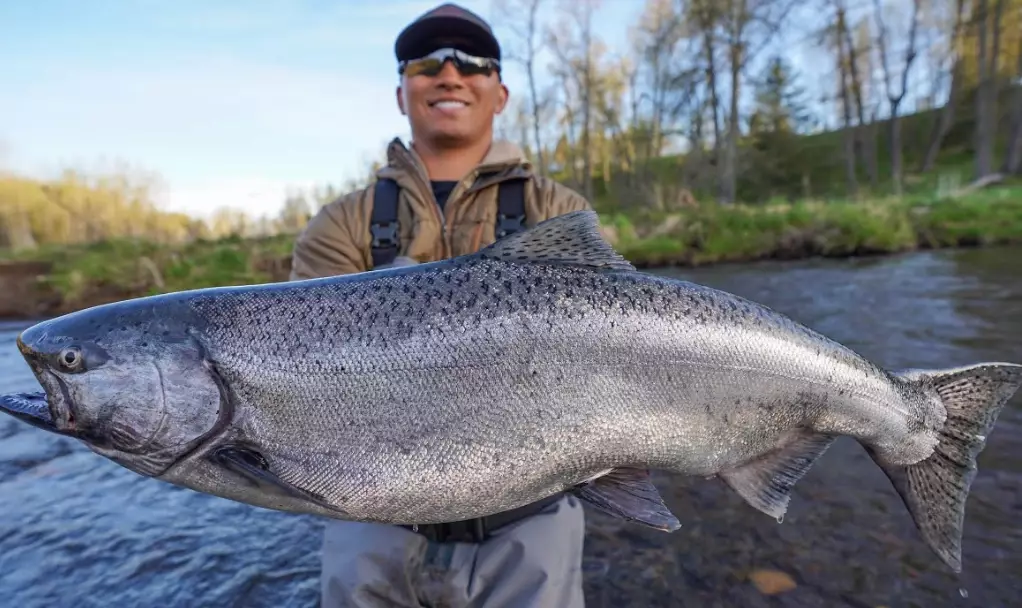
| Fish Species | Preferred River Habitat | Best Baits & Lures | Active Time |
|---|---|---|---|
| Smallmouth Bass | Rocky bottoms, current breaks near boulders, ledges. They love oxygenated water. | Tube jigs, crankbaits, topwater poppers, live crayfish. | Dawn, dusk, and cloudy days. They're sight feeders. |
| Largemouth Bass | Slower backwaters, eddies, thick vegetation, submerged timber. Less current. | Plastic worms, jigs, spinnerbaits, frogs (over weeds). | Low-light periods, often more tolerant of bright sun than smallies. |
| Rainbow & Brown Trout | Cold, clean, highly oxygenated water. Riffles, deep pools, undercut banks. | Inline spinners, small spoons, flies (nymphs, streamers), live worms. | Often most active when water temps are coolest—early morning. |
| Channel Catfish | Deep holes, muddy bottoms, near submerged structure. They avoid heavy current. | Cut bait (shad, sucker), chicken liver, stink baits, nightcrawlers. | Nighttime is prime time. They're olfactory hunters. |
| Bluegill & Sunfish | Shallow, warm coves, around docks, lily pads, and brush piles. | Small worms under a bobber, tiny jigs, crickets. | All day, but peaks in warmer afternoon hours. |
| Northern Pike | Weedy bays, slow-moving side channels, ambush points near drop-offs. | Large spoons, spinnerbaits, jerkbaits, live baitfish. | Short, aggressive bursts throughout the day. |
That table is your cheat sheet. But here's something most articles won't tell you: forget the "best" bait column for a minute. The "Preferred Habitat" column is infinitely more important. If you're not fishing the right spot, the best lure in the world won't help. I've seen guys with $500 worth of gear get outfished by a kid with a worm because the kid was in the right pool.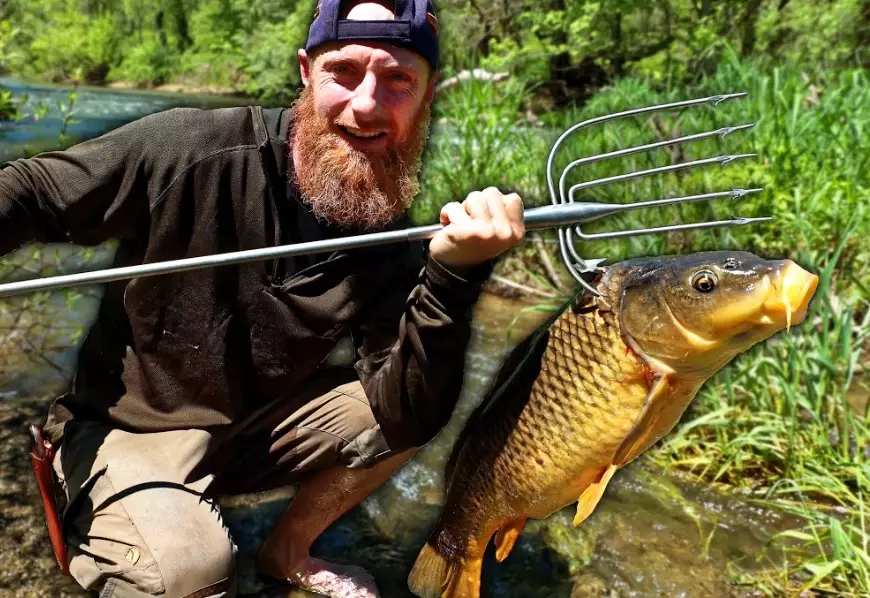
Local Intel is Gold: This list is North America-centric. Rivers in Europe, Asia, or elsewhere have different stars—think barbel, zander, or mahseer. Always check with a local bait shop or your state's fish and wildlife website (like the U.S. Fish and Wildlife Service) for specifics on your area. They publish guides and regulations that are pure gold.
Reading the Water: Where to Find Them
Rivers aren't random. Fish are lazy, in the best way. They want maximum food for minimum effort, staying safe from predators. Look for changes in the uniform flow of current. Any interruption is a potential home.
Prime Real Estate for River Fish
Current Seams: This is the line between fast and slow water. Fish sit in the slow lane and dart into the fast lane to eat. Cast along this line.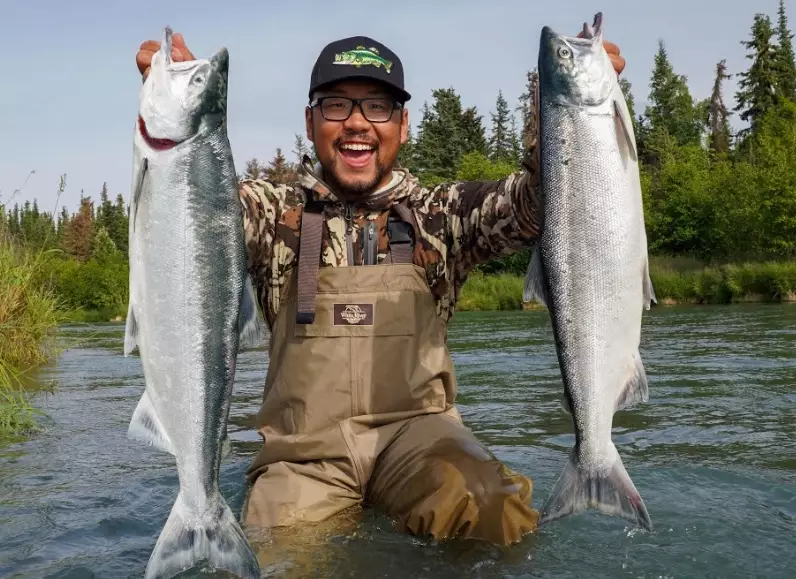
Behind Rocks and Logs: Any object that breaks the current creates a calm pocket downstream. This is a classic holding spot for trout and smallmouth.
Undercut Banks: Where the current has eroded the bank underwater. It's a roof over their heads. Cast tight to the bank. I've pulled monster smallmouth from spots that looked like nothing.
Deep Pools at the End of Riffles: Fast, shallow water (a riffle) churns up food and dumps it into a deeper pool. Fish line up at the buffet table at the head of the pool.
Eddies: Swirling water behind a large obstacle or on the inside of a bend. The water moves backwards. It collects food and is a major hangout for all sorts of fish, especially lounging catfish or waiting pike.
My biggest early mistake? Walking too fast. I'd blast down the riverbank, making dozens of casts. Now I might spend an hour working one good eddy or undercut bank from every angle. Slow down. The fish live there; you're just visiting.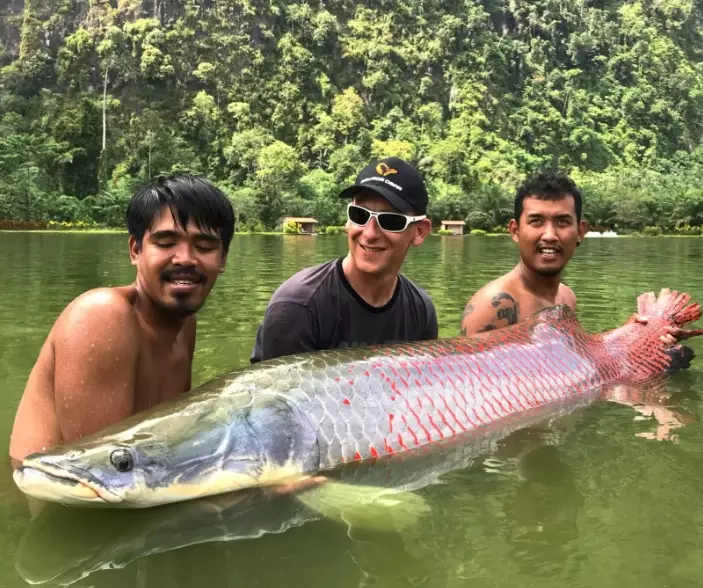
Gear That Actually Works on Rivers
You don't need much. River fishing rewards simplicity and adaptability. A common mistake is bringing a lake arsenal to a river fight.
Rod & Reel: A 6.5 to 7 foot medium-power spinning rod is the Swiss Army knife. It can handle a variety of lures and fish. Baitcasting gear is great for bass but can be tricky in current with lighter lures.
Line: Use braided line (10-20 lb test) with a fluorocarbon leader. The braid has no stretch, so you feel every tap in the current. The fluoro leader is nearly invisible underwater. This combo changed my river fishing.
Terminal Tackle Must-Haves:
- Bullet Weights & Split Shot: To get your bait down in the current.
- Circle Hooks: For live or cut bait. They hook the fish in the corner of the mouth, which is better for the fish if you're practicing catch and release.
- Barrel Swivels: To prevent line twist when using inline spinners or in heavy current.
The Lure Shortlist: Don't get overwhelmed. Start with these:
- Inline Spinners (Mepps, Rooster Tail): Catch everything from trout to bass. The vibration attracts fish in murky water.
- Soft Plastic Jerkbaits on a Jig Head: Mimics a wounded minnow. Deadly for bass and pike.
- A Simple Crankbait: One that dives to bump along the bottom. It triggers reaction strikes.
What I Wish I Knew Sooner: A Few Hard Lessons
After 10,000 casts, you learn a few things the hard way.
1. Color Matters Less Than You Think. In most river water, which has some tint, focus on silhouette and action. A black or blue lure creates a strong contrast. I spend more time choosing the right weight to keep my lure in the strike zone than the right color.
2. "Matching the Hatch" is Overrated for Casual Anglers. Sure, if you see fish sipping mayflies off the surface, try a fly. But 80% of the time, a generic minnow or crayfish imitation works because fish are opportunistic. A 5-inch smallmouth will eat a 3-inch minnow. Don't stress about perfect imitation.
3. Wind is Your Friend on a River. It breaks up the surface, makes fish less wary, and pushes baitfish. A windy bank is often a more productive bank.
4. The Best Time is When You Can Go. Yes, dawn and dusk are prime. But I've had incredible midday action in a deep, shaded pool. Don't write off a fishing trip because it's noon. Adjust your tactics—fish deeper, slower, or in heavy cover.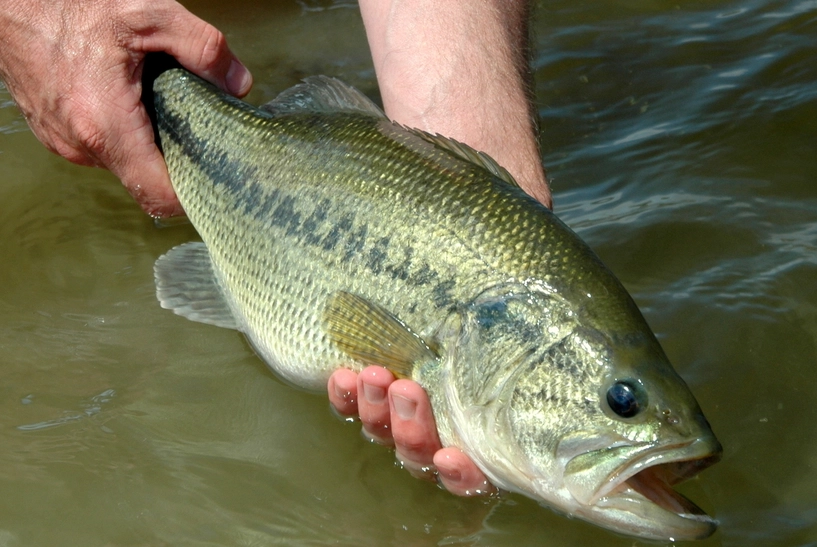
Your River Fishing Questions
So, what kind of fish do you catch in a river? You catch the fish that are home. Your job is to learn the neighborhood. Start with the table, learn to read the water, keep your gear simple, and don't be afraid to just watch the river for a while. The clues are all there in the flow. Now go get your line wet.
Reader Comments