You’re wrestling a feisty channel cat, finally get a grip, and then—a sharp, burning pain shoots through your hand. That’s the catfish sting, a rude awakening for many anglers. The immediate thought is, "I need gloves." But here’s the raw truth I’ve learned after years on the water: most gloves anglers already own are useless against a determined catfish spine. The right glove can be a shield, but the wrong one is just a false sense of security that might get you hurt worse.
What’s Inside This Guide
The Short Answer: It Depends on the Glove
Yes, certain types of gloves can prevent catfish stings. No, your standard cotton fishing glove or thin neoprene glove won’t. Prevention hinges entirely on the material’s ability to resist a sharp, serrated puncture. Think of it like armor. You wouldn’t wear a leather jerkin against a broadsword. Similarly, you need specific "armor" for a catfish’s dorsal and pectoral spines, which are like hypodermic needles with backward-facing barbs designed to lodge in and deliver venom.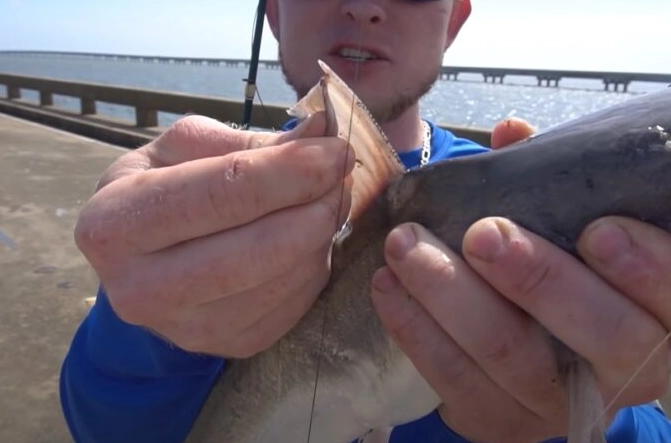
I’ve seen guys wear heavy winter gloves in July, sweating bullets, thinking they’re safe. They’re not. The material is what matters, not just the thickness.
Understanding the Catfish Sting: Why It Hurts
It’s not a bite. It’s a defensive sting from sharp, bony spines. When pressured, the catfish locks these spines outward. The real injury comes from two things:
- Mechanical Puncture: The spine pierces skin, often deeply. The barbs make removal painful and can tear tissue.
- Venom: A mild toxin in the sheath around the spine enters the wound, causing intense, throbbing pain, swelling, and sometimes redness. It’s rarely medically serious but hurts like hell. According to a clinical review in Wilderness & Environmental Medicine, the venom contains inflammatory agents that cause the localized reaction.
The goal of a glove is to stop the puncture. If the spine doesn’t break skin, the venom can’t enter.
Glove Materials Put to the Test
Let’s get concrete. I’ve poked, prodded, and (accidentally) tested more materials than I care to admit. Here’s how common glove fabrics stack up against a fresh channel cat spine.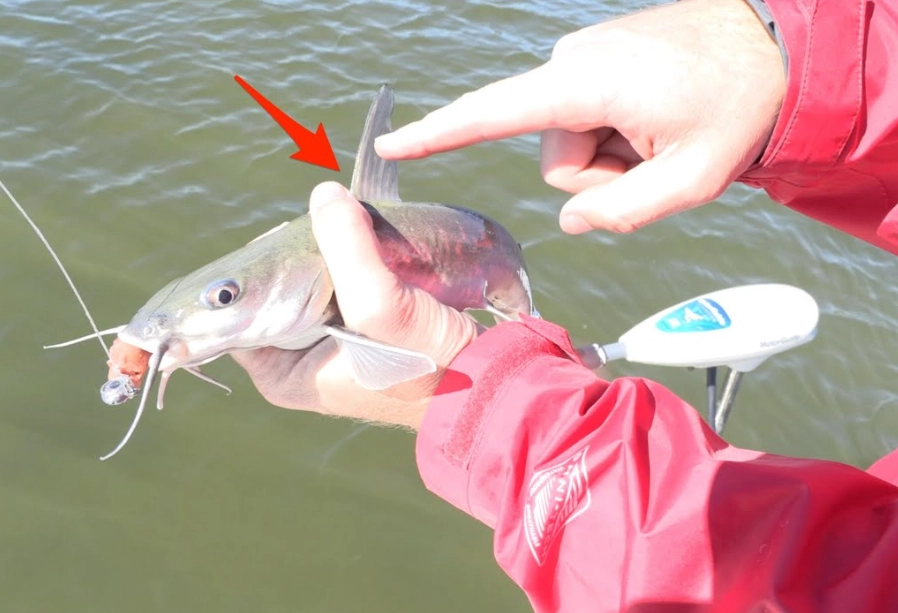
Leather Work Gloves
The classic choice. A thick, stiff leather palm can often stop a glancing poke. But if the fish thrashes and the spine hits at a direct 90-degree angle with force, I’ve seen it punch through. Goat skin or deerskin is tougher than cowhide. The bigger issue? They get soggy, stiff, and lose dexterity.
Cut-Resistant Synthetic Gloves (Kevlar, Spectra, HPPE)
This is where it gets interesting. These gloves, designed for filleting or industrial work, are woven with high-performance fibers. They’re excellent at resisting slicing motions from a knife. Against a concentrated puncture from a catfish spine? They’re better than nothing, but not impregnable. The spine can sometimes push through the weave unless it’s a very high-grade, padded model.
Puncture-Resistant Gloves (Mechanics' Gloves)
Some gloves have a layer of thermoplastic rubber (TPR) or nitrile rubber on the palms and fingers. These are your best bet. The rubber is designed to resist punctures from sharp metal shards. A catfish spine has a hard time getting through this dense, flexible barrier. Brands like Mechanix Wear or similar styles are what many professional catfish guides use.
Neoprene or Cotton Gloves
Almost worthless for protection. They’re for grip or warmth. A spine goes through them like tissue paper. I tell beginners: wearing these might actually be more dangerous because you think you’re protected and handle the fish more recklessly.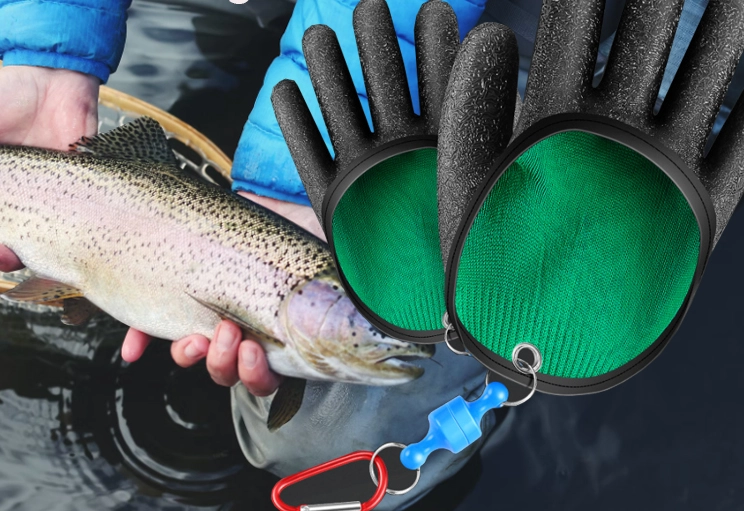
Key Takeaway
Look for the words "puncture-resistant" over "cut-resistant." Puncture resistance is the specific property you need. A sharp, pointed object (spine) versus a slicing edge (fillet knife) requires different armor.
The Best Glove for Catfish: A Material Showdown
Forget brand loyalty for a second. Your decision should be based on material and construction. Here’s a breakdown to help you choose.
| Glove Material/Type | Sting Protection Level | Flexibility & Grip | Durability & Downside | Best For... |
|---|---|---|---|---|
| Heavy Leather (Cowhide) | Good (when dry and thick) | Poor when wet; stiff | Lasts years but gets heavy and smelly | Bank fishing where you can keep hands dry; handling big flatheads. |
| Puncture-Resistant Synthetic (TPR/Nitrile Coated) | Very Good to Excellent | Excellent; maintains dexterity | Coating can wear over time; may not be fully waterproof | All-around best choice for most anglers; noodling (in specific models). |
| High-Grade Cut Resistant (Kevlar blend, padded) | Good | Very Good; often designed for fine work | Can be expensive; may snag on rough fish skin | Anglers who also fillet fish; prefer a lighter, more technical feel. |
| Neoprene or Cotton | Very Poor | Good (for grip only) | Inexpensive but offers no real protection | Sun protection or keeping hands clean; NOT for sting prevention. |
My personal go-to is a snug-fitting, puncture-resistant mechanic's style glove. The kind you’d find at an auto parts store. The rubberized coating stops spines, and I can still feel enough to unhook a fish or tie a knot without taking them off.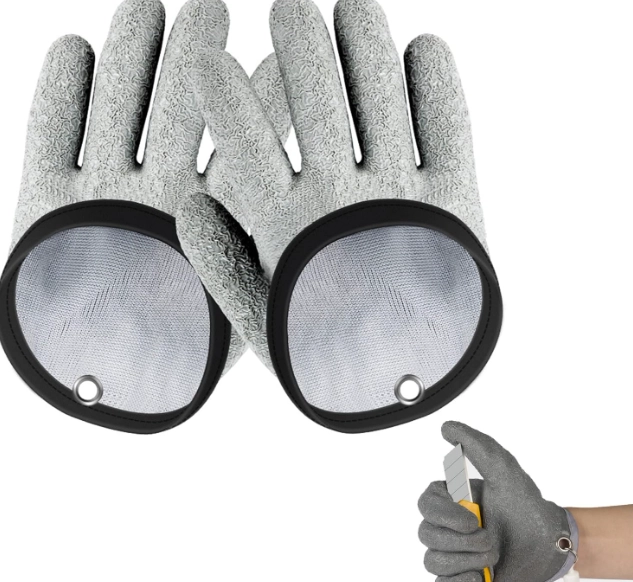
Beyond Gloves: The Complete Safe Handling Protocol
Gloves are one tool, not the entire solution. Relying solely on them is a mistake. Here’s the full system I use and teach:
- Control the Head First: Before you even think about your hands, control the fish. For smaller cats, slide your hand behind the pectoral fins, pinning them to the body. Your thumb and forefinger should be in front of the spiny pectoral fins, not behind them. For larger fish, use a lip grip tool.
- Apply Pressure, Don’t Squeeze: Once controlled, apply firm, steady pressure to the fish’s body to subdue it. A frantic fish is a dangerous fish. Avoid the instinct to squeeze the life out of it—that just makes it fight harder.
- Mind the Dorsal Fin: That spiny sail on its back is a hazard. Always be aware of its location. When holding, keep that area pointed away from your body and arms.
- Use a Jaw Spreader or Pliers: For deep-hooked fish, use long-nose pliers or a jaw spreader. Your gloved fingers are still vulnerable inside a catfish’s mouth, which has abrasive pads that can wear down glove material.
Common Myths and Expert Tips
Myth: "Catfish slime or venom can soak through gloves and sting you." Reality: The venom is only injected via puncture. If the spine doesn’t break your skin, you’re safe. The slime is harmless, just messy.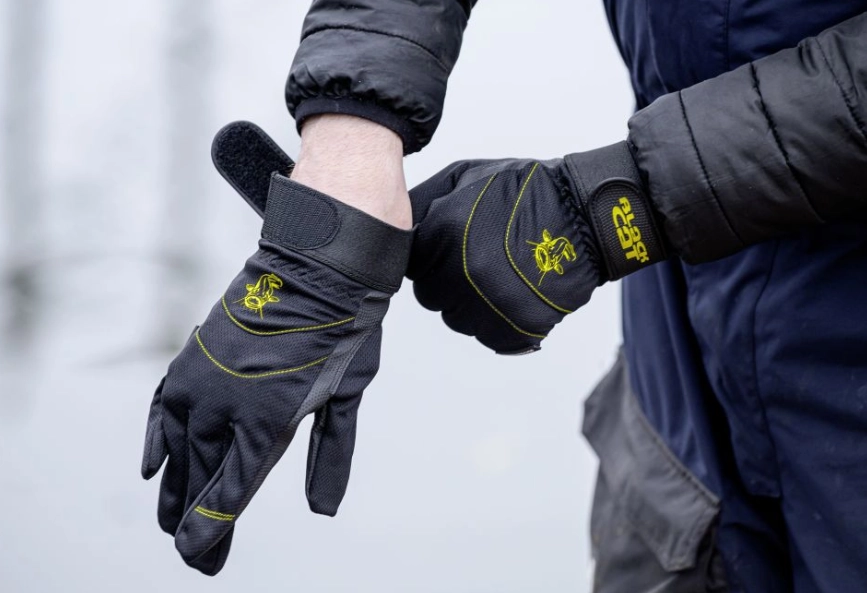
Myth: "Bigger gloves are safer." Reality: A loose glove is a liability. It can catch on the spine, giving it leverage to push into your hand, or get snagged, causing you to lose control of the fish. Snug fit is critical.
Pro Tip: Keep a pair of needle-nose pliers and a pair of hemostats on your person. Use the pliers for big hooks and the hemostats for small trebles. The less your hand is in the strike zone, the better.
Pro Tip: Wet your gloves before handling. A dry glove can sometimes grip the fish’s skin too well, making it harder for the fish to slide slightly in your grip, which increases the chance of a spine lining up perfectly for a poke.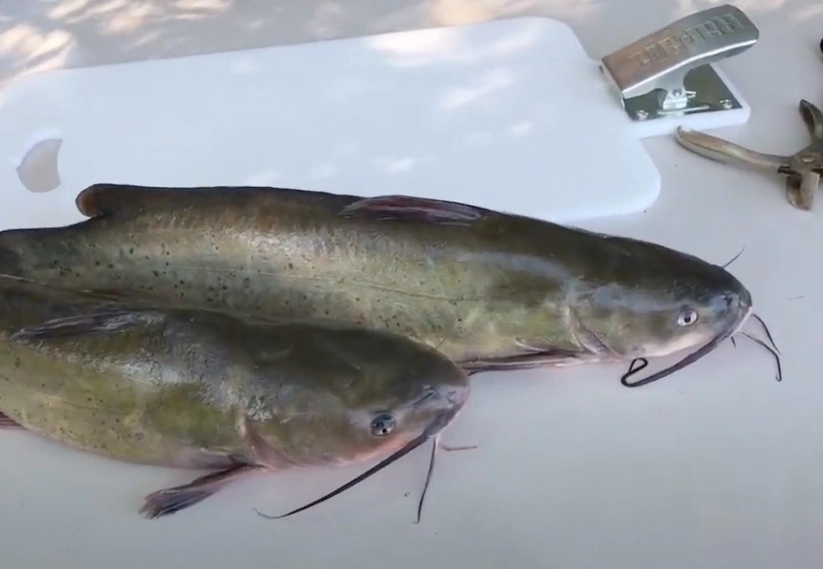
Your Catfish Sting Questions, Answered
The final word? A good pair of puncture-resistant gloves is a smart, almost essential part of a catfish angler’s kit. But they’re not a magic force field. Combine them with proper handling technique—controlling the head, applying calm pressure, and using the right tools. That’s how you land fish consistently and walk away with stories about the one that didn’t get away, not about the sting you got trying to hold it.
Reader Comments