You love fishing. You spend weekends on the water, you know your local spots, and you've caught your share of good fish. The idea of testing those skills against others, maybe even winning a prize, has crossed your mind. That's the tournament itch. But the jump from recreational angler to competitor feels huge. Where do you even begin? I felt the same way over a decade ago. This guide cuts through the confusion and gives you the exact roadmap I wish I'd had, from finding that first local event to understanding the unspoken rules that separate newcomers from contenders.
What You'll Learn
Finding Your First Local Tournament
Don't start by dreaming of the Bassmaster Classic. Start hyper-local. Big national trails are for later. Your goal is to find a low-pressure, accessible event where you can learn.
Local Fishing Clubs are the absolute best entry point. Clubs like those affiliated with Bass Anglers Sportsman Society (B.A.S.S.) or Major League Fishing (MLF) chapters run regular, member-friendly tournaments. Dues are low, the atmosphere is more supportive, and veterans are often happy to guide a rookie. Search "[Your City] bass club" or check the B.A.S.S. Nation website for chapters.
Marina and Bait Shop Bulletins are goldmines. Walk into any busy marina or tackle shop. The physical corkboard or window flyer will have posters for local "open" tournaments, buddy tournaments, or charity events. These are perfect first steps.
Online Tournament Platforms have exploded. Apps and sites like Fishing Chaos or local Facebook groups host "virtual" tournaments where you fish from any approved public water, submit photos via the app, and compete on a leaderboard. It's a fantastic, low-cost way to get the competitive feel without the intensity of a live weigh-in.
My First Tournament Mistake: I signed up for a large, open "pro-am" style event as my first ever. I was overwhelmed, broke a rule I didn't understand (about boat positioning during takeoff), and got a stern warning. It was a stressful and expensive lesson. A small club event would have been a gentler, cheaper teacher.
Tournament Gear: What You Really Need to Start
You don't need a $80,000 bass boat and 30 rods. You need reliable, functional gear that meets tournament requirements. Let's separate the must-haves from the nice-to-haves.
| Category | Essential Starter Gear | Why It's Critical & Notes |
|---|---|---|
| Boat & Motor | A reliable boat with a working livewell system. | The livewell is non-negotiable for keeping fish alive. It must aerate and circulate water. Many tournaments disqualify dead fish. Your motor just needs to get you safely to spots and back. |
| Safety Equipment | PFDs for all, throwable cushion, fire extinguisher, working navigation lights, sound-producing device. | Mandatory by law and always checked at registration. Failure here means you don't launch. |
| Fishing Rods & Reels | 3-4 versatile combos: a Medium-Heavy baitcaster, a Medium spinning rod, a Heavy flipping/pitching rod. | Cover shallow, deep, finesse, and power techniques. Quality matters more than quantity. A $150 combo you trust beats five cheap rods. |
| Electronics | A basic fishfinder/GPS combo at the console. | Navigation and finding depth/structure are key. Side/down imaging is a luxury for year two. |
| Tackle | Plastic worms (5-7"), jigs (3/8 oz), crankbaits (medium-diving), topwater (popper/walker), terminal tackle. | Build a concise, effective selection. Don't bring your entire garage. Focus on lures for the expected seasonal patterns. |
The biggest gear mistake beginners make is over-packing. You'll fish 2-3 lures effectively all day. A cluttered boat slows you down. Organize your must-have plastics and hard baits in a single, easy-access tackle bag.
The Non-Negotiable Rules You Must Know
Tournament rules are a binding contract. Ignorance is not an excuse. Here are the big ones that trip people up.
Pre-Tournament Practice (The Off-Limits Period)
Most tournaments have an "off-limits" period, usually 1-3 days before the event, where you cannot be on the tournament waters. This is strictly enforced. Fishing during off-limits is immediate disqualification. Mark your calendar.
Weigh-In and Fish Care
This is the heart of ethical competition. You are responsible for the health of your catch. Use quality livewell additives, monitor water temperature, and run your aerator. At weigh-in, handle fish gently, support them horizontally, and get them back to the water quickly. Tournaments run by organizations like MLF have made catch, weigh, immediate release the standard, and it's a practice all anglers should prioritize.
Sportsmanship and On-Water Etiquette
The rulebook says "no fishing within 50 yards of another competitor's boat." The unwritten rule is: don't be a jerk. If someone is actively fishing a spot, give them a wide berth. Don't motor through areas people are fishing. This isn't just politeness; it's about respect for the resource and your fellow anglers. Burn a bridge early, and word gets around.
Your Game Plan for Tournament Day
The morning of your first event is chaotic. A plan brings calm.
Pre-Launch (5:00 AM - 6:30 AM): Arrive early. Park, rig your rods the night before. Attend the mandatory pre-tournament meeting. This is where they announce any last-minute rule changes, blast-off order, and check safety gear. Listen intently.
The First Hour (The "Go-To" Spot): Have one, maybe two, primary spots you scouted in practice. Start there. Confidence is key. Don't abandon it after three casts because you're nervous. Fish it thoroughly.
Mid-Day Adaptation (The Grind): If your primary spot doesn't produce, execute a backup plan. This is where your 3-4 rods come in. Systematically work through different depths and presentations. Are fish shallow? Switch to the spinning rod with a wacky worm. Windy point? Throw the crankbait.
The Final Hour (The Scramble or Sit): You have one keeper fish. Do you run to a known spot for an upgrade, or stay put and protect what you have? As a beginner, protecting your catch is usually smarter. One fish beats a zero, and a zero is what you get if you break down or run out of time.
The Mental Game and Next Steps
Your goal in the first tournament is not to win. Your goal is to not zero (catch at least one fish), not break any rules, and learn everything you can.
Talk to people at the weigh-in. Ask the anglers who caught fish what they saw, what they used. Most are happy to share general insights. Pay attention to how they handle their fish at the scale.
If you have a bad day—and you will—analyze why without making excuses. Was it location? Presentation? Time management? That analysis is how you improve.
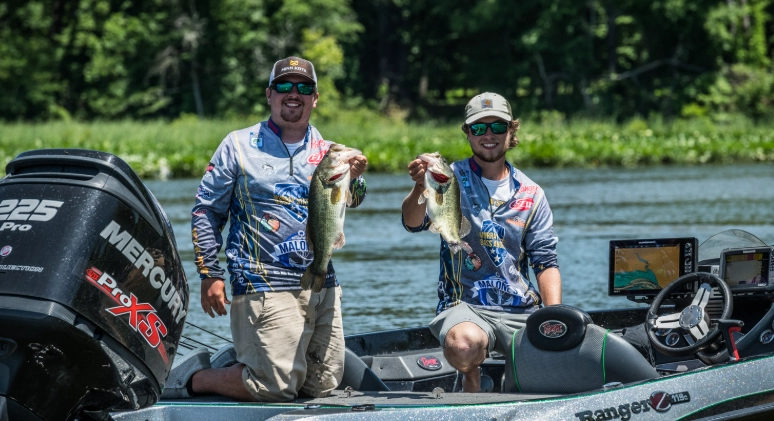
Consider fishing with a partner or as a non-boater ("co-angler") in a team or pro-am format. You split costs and learn directly from someone else's decisions.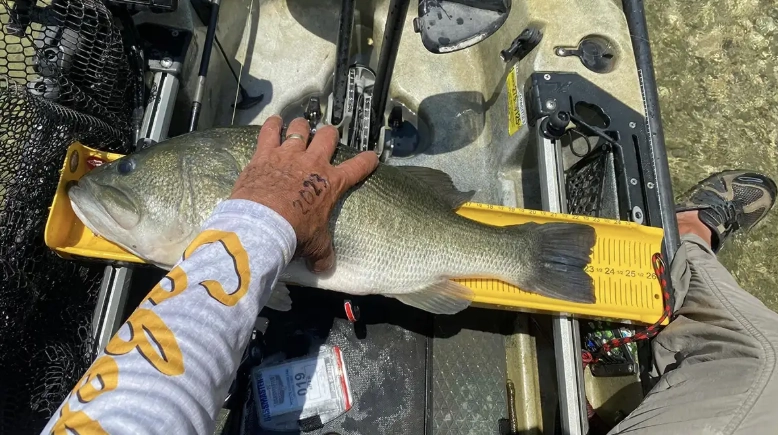
Answering Your Tournament Questions
 How do I find a tournament partner if I don't know anyone?
Reader Comments