Let's be honest. The image of a serene angler waiting patiently for a bite is a bit of a lie if you're sitting on an old cooler or a wobbly camp stool. Your back hurts, your gear is scattered, and you're constantly fumbling with your rod. A dedicated fishing chair with a built-in rod holder isn't just a luxury; it's a fundamental game-changer for comfort, organization, and success on the bank or pier. I've spent more hours in these chairs than I care to admit, and the difference between a good day and a great day often comes down to this one piece of gear.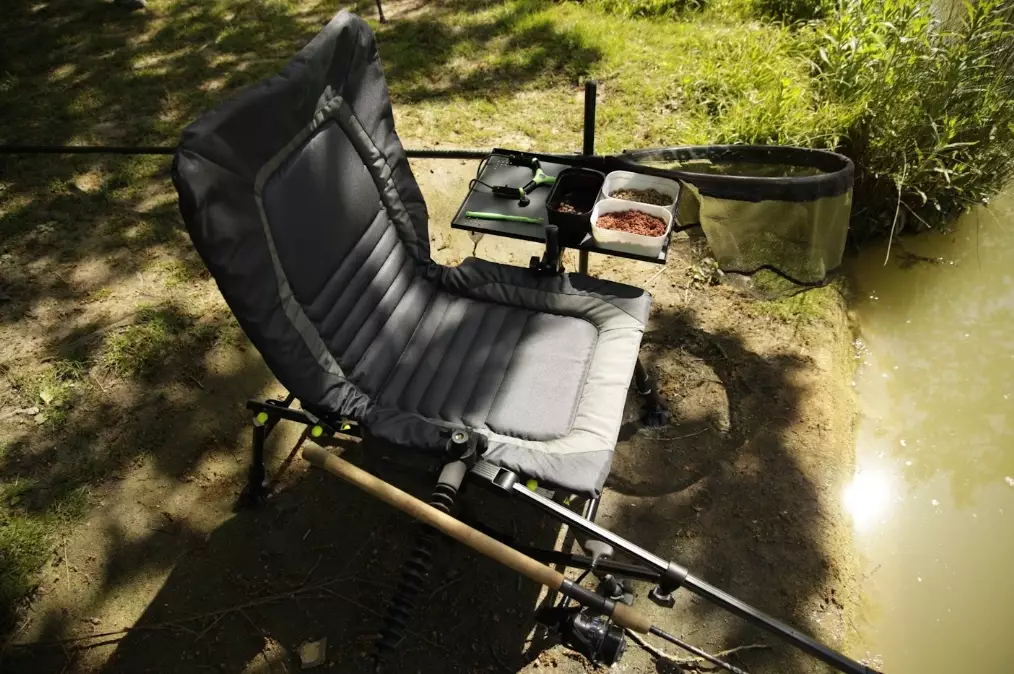
What You'll Learn
Why a Dedicated Fishing Chair with a Rod Holder Isn't Just a Seat
Think of it as your command center. A standard chair leaves you holding your rod or laying it on the ground, risking tangles, dirt, and missed bites. The integrated rod holder solves that instantly. But the benefits run deeper.
First, it's about ergonomics. A good fishing chair is designed for sitting for hours. The back support is higher and more contoured than a beach chair. I've seen too many anglers buy a cheap stadium seat and wonder why their lower back is screaming after two hours. The seat height is also crucial—too low and you struggle to stand up; too high and your feet dangle. The sweet spot keeps your knees at a right angle when your feet are flat.
Second, it's about efficiency and access. With your rod securely parked in the holder, both hands are free to tie a new rig, grab a drink, or check your phone without worrying about your rod sliding into the water. This seems minor until you're juggling a sandwich and a rod that's about to tip over.
Finally, it's about organization and storage. Many models come with side pockets, tackle trays, or drink holders. This keeps your pliers, line cutters, and soft plastics within arm's reach, not buried in a bag behind you. It turns a cluttered patch of bank into an efficient fishing station.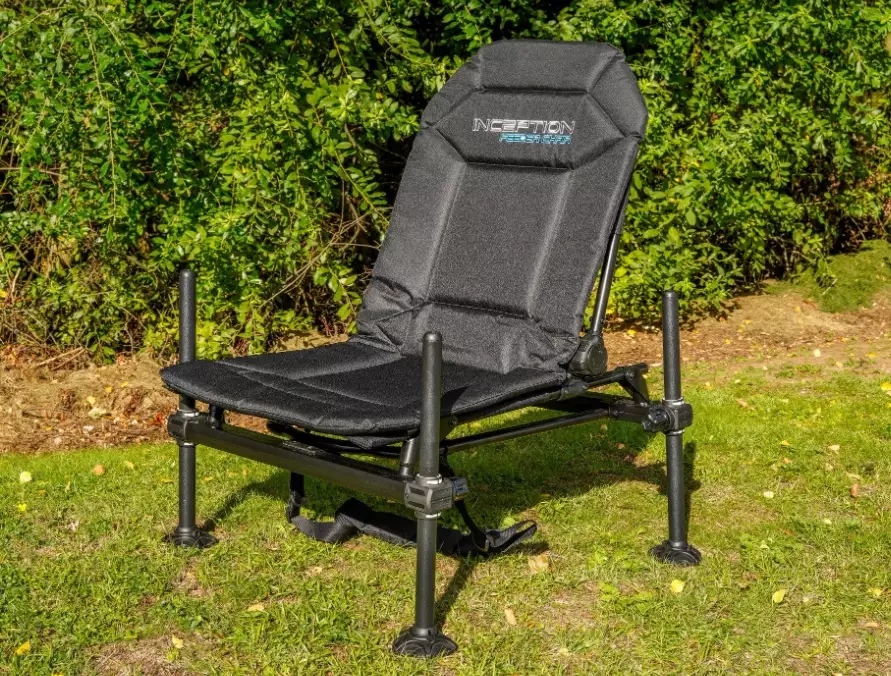
How to Choose Your Perfect Fishing Chair: A Feature-by-Feature Breakdown
Not all fishing chairs are created equal. Walking into a store can be overwhelming. Let's break down what you're really looking at, based on where and how you fish.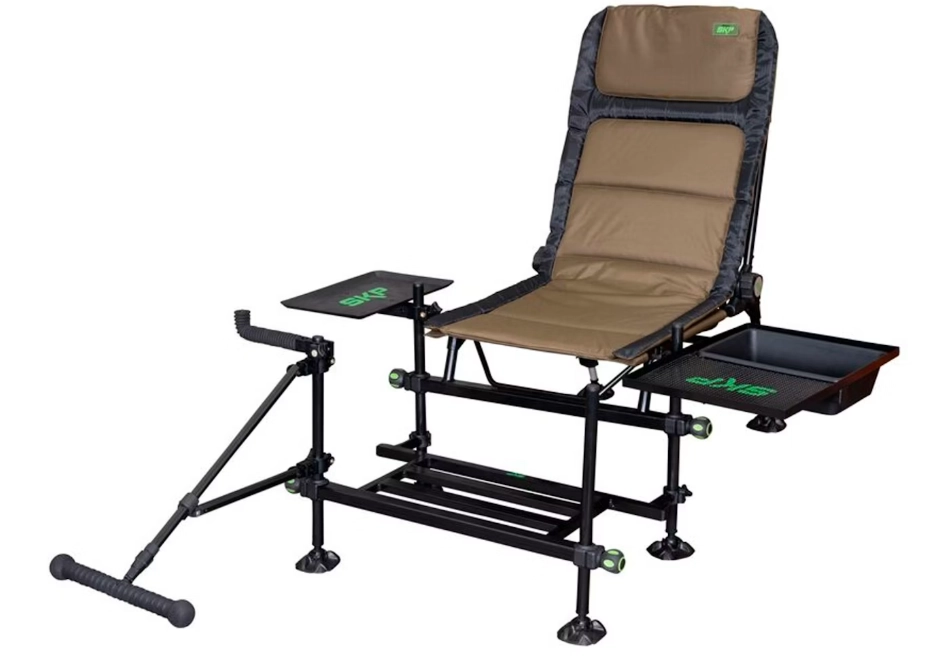
Material and Weight Capacity: The Foundation
The frame is usually steel or aluminum. Steel is heavier but often more affordable and robust. Aluminum is lighter for carrying longer distances but can be pricier. Check the weight capacity religiously. A 250-lb capacity might be fine, but if you're a bigger angler or plan to keep a heavy cooler bag on the chair, aim for 300 lbs or more. I made the mistake of ignoring this once, and the chair slowly sagged over a season until a weld popped. Not a fun discovery mid-cast.
The Rod Holder Itself: More Than a Hole
This is the star feature. Look at its placement and adjustability.
Fixed vs. Adjustable: A fixed holder is simple but limits your rod angle. An adjustable or swiveling holder lets you position the rod for different fishing styles—straight out for bottom fishing, or at an angle for watching the tip. Some even have multiple holders for rigging up a second rod.
Material: Is it hard plastic or rubber-coated? Rubber is gentler on your rod's finish. Does it have a locking mechanism or a deep cradle to prevent the rod from bouncing out if a big fish hits?
My personal quirk? I avoid holders that are mounted directly in front of my seat. It forces me to sit with my legs awkwardly apart. Side-mounted or rear-mounted holders feel more natural.
Comfort and Portability Features
This is where you separate the good from the great.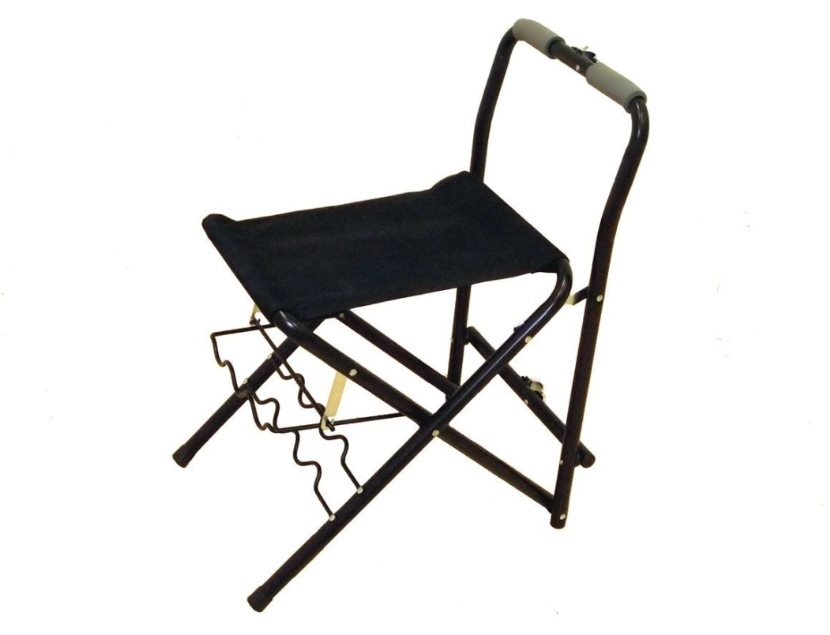
Seat Padding: Thick, quick-dry foam is better than thin fabric that bottoms out. Mesh panels can improve breathability on hot days.
Backrest Height: Do you want lower back support or full back and head support? For all-day sessions, taller is better.
Armrests: A godsend for comfort, but they add bulk. Some fold up or are removable.
Leg Style & Feet: Straight legs are stable on flat ground. Splayed legs offer more stability on uneven terrain. Look at the feet—wide plastic feet prevent sinking into soft ground or mud, a must for bank fishing.
Portability: Does it fold flat? Does it have a shoulder strap? Weight matters if you hike to your spot. A 15-pound chair feels fine in the parking lot but feels like 50 after a half-mile trail.
| Feature | What to Look For | Why It Matters |
|---|---|---|
| Frame Material | Steel (durable, heavier), Aluminum (light, pricier) | Determines chair weight and longevity. Aluminum is best for long walks. |
| Weight Capacity | Minimum 250 lbs, 300+ lbs for heavier loads/anglers | Safety and durability. Exceeding capacity leads to failure. |
| Rod Holder Type | Adjustable/swivel, rubber-coated, secure lock | Protects rod finish, allows optimal positioning, prevents rod loss. |
| Seat & Back | Thick padding, breathable fabric, high backrest | Prevents fatigue and discomfort during long sessions. |
| Stability Features | Splayed legs, wide non-sink feet | Keeps you secure on uneven, soft, or rocky banks. |
| Storage & Extras | Side pockets, tackle tray, drink holder, umbrella socket | Keeps essentials organized and within reach, adding convenience. |
Beyond the Chair: How to Maximize Your Fishing Setup
Buying the chair is step one. Using it right is step two. Here’s how I set up for a full day of bank fishing.
Positioning is Everything: Don't just plop the chair down. Face it so the sun and wind are at your back or side, not in your face. This makes seeing your line easier and is more comfortable. Ensure the ground under the feet is as level as possible. On a slope, dig the uphill feet in slightly.
Gear Organization Flow: Use the side pocket for your immediate tools—forceps, clippers, scale. If there's a second pocket, that's for your phone, keys, and wallet. I keep my tackle box or bag on my dominant side, open, so I can swap lures without turning around. The rod holder goes on my non-dominant side, so when I get a bite, I can grab the rod with my strong hand.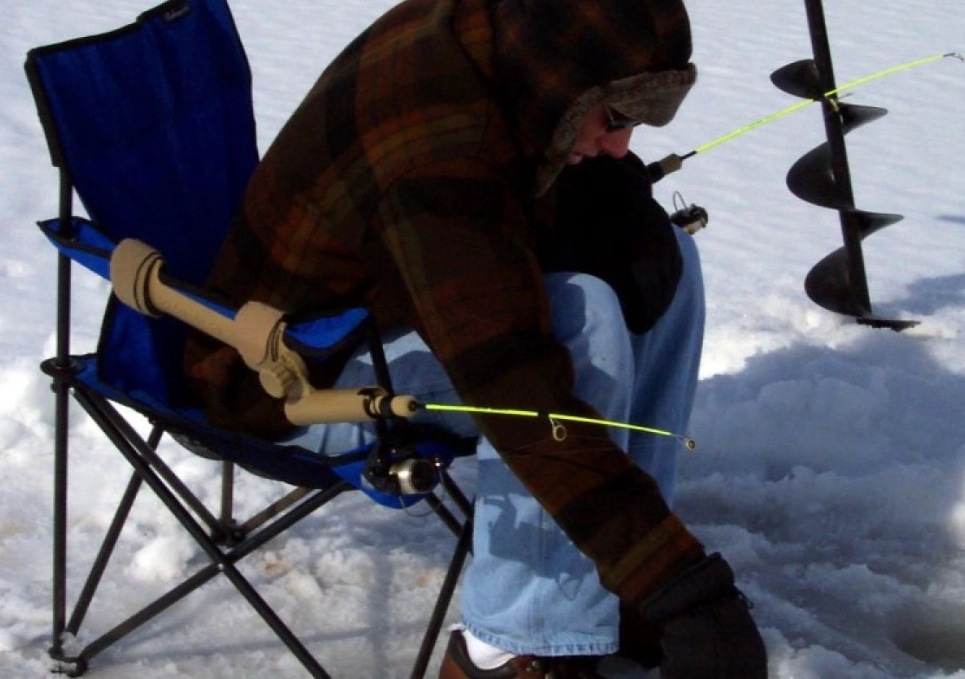
Pro Tip Most Miss: Before you sit down for the day, attach a rod leash (a simple coiled cord with clips) from your rod to the chair frame. It's a $10 insurance policy. If a huge fish strikes and yanks the rod from the holder, or if you knock it over, the leash stops it from disappearing into the water. I learned this after watching a $200 combo slowly sink in a lake because of a careless bump.
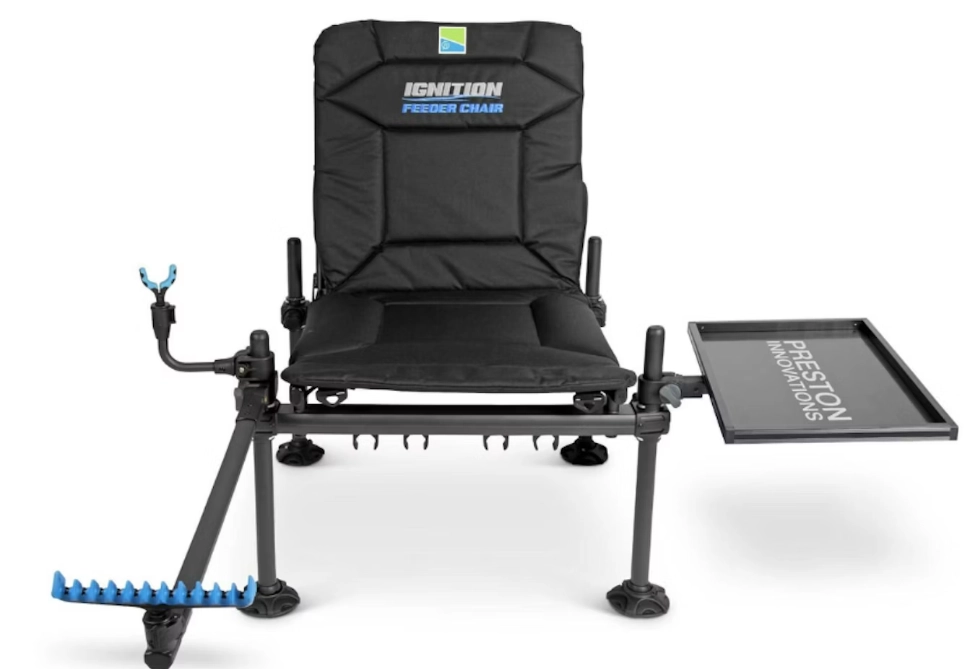
Accessorize Smartly: Many chairs have a hole for a fishing umbrella. This is a game-changer in rain or blistering sun. Consider a small, lightweight side table if your chair lacks flat armrests for placing a drink or bait container. Don't overload the chair with gear—it can make it tippy.
I have a buddy who uses his for ice fishing too. He just screws a set of ski-shaped feet onto the legs to prevent sinking into the snow. It’s that versatility that makes the investment pay off year-round.
Your Fishing Chair Questions, Answered
Are these chairs stable enough for rocky or uneven riverbanks?
Stability depends entirely on the leg design. Chairs with widely splayed, adjustable legs are your best bet. Look for models specifically marketed for "bank fishing" or "all-terrain." Avoid chairs with straight, vertical legs on uneven ground—they'll wobble. Test it in the store by pushing on it from different angles. If it rocks easily on a flat floor, it'll be worse outside.
Can I use a fishing chair from a big-box store, or do I need a specialty brand?
You can start with a store brand, and many are decent for casual use. However, the difference in durability and thoughtful design becomes apparent with heavy use. Specialty brands like ALPS, GCI Outdoor, or Browning often use better fabrics, stronger welds, and more practical rod holder designs. It's the difference between a tool and a piece of furniture. If you fish twice a month, a store brand might suffice. If you're a weekend warrior, invest in the specialty gear—it lasts years longer.
 How do I prevent the rod holder from scratching or damaging my fishing rods?
First, choose a chair with a rubber-coated or soft plastic holder. If your holder is hard plastic, you can easily line it with a strip of adhesive-backed felt or a section of old bicycle inner tube. The bigger issue is grit. Sand and dirt get in the holder and act like sandpaper. Get in the habit of wiping out the holder with your hand before inserting your rod. A quick pass takes two seconds and saves your rod's finish.
What's the main maintenance tip most people ignore?
Letting it dry. After a trip, especially near saltwater, always unfold the chair and let it air dry completely before storing it in a shed or bag. Trapped moisture is the number one cause of mold on the fabric and rust on the frame and hardware of the rod holder. A damp chair stored in a bag over the winter will come out ruined. Just open it up in the garage for a day.
The right fishing chair with a rod holder stops being a piece of gear you think about. It becomes an invisible part of the experience, letting you focus on the water, the cast, and the catch. It solves the minor irritations that add up to a frustrating day. Your back feels better, your gear is organized, and you're ready when the fish bite. That’s not an accessory—that’s a fundamental upgrade to your time on the water.
Reader Comments