Let's cut to the chase. The "best" all-around fishing rig isn't a single, magical piece of terminal tackle. It's a complete, balanced system—rod, reel, line, and terminal tackle—that you can confidently take to a farm pond, a river, a lake, or even inshore saltwater and have a legitimate shot at catching fish. After two decades of guiding and fishing everything from trout streams to offshore reefs, I've settled on a setup that I grab 90% of the time when I'm not sure what I'll encounter. It's not fancy, but it works. It's the fishing equivalent of a reliable pair of jeans.
Quick Navigation
What Makes a Rig ‘All-Around’?
An all-around rig needs to check four boxes. Miss one, and you're carrying a specialized tool for a general job.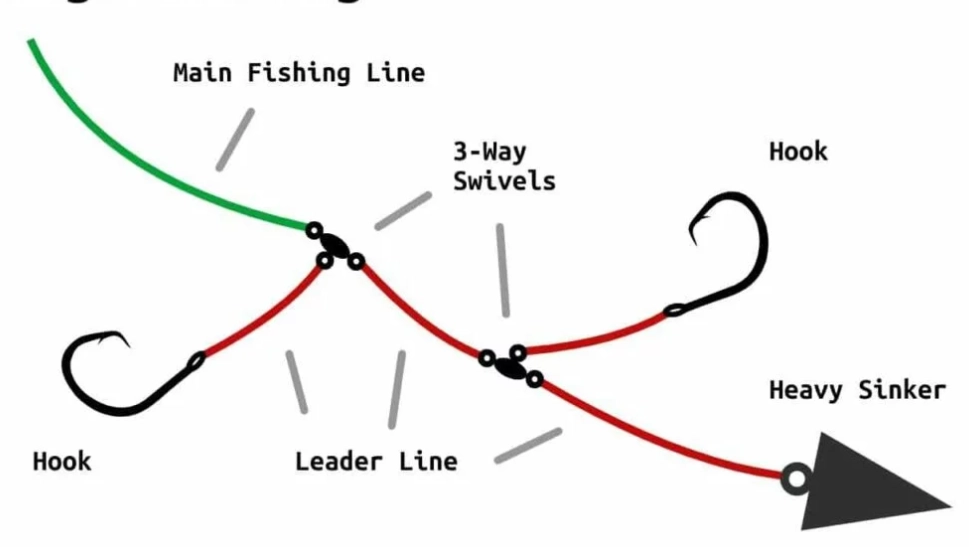
Versatility: It must handle different lure weights and fishing techniques. You should be able to throw a lightweight wacky rig one minute and a slightly heavier spinnerbait the next.
Durability: It can't be a delicate fairy wand. It needs backbone to pull fish out of cover and withstand the occasional knock against a rock or boat gunnel.
Ease of Use: For beginners, it shouldn't have a steep learning curve. For experts, it shouldn't get in the way. A medium-action rod and a smooth reel are key here.
Cost-Effectiveness: You shouldn't need a second mortgage. The sweet spot is in the mid-range gear—where quality sees a massive jump from bargain-bin stuff, but you're not paying for tournament-level marginal gains.
How to Build the All-Around Fishing Rig
Here’s the component-by-component breakdown of my go-to setup. This isn't theoretical; it's the exact gear in my truck right now.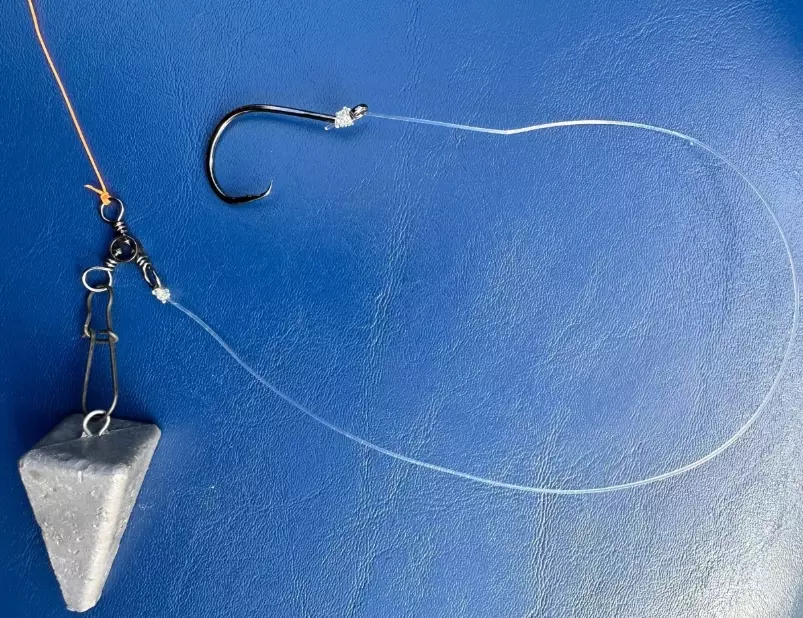
The Rod: The 7-Foot Medium Power, Fast Action Spinning Rod
This is the non-negotiable heart of the system. A 7-foot rod gives you great casting distance and decent leverage. Medium power means it has enough muscle to handle a wide range of fish sizes, from panfish to decent-sized bass and walleye. Fast action (the rod bends mostly in the top third) gives you the sensitivity to feel subtle bites and the hook-setting power to drive the point home.
Brand matters less than these specs. I've had great luck with rods from St. Croix (like the Triumph series) and Fenwick (HMG). But a Berkley Lightning Rod will do the job admirably for half the price. Don't overthink it—just get those specs.
The Reel: A Size 2500 or 3000 Spinning Reel
Pair that rod with a quality spinning reel in the 2500-3000 size range. This size balances perfectly on a 7-foot rod. Look for a reel with a smooth drag, at least 5+1 bearings, and a reputation for durability. The drag is critical—it's what lets a big fish run without breaking your line.
I'm a fan of Shimano and Daiwa for their consistent quality. A Shimano Sedona or Daiwa Regal LT are workhorses. Spend a little more here if you can; a good reel lasts a decade.
The Line: 10-15 lb Braid with a Fluorocarbon Leader
This two-part line system is a game-changer. Spool the reel with 10-15 lb test braided line. Braid has no stretch, so you feel everything. It's also incredibly strong for its diameter, letting you pack more line on the reel.
Then, tie on a 3-5 foot leader of 8-12 lb fluorocarbon using a double uni knot or an FG knot. Fluorocarbon is nearly invisible underwater and is more abrasion-resistant than braid. This combo gives you the sensitivity of braid and the stealth/durability of fluoro where it counts.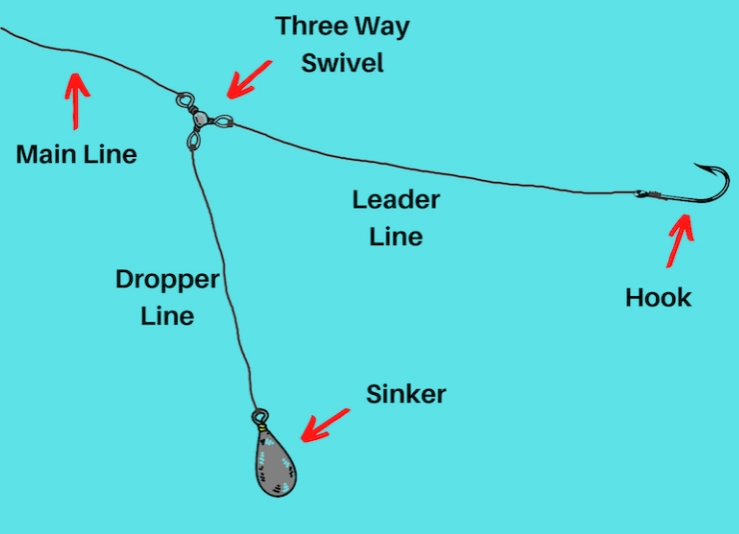
The Terminal Tackle: The Texas Rig – Your True "All-Around" Rig
This is the business end. For sheer versatility, nothing beats a weedless Texas Rig. It can be fished in open water, through heavy weeds, along the bottom, or just under the surface.
| Component | Recommended Specs | Why It Works | Brand Examples |
|---|---|---|---|
| Hook | 3/0 or 4/0 EWG (Extra Wide Gap) Hook | Wide gap ensures good hooksets with plastic baits; strong wire. | Gamakatsu, Owner, Mustad |
| Weight | 1/8 oz to 3/8 oz Bullet Weight (Slip Sinker) | Slides on the line for a natural fall; weight adjusts for depth/wind. | Tungsten (better feel) or Lead (cheaper) |
| Bait | 5"-7" Plastic Worm or Creature Bait | Imitates a wide range of prey; countless colors and styles. | Zoom Trick Worm, Senko, Crawfish imitation |
Assembly is simple: Thread the bullet weight onto your main line (pointy end toward the rod). Tie your line directly to the hook. Then, "Texas-rig" the soft plastic by inserting the hook point into the head of the bait, pushing it straight through about 3/4 of an inch, turning the hook point outward, and burying it back into the body of the bait to make it completely weedless.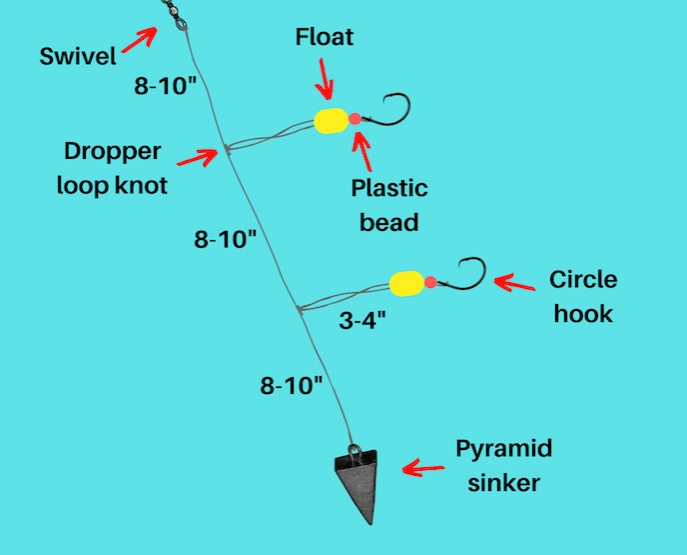
Where and How to Fish Your All-Around Rig
Let's put this gear to work in real scenarios.
Freshwater Lakes & Ponds (Targeting Bass/Panfish): Cast your Texas rig near any visible structure—docks, fallen trees, lily pad edges. Let it sink to the bottom. Then, use your rod tip to gently hop it along, pausing for several seconds between hops. Most bites come on the fall or during the pause. I've caught more bass doing nothing but slowly dragging a worm across the bottom than with any fancy retrieve.
Rivers & Streams (Targeting Walleye, Smallmouth): Cast upstream and across, letting the current carry your rig downstream while you maintain a slight tension. The weight will bounce along the bottom, mimicking a crawfish or baitfish. This is a killer method that many bank anglers overlook.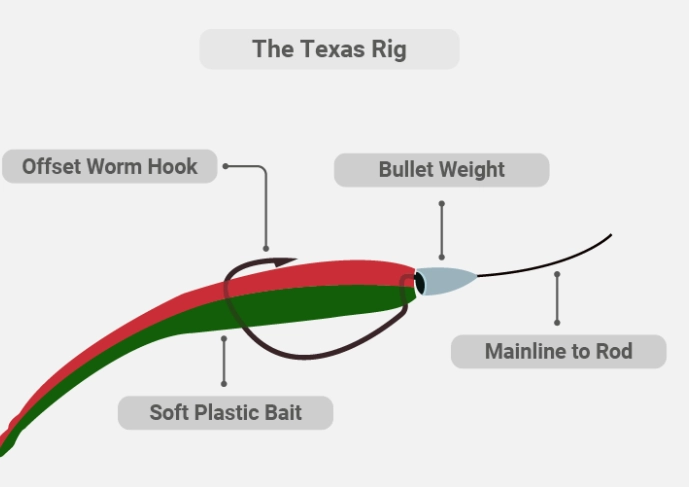
Inshore Saltwater (Targeting Redfish, Speckled Trout): The same Texas rig shines here. Use a slightly heavier leader (12-15 lb fluoro) and a bait that mimics a shrimp or small baitfish. Work it slowly along oyster beds, grass lines, and mangrove roots. The weedless nature is crucial in these snaggy environments.
Common Mistakes and How to Avoid Them
I've seen these errors a thousand times. Avoid them and you're ahead of 80% of anglers.
Mistake 1: Using the Wrong Knot. That old clinch knot will slip with braid. For tying your fluorocarbon leader to braid, learn the double uni knot. It's strong, reliable, and easy to tie. For tying your hook to the leader, the improved clinch knot or Palomar knot are excellent. A knot failure is the most frustrating way to lose a fish.
Mistake 2: Overfilling the Reel Spool. Fill your spinning reel so the line sits about 1/8 inch below the spool's rim. Any more and you'll get horrible tangles and wind knots. Any less and you sacrifice casting distance.
Mistake 3: Mismatching Rod Power and Lure Weight. That medium-power rod is rated for, say, 1/8 to 3/8 oz lures. Throwing a tiny 1/16 oz jig on it won't load the rod properly, killing your casting. Throwing a 1 oz lure will overload it, risking damage. Stick within the rod's printed range.
Expert Tips and Pro Secrets
Here's the stuff you won't find on the packaging.
The "All-Around" Rig is a Starting Point, Not a Prison. Keep a small tackle box with variations: a few inline spinners for aggressive panfish, a topwater popper for dawn/dusk, and a 1/4 oz jighead with a soft plastic grub for vertical jigging. Your core Texas rig handles 70% of situations; these extras cover the other 30%.
Cheap Gear Can Work. I once outfished a guy with a $500 combo using a $30 Walmart combo... because I was paying attention to where the fish were and he wasn't. Gear helps, but skill and observation are primary.
Watch the Birds, Not Just the Water. Seabirds diving or swallows skimming the surface indicate baitfish, which attract predators. It's the oldest trick in the book and still the best fish-finder.
According to a report by the American Sportfishing Association, versatility and ease of use are consistently top factors for casual and beginner anglers when selecting gear. This setup is built for that exact mindset.
Reader Comments