Let's be honest. A Google search for "best fishing tour" throws a million glossy results at you—stunning photos of bent rods, grinning anglers holding monster fish, promises of paradise. It's overwhelming, and half of those pages are just trying to sell you a pre-packaged trip. But here's the thing they don't tell you: the "best" fishing tour isn't a one-size-fits-all product you buy. It's a custom experience you build, tailored precisely to what you want out of a day, a weekend, or a week on the water. After twenty years of chasing fish from bonefish flats to offshore canyons, I've learned that the difference between a forgettable trip and a legendary one comes down to planning, not luck. This guide is about that planning.
Your Quick Guide to the Perfect Fishing Adventure
- What Makes a "Best" Tour? (Hint: It's Not Just Fish)
- Your Planning Blueprint: A 5-Step System
- Choosing Your Adventure: Guided vs. DIY
- The Non-Negotiable Packing List
- 3 Costly Mistakes That Ruin Fishing Trips
- Destination Spotlight: Matching Water to Your Goal
- Your Questions, Answered (By a Guide Who's Heard Them All)
What Does "Best Fishing Tour" Really Mean?
If you think the best tour is the one where you catch the most fish, you're setting yourself up for disappointment. Fish are wild animals; some days they just don't bite. The best tours are defined by value, experience, and alignment with your personal goals.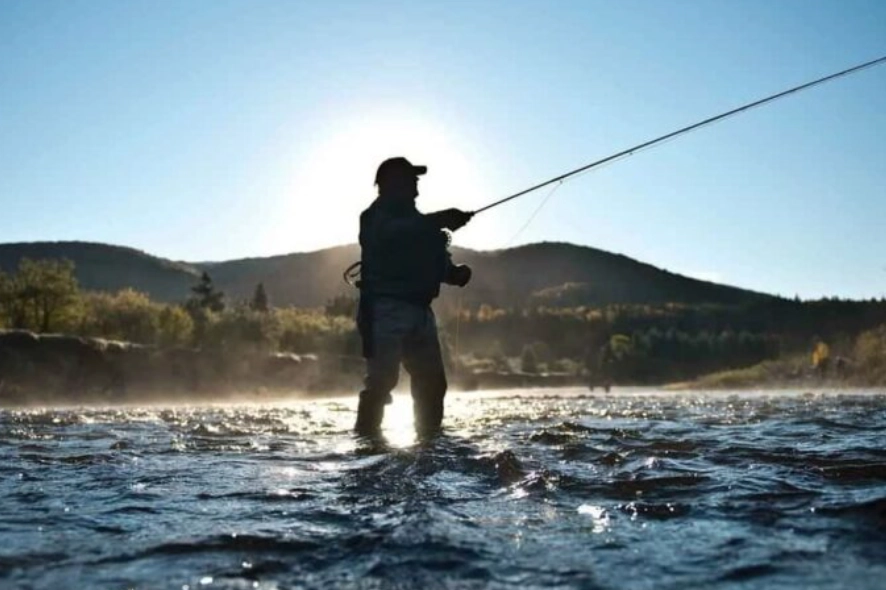
For a family with young kids, the best tour might be a calm, 4-hour bay trip where everyone catches a few panfish, the guide is patient, and no one gets seasick. The cost-per-fish is high, but the memory value is priceless. For a hardcore angler, the best tour is a 12-hour marathon 70 miles offshore, chasing tuna with specialized gear, even if it costs $1500 and yields one fish. Both are "best" for their audience.
The Real Metric: Stop counting fish. Start evaluating the guide's knowledge, the quality of the equipment, the safety standards, the flexibility of the itinerary when conditions change, and the overall vibe. A great guide on a slow fishing day still teaches you about the ecosystem, refines your technique, and keeps the mood light. A bad guide on a hot bite just feels like a taxi driver.
How to Plan Your Best Fishing Tour: A 5-Step Blueprint
Let's get tactical. Planning is where trips are made or broken. Follow this sequence.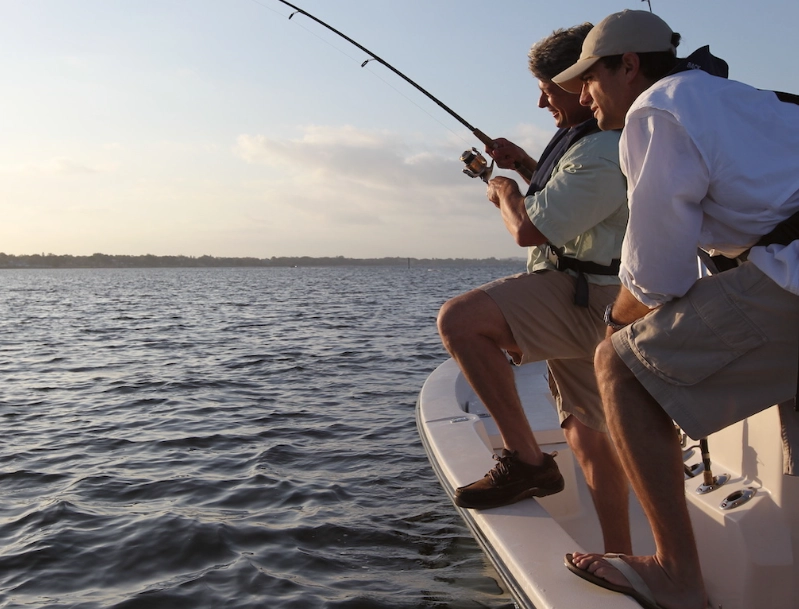
Step 1: Define Your "Why" and Your Crew
Is this a bachelor party, a solo skill-building mission, or a multi-generational family outing? The answer dictates everything. A group of buddies wanting to drink beer and maybe catch something has wildly different needs from a father-son duo aiming to land a specific trophy species. Be brutally honest about the group's skill level, patience, and physical limits. Don't book a technical fly-fording trip for someone who can't wade in strong current.
Step 2: Choose Your Destination & Season (The Research Phase)
This is where most people just pick a famous spot. Big mistake. You match the destination to the goal from Step 1.
Example: Your goal is to catch a Pacific halibut over 50 pounds. You might instantly think "Alaska." Good, but where in Alaska? The Kenai Peninsula in July offers great access and lots of charters, but the big "barn doors" are often in deeper, rougher water off Dutch Harbor or in Southeast Alaska earlier in the summer. Research means digging into state fishery reports (like those from the Alaska Department of Fish and Game) and reading forum reports from the previous year, not just the charter's marketing.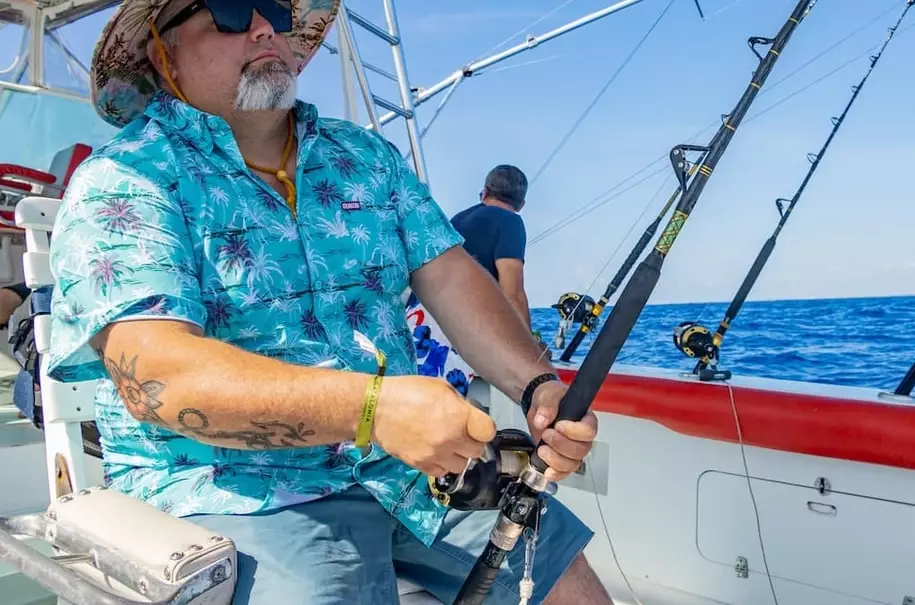
Step 3: Budget Realistically (The Hidden Costs)
The charter fee is just the entry ticket. A $600 guided trip can easily become a $1200 day.
| Cost Category | Typical Range | Notes & Often-Forgotten Items |
|---|---|---|
| Guided Charter Fee | $400 - $1,200+ per day | Does this include fuel, bait, and tackle? Always ask. "All-inclusive" varies. |
| Fishing License & Tags | $20 - $150+ per person | Non-resident fees are steep. Some species (salmon, sturgeon) require special tags. |
| Lodging & Meals | Varies Widely | Remote lodges include these; town-based trips add hotel/dining costs. |
| Travel & Transport | Flights, Car Rental | Getting to the dock. Also, cooler and ice for your catch on the drive back. |
| Guide & Crew Gratuity | 15-20% of charter fee | Standard for good service. Cash is king on the dock. |
| Fish Processing | $1 - $3 per pound | Filleting, vacuum-packing, freezing. A 100-lb tuna catch costs $200+ to process. |
Step 4: Book the Right Guide, Not Just the Right Boat
A 40-foot boat is useless with a grumpy captain. Look for guides who communicate well during the booking process. Ask specific questions: "What's your plan if the primary spot is crowded?" "What's your typical ratio of clients to rods?" Read reviews, but look for patterns about adaptability and teaching, not just "we caught fish." A personal referral from a trusted angler is worth more than 100 five-star internet reviews.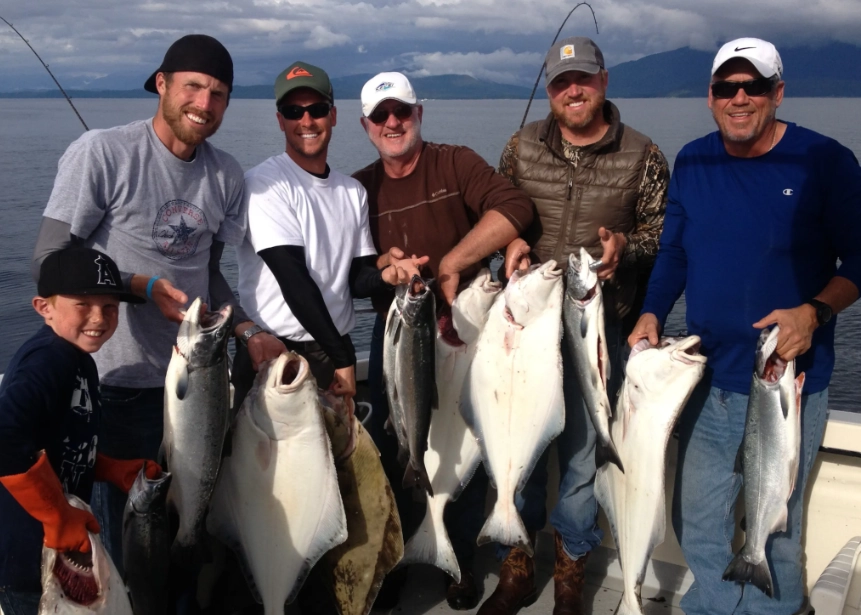
Step 5: Prepare Your Mind and Gear
Get physically ready if needed. Break in your boots. Practice your casting in the yard. Review knot-tying. The more you can handle yourself, the more the guide can focus on finding fish, not fixing your bird's nest of a reel.
Guided Charter vs. DIY: Which is Right for Your Best Fishing Tour?
This is the fundamental fork in the road. A guided trip is an education and access pass. A DIY trip is an adventure and a test.
Choose a Guided Charter if: You're new to the area or species, time is limited, you want to learn quickly, you need specialized equipment (like a large offshore boat), or you're targeting difficult-to-access water (remote rivers, deep reefs). You're paying for local knowledge, which is the single most valuable commodity in fishing.
Choose a DIY Approach if: You have ample time to scout, you enjoy the puzzle of figuring out a new fishery, you're on a tight budget, or you simply prefer solitude and self-reliance. This requires deep research, often using topographic maps, satellite imagery, and local bait shop intel.
My personal rule? First trip to a new, complex area: always hire a guide for at least one day. It's the fastest learning curve imaginable. Then, you can go DIY with a foundation of knowledge.
The Packing List: What You Actually Need (And What to Leave Behind)
Overpacking is a disease. I've seen people bring three tackle boxes for a guided bass trip where the guide provides everything. Here's the core list, assuming a one-day guided saltwater trip.
- Clothing (Layering is Law): Moisture-wicking base layer, insulating mid-layer (fleece), waterproof and windproof outer shell (non-negotiable). Avoid cotton at all costs—it kills when wet.
- Footwear: Deck boots or non-marketing, closed-toe shoes with grip. No flip-flops, ever.
- Sun & Skin Protection: Polarized sunglasses (not just for glare, but to see fish), wide-brimmed hat, high-SPF sunscreen (reapply!), lip balm with SPF.
- Seasickness Prevention: If you're unsure, take medication (like meclizine) the night BEFORE and morning of. The patch behind the ear works for many.
- Personal Items: Small waterproof bag for phone/wallet/keys. Reusable water bottle. A small towel. Your fishing license (physical or digital copy).
- What the Guide Provides: Rods, reels, tackle, bait, ice, water, and usually safety gear. ASK CONFIRMATION ON THIS.
3 Common Mistakes That Can Derail Your Best Fishing Tour
These aren't the obvious ones. These are the subtle trip-killers I see every season.
1. The "We Have to Fish Where We Booked" Mindset. You booked a famous trout river, but a warm rainstorm muddied it up two days before you arrived. The inflexible angler goes anyway and gets skunked. The savvy angler, or the good guide, has a backup plan—a spring creek or a different watershed that stayed clear. Flexibility is the number-one trait of successful fishing travelers.
2. Ignoring the Guide's Advice Before You Even Step on the Boat. They say to meet at 5:30 AM for the morning bite. You roll in at 6:15 because "it's vacation." You just missed the best window. They recommend specific gear; you insist on using your own inappropriate setup. You hired an expert. Listen.
3. Underestimating the Physical and Mental Toll. A full day on the water, especially offshore, is exhausting. Sun, wind, constant motion. People plan a huge dinner for the night of their big trip and then fall asleep in their soup. Keep the post-fish plans light. Hydrate relentlessly, more than you think you need.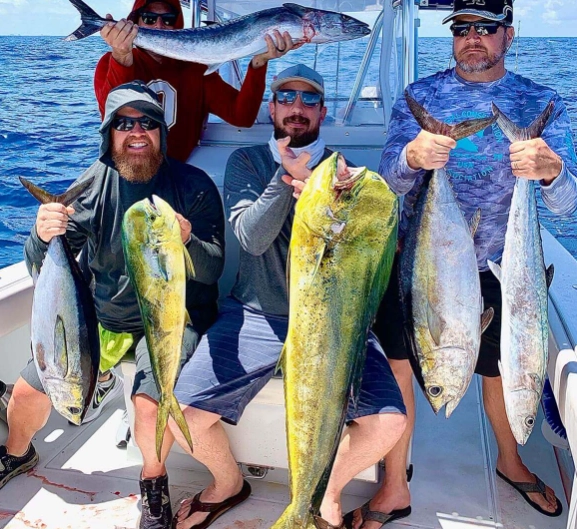
Destination Spotlight: Matching the Water to Your Goal
Let's apply the planning blueprint to three common goals.
Goal: First Saltwater Fish with Young Kids.
Destination Type: Protected Bay or Inshore Waterway.
Example: Tampa Bay, Florida (Redfish, Snook, Trout) or Chesapeake Bay, Maryland (Striped Bass, Perch).
Why it Works: Calm water minimizes seasickness. Action is often steady with smaller, feisty fish. Shorter trip lengths (3-4 hours) are available. Guides here are typically great with kids.
Goal: Trophy Freshwater Predator.
Destination Type: Northern Natural Lake or Reservoir.
Example: Lake St. Clair, Michigan/Canada (Muskie) or Lake Fork, Texas (Largemouth Bass).
Why it Works: These ecosystems consistently produce giant fish due to forage and genetics. You need a guide who knows the specific seasonal patterns (e.g., muskie following ciscoes in fall). It's often a casting marathon for one or two bites—a true hunter's game.
Goal: Epic Offshore Multi-Species Action.
Destination Type: Nearshore Reefs or Offshore Banks.
Example: Venice, Louisiana (Yellowfin Tuna, Mahi) or the North Carolina Outer Banks (Wahoo, Tuna, Marlin).
Why it Works: These are nutrient-rich highways where pelagic fish congregate. The ride out can be long and rough, but the potential for a mixed bag is high. This is where you invest in a larger, faster boat with a seasoned captain.
Expert FAQ: Your Fishing Tour Questions, Answered
How much should I tip my fishing guide, and what if the fishing was slow?
15-20% of the full-day charter rate is standard for good service. The key word is service. The guide controls the boat, safety, instruction, and effort—not the fish. If they worked hard, were professional, and adapted to conditions, they earned their tip. A slow day with a great guide who taught you a new technique or put you on the only bite of the day is still a valuable day. Withholding tip because of slow fishing is a surefire way to get blacklisted in the guide community.
I'm prone to seasickness. Can I still do an offshore fishing tour?
Yes, but you must be proactive. First, choose the largest, most stable boat you can afford—catamarans are excellent. Second, medicate preventively. Take non-drowsy meclizine (like Bonine) the night before and morning of. The scopolamine patch (requires a prescription) is highly effective for many. Third, stay on deck in the fresh air, focus on the horizon, and avoid the cabin fumes. Tell your guide; they'll often have ginger candies or other tricks. Start with a half-day nearshore trip before committing to a 12-hour canyon run.
What's one piece of gear most anglers overlook that makes a huge difference?
A high-quality pair of polarized sunglasses. Not just any sunglasses. I'm talking copper or amber lenses that cut glare and allow you to see into the water column. This lets you spot fish, structure, bait pods, and changes in bottom composition. It turns fishing from blind casting into an active hunt. It's the single best investment for any inshore or freshwater angler. I'd rather forget my rod than my Costa Del Mars.
How do I handle the fish I catch if I want to release it?
This is critical for sustainable fishing. Keep the fish in the water as much as possible. Use wet hands or gloves to handle it—dry hands remove their protective slime. If you need a photo, have the camera ready, lift quickly (supporting its weight horizontally), snap the shot, and get it back in the water. For toothy fish, use long-nose pliers to dehook. For deep-hooked fish, it's often better to cut the line as close as possible rather than ripping the hook out. Revive a tired fish by holding it upright in the water, moving it gently back and forth until it swims away strongly. Your guide will show you the best methods for the specific species.
The path to your best fishing tour is clear. It starts with honest goals, is built with meticulous research, and is executed with flexibility and respect—for the guide, the environment, and the fish themselves. Ditch the generic search. Build your own adventure. Now get out there.
Reader Comments