Let's cut to the chase. The idea of a fly fishing camp centered around Boulder, Colorado, isn't about finding a single, marked campground called "Fly Fishing Camp." It's about crafting your own perfect, multi-day angling adventure in one of the West's most iconic front-range ecosystems. This is high-country fishing at its finest—cold, clear water tumbling down from the Continental Divide, wild trout holding in pocket water behind boulders, and the kind of scenery that makes you forget about the one that got away. I've spent over a decade exploring these waters, from easy-access stretches near town to remote headwaters that require a good map and better legs. This guide is the blueprint I wish I'd had when I started.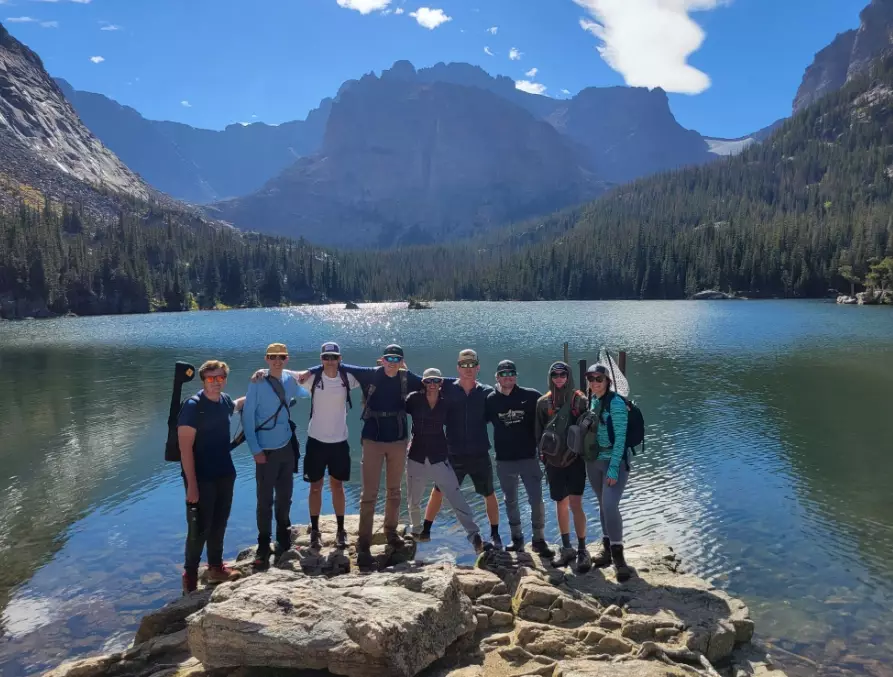
Your Quick Campfire Guide
- Why Boulder Creek is a Fly Angler's Dream
- How to Plan Your Boulder Fly Fishing Camp Itinerary
- What Gear Do You Really Need for High-Altitude Fly Fishing?
- Pro Techniques for Fishing Boulder-Strewn Rivers
- Campsite Logistics: From Car Camping to Backpacking
- Your Boulder Fly Fishing Camp Questions Answered
Why Boulder Creek is a Fly Angler's Dream
Boulder Creek is the spine of this entire experience. It's not one river but a system. It starts as a trickle near the Continental Divide, gains volume as North Boulder Creek and Middle Boulder Creek, converges in the town of Nederland, and then carves its way down Boulder Canyon before hitting the plains. Each section offers a different character.
The middle and upper sections, above Barker Reservoir, are where the magic happens for a dedicated fly fishing camp. The water is faster, colder, and packed with structure—granite boulders the size of cars create perfect pools, runs, and eddies. The fish here are predominantly wild Brown Trout and Brook Trout, with the occasional Rainbow. They're not huge by Montana standards—a 14-inch wild Brown is a trophy here—but they're smart, colorful, and fight hard in the current.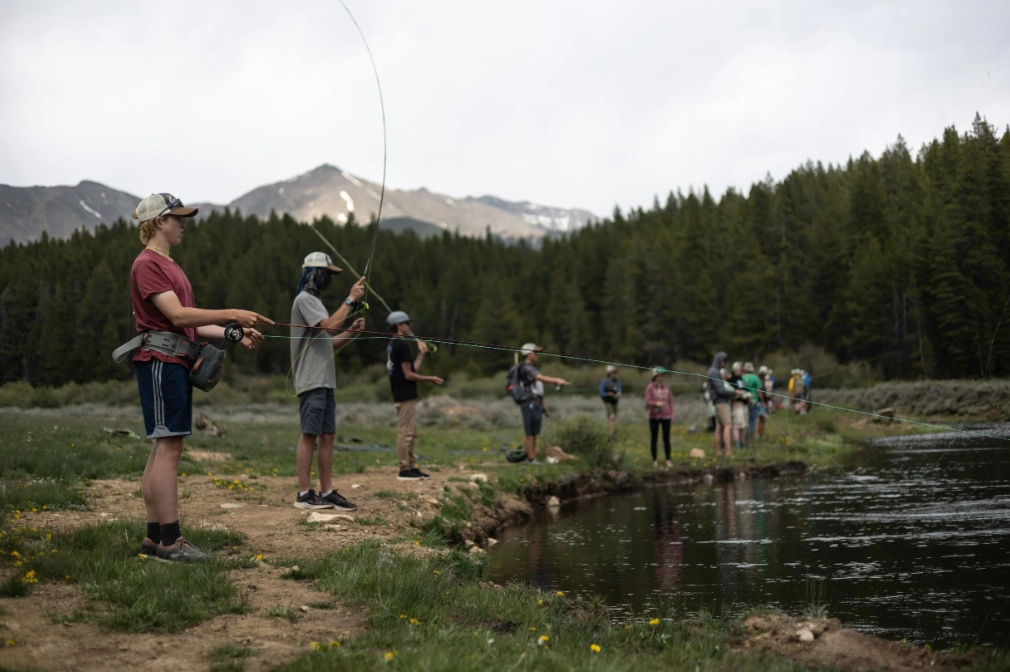
Access Points You Need to Know:
- Boulder Canyon (Lower Section): Easily accessed from CO-119. Great for a few hours after work, but pressure is high. More of a "sampler" than a camp destination.
- Nederland Area: The gateway. You can fish the confluence areas here. Stock up on last-minute supplies at the local shops.
- West of Nederland towards the Divide: This is the core zone. Forest Service roads like CR 130 (toward Rainbow Lakes) and CR 116 (toward the Fourth of July Trailhead) provide access to countless pull-offs and trailheads that lead to incredible, less-pressured water. This is where you base your camp.
A Non-Consensus View: Most guides tell you to focus on the obvious pools. After 10 years, I tell you to fish the whitewater seams right below boulders. In these highly oxygenated, food-rich channels, aggressive trout station themselves to ambush nymphs and dries with minimal energy expenditure. A size 16 Parachute Adams or a beadhead Pheasant Tail drifted tight to the foam line can be devastatingly effective where others just see "fast water."
How to Plan Your Boulder Fly Fishing Camp Itinerary
A successful camp blends fishing, logistics, and soaking in the environment. Here’s a proven 3-day template you can adapt.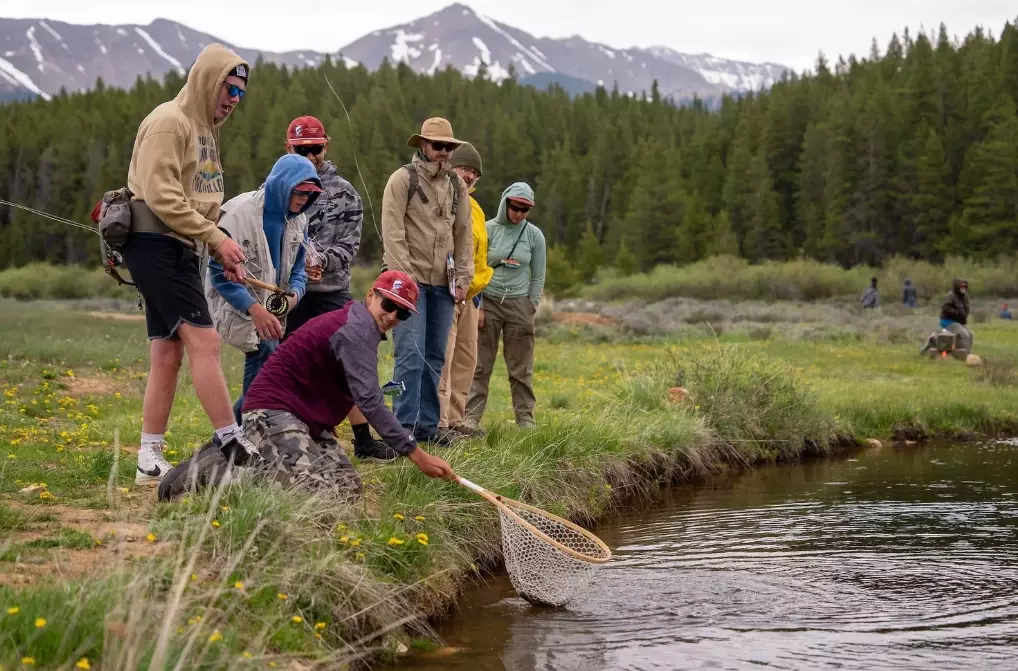
Day 1: Setup & Lower Canyon Recon
Arrive midday. Set up camp at a designated site (more on that later). Don't rush to fish hard. Instead, drive the stretch of Boulder Canyon between Nederland and Boulder. Observe the water levels, clarity, and where other anglers are. This scouting mission is invaluable. Grab a late afternoon session at a convenient pull-off to shake off the travel dust and test your rig. Keep it simple—a dry-dropper setup. Evening is for organizing gear, tying leaders, and studying a map like the US Forest Service Arapaho & Roosevelt National Forests map to plan tomorrow's hike.
Day 2: Headwater Hike & Fish
This is the core day. Pack a light backpack with water, lunch, rain gear, and a small fly box. Target a tributary or upper section reachable by a 1-3 mile hike. The Fourth of July Trailhead area offers fantastic access to remote creek fishing. The goal is solitude and technical fishing. Work small pockets methodically. You'll catch fewer, but more rewarding, fish. Be back at camp by late afternoon to relax, maybe fish the closer water at golden hour.
Day 3: Mobility & Big Water
Break camp in the morning. With your gear packed in the car, you now have mobility. Consider driving a bit further to explore another drainage like South Saint Vrain Creek near Peaceful Valley. Or, if flows are good, spend a few hours working a larger, more open section of Middle Boulder Creek with longer casts and streamers. This variety day prevents the trip from feeling repetitive.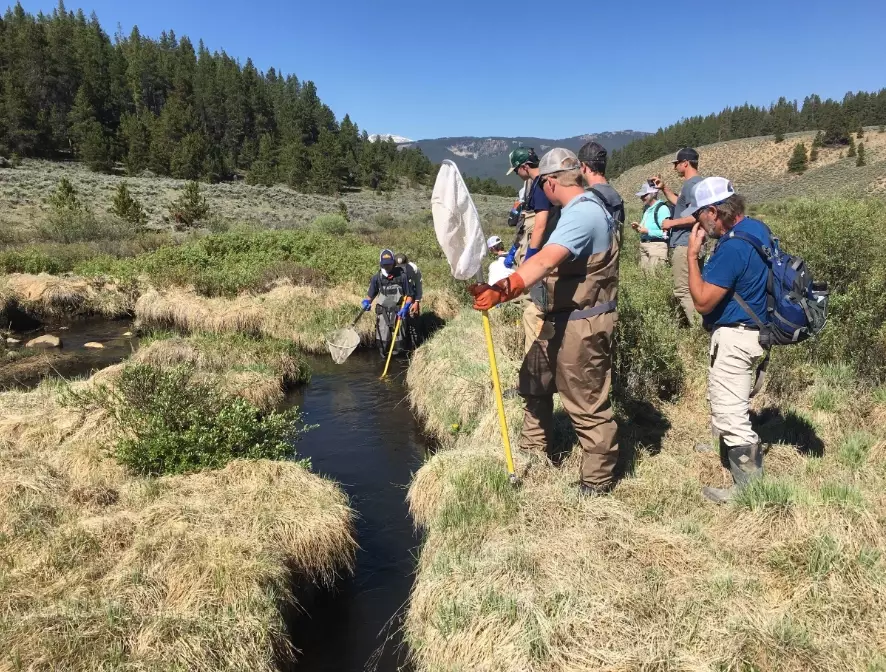
What Gear Do You Really Need for High-Altitude Fly Fishing?
Forget the catalog. Mountain fishing demands specific, often lighter, gear. A common mistake is bringing an 8.5-foot 5-weight meant for big rivers. It's overkill here and tiring to cast all day in tight quarters.
| Gear Category | My Specific Recommendation |
|---|---|
| Rod & Line | 9-foot, 3-weight or 4-weight rod. Weight-forward floating line. |
| Leader & Tippet | 9-foot 4X leader. Spools of 5X and 6X fluorocarbon tippet. |
| Boots | Studded felt or rubber-soled wading boots with aggressive tread. No cleats. |
| Pack | Small, waterproof hip pack or sling pack. |
| Fly Selection | Small, imitative patterns. Adams, Elk Hair Caddis (14-18), Pheasant Tail, Hare's Ear nymphs (16-20), small Woolly Buggers. |
| Critical Extra | Polarized sunglasses (amber or copper lenses) AND a wide-brimmed hat. |
Pro Techniques for Fishing Boulder-Strewn Rivers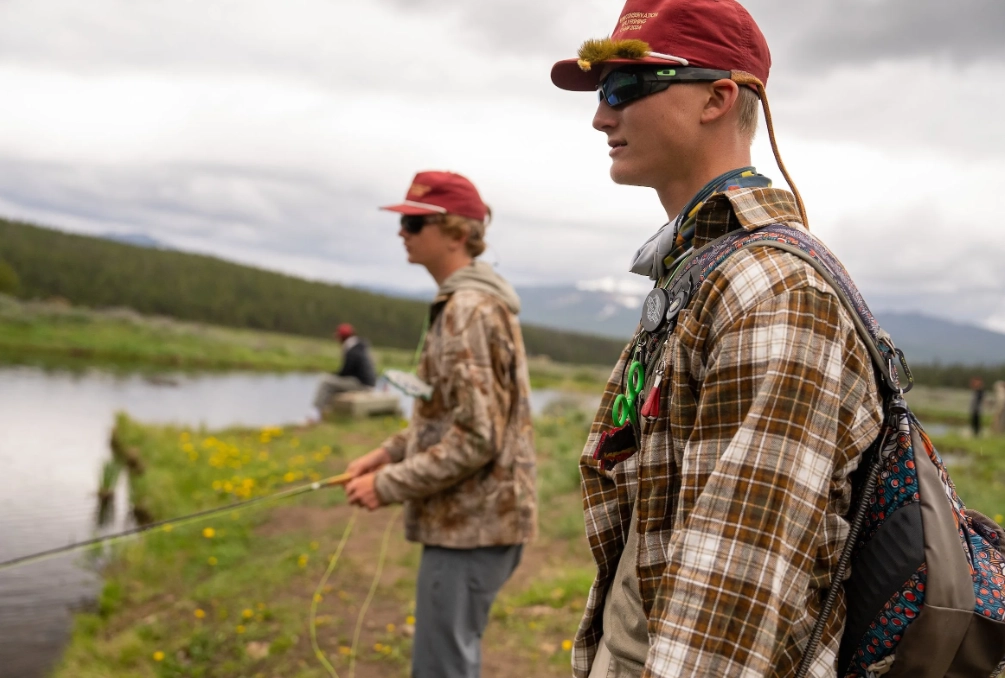
This isn't wide, slow meadow fishing. It's chess with current.
The Short-Line Nymph: Your most used technique. Use a short line between your rod tip and the indicator—maybe 1.5 times the rod length. High-stick the rod to keep most of the line off the water, letting the current drag your flies down into the slots behind and beside boulders. Mend instantly. The take is often a subtle twitch or pause.
Dry Fly on a Tightrope: When caddis or PMDs are hatching, you'll be making awkward, side-arm casts under overhanging branches. Accuracy trumps distance. Land your fly 6 inches above the seam line. Drift is short, so be ready. A drag-free drift for two feet is a win.
The Downstream Approach: Many anglers wade upstream. On Boulder Creek's skittish trout, I often have more success working downstream and across, especially with a small streamer or wet fly. You stay behind the fish's field of view. Cast at a 45-degree angle downstream, let it swing, and hold on.
Campsite Logistics: From Car Camping to Backpacking
You have three main options, each with a different flavor.
1. Developed Forest Service Campgrounds: The easiest. Kelly Dahl Campground on CO-119 near Nederland is a reliable choice. Sites have picnic tables, fire rings, and vault toilets. It fills fast for summer weekends—reserve on Recreation.gov the moment your dates are set. You'll have a solid base but less solitude.
2. Dispersed Camping: This is the true "fly fishing camp" experience. Along many Forest Service roads west of Nederland (like CR 130), you'll find established dirt pull-outs with fire rings. They're first-come, first-served, free, and offer incredible privacy. You must be self-sufficient: pack in ALL water (or have a serious filter), pack out ALL trash, and use existing fire rings. Check current fire restrictions with the Forest Service—they're strict and change often.
3. Backcountry Camping: For the purist. Hike in 2+ miles from a trailhead (like Hessie or Fourth of July) and set up a Leave-No-Trace camp. You'll fish untouched water at dawn and dusk. The trade-off is you can only bring minimal gear. A lightweight tent, sleeping bag, stove, and your fishing kit are all you carry.
My personal preference? Dispersed camping. You get the solitude and flexibility without the full backpacking weight. I once spent three days at a spot off CR 130, waking to the sound of the creek and having a different stretch of water to explore each day without moving my tent.
Your Boulder Fly Fishing Camp Questions Answered
 When is the absolute best time for a fly fishing camp near Boulder?
Reader Comments