Fishing Cooler with Wheels: Ultimate Guide to Rolling Ice Chests
Tired of hauling a heavy ice chest to your fishing spot? Discover how a fishing cooler with wheels transforms your trip, what features matter most, and how to choose the right one for pier, beach, or boat fishing.
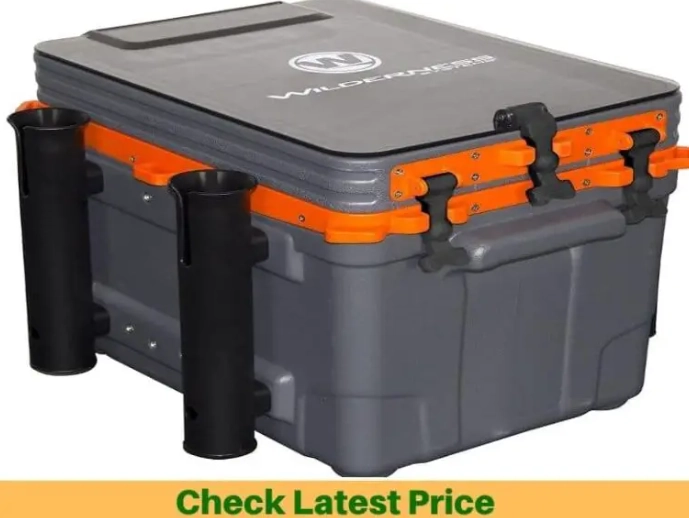
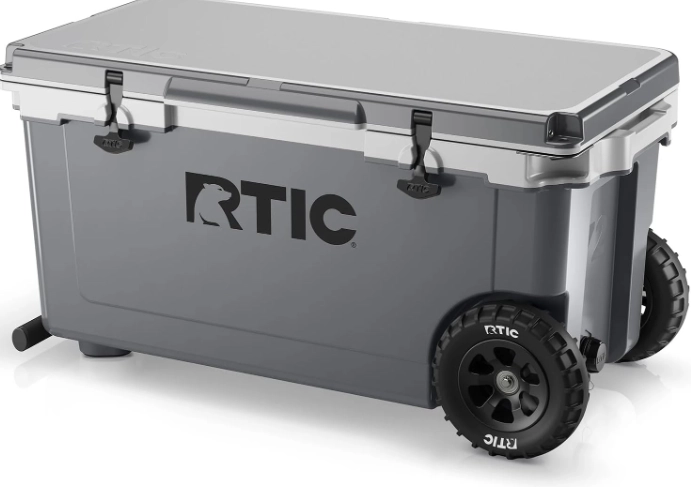
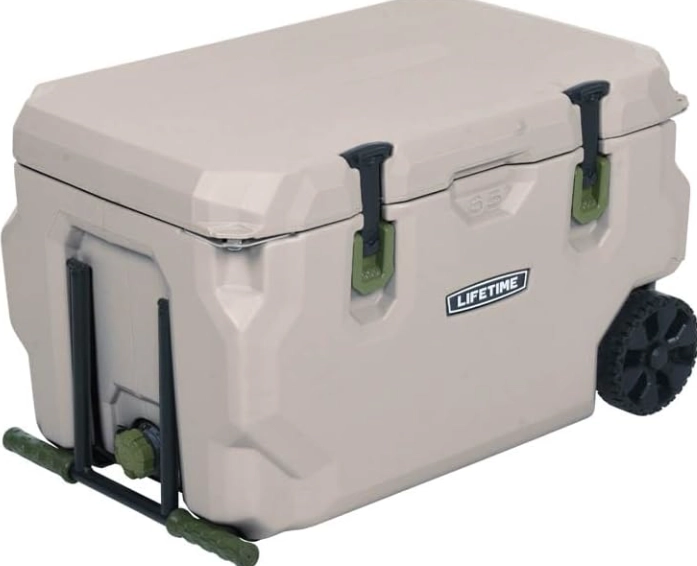
Let's be honest. The worst part of a fishing trip often isn't the early wake-up or the slow bite—it's the brutal, back-straining haul of a fully-loaded ice chest from your truck to the shore. I've been there, sweating and swearing, trying not to spill my precious bait water. That struggle ends with a fishing cooler on wheels. It's not just a convenience; it's a complete game-changer that lets you focus on the fishing, not the freight. This guide cuts through the marketing to show you exactly what to look for, how to use it, and why the right rolling cooler might be the best investment you make this season. Think about your last trip. You parked a quarter-mile from the jetty because it was packed. Your 50-quart cooler, now weighing 80+ pounds with ice, drinks, and your catch, becomes an anchor. You're exhausted before you even cast a line. A fishing cooler with wheels flips that script. The benefit is simple: mobility equals energy conservation. You save your strength for fighting fish, not fighting your gear. But the advantages run deeper. Here's what most anglers don't say out loud: A wheeled cooler lets you bring more. More water, more food, more ice to keep a trophy catch pristine. It enables longer trips to remote spots because you're not limited by what you can carry in one grueling trip. It also keeps your hands free for rods, tackle boxes, and a net. I've seen guys with standard coolers make three trips. With a good rolling model, you're done in one smooth walk. The difference in your overall enjoyment is massive. Not all coolers with wheels are created equal. Picking the wrong one is just as frustrating as carrying a heavy one. You need to match the cooler to your primary fishing style. Are you mainly on sandy beaches, concrete piers, or rocky boat ramps? This dictates everything. I made the mistake early on of using a cooler with small, hard wheels on soft sand. It was useless. I ended up carrying it anyway, with the awkward wheels banging against my legs. Lesson learned the hard way. Let's get specific about wheels because this is where most manufacturers cut corners. The axle is just as important as the wheel. A cheap, thin metal axle will bend under a heavy load on rough ground. Look for coolers that boast stainless steel or thick, reinforced axles. Two wheels are standard, but some models offer four-wheel cart-style mobility, which is incredibly stable but can be harder to turn in tight spaces. Beyond the wheels, these features separate the good from the great. Don't just look at the price and capacity. Insulation & Ice Retention: What's the point of a mobile cooler if your ice melts in 12 hours? Look for rotomolded construction (like Yeti, RTIC, Orca) or thick urethane foam insulation. A good benchmark is 4+ days of ice retention. The lid should have a full-perimeter gasket. Press on the drain plug when the cooler is closed—if it's cheap, you'll feel air rushing in. That's a leak. Handle System: A flimsy handle is a breaking point. The best are telescoping aluminum or steel poles that lock securely. The handle should be at a comfortable height so you're not hunching over. Some have a pivoting handle that lets you pull it like a wagon—a fantastic feature for long walks. Capacity vs. Weight: A 100-quart cooler sounds amazing until you have to move it. Remember, wheels help, but you still have to lift it into your vehicle. For most solo or duo anglers, a 45-65 quart rolling cooler is the sweet spot. It holds plenty of fish and gear but remains manageable. Additional Angler-Focused Features: - Rod Holders: Some models have built-in slots. A lifesaver. - Non-Slip Lid: A place to sit or put your tackle box without it sliding off. - Tie-Down Points: For securing to a cart or boat. - Dry Storage Compartment: Kept my phone and keys safe from melted ice water more than once. Treat it right, and it'll last for decades. Here's my routine. After every trip, I hose it out. Salt and fish slime are corrosive. I make sure to spray the wheel axles and hinges to clear out sand and grit. Let it air dry completely with the lid open before storing it. For stubborn odors, a baking soda paste works wonders—never use harsh chemicals that can degrade the plastic or insulation. For pneumatic tires, check the pressure before a big trip. They often ship under-inflated. Keep a small bicycle pump in your garage. If you're heading to a rocky area, consider applying a silicone spray to the axle points to keep things rolling smoothly. One pro-tip: Pre-chill your cooler the night before. Dump a bag of ice in, let it sit for a few hours, then drain it. The cold walls will make your fresh ice last significantly longer. It's a simple trick that makes a huge difference on multi-day outings.
Your Quick Guide to Rolling Coolers
Why Wheels Are a Game-Changer for Anglers
How to Choose the Right Rolling Fishing Cooler
Primary Use Case: Your #1 Deciding Factor
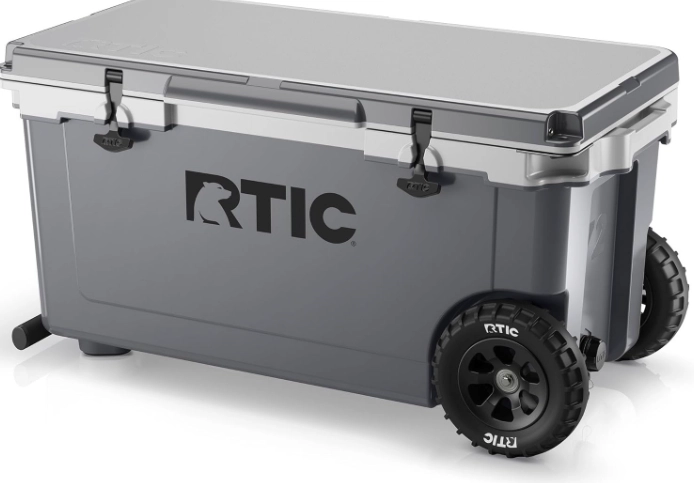
Wide, air-filled (pneumatic) tires are king. They float on sand instead of digging in. Think of them as mini-boat tires. Hard plastic wheels will sink and become a sled you have to drag.
For Pier, Dock, or Park Fishing:
Larger diameter hard-rubber or polyurethane wheels roll best on smooth surfaces. They're more durable than pneumatic tires against shells and debris. A telescoping handle is crucial here for easy maneuvering in crowded spaces.
For Boat or Truck Use (Secondary Mobility):
You might prioritize a cooler that has recessed wheels and a handle for easy loading/unloading, not for long-distance rolling. These are often more compact.
Wheel Types & Terrain: Sand, Rock, and Docks
Wheel Type
Best For
Worst For
Durability Note
Pneumatic (Air-Filled)
Soft sand, gravel, uneven trails
Sharp oyster beds, extreme cold (can crack)
Can puncture; carry a small repair kit.
Solid Rubber/Polyurethane
Piers, concrete, boat decks, pavement
Deep sand, thick mud
Nearly indestructible; no flats.
Hard Plastic
Smooth indoor/patio floors (budget option)
Any outdoor terrain beyond a sidewalk
Can crack on impact; noisy.
Wide-Tread All-Terrain
Mixed conditions, packed sand, grass
Very loose, dry sand
A good compromise for varied anglers.
The Non-Negotiable Features Checklist
Using and Maintaining Your Wheeled Cooler
Expert Answers to Your Wheeled Cooler Questions
 Is it worth buying a separate cart for my existing cooler, or should I get an integrated one?
 Are the expensive rotomolded rolling coolers really that much better than a cheaper one from a big-box store?