I remember the exact moment I realized I needed a fishing cooler with a ruler. It was on a crowded pier, the sun beating down, and I'd just landed a decent-sized redfish. The excitement was quickly replaced by fumbling chaos – holding the wriggling fish with one hand, trying to dig a wet, floppy tape measure out of my tackle box with the other, all while worrying about the fish spoiling in the heat. By the time I got a measurement, the fish was stressed, I was frustrated, and my hands were a slimy mess. That's when it hit me: there had to be a better way. That better way is a fishing cooler with an integrated ruler, a piece of gear that quietly solves multiple problems at once.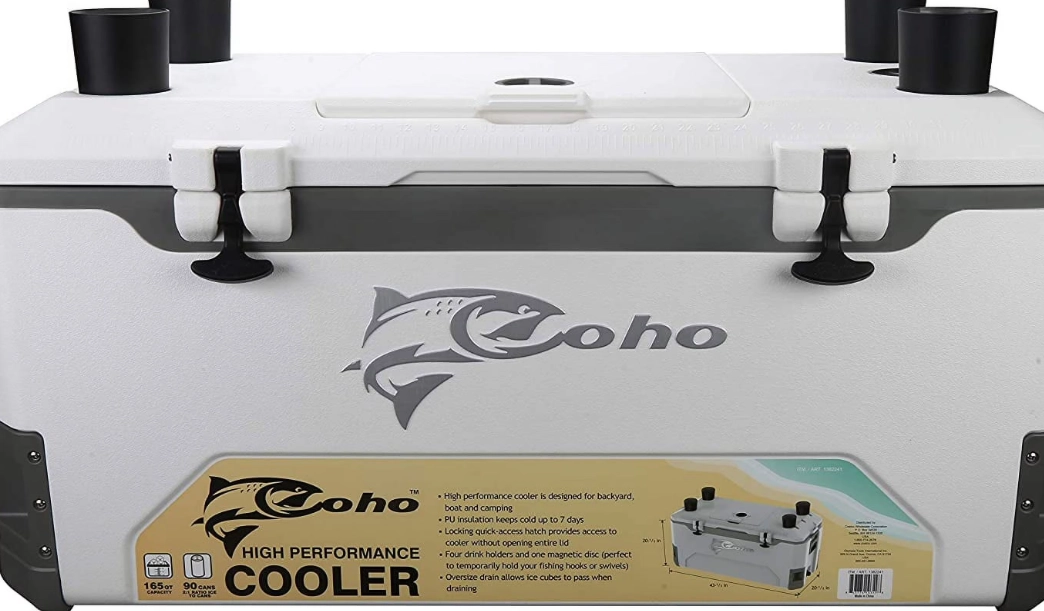
What's Inside This Guide
What Exactly is a Fishing Cooler with a Ruler?
Let's strip away the marketing speak. A fishing cooler with a ruler isn't just a cooler that someone stuck a sticker on. It's a purpose-built storage system designed with angler-specific needs in mind. At its core, it's a hard or soft-sided insulated container – your standard cooler – that has a precise, durable measuring scale permanently integrated into its interior. This is usually molded directly into the plastic liner or printed/embedded onto a dedicated measuring board that sits inside the lid or base.
The magic happens in the workflow. You land a fish. Instead of a frantic search for a separate tool, you simply place the fish directly onto the ruler inside your cooler. One glance gives you the length. If it's a keeper, it's already in the cooler, on ice, preserving its quality instantly. If it's undersized or you're practicing catch and release, you can measure and release it much faster, drastically increasing its survival odds. This isn't a gimmick; it's a fundamental improvement in efficiency and fish care.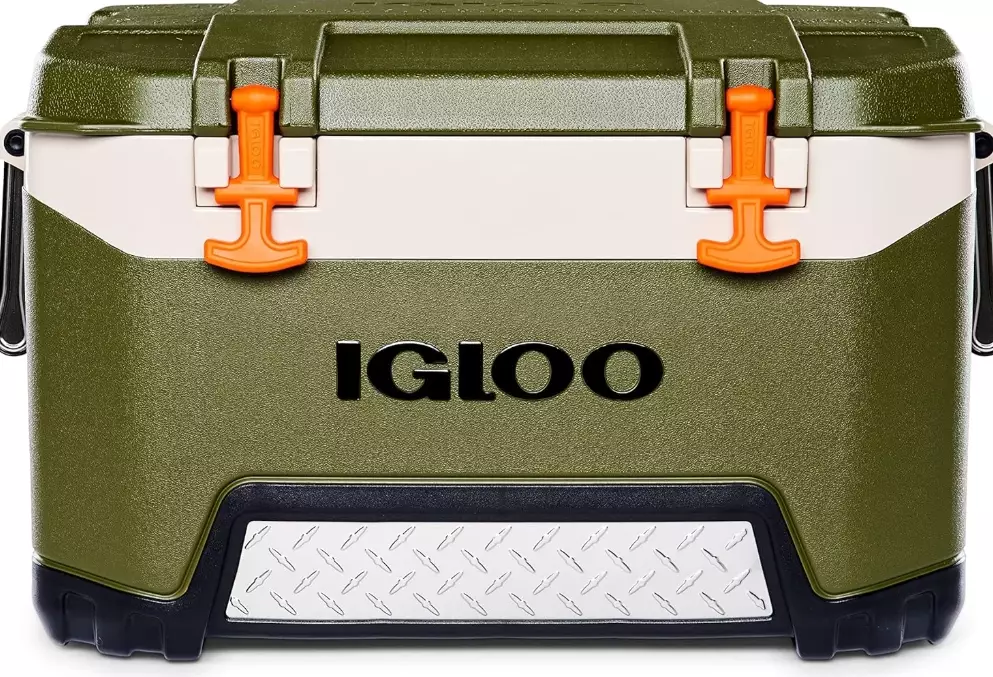
The Big Win: Compliance and Conservation
Many fisheries have strict slot limits (e.g., redfish must be between 18 and 27 inches). Guessing or using a rough measure can lead to accidental poaching or the unnecessary death of a protected fish. A built-in ruler gives you an immediate, definitive answer. This is crucial for both following the law, like the regulations outlined by the U.S. Fish and Wildlife Service, and for ethical angling. It removes the guesswork that harms fish populations.
How to Choose the Right Measuring Cooler for You
Not all ruler coolers are created equal. Picking the wrong one can leave you with a useless scale or a cooler that doesn't meet your needs. Forget the flashy ads; focus on these concrete factors.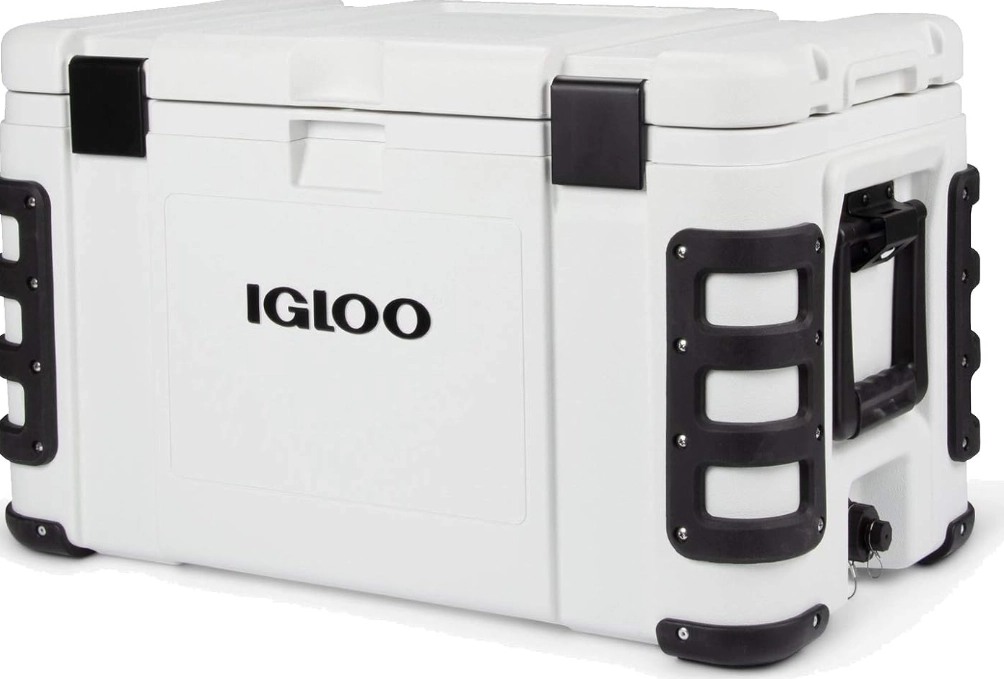
Size and Capacity: It's Not Just About Volume
Think about your typical catch. If you're mainly targeting panfish or trout, a 20-30 quart cooler might suffice. For inshore species like snook or striped bass, you'll want at least 40-50 quarts to lay them flat for an accurate measurement. Offshore anglers needing to measure tuna or mahi should be looking at 70+ quarts. Here's the kicker most people miss: the ruler needs to be long enough for your target species. A 24-inch ruler is useless if you're chasing 36-inch cobia. Always check the actual printed length of the measuring scale, not just the cooler's external dimensions.
Construction and Durability: Beyond the Ruler
The ruler is a feature, but the cooler itself is the product. You need it to perform its primary job: keeping ice. Look for rotomolded construction (like Yeti, RTIC) for maximum durability and ice retention for multi-day trips. Injection-molded coolers (like Igloo BMX) offer great value and good performance for day trips. Pay close attention to the gasket on the lid – a poor seal ruins insulation. The ruler itself should be engraved, inlaid, or made of a tough, UV-resistant material. Painted-on or cheap sticker rulers will wear off in a season, rendering the whole point moot.
The Ruler Details: Accuracy is Everything
This is where the devil is in the details.
- Material: Engraved plastic or rubberized inlays are best. Avoid anything that feels like a decal.
- Orientation: Is it on the lid, the bottom, or a removable board? Lid rulers are convenient but can be hard to read if the lid doesn't stay open. Bottom rulers mean placing fish directly on the cold, wet surface.
- Scale: Does it have both inches and centimeters? Are the markings clear and bold? Are there helpful slot limit markers (e.g., a highlighted area from 18" to 27")? These small touches make a huge difference in low light or when you're in a hurry.
How to Properly Use Your Measuring Cooler (It's Not Just Tossing Fish In)
Owning the tool is half the battle. Using it correctly is the other half. Here’s a step-by-step process I've refined over years.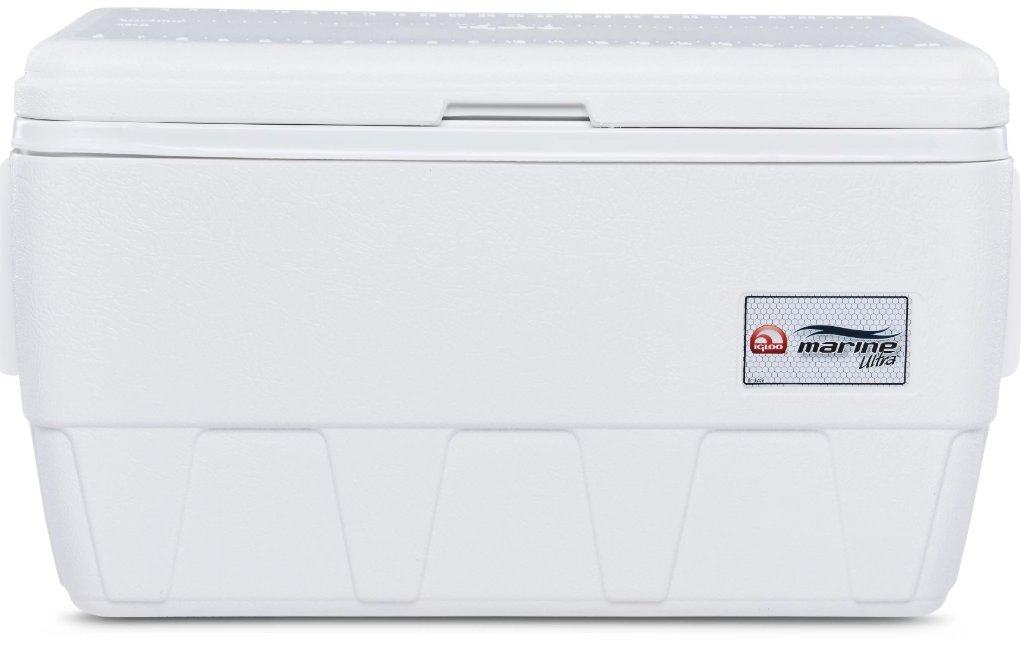
1. Pre-Trip Calibration (The Non-Negotiable Step): Before your first use, and maybe once a season, verify the ruler's accuracy. Use a trusted metal tape measure. Lay it flush against the cooler's built-in scale. I've seen brand-new coolers off by a quarter-inch, which is enough to matter. If it's wrong, you'll know not to trust it.
2. The Measurement Protocol:
- Always lay the fish flat on its side. A curved fish will give a false short reading.
- Close the mouth gently. The standard measurement for most regulations is Total Length – from the tip of the closed mouth (snout) to the farthest tip of the tail fin when pinched together.
- Align the snout with the "zero" mark. Don't just eyeball the middle of the fish.
- Press the tail fin lobes together to find the true end point. Read the measurement at that tip.
3. Post-Measurement Care: If releasing, have your dehooker ready and get the fish back in the water swiftly. If keeping, immediately cover it with ice, ensuring proper icing for best meat quality. A quick rinse of the ruler area prevents slime buildup, which can obscure the markings over time.
Top Brands and Models: A Real-World Breakdown
Based on hands-on use and feedback from other serious anglers, here’s how the major players stack up. This isn't just a spec sheet; it's about real performance.
| Brand / Model | Type & Typical Size | Ruler Features | Best For / The Reality Check |
|---|---|---|---|
| Yeti Tundra Haul with Measured Lid | Rotomolded Wheeled Cooler (50-75 Qt) | Engraved ruler on underside of lid. Includes inch/cm and common slot marks. | Best For: The angler who spares no expense and needs ultimate ice retention for long trips. Reality: Incredibly tough and accurate ruler. The lid is heavy, so propping it fully open to read the ruler can be awkward on a rocking boat. You're paying a premium for the cooler first, ruler second. |
| Igloo BMX Coolers | Injection-Molded (25-70 Qt) | Molded-in "Cool Ruler" on the interior base. Bold, easy-to-read numbers. | Best For: Value-conscious anglers who want a solid performer. Reality: This is the workhorse. The ruler is tough as nails and perfectly accurate. Ice retention is good for 1-2 days. The main downside is the ruler is on the bottom, so fish and ice sit directly on it, which can obscure the numbers until you move things around. |
| Fishpond Guide Sling Cooler | Soft-Sided Backpack Cooler (20L) | Removable, rigid measuring board that doubles as the back panel. | Best For: Wade fishermen, kayak anglers, or anyone who needs to hike to their spot. Reality: Brilliant design for mobility. The board is removable for easy cleaning. However, being soft-sided, ice retention is measured in hours, not days. It's a precision measurement tool for the mobile release angler, not a storage cooler for a meat haul. |
| Budget Generic Brands | Various (Often 30-48 Qt) | Printed or thin plastic sticker applied to the lid. | Best For: Trying the concept on a tight budget. Reality: You get what you pay for. The rulers fade, peel, or crack quickly. The cooler's insulation is often poor. It might work for a season of light use, but expect to upgrade. The ruler often feels like an afterthought. |
My personal go-to for most inshore trips is the Igloo BMX 52-Quart. The value-to-performance ratio is just unbeatable, and the ruler has held up for five years without fading. For kayak fishing, the Fishpond sling is a game-changer.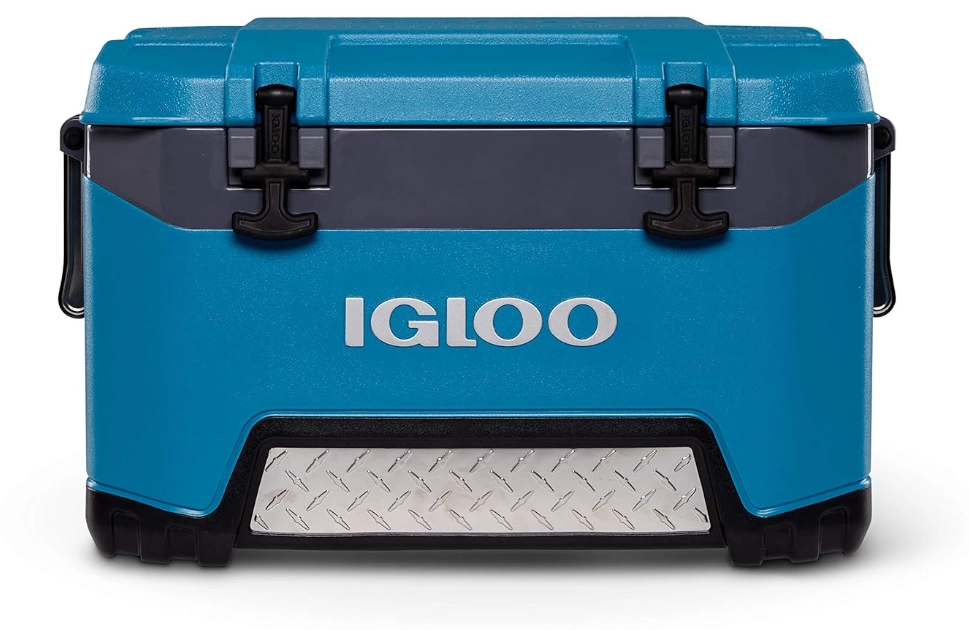
Your Questions, Answered (The Stuff Manuals Don't Tell You)
 What's the single biggest mistake people make when using these coolers?
Reader Comments