Master the Fishing Net Trap: A Complete Guide to Landing More Fish
Struggling to land fish after a great hookset? Our in-depth guide to the fishing net trap covers everything from net selection to perfect technique, ensuring you never lose another trophy catch.
You've felt the tug, set the hook perfectly, and fought the fish all the way to the boat or shore. Then, in the final seconds, it thrashes, the hook pops free, and your trophy disappears into the depths. Sound familiar? That gut-wrenching moment is why mastering the fishing net trap isn't just an add-on skill—it's the most critical part of the catch. It's the difference between a story of success and one of "the one that got away." I've seen more fish lost at the net than at any other point, often because anglers treat the net as an afterthought. Let's change that. Forget any Rube Goldberg contraptions. In modern angling, a fishing net trap refers to the strategic use of a landing net to securely and safely envelop a hooked fish, preventing its escape at the last moment. It's the final, decisive maneuver. The "trap" is the seamless coordination between rod, line, and net that leaves the fish with no exit route. It's not about trickery; it's about controlled, efficient capture. This is especially vital for catch and release fishing, where a smooth netting process minimizes stress and injury to the fish, directly impacting its survival rates after release—a point heavily emphasized by fisheries biologists and organizations like the American Fisheries Society. Grabbing any old net is your first mistake. The right net acts as an extension of your technique. Choose wrong, and you're fighting your own gear. Most anglers obsess over diameter but ignore shape, which dictates the "trap's" entry. Nylon is cheap and tangles hooks. Rubber or silicone-coated mesh is the professional standard now. It's easier on fish, easier on hooks, and lasts longer if you care for it. The cost difference is worth every penny for the fish's health and your sanity. Let's walk through a scenario: You're in a boat, and a decent-sized bass is beside it. Here's how an expert nets it. 1. Prepare Early, Net in Water: As soon as the fish is close, get your net. Don't wait. Submerge the entire net bag completely. A net hovering above the water spooks fish. 2. Control the Fish, Not the Net: Keep steady pressure on the rod, leading the fish's head. Your partner (or your other hand if alone) holds the net stationary in the water. The most common panic move is chasing the fish with the net. Don't. Let the fish come to the net. 3. Guide Over the Frame: Lead the fish's head over the submerged net hoop. Once the fish is centered above the net, this is the "trap" being set. 4. The Lift: In one smooth motion, lift the net straight up. The water's weight will cradle the fish. Do not swing or scoop. A straight vertical lift is key. 5. Secure and Contain: Once clear of the water, keep the net low and over the boat or ground. A thrashing fish in a raised net can fall out or injure itself. 1. The "Scoop of Doom": The classic error. Jabbing the net sideways or from behind the fish. It alerts the fish, gives it a surface to push off from, and usually results in a missed net and a lost fish. Fix: Submerge, guide, lift. 2. Netting Too Early: The fish still has energy and is swimming strongly. Trying to net it now is like trying to catch a running dog with a hula hoop. Fix: Be patient. Tire the fish until it's on its side, then net. 3. Lifting by the Handle Only: With a big fish in a large net, lifting by the telescopic handle can stress the joint and potentially collapse it. Fix: For heavy fish, support the net bag's rim with your other hand during the lift. 4. Using a Tiny Net: That 12-inch net for panfish looks silly with a 20-inch trout half hanging out. You risk injuring the fish and losing it. Fix: Match your net size to your target species. Bigger is usually safer. 5. Poor Communication (With a Partner): "Get it! Get it! NOW!" creates chaos. Fix: Designate one person as the netter. The angler says "I'm leading it to you" and guides. The netter stays quiet and ready. A frayed, smelly net is a liability. After each trip, especially in saltwater, rinse your net thoroughly with fresh water. Let it air dry completely before storing—mildew rots mesh. For rubber nets, avoid direct sunlight for prolonged periods when stored, as UV can degrade the material. Check the net bag for holes and the frame for corrosion at the joints annually.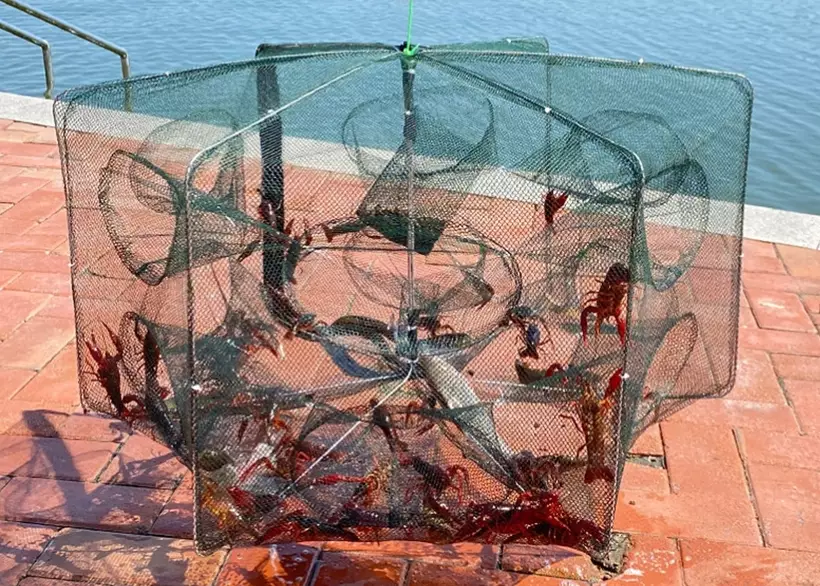
What You'll Learn in This Guide
What is a Fishing Net Trap, Really?
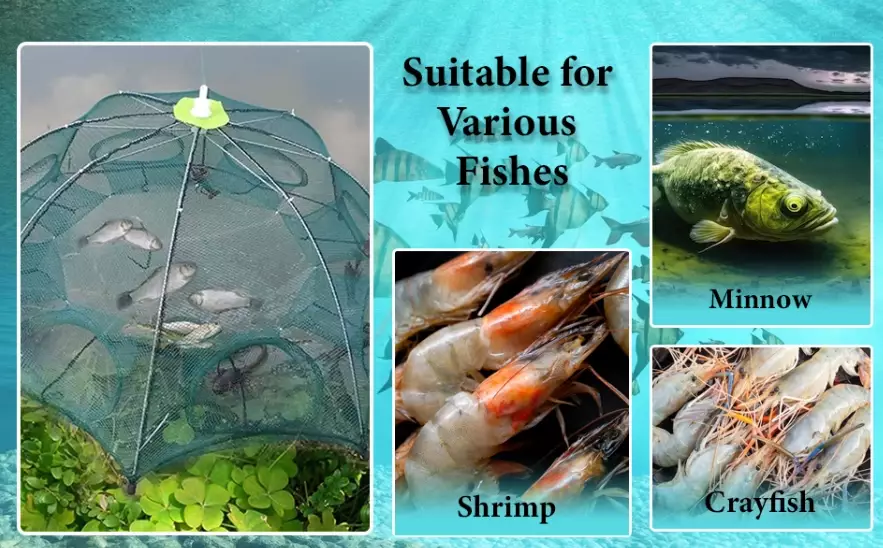
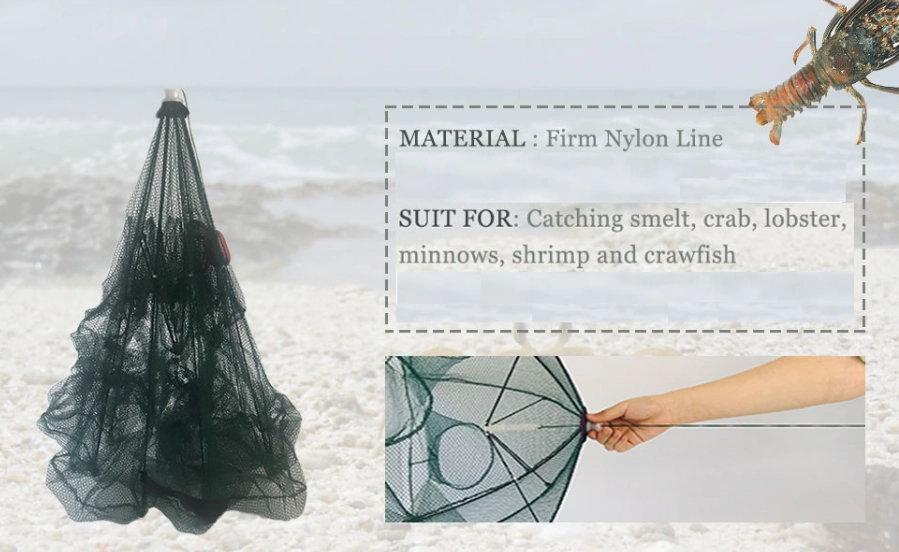
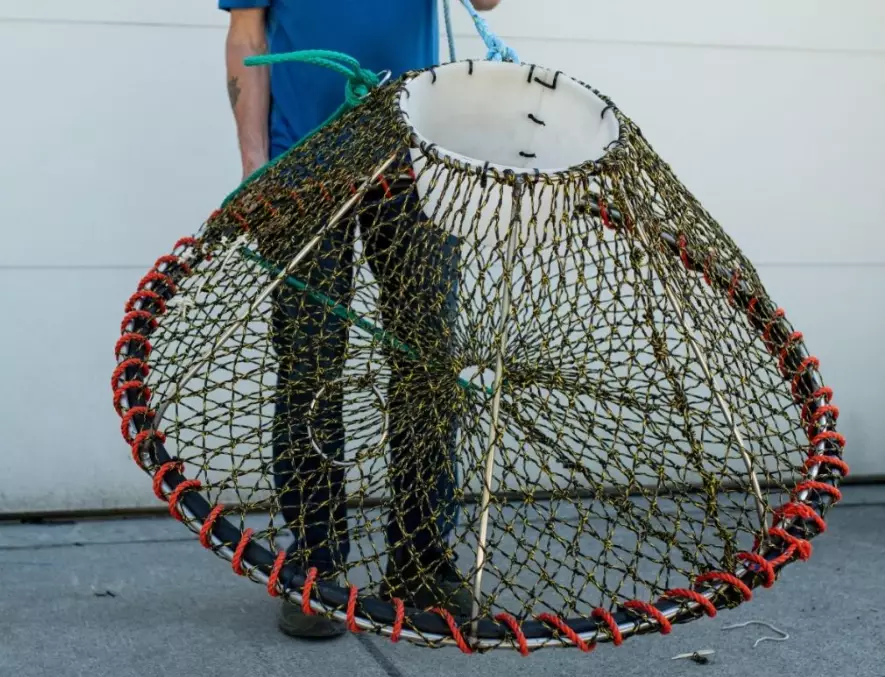
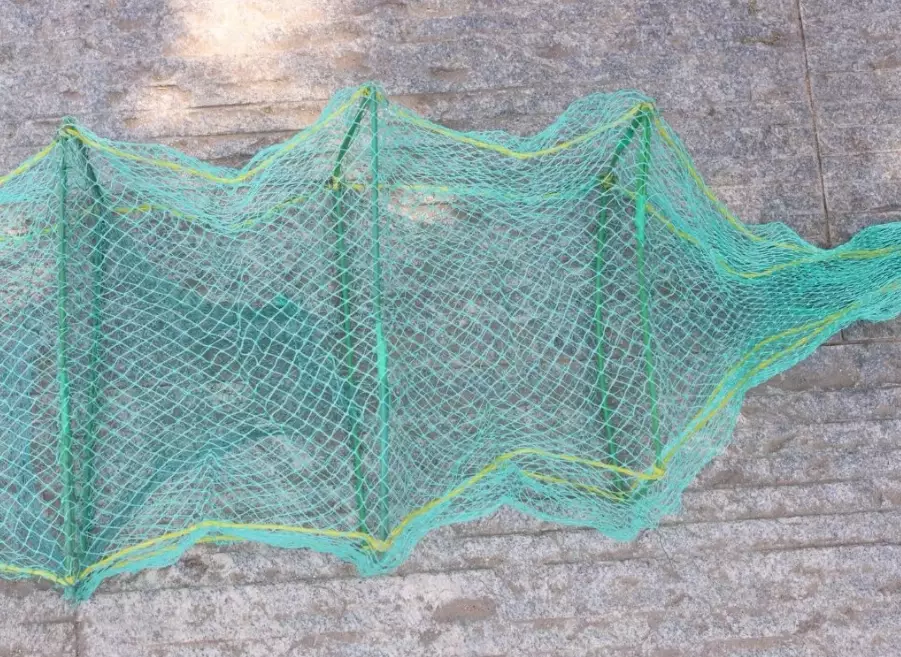
How to Choose the Right Fishing Net Trap for Your Needs
Net Shape: It's Not Just About Size
The Material & Mesh Deep Dive
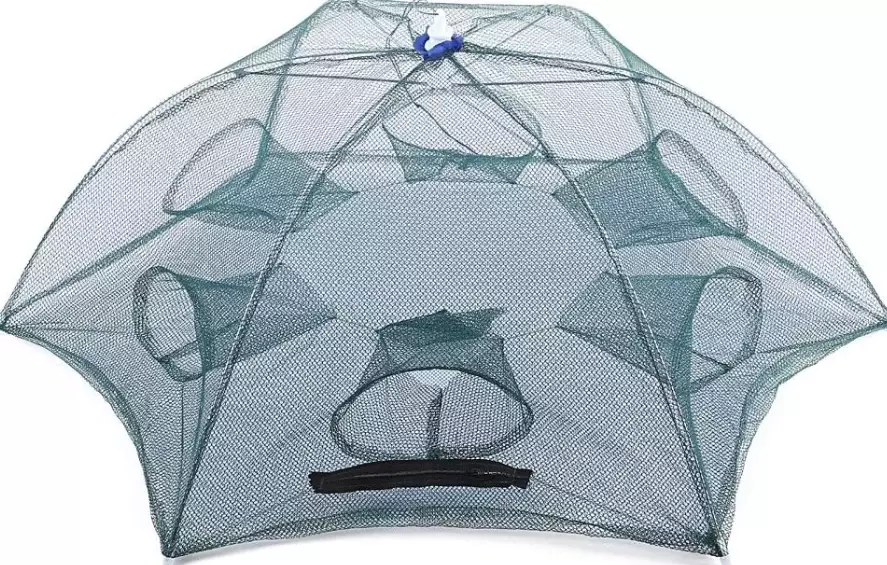
Net Type
Best For
Key Advantage
Watch Out For
Rubber-Coated Bag Net
Beginner anglers, mixed species, boat fishing
Forgiving, hook-resistant, fish-friendly
Heavier, can be bulky to store
Silicone Flat Net
Wading, kayak fishing, dedicated catch-and-release
Ultra-light, minimal fish handling, great in current
Less bag depth means you must guide fish perfectly
Folding Telescopic Net
Bank anglers, hikers, travelers with limited space
Extreme portability, quick deployment
Joints can fail; not for giant fish
Large Rubber Landing Net
Pike, musky, catfish, saltwater species
Heavy-duty, big capacity, protects large fish
Expensive, requires two hands to manage
The Step-by-Step Technique for a Perfect Net Trap
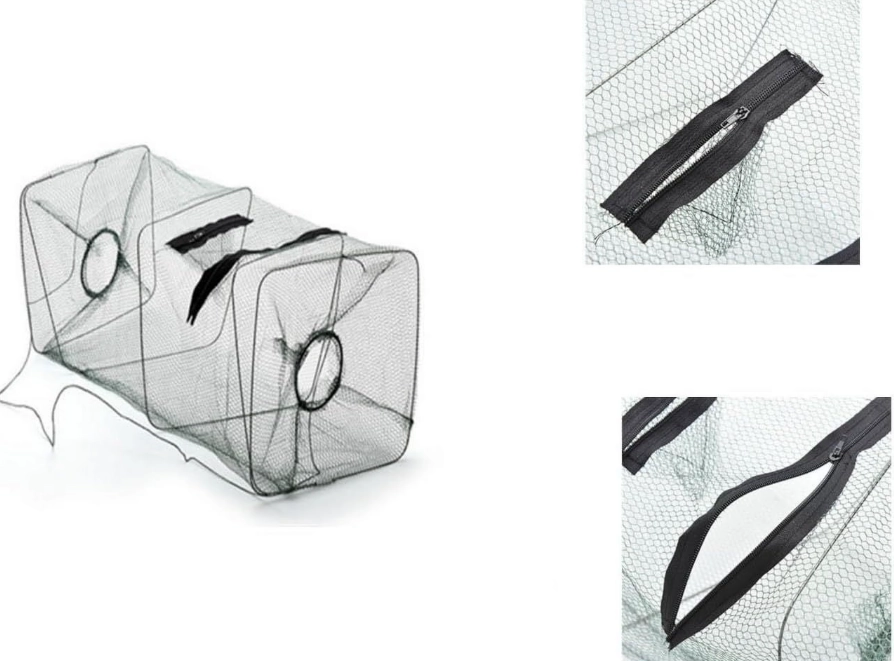
Top 5 Netting Mistakes That Cost You Fish
Net Care & Maintenance: Making Your Trap Last
Your Fishing Net Trap Questions, Answered
 What's the one piece of netting advice you'd give to a complete beginner?
 Mastering the fishing net trap transforms the most nerve-wracking part of fishing into a moment of calm, controlled success. It's the mark of an angler who respects the fight enough to finish it properly. Choose the right tool, practice the technique, and you'll turn those stories of loss into photos of victory.