Let's be honest. The rod, reel, and lure get all the glory. You spend hours researching them. But then you're on the bank or the boat, the sun's in your eyes, your line is tangled, and you're fumbling in a messy bag for a pair of pliers. That's when you realize the truth: a well-organized fishing accessories kit isn't just an add-on; it's what separates a frustrating chore from a smooth, successful, and genuinely enjoyable fishing trip. It's the difference between being a tackle-hauler and an efficient angler.
This guide isn't about listing random items. It's about building a system—a curated collection of tools that solve real problems before they happen. We'll break down the absolute essentials, the nice-to-haves, and how to tailor your kit whether you're wading a trout stream or chasing bass from a kayak.
What's Inside This Guide
Why a Dedicated Accessories Kit Matters More Than You Think
Think of your last fishing trip. How much time did you spend actually fishing versus fixing problems? A knot needs re-tying. A hook is buried deep. You need to change a leader. Without the right tool at your fingertips, each of these minor tasks becomes a major time-sink and mood-killer.
A dedicated kit solves this. It creates muscle memory. You know exactly where your line cutters are. Your forceps are always in the same pocket. This efficiency translates directly into more casts, more time with your lure in the water, and ultimately, more fish. The Recreational Boating & Fishing Foundation's Take Me Fishing initiative often highlights preparedness as a key factor in fishing enjoyment, especially for beginners. A good kit is the foundation of that preparedness.
It also protects your investment. Using proper pliers to crush barbs or remove hooks prevents damage to your expensive rod's finish. A dedicated hook sharpener keeps your hooks performing optimally, turning tentative nibbles into solid hooksets.
The Non-Negotiables: Your Core Fishing Kit Components
Every angler's kit will look slightly different, but these items are the universal workhorses. Don't hit the water without them.
1. The Cutting Tools: More Than Just Scissors
You need a way to cut line. But not all cutters are equal. Flimsy nail clippers or cheap scissors will struggle with modern braid.
- Line Cutters/Clippers: Look for ones with a small, sharp notch for braid. The Boomerang Snip or the Dr. Slick Ranger are classics for a reason—they're foolproof and hang on a lanyard.
- Side-Cutting Pliers: This is your heavy-duty tool. Must have a sharp side-cutter for slicing through heavy mono, fluorocarbon, or wire leaders. Brands like Bubba Blade or Van Staal make corrosion-resistant models that last.
2. The Extraction Team: Pliers and Forceps
Getting a hook out safely is paramount—for you and the fish.
- Long-Nose Pliers (with Crimper): Essential for bass fishing with Texas rigs, for pinching split shot, and for mashing down barbs (a requirement in many catch-and-release waters). The 7-inch length is a good all-arounder.
- Hemostat Forceps: Lighter and more precise than pliers. Perfect for small trout flies, panfish hooks, or removing a deeply swallowed hook from a fish's gullet with minimal damage. Get a curved tip version; it provides better leverage.
3. The Knot & Terminal Tackle Masters
This is where kits often fall short.
- Hook Sharpener (Diamond or Ceramic): A hook is a knife edge. It dulls on rocks, wood, and fish bone. A few strokes before you tie on a lure can be the difference between a pin-prick and a solid hookset. The EZE-LAP DMT diamond folders are superb.
- Knot Tying Tool (Knot Tier): Not just for beginners. In cold weather, with wet hands, or when tying a complex leader knot like an FG to braid, a tool like the Tie-Fast Knot Tyer is a game-changer for consistency and speed.
- Split Ring Pliers: Trying to open a split ring with your fingernails or regular pliers is a recipe for frustration and broken nails. A dedicated pair with a sharp tip makes changing hooks on crankbaits or lures a 5-second job.
How to Choose the Right Fishing Accessories Kit for You
Are you a bank angler with a backpack? A kayak fisherman with limited space? A fly fisher wading a river? Your environment dictates your kit.
Let's run through a couple of scenarios:
Scenario A: The Bass Bank Angler (Mike)
Mike carries a backpack. He needs a kit that's comprehensive but not bulky. He opts for a soft, zippered organizer case with multiple compartments. His core items are heavy-duty: 7-inch side-cutting pliers, a robust hook sharpener, and split ring pliers for constant lure changes. He adds a small digital scale and a ruler sticker on his rod butt. His kit lives permanently in his backpack's main compartment.
Scenario B: The Inshore Saltwater Kayak Angler (Sarah)
Space is premium, and everything gets wet. Sarah's priority is corrosion resistance. She chooses a small, waterproof hard case (like a Pelican 1040 micro case). Inside, she has titanium-coated forceps, line cutters on a floating lanyard, and a compact knot tier. She forgoes bulky pliers for a high-quality multi-tool that includes pliers, a knife, and a screwdriver for gear repairs on the water. This case gets tethered to her kayak's crate.
| Fishing Style | Recommended Kit Type | Critical Add-Ons | What to Skip |
|---|---|---|---|
| Ultralight / Trout (Stream) | Small waist pack or sling bag | Hemostats, fine-line nippers, floatant, tippet spools | Large pliers, heavy cutters |
| Bass / General Freshwater (Boat/Bank) | Medium soft organizer in backpack/tackle bag | Long-nose pliers with cutter, hook sharpener, scale | Overly specialized fly-tying tools |
| Saltwater (Surf/Kayak) | Waterproof hard case or corrosion-resistant roll | Stainless/Titanium tools, hook file, shock leader material | Non-stainless steel tools, fabric pouches |
| Travel / Airline Fishing | Minimalist pouch in checked luggage | Multi-tool (check TSA!), compact forceps, pre-tied leaders | Anything sharp that can't go in checked bags |
Pro-Level Organization and Maintenance Tips
A messy kit is a useless kit. Here’s how the guides I've fished with keep their gear battle-ready.
The Ziplock Bag Method: Group items by function inside small, clear bags within your main case. One bag for knot-tying (tippet, leaders, knot tool). One for cutting (clippers, pliers). One for first-aid (sunblock, lip balm, bandaids). When you need something, you pull out the entire module, not rummage through a pile.
Monthly Maintenance Ritual: Once a month, empty the entire kit. Wipe down every tool with a rag lightly sprayed with corrosion inhibitor (like WD-40 Specialist Corrosion Inhibitor). Check the sharpness of cutters and hook files. Replace worn-out items. This 10-minute task prevents the heartbreak of rusty, seized pliers on a big trip.
Label Your Gear: Use a label maker or a permanent marker to put your initials on every tool. In a group boat trip or when lending gear, you'll always get yours back.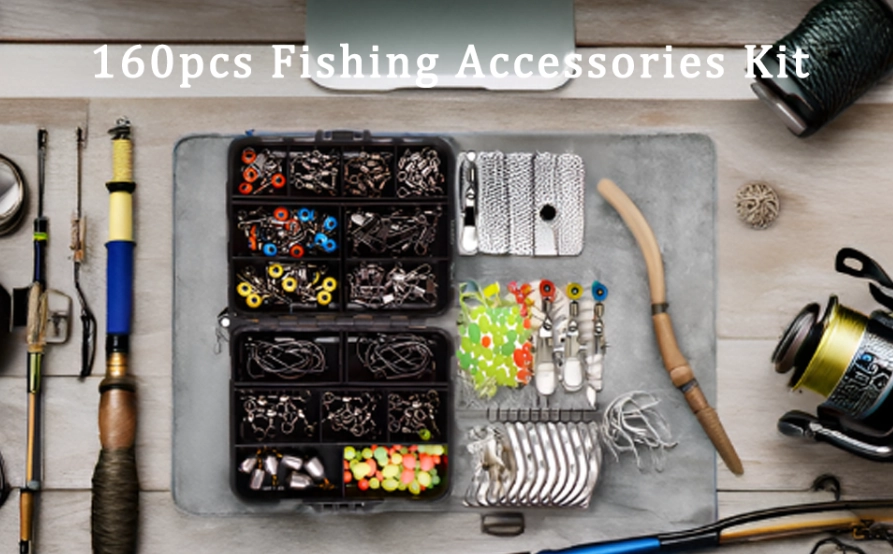
Building a Sustainable and Eco-Friendly Kit
Our hobby depends on healthy waters. Your kit choices can reflect that. The U.S. Fish and Wildlife Service promotes practices that minimize angling's environmental impact.
- Choose Durability: Buying a high-quality, corrosion-proof tool that lasts 10 years creates less waste than buying three cheap ones that rust and fail.
- Barbless is Best: Use your pliers to crush barbs, or buy barbless hooks. It makes release faster, safer for the fish, and easier for you.
- Waste Line Collector: Attach a small "line snip" or a piece of Velcro to your kit to store used monofilament until you can dispose of it properly at a recycling bin (found at many bait shops and piers). Never throw it in the water.
- Natural Bait Alternatives: Keep a few packs of biodegradable soft plastics (like those from Z-Man's ElaZtech) in your kit as a backup. They last longer than traditional plastics and won't persist in the environment if lost.
Your Fishing Kit Questions, Answered
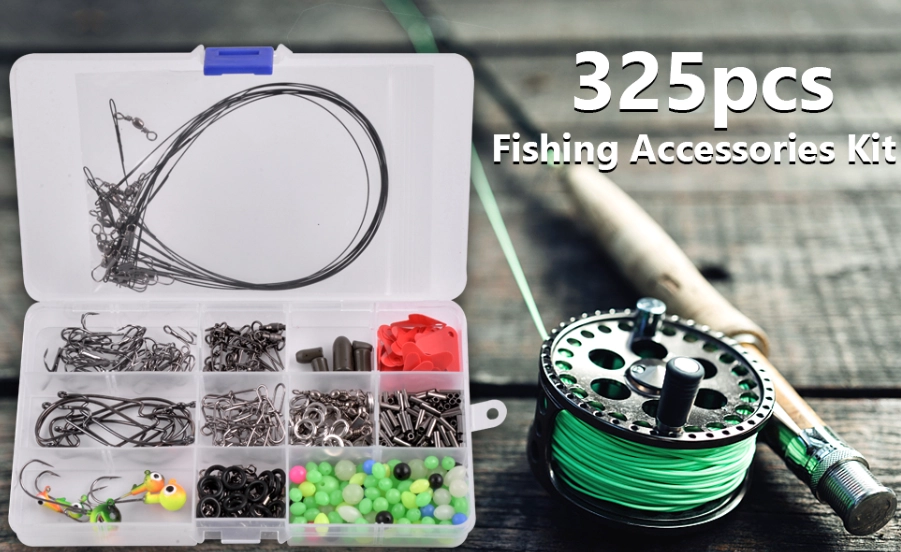
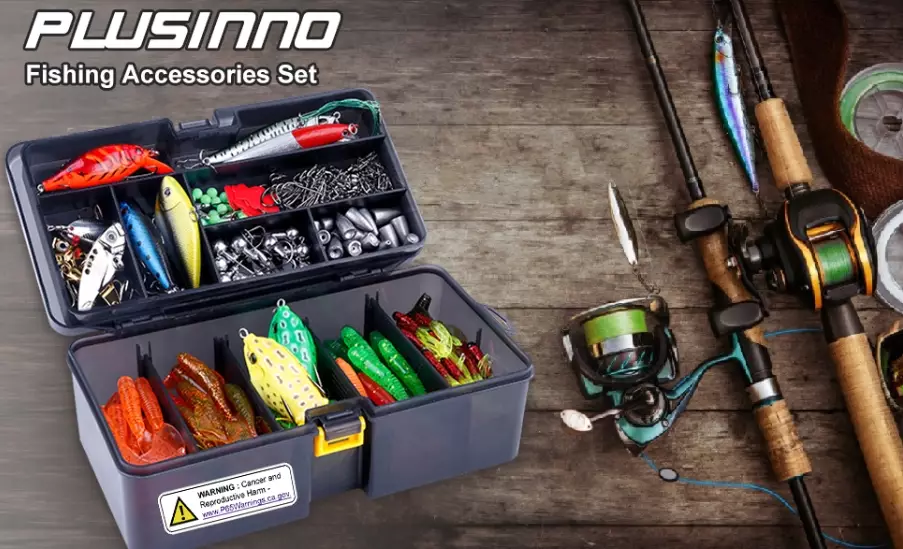 Building your perfect fishing accessories kit is an ongoing process. You'll add a tool for a specific problem, remove something you never use. But starting with a solid foundation of core tools—organized, maintained, and tailored to your fishing—will pay you back in more fishing time and less fuss every single time you're on the water. Now go check your pliers for rust.
Reader Comments