Let's be honest. For years, my fishing trips started with a familiar ritual of frustration: a tackle box in one hand, a rod in the other, a net tucked under my arm, and my lunch swinging from a strap on my shoulder. I'd get to the water's edge already feeling cluttered. Then I tried a proper fishing bag with a built-in rod holder. It wasn't just an upgrade; it felt like discovering a cheat code. Suddenly, I had two free hands to navigate slippery banks, set up quickly, and actually enjoy the walk to my spot. This isn't just about carrying stuff; it's about transforming your entire approach to fishing, from the parking lot to the cast.
What You'll Find in This Guide
Why a Bag with a Rod Holder is a Game-Changer
Think of it as consolidating your gear into a single, mobile unit. The primary benefit is obvious: hands-free mobility. But the real magic happens in the secondary benefits you only appreciate after using one.
Rod Security and Safety: A rod strapped to the side of a bag is far less likely to get snapped in a car door, caught on low-hanging branches, or stepped on. The rod tip is elevated and protected. I learned this the hard way after breaking a favorite rod tip on a car window frame while juggling gear.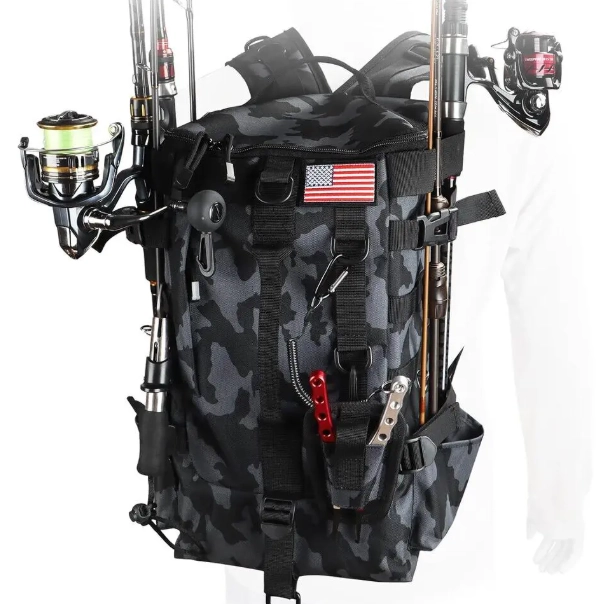
Speed and Efficiency: When you're bank fishing and want to move 50 yards down the shoreline, you just grab the bag's handle and go. No collecting loose items. This is huge for techniques like bass fishing where covering water is key.
Reduced Fatigue: Distributing weight across your back with a backpack-style bag is infinitely more comfortable than carrying a heavy, one-sided tackle box for hours. Your posture will thank you after a long day.
How to Choose the Right Fishing Tackle Bag: 5 Key Factors
Not all bags are created equal. Picking the wrong one can leave you with the same organizational headaches. Don't just buy the first one you see. Consider these aspects like a seasoned angler would.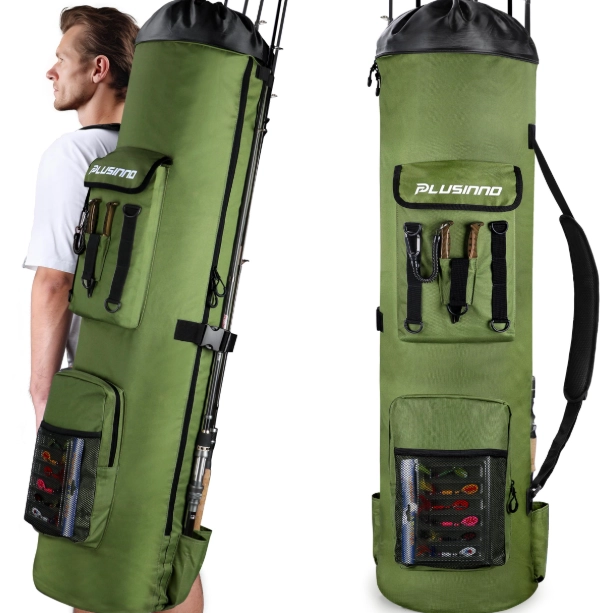
1. Bag Type & Carrying Style: Backpack vs. Shoulder Bag vs. Sling
This is your first and most important decision. It dictates everything about comfort and access.
- Backpack Style: The king of comfort for long treks. Distributes weight evenly. Ideal for hiking into remote ponds, kayak fishing, or long days on the bank. The downside? You have to take it off to access most compartments. Look for ones with "quick-access" side pockets for pliers and leader.
- Shoulder/Messenger Bag: Offers the fastest access to all your gear. Swing it around to your front and everything is right there. Perfect for pier fishing, boat hopping, or situations where you're not moving far but need to change lures frequently. Can become uncomfortable if heavily loaded.
- Sling Bag: A hybrid. Worn across the chest, it allows you to swing it around without fully removing it. Great for minimalist, ultra-mobile setups. Capacity is usually limited.
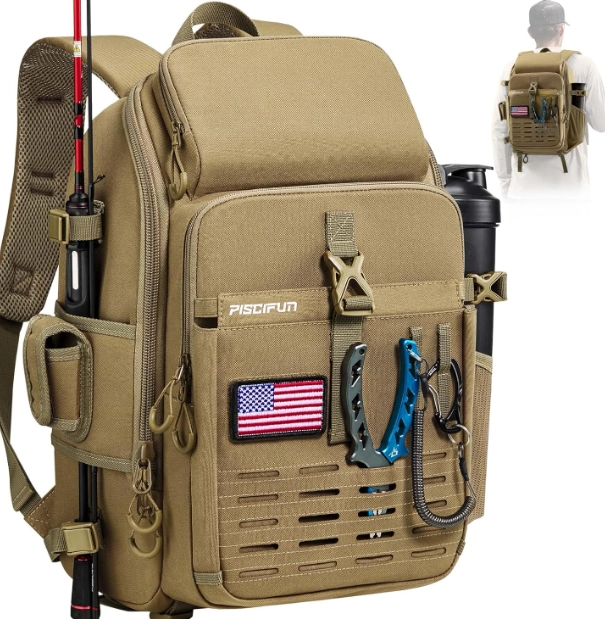
2. The Rod Holder Itself: Design is Everything
This is the feature you're buying it for, so scrutinize it. A bad holder is worse than none at all.
- Attachment Method: Is it sewn-on, or does it use straps with buckles or Velcro? Sewn-on is more durable but less adjustable. Straps offer more flexibility for different rod handle sizes.
- Material & Padding: The holder should have a soft, non-abrasive interior to protect your rod's finish. Neoprene is excellent. Avoid hard plastic or rough nylon directly against the blank.
- Security: Does it have a secondary retention strap near the top of the rod handle to prevent it from sliding out if you tilt the bag? This is a critical feature many cheap bags omit.
3. Capacity & Internal Organization
More pockets aren't always better. Smart pockets are.
Think about your actual gear. How many plastic tackle boxes (like 3700 size) do you need to carry? Most bags list this capacity (e.g., "Holds 4 x 3700 boxes"). Be realistic. Carrying too much is a common mistake. Look for a dedicated, padded pocket for sunglasses. A waterproof pocket or pouch for your phone and keys is non-negotiable. External mesh pockets for water bottles or a wet rain jacket are incredibly useful.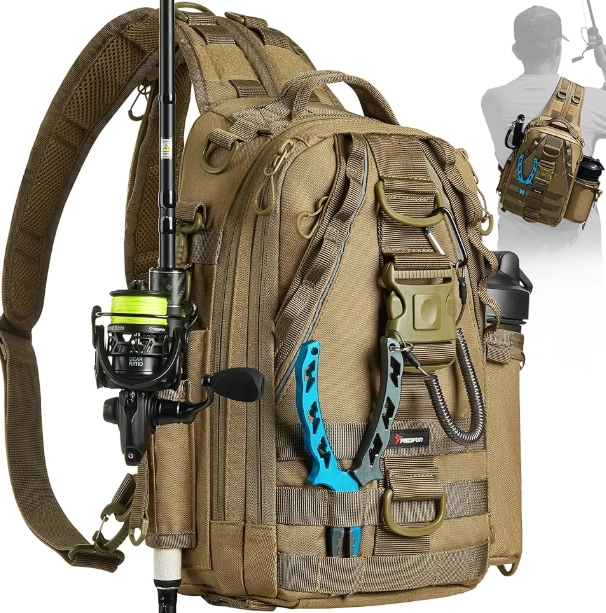
4. Material & Durability
This is where price often reflects quality. You're dragging this bag through dirt, sand, and water.
- Cordura Nylon: The gold standard. Highly abrasion-resistant and durable. It's what military gear is made from.
- Polyester: Common and cost-effective. Can be plenty durable with a good thick denier (a measure of fabric thickness). Look for coatings like PU (polyurethane) for water resistance.
- Check the Zippers: YKK zippers are a sign of quality. Large, rubberized zipper pulls are easier to use with wet or cold hands. Rust-proof zippers are a must.
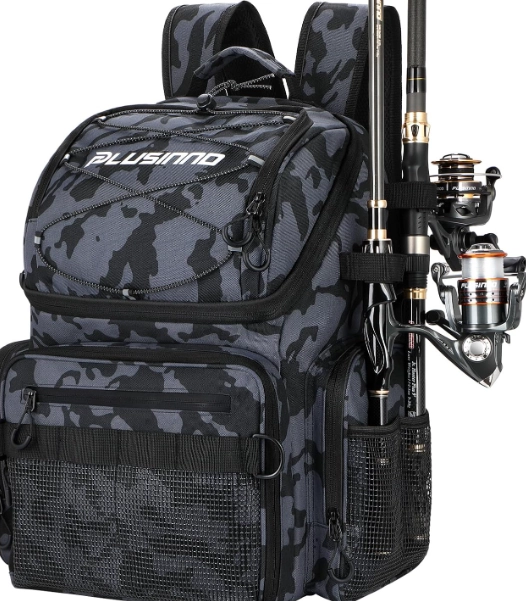
5. Comfort Features (For Backpacks Especially)
If you choose a backpack, don't ignore the harness system.
Padded, breathable shoulder straps and a padded back panel make a world of difference. A sternum strap helps stabilize the load. A waist belt, even a simple one, transfers weight from your shoulders to your hips on longer hikes—this is a pro-level feature most casual anglers overlook but will cherish on a two-mile hike.
| Bag Type | Best For | Biggest Pro | Potential Con |
|---|---|---|---|
| Backpack | Hiking, kayaking, long bank sessions | Superior weight distribution and comfort for movement | Slower access to main compartments |
| Shoulder Bag | Pier fishing, boat fishing, quick lure changes | Instant, full access to all gear without removing bag | Can cause shoulder fatigue with heavy loads |
| Sling Bag | Minimalist travel, fly fishing, urban fishing | Good access without full removal, very mobile | Limited storage capacity |
Mastering Gear Organization Inside Your Bag
A bag is just a shell. Your organization system is the brain. Here’s how I set mine up for a typical freshwater bass trip.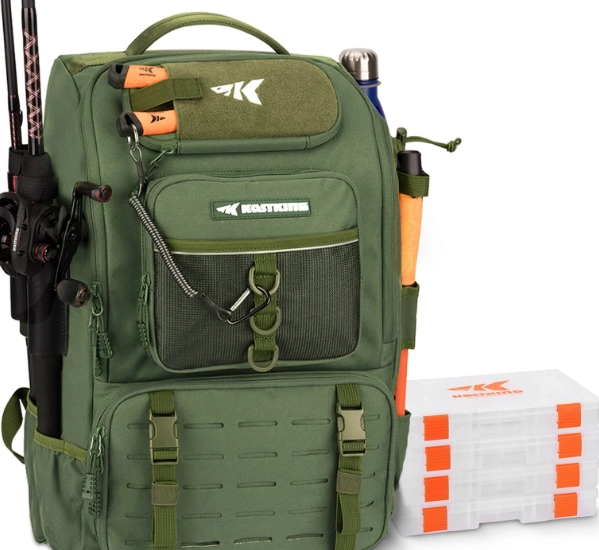
The Core System: Use Plastic Boxes. Don't dump loose lures into the main compartment. Use clear, modular plastic boxes (Plano, Flambeau, etc.). Label them with a marker: "Topwater," "Jigs/Craws," "Crankbaits," "Soft Plastics." This lets you grab exactly what you need without rummaging.
Dedicate Zones: My backpack's main compartment holds 3-4 boxes. The front organizer panel holds scissors, forceps, scale, leader spools, and hook sharpeners. The left side pocket has my pliers (always accessible). The right side pocket holds a small first-aid kit and bug spray. The top quick-grab pocket has my line clippers, sunglasses, and a granola bar. Phone goes in the internal waterproof pouch.
This "zone" system means I never think "where are my pliers?" They're always in the left pocket. Muscle memory saves time and frustration.
Practical Field Tips & Common Mistakes to Avoid
Here’s the stuff you learn from seasons of use, not from the product description.
Balancing Your Load: If you're carrying multiple rods, consider putting one in the holder and strapping a second to the opposite side of the bag using the compression straps. This balances the weight and keeps both rods secure. Just make sure the reel seats won't rub against each other.
The "Quick Access" Trap: That easy-access pocket on the shoulder strap is perfect for a bottle of scent or a small tool. But don't overstuff it. I once loaded mine with heavy jig boxes, and it threw off my balance and strained the stitching.
Post-Trip Maintenance: This is the most ignored step. When you get home, empty ALL pockets. Rinse the bag with fresh water, especially if you were in saltwater or muddy conditions. Leave it open to air dry completely before storing. A mildewy bag is a ruined bag. I also recommend a silicone spray on the zippers once a season to keep them smooth.
A Negative I've Encountered: Some cheaper backpack models have the rod holder placed too low. This means the rod tip sticks way up high, constantly catching on tree branches when you're walking through woods. When shopping, look at the product photos and imagine where the tip of a 7-foot rod would end up.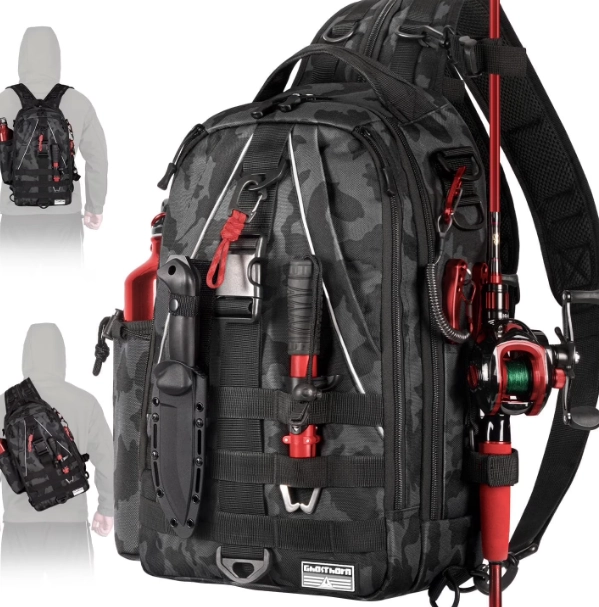
Your Top Questions, Answered
Investing in a well-chosen fishing bag with a rod holder isn't about buying another piece of gear. It's about buying back your focus, comfort, and efficiency on the water. It turns the chore of hauling your stuff into a non-issue, so you can spend more mental energy on reading the water, presenting your lure, and ultimately, catching fish. Start by honestly assessing how you fish most often, pick the style that matches, and you'll wonder how you ever managed without it.
Reader Comments