I learned the hard way why a truly waterproof fishing bag isn't just a nice-to-have. It was a late-season bass trip, the sky opened up, and my trusty "water-resistant" backpack soaked through in minutes. My phone died, my spare reels started to feel gritty, and the energy bars turned to mush. That soggy disaster cost me over $300 in repairs and replacements. Since then, I've tested over a dozen bags across kayak fishing, surfcasting, and boat trips. Let's cut through the marketing hype. A real waterproof fishing bag is your first line of defense, not just against rain, but against spray, waves, accidental dunks, and the daily grind of moisture. This guide is about finding one that actually works and using it right.
What's Inside? Your Quick Navigation
Why "Waterproof" Matters More Than You Think
Most anglers think of rain. I think of the boat deck awash with water, the wave that crashes over the kayak bow, or the simple act of placing your bag on damp grass. Moisture is relentless. A proper waterproof bag protects three key things: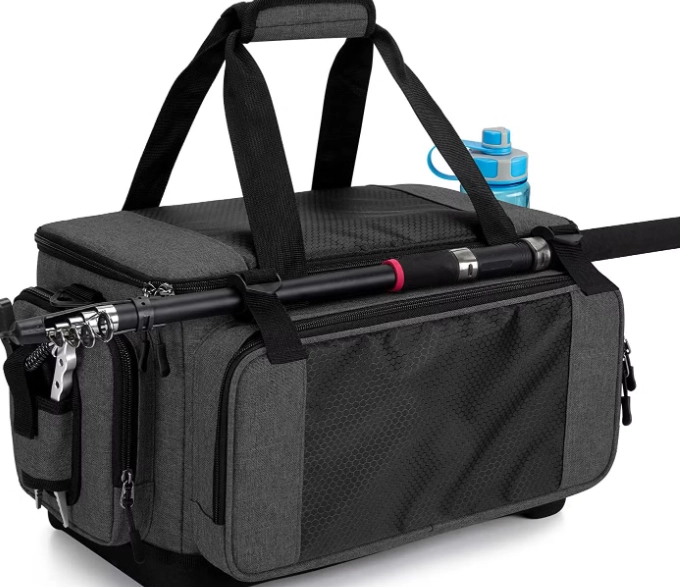
Your Electronics: Phones, fish finders, GPS units. Saltwater spray is a killer. Even a foggy morning can seep into a non-sealed bag and cause corrosion over time. The Take Me Fishing initiative often highlights protecting gear as a key part of responsible fishing.
Your Tackle: Rust doesn't sleep. Hooks, jig heads, split rings – they all start to degrade the moment they get wet. A dry bag keeps your expensive hard lures and metal components fish-ready.
Your Personal Stuff: Dry clothes, a wallet, your car keys, lunch. Ending a cold day in wet clothes isn't just uncomfortable; it's a safety risk.
The Non-Consensus Point: Many guides talk about IP ratings (Ingress Protection). For fishing, chasing a super-high IPX8 rating for total submersion is often overkill and adds cost. Unless you're planning to drag your bag underwater, focus on bags rated for heavy rain and spray (IPX4-IPX6). The real enemy is prolonged exposure and water pressure from sitting in a puddle, not a 30-foot dive.
How to Choose a Waterproof Fishing Bag: The Real Checklist
Forget just picking the coolest-looking one. Match the bag to your fishing style. A bank angler needs different things than a kayak fisherman.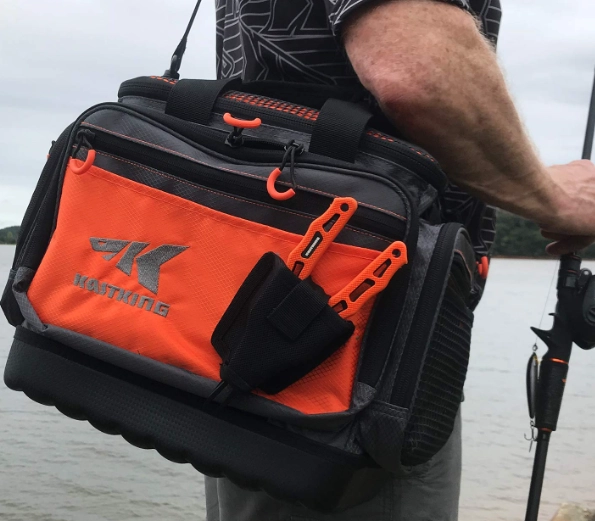
| Fishing Style | Key Priorities | Recommended Capacity | Material to Look For |
|---|---|---|---|
| Kayak / Canoe | Submersible rating, multiple attachment points, streamlined shape. | 20-30 Liters | Heavy-duty PVC or TPU. Avoid cheap vinyl. |
| Surf / Wading | Quick-access tops, sand/salt resistant zippers, comfortable long-term wear. | 15-25 Liters | Cordura nylon with welded seams and waterproof lining. |
| Boat Fishing | Durable bottom, organizational panels, ability to stand upright. | 25-40 Liters | Robust tarpaulin or high-denier polyester. |
| Bank / Pier | Lightweight, comfortable straps, multiple compartments for quick access. | 10-20 Liters | Lightweight TPU or coated nylon. |
Capacity is a trap new anglers fall into. Bigger isn't better; it's heavier and encourages you to overpack. For a half-day trip, 20 liters is usually plenty for 2-3 tackle boxes, rain gear, and personal items. I made the mistake of buying a 40L monster for kayaking – it was always in the way.
Look at the closure system. Roll-top dry bags are supremely waterproof but a pain to get into frequently. Waterproof zippers (like YKK AquaGuard) are a great compromise for tackle bags, offering good protection with easier access. I'm not a fan of bags that rely solely on a flap over a standard zipper; water always finds a way in.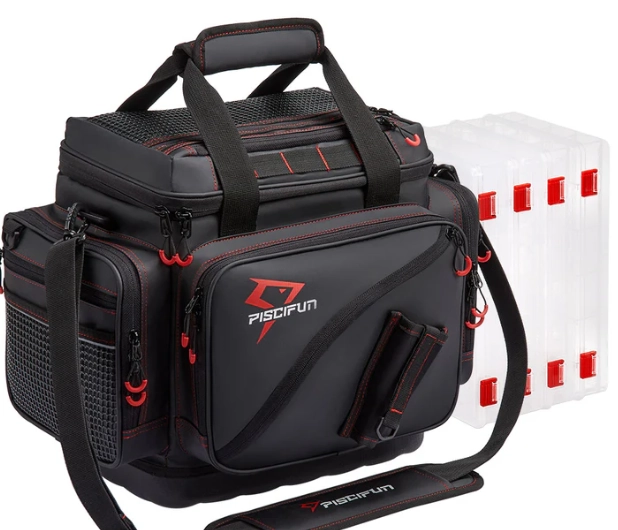
Top Waterproof Features: A Breakdown of What Works
Let's get technical on what makes a bag genuinely waterproof.
1. Seam Construction: The Make-or-Break Detail
This is where cheap bags fail. Stitched seams have thousands of tiny needle holes. Unless they're sealed, water will seep through. Welded or taped seams are non-negotiable for true waterproofing. Run your finger along the inside seam. If you feel stitching and no sealing tape, view that bag with extreme skepticism for wet conditions.
2. Zippers and Closures
A waterproof zipper has a rubberized coating on the back of the teeth. They can be stiffer to open. A common mistake is forcing them or packing material in the teeth, which breaks the seal. Always clear the zipper path before closing. For roll-tops, the magic is in the buckle or clip system. It needs to create even pressure across the roll. A poorly designed clip will leave gaps at the ends.
3. Material and Coatings
PVC Tarpaulin is tough and affordable but can get stiff in cold weather. TPU (Thermoplastic Polyurethane) is more flexible, eco-friendlier, and doesn't have a plastic smell. Coated nylon (like 600D polyester with a PU coating) offers a good balance of durability and water resistance for non-submersion use. The coating can wear off at stress points over time, so check warranty info from brands like Plano or Shimano.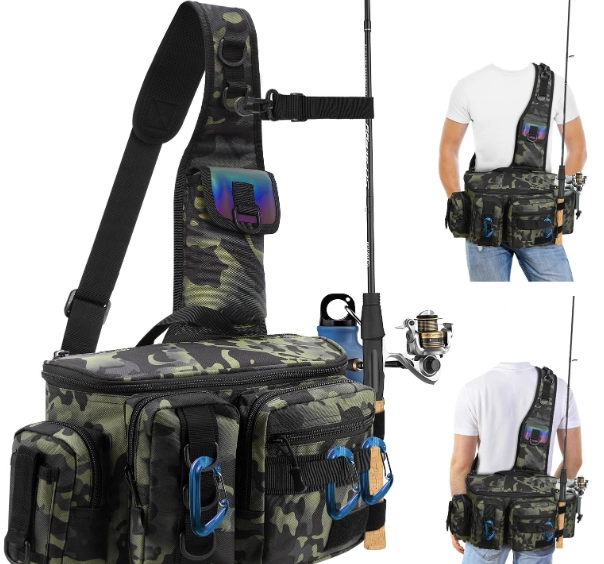
4. The Often-Forgotten: Drainage and Ventilation
A good fishing-specific waterproof bag has a drain hole at the bottom. Why? Because you'll put wet things in it (a caught fish for photos, a wet rain jacket). That water needs to escape so it doesn't slosh around inside. Mesh backing on the straps or breathable panels also prevent your back from becoming a sweaty mess, which is its own kind of moisture problem.
5. Internal Organization (The Liner)
Many bags have a waterproof shell but a standard fabric liner. If you spill a drink inside or put in a wet lure, that moisture gets trapped in the liner. Look for bags with a coated or removable liner you can wipe down. My current favorite, the Orvis Submersible Sling, has a fully waterproof, wipe-clean interior – a game-changer after a muddy day.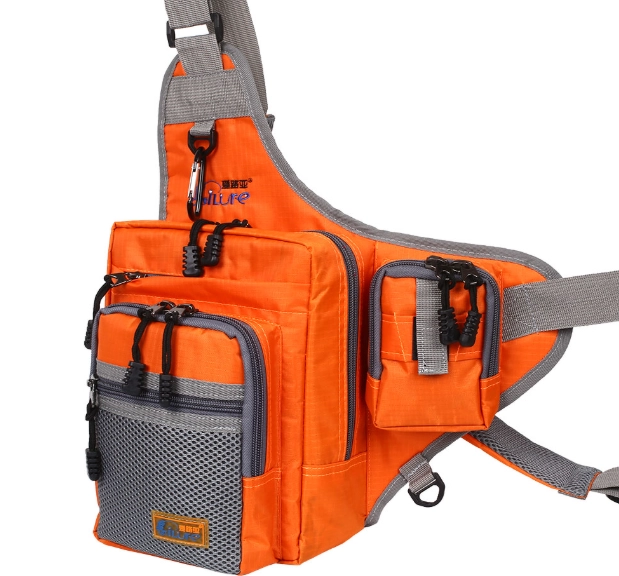
Using and Maintaining Your Waterproof Bag Like a Pro
Buying the bag is half the battle. Using it wrong will still get your gear wet.
Packing It: Don't overstuff it. An overstuffed roll-top can't seal properly, and zippers are strained. Place items you need often (sunscreen, pliers) in external pockets if they have them, or at the very top. Use smaller dry bags inside your main bag for absolute critical items (phone, wallet). Double-bagging is a pro move for electronics.
On the Water: Even a submersible bag has limits. Don't let it float in the water for hours; water pressure at the seams increases over time. If you're in a kayak, tether it. I use a simple carabiner and cord to clip it to a D-ring. If a wave hits, it doesn't go overboard.
Maintenance (Where Most Go Wrong):
Rinse it with fresh water after every saltwater trip, especially the zippers. Salt crystals will degrade seals and coatings. Let it air dry fully open and upside down. Closing a damp bag is the fastest way to grow mildew inside. For zippers, a silicone-based lubricant (like McNett Zipper Care) once a season keeps them smooth without attracting dirt. Never use petroleum jelly.
Check the seams annually. Flex the material near the seams. If you see tiny cracks in the welded seam or the tape peeling, it's time for a repair kit or to retire the bag for less critical use.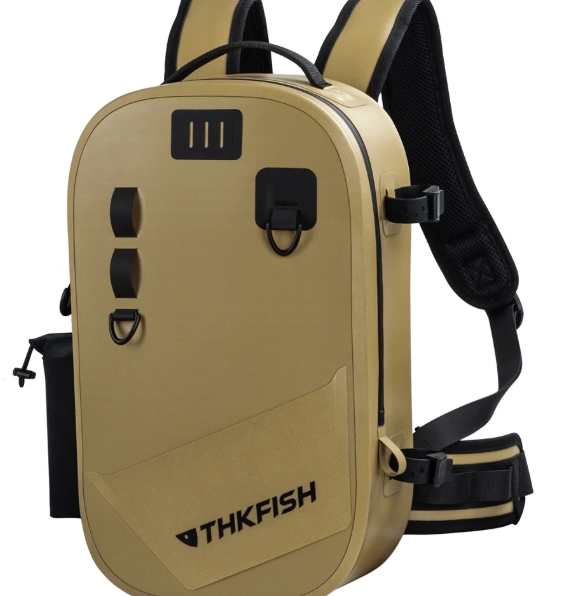
Reader Comments