3 Main Fishing Net Types Explained: Gillnets, Seine Nets & Trawls
Wondering what are the three different types of nets for fishing? We break down gillnets, seine nets, and trawl nets, explaining how they work, what they catch, and how to choose the right one for your needs.
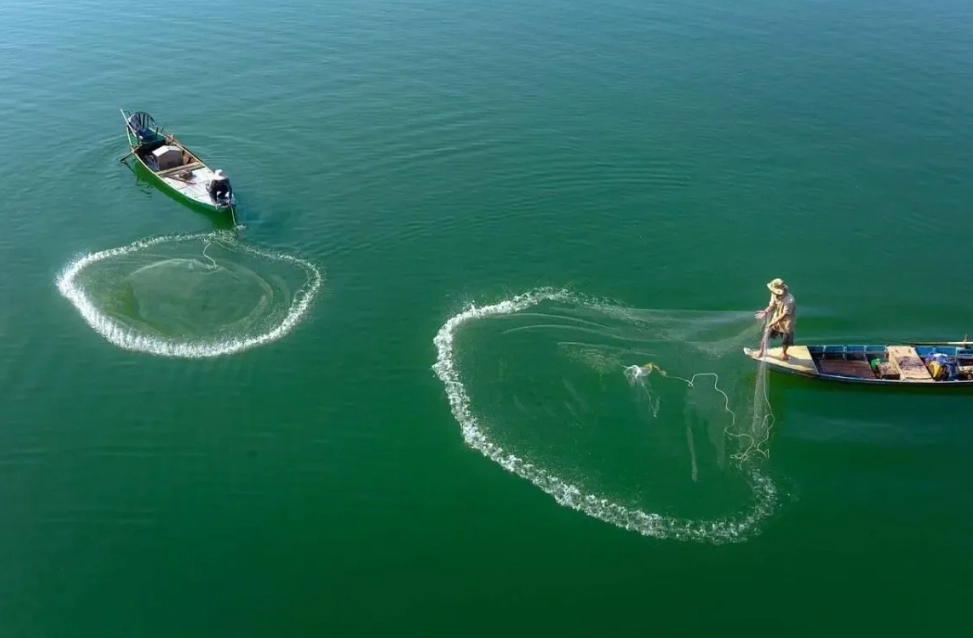
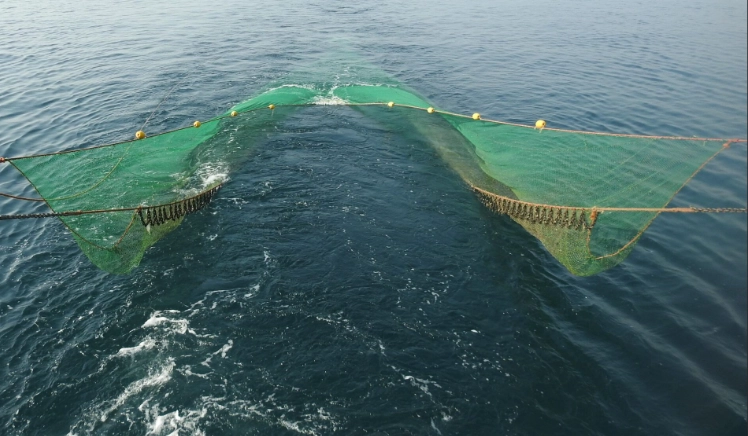
So you want to know what are the three different types of nets for fishing? It's a great question, and the answer is more interesting than you might think. It's not just about catching fish; it's about how you catch them. The three primary categories—gillnets, seine nets, and trawl nets—represent three fundamentally different fishing philosophies. Understanding them is key whether you're a weekend angler looking to try something new, a conservation-minded consumer, or just curious about how your food gets to the plate. Let's break it down. Imagine a nearly invisible curtain hanging in the water. That's a gillnet. These are passive, static nets. You set them up, leave them for a while, and come back later. Fish swim into the net, and their gills (or sometimes just their bodies) get caught in the mesh as they try to back out. It sounds simple, but the devil's in the details. There are a few main types: A common mistake I see: Newcomers often use a mesh size that's too small, hoping to catch everything. This is a bad idea. It increases bycatch of juvenile fish and makes the net harder to haul. A properly sized mesh allows smaller, non-target fish to swim right through. Target the size of the fish you actually want. Gillnets get a bad rap sometimes due to "ghost fishing"—lost nets that continue to catch fish indefinitely. That's a real problem. But when used responsibly by someone who checks their gear regularly, a gillnet can be a selective and low-impact tool. For the solo fisherman, a small, monofilament gillnet is relatively cheap and doesn't require a big boat or crew. If gillnets are a passive wall, seine nets are an active corral. The core idea is to encircle a school of fish and then close the bottom of the net to trap them. It's a more active, targeted approach. You need to see the fish (or know they're there) and act quickly. The two you need to know are: Seining requires coordination. For a beach seine, you need a team. For a purse seine, you need a large vessel and sophisticated equipment. The upside is control and efficiency. The downside? It can be too efficient, potentially depleting local schools if not managed carefully. Trawling is all about active dragging. A large, cone-shaped net is pulled through the water, either along the seafloor (bottom trawling) or in the mid-water (midwater trawling). This isn't your grandpa's fishing trip; it's the backbone of much of the world's industrial-scale fishing for species like shrimp, pollock, and groundfish. Let's be clear: as a recreational angler, you're almost certainly not using a trawl net. They require powerful boats (trawlers) and are subject to heavy regulation. But understanding them is crucial. The sheer volume of catch from a single trawl is staggering. It's why trawling supplies so much to the global market, but it's also why it's at the center of so many fisheries management debates. For the average person, the takeaway is to know that the cheap frozen fish fillet or shrimp cocktail likely came from a trawl fishery, and to look for certifications that indicate better practices. This isn't about what's "best," but what's best for your situation. Let's make it practical. My personal advice? If you're just starting and want to try net fishing, a small gillnet is your gateway. Start in a small, productive lake where you can easily manage it. For pure fun with friends on a summer day, nothing beats the chaotic excitement of a beach seine. Just be prepared to get wet and sandy.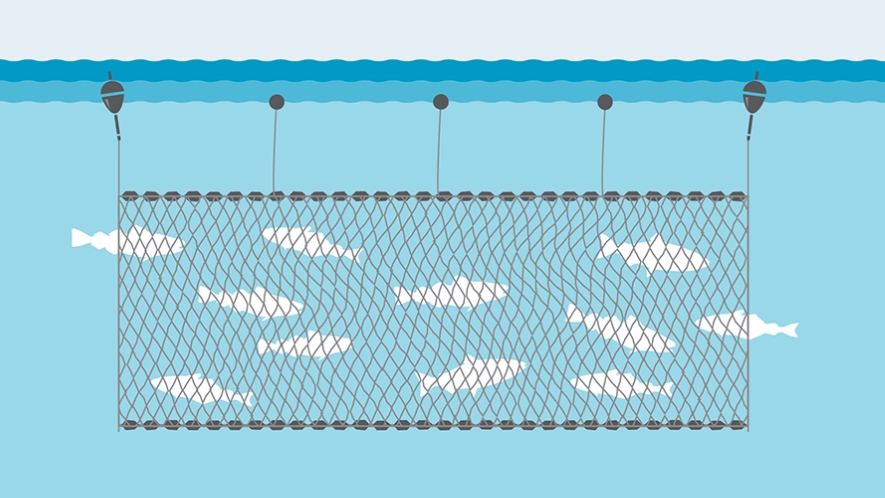
What You'll Learn
Gillnets: The Set-and-Wait Masters
Seine Nets: The Team Players
Trawl Nets: The Industrial Powerhouses
How to Choose the Right Fishing Net for You
Net Type
Best For
Skill/Equipment Needed
Key Consideration
Gillnet
Solo or small-boat fishing; targeting specific sizes of fish in known locations; passive, low-energy fishing.
Low to moderate. A small boat or access from shore. Knowledge of local regulations and fish behavior is key.
Mesh size is critical for selectivity. Must be checked frequently to prevent ghost fishing and ensure fish quality.
Seine Net (Beach Seine)
Group fishing from a beach or shallow bay; catching baitfish or small panfish; a social, active experience.
A team of 2-6 people. Physical strength for pulling. A relatively calm, sandy-bottom area.
Check local laws—many areas restrict seining. It's location-specific and hard work, but very rewarding.
Trawl Net
Commercial fishing operations; catching large volumes of specific species (e.g., shrimp, groundfish).
High. A large, powerful vessel (trawler), crew, and significant investment. Not for recreation.
Environmental impact is the primary concern. Support fisheries using selective gear and avoiding sensitive habitats.
Your Fishing Net Questions Answered
 Can I use a small trawl net from my motorboat?