Best Lens Color for Polarized Fishing Glasses: Expert Guide
What is the best lens color for polarized fishing glasses? Learn how gray, brown, amber, and green lenses perform in different fishing conditions to reduce glare and improve visibility, based on real-world angling experience.
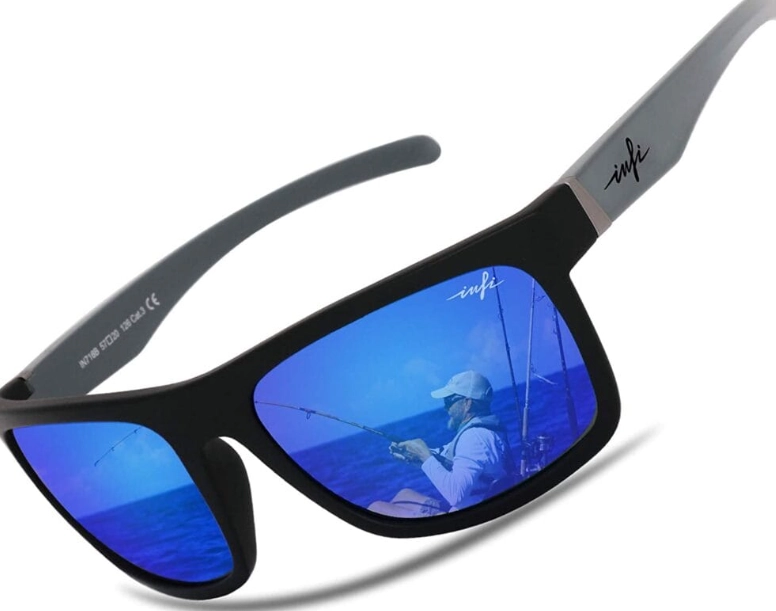
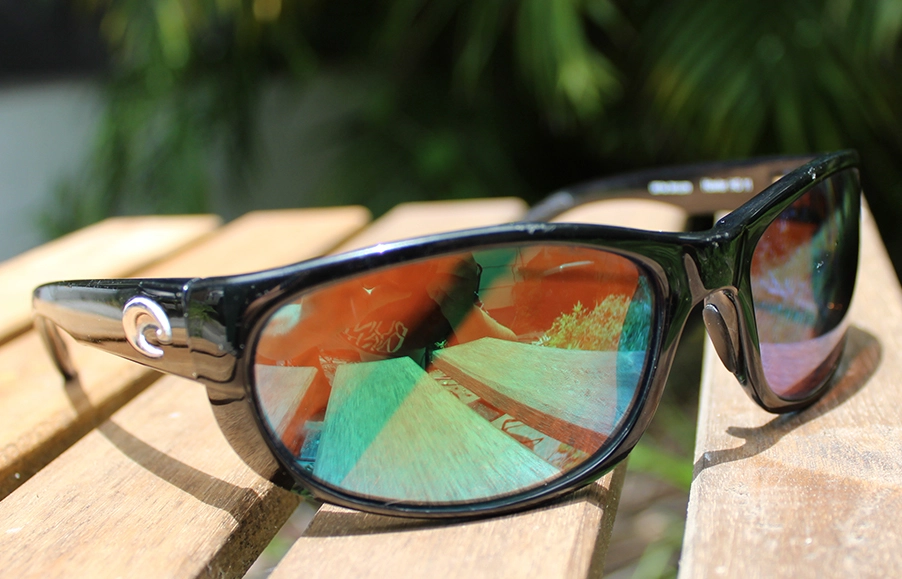
Let's get straight to the point. After spending over a decade fishing everything from mountain streams to open ocean, I've learned that the best lens color for polarized fishing glasses depends entirely on your conditions. Gray lenses are the safest bet for most situations, but if you're after maximum performance, you need to match the tint to the light and water. I remember a trip to the Florida flats where my buddy stuck with gray lenses while I switched to amber. He missed seeing bonefish shadows I spotted easily—that's the difference lens color can make. Polarized lenses cut glare by blocking horizontal light waves, but the color tint controls what light passes through. It's not just about darkness; it's about contrast and clarity. Think of it like this: different colors enhance specific wavelengths. Gray lenses reduce overall brightness without distorting colors, making them neutral. Brown or amber lenses boost contrast in green and blue spectrums, which is why they're killer for spotting fish in vegetation. Green lenses balance things out for variable light, while blue or mirror coatings are niche picks for bright offshore days. Most anglers focus solely on polarization quality—and yeah, that's crucial. But I've seen guys drop $300 on glasses with poor color choice and end up squinting. The American Optometric Association notes that proper lens tint can reduce eye strain by up to 40% in bright conditions, something I've felt firsthand during marathon fishing sessions. Here's a quick table to compare the top lens colors. I've tested them all in real scenarios, so this isn't just theory. Gray lenses are neutral—they don't enhance colors, just reduce brightness evenly. That's why they're recommended for driving sunglasses too. On the water, they're perfect for saltwater fishing where glare is intense and you need true color perception. I've worn gray lenses in the Bahamas for bonefishing, and they kept me from getting headaches under the midday sun. But here's the catch: in freshwater with lots of greenery, they might not help you spot that lurking bass as well as amber would. Brown or amber lenses are contrast kings. They block blue light and amplify greens and browns, making fish stand out against weeds or muddy bottoms. I recall a spring trout trip in Montana where amber lenses let me see trout sipping flies in shaded pools that looked like shadows with gray. However, they can make the world appear overly warm—sometimes everything looks tinted yellow, which isn't ideal for color-matching lures. Green lenses strike a balance between gray and amber. They offer moderate contrast and color accuracy, making them versatile for changing conditions. If you fish from dawn to dusk, green can handle the shift better. Brands like Smith Optics often push green for its adaptability. I keep a pair with green lenses in my kayak for those unpredictable Midwest days. Blue or mirrored lenses are for extreme glare situations—think offshore tuna fishing or alpine lakes. The mirror coating reflects light away, adding an extra layer of protection. But they're not great for low light. I tried blue lenses once for early morning bass fishing, and it felt like wearing sunglasses at night. Stick to these only if you're in blazing sun over open water. Don't overcomplicate this. Match the lens to your most common fishing scenario. Here's a simple breakdown. For freshwater bass or trout fishing: Go with brown/amber. The contrast boost helps in vegetated or rocky areas. If you fish mostly in clear streams, gray might work too, but amber gives you an edge. For saltwater inshore (flats, bays): Gray is safe, but consider green for versatility. In the flats, where spotting fish is critical, some anglers prefer amber—I've seen guides swear by it for permit fishing. For offshore or deep sea: Blue/mirror lenses are ideal. The glare reduction is unmatched, and color distortion matters less when you're looking for birds or surface action. For all-day, mixed conditions: Green lenses. They're the compromise that rarely lets you down. Let's talk light. On overcast days, amber or green lenses perform better because they brighten the view without overwhelming glare. On bright sunny days, gray or blue lenses prevent eye fatigue. I have a friend who carries two pairs: amber for morning, gray for afternoon. It sounds extra, but his catch rate improved. Most articles repeat the same basics, but here are some subtle errors I've seen even experienced anglers make. First, assuming darker lenses are always better. Darkness doesn't equal better polarization or contrast. I've used light amber lenses that outperformed dark gray ones in low light because they let in more useful light. Second, ignoring water color. For tannic or stained water (common in Southern lakes), amber lenses can actually reduce visibility by over-enhancing the brown tones. Gray or green might be clearer. I tested this on a muddy river last fall—amber made everything murkier, while green gave a sharper view. Third, focusing only on lens color and forgetting about lens quality. A cheap amber lens with weak polarization is worse than a high-quality gray lens. Polarization efficiency matters more than tint. According to The Optical Society, premium polarized lenses block 99% of glare, while budget ones might only hit 80%. That difference is huge on the water. Lastly, not considering your own eyesight. If you have color blindness or sensitivity, some tints might work better. I'm slightly red-green colorblind, and amber lenses help me distinguish shades better—something I figured out after years of trial and error. Wrapping up, the best lens color hinges on your personal fishing habits. Test different tints if you can—many brands offer demo programs. And remember, polarization quality trumps color every time. Don't get so caught up in the hue that you forget the fundamentals. Now get out there and see the difference for yourself.What You’ll Learn in This Guide
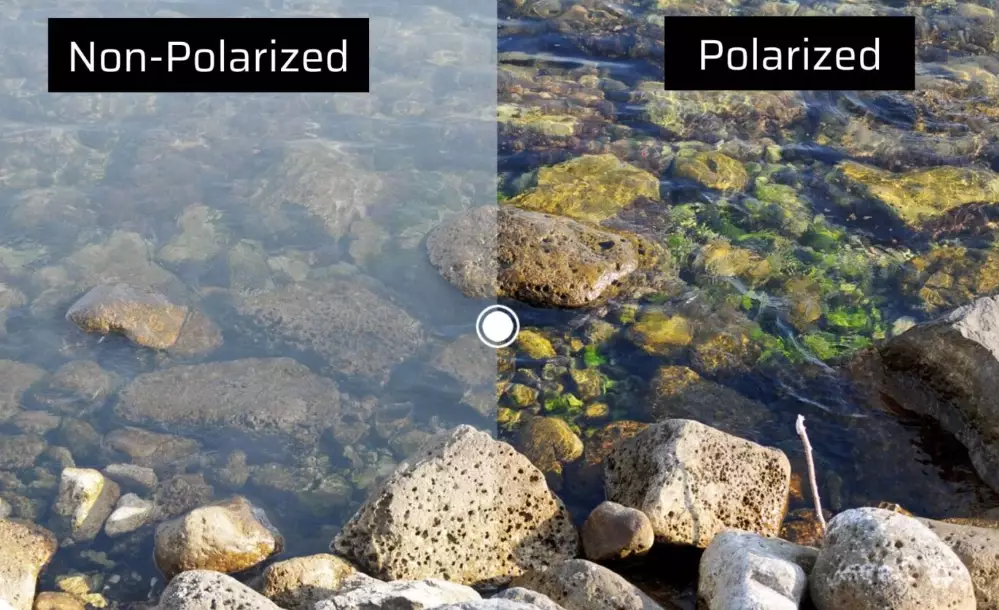
Why Lens Color Matters in Polarized Fishing Glasses
Breaking Down the Common Lens Colors
Lens Color
Best For
Light Conditions
My Personal Take
Gray
All-around use, saltwater, bright days
Bright to very bright
The jack-of-all-trades. It won't wow you, but it rarely fails. I use these when I'm unsure.
Brown/Amber
Freshwater, low light, spotting fish in weeds
Low to medium light
My go-to for bass fishing. Enhances contrast like nothing else, but can make things too warm on sunny days.
Green
Variable light, general fishing
Medium to bright
Underrated. Great for dawn/dusk or cloudy days. Costa Del Mar's green mirror is a favorite.
Blue/Mirror
Offshore, glare reduction over water
Very bright
Specialized. Awesome for deep sea fishing, but overkill for ponds. Can distort colors inland.
Gray Lenses: The All-Rounder
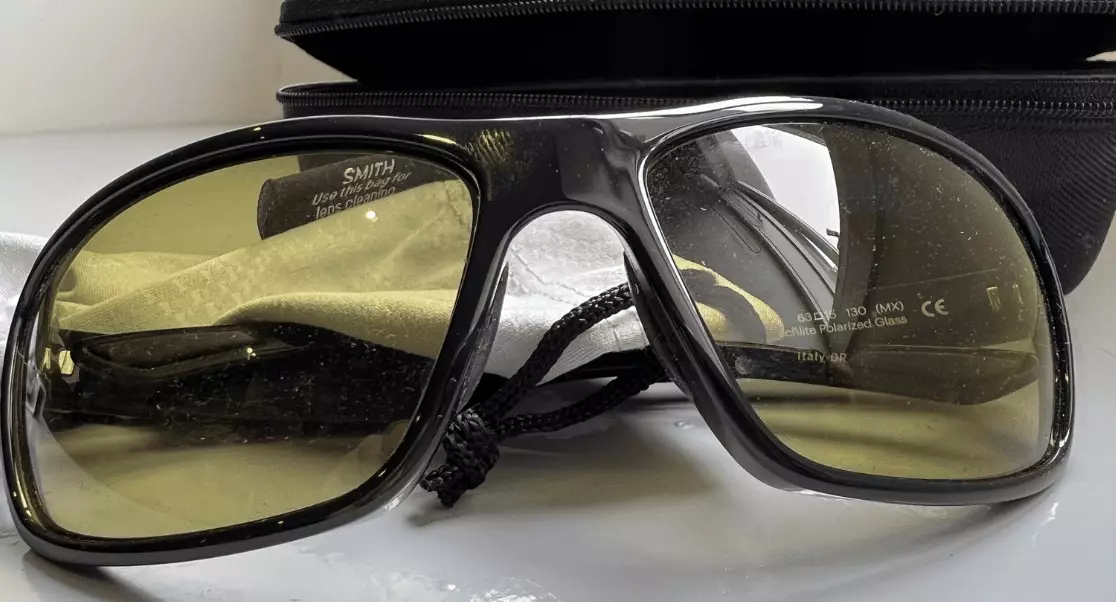
Brown/Amber Lenses: Enhancing Contrast
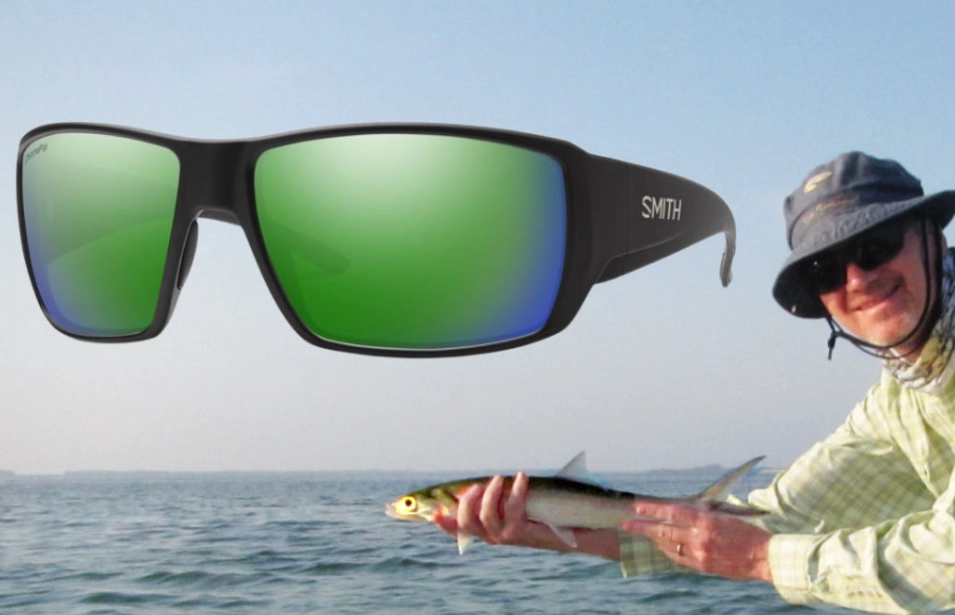
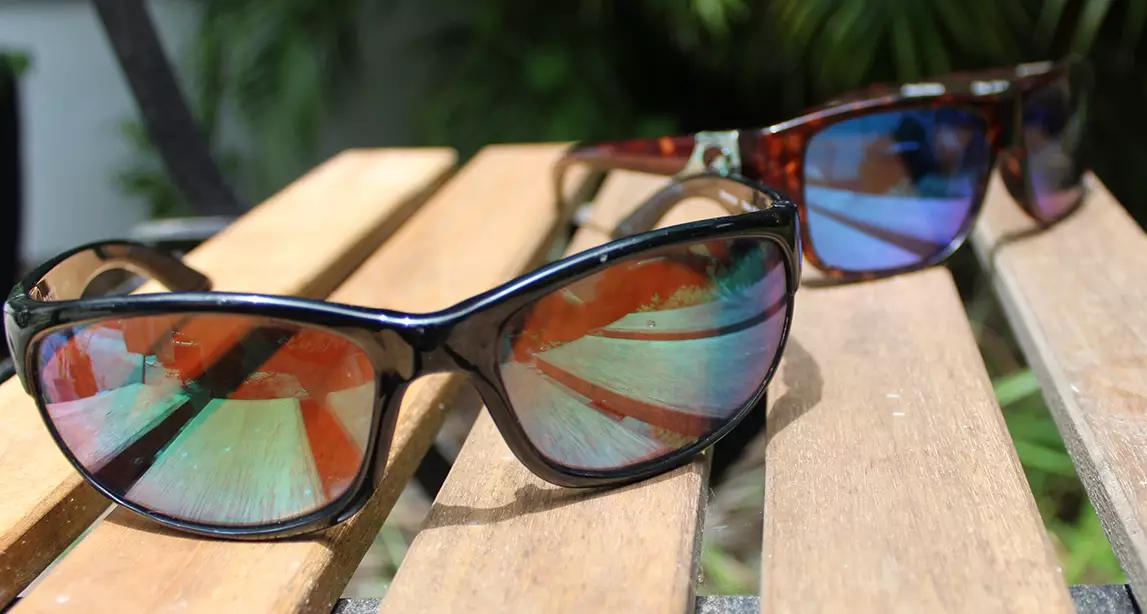
Green Lenses: For Variable Light
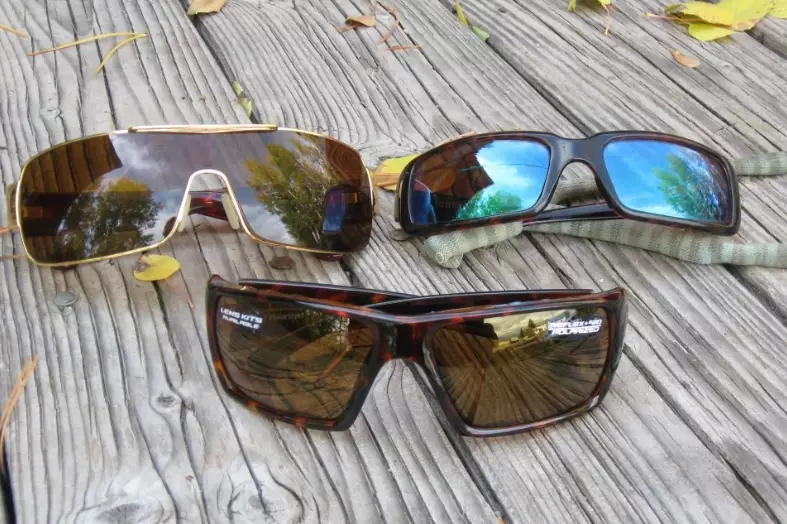
Blue/Mirror Lenses: Specialized Uses
How to Choose the Best Lens Color for Your Fishing Style
Common Mistakes Anglers Make with Lens Color Selection
FAQ: Your Lens Color Questions Answered