What You'll Discover in This Article
Let's get straight to it. After spending over a decade on lakes, rivers, and chatting with wildlife officials, I can tell you fishing isn't dying—it's transforming. But yes, there are signs of change that make people wonder. If you're hearing that fishing is on the decline, you're not alone. This article digs into the data, stories, and my own observations to give you a clear picture.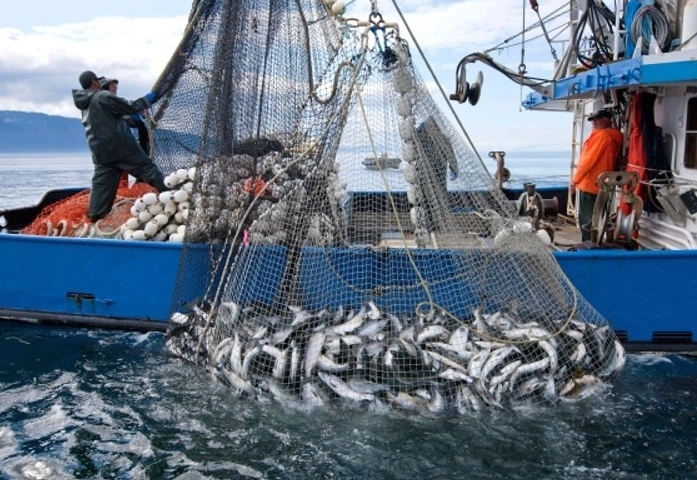
The Hard Numbers: Fishing License and Participation Data
When we talk decline, numbers don't lie—but they can be misleading. Take U.S. fishing license sales. According to the U.S. Fish and Wildlife Service's National Survey, total licenses sold have hovered around 30 million annually for years. But here's the kicker: that stability masks shifts underneath.
I pulled data from recent reports, and it shows a nuanced story. Resident license sales are steady, but non-resident licenses? They swing with the economy. During the pandemic, sales dipped, then bounced back. It's not a freefall; it's a fluctuation.
A Breakdown by Age and Region
Younger anglers (16-44) show slightly lower participation rates compared to a decade ago. But dig deeper, and you'll see pockets of growth. Fly fishing, for instance, has seen a surge, thanks partly to social media. In regions like the Midwest, fishing remains robust, while urban areas report challenges.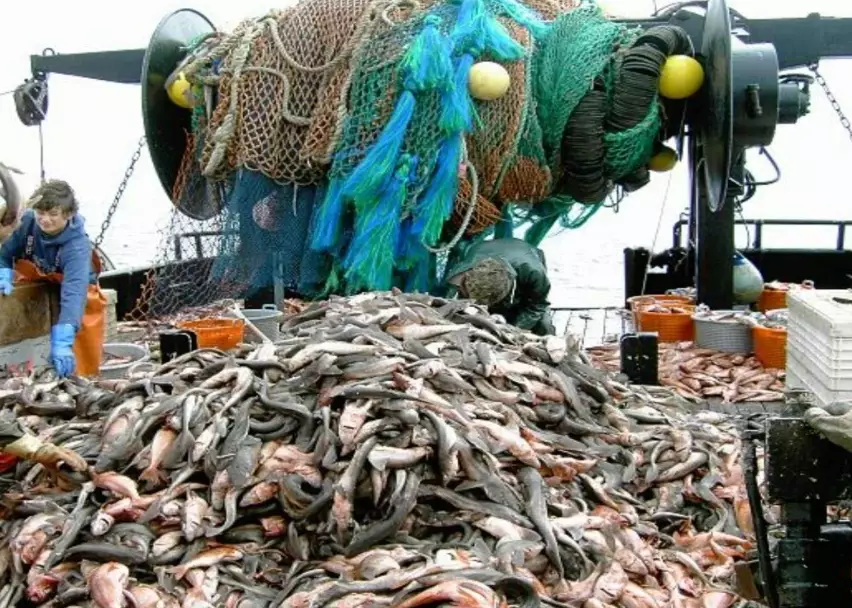
Check this table based on aggregated data from authoritative sources like the U.S. Fish and Wildlife Service and state agencies. It gives a snapshot of trends.
| Year | Approx. Total U.S. Fishing Licenses Sold | Key Demographic Trend | Notable External Factor |
|---|---|---|---|
| 2015 | 30.2 million | Stable across age groups | Economic recovery post-recession |
| 2018 | 29.8 million | Dip in youth participation (-5% among teens) | Rise of digital entertainment |
| 2020 | 28.5 million | Sharp drop in non-resident licenses | COVID-19 travel restrictions |
| 2023 | 30.5 million | Rebound, with growth in urban fishing programs | Increased focus on outdoor activities |
For precise, up-to-date figures, I always recommend checking the U.S. Fish and Wildlife Service website. They publish detailed reports that break it down state by state.
My take: The data isn't screaming "decline." It's whispering "change." I've seen fishing clubs in my area adapt—hosting more family events to draw in younger crowds. It works.
Why the Perception of Decline Exists
So why does it feel like fishing is fading? A few big reasons, some obvious, some not.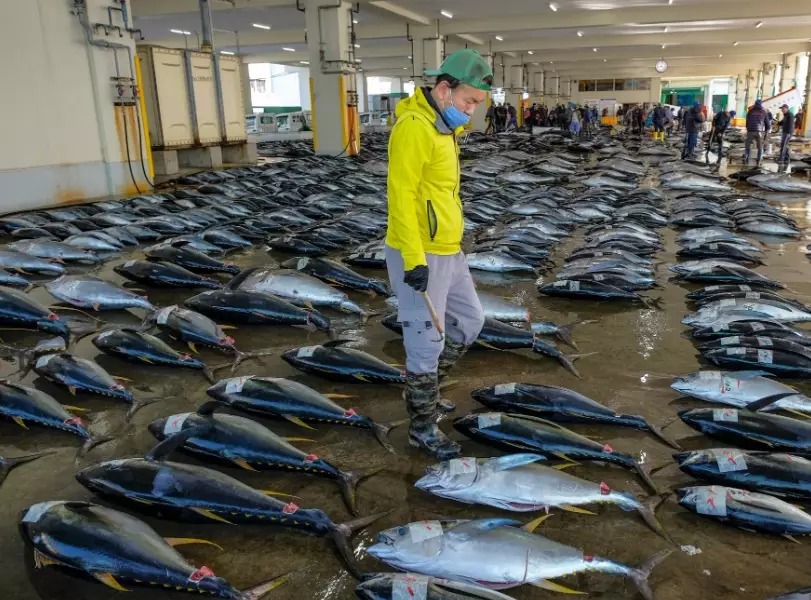
Urbanization and Shrinking Access
As cities grow, natural spots vanish. I used to fish at a creek near my hometown; now it's a shopping mall. Access is a huge barrier. If you live downtown without a car, where do you go? Programs like urban fishing in Chicago's lagoons help, but they're not everywhere.
This isn't just a U.S. thing. Globally, reports from organizations like the Food and Agriculture Organization note similar pressures on recreational fishing due to land use changes.
Generational Shifts and Competing Interests
Kids today have phones, games, endless streaming. Fishing seems slow by comparison. But here's what most miss: fishing is popping up on TikTok and YouTube. Channels like "BlacktipH" or "Fisherman's Life" have millions of views. Interest is there—it's just not always translating to license sales immediately.
I mentored a teen last year who got into fishing through Instagram reels. He didn't care about stats; he wanted the thrill of posting a catch. That's a new kind of participation.
Economic Factors and Time Constraints
Fishing costs money—gear, licenses, travel. With inflation, some folks cut back. Plus, people are busier. A 40-hour workweek leaves little time for a day on the water. It's a real pain point: the hobby feels out of reach for many working families.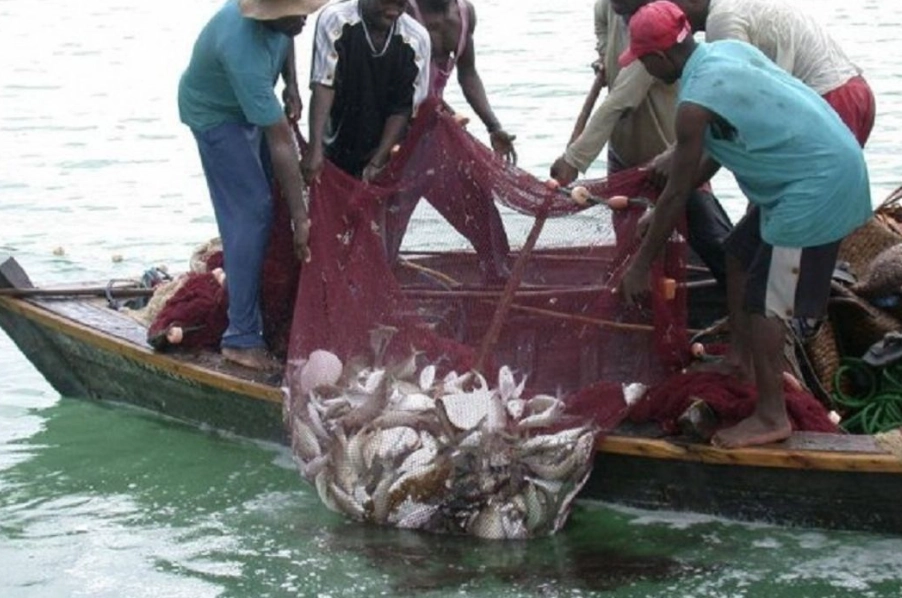
I've seen friends drop fishing because they couldn't justify the expense. It's a silent decline driver.
How Fishing is Evolving to Stay Relevant
Fishing isn't stuck in the past. It's adapting, and in smart ways.
The Rise of Sustainable and Catch-and-Release Fishing
More anglers practice catch-and-release. It's less about harvesting and more about the experience. Groups like the Take Me Fishing campaign promote ethical angling. This shift changes how we measure popularity—success isn't just in numbers kept, but in moments shared.
I switched to barbless hooks years ago. It's a small change, but it reflects a broader trend toward conservation.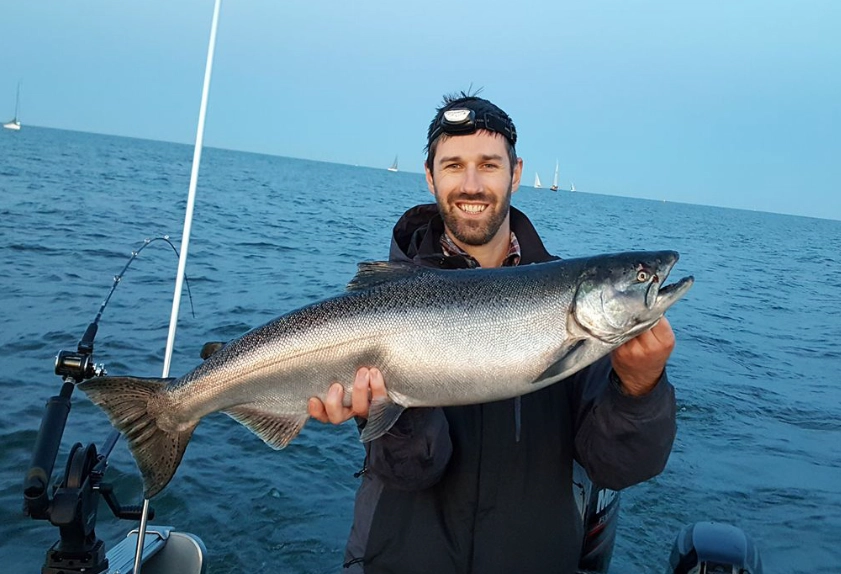
Technology and Social Media Influence
From fish finders to apps like Fishbrain, tech lowers the barrier. You can scout spots online, learn techniques via YouTube. It's democratizing fishing. I helped a neighbor use an app to find local bass hotspots; he caught fish on his first trip. That hooks people.
Social media creates communities. Facebook groups for regional fishing share real-time reports. It's keeping the culture alive, even if license data lags.
Inclusive Initiatives and Urban Programs
Cities are launching fishing programs. Denver's "Learn to Fish" clinics or New York's free fishing days introduce diverse crowds. These efforts don't always show up in national stats but build future anglers.
I volunteered at one such event. Seeing kids' excitement—many first-timers—convinced me decline isn't inevitable.
A Practical Guide to Starting Fishing Today
If you're thinking of fishing despite the "decline" talk, here's how to jump in. This isn't theoretical; it's from my own missteps and wins.
Step 1: Start Local and Low-Cost. Don't buy expensive gear upfront. Many states offer loaner rods at parks. Check your state's wildlife agency site—like the Texas Parks and Wildlife Department—for beginner kits.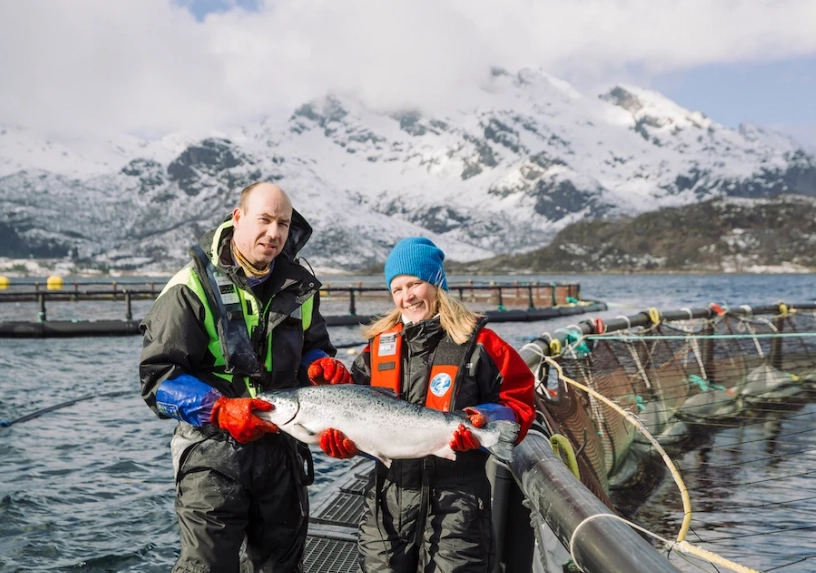
Step 2: Use Digital Resources. Apps like FishAngler provide maps and tips. Watch YouTube tutorials on basic knots. I learned the Palomar knot from a video; it's now my go-to.
Step 3: Join a Community. Local fishing clubs or online forums offer mentorship. I joined a bass club years ago; the advice saved me hours of trial and error.
Step 4: Focus on Experience, Not Just Catches. Fishing is about relaxation and connection. My best memories aren't of big fish, but quiet mornings with friends. That mindset keeps it enjoyable, regardless of trends.
Here's a quick list of what you might need under $100:
- Basic spinning rod and reel combo: $30-$50
- Tackle box with hooks, sinkers, bobbers: $20
- Fishing license (varies by state): $10-$40 annually
- Bait (worms or artificial lures): $5-$10
It's affordable if you plan smart.
The Future Outlook: Is Fishing Really Declining?
Looking ahead, I see a mixed bag. Participation might stabilize or dip slightly in traditional metrics, but engagement will grow in new forms. Climate change adds uncertainty—warming waters affect fish stocks, pushing anglers to adapt.
But fishing has survived centuries. It's resilient. The key is embracing change: more urban access, tech integration, and sustainability. If the industry focuses on inclusivity, decline could reverse.
I'm optimistic. Last summer, I saw a surge in kayak fishing—a blend of adventure and angling. It's attracting younger crowds. That's evolution, not extinction.
Reader Comments