Let's be honest. You've checked the Arizona Game and Fish Department (AZGFD) stocking schedule, driven out to the lake at dawn, and... nothing. The water was still, your line was slack, and the only thing you caught was a sunburn. I've been there too, more times than I care to admit in my fifteen years of chasing trout around this state. The problem isn't the schedule itself—it's how most anglers use it. They treat it like a simple calendar, showing up on the wrong day, at the wrong time, with the wrong gear. This guide flips that script. We're not just looking at dates; we're building a strategy. We'll dive deep into the AZ Community Fishing Program's stocking rhythm, decode the best times to hit the water after a stock, and I'll share the hard-learned tricks that turn a public schedule into a private fishing map.
What's Inside This Guide?
Understanding the AZ Community Fishing Program
This isn't just about dumping fish in a pond. The Community Fishing Program, run by the Arizona Game and Fish Department, is a carefully managed effort to provide accessible, quality fishing close to urban centers like Phoenix, Tucson, and Flagstaff. The goal is simple: create fishing opportunities where people live. They stock rainbow trout heavily from fall through spring, and then transition to warm-water species like catfish and sunfish during the scorching summer months. The funding comes from your fishing license and stamp purchases, which is a nice bit of circular logic—you're literally paying for your own next catch.
Key Point: The program focuses on small, accessible urban lakes and ponds. Think places like Chaparral Lake in Scottsdale or Silverbell Lake in Tucson. These aren't vast wilderness reservoirs; they're community parks with water. This changes everything about your approach—from the gear you bring to the times you visit.
How to Read the Stocking Schedule (It's Not Just Dates)
You find the PDF or web page. You see a list of locations and dates. Most people circle a date and think, "I'll go the day after." This is the first and most common mistake. The schedule tells you when the fish are delivered, not when they are catchable.
The Golden 48-Hour Rule (And When to Break It)
Newly stocked trout are stressed, disoriented, and often holding tight to the stocking point or hiding in deep, cool water. They're not thinking about food. My experience? The absolute prime window often opens about 48 to 72 hours after the stock. By then, they've settled, started cruising, and gotten hungry. However, there's a sneaky exception: the evening of the stock day itself. If stocking happens in the morning, by late afternoon, the most aggressive fish might start nibbling. It's a low-odds gamble, but sometimes it pays off with less pressure.
Beyond Trout: The Seasonal Shift
If you only look for trout, you're missing half the year. The AZGFD schedule clearly shows the shift. Around May, the trout trucks stop, and the catfish trucks roll in. Summer fishing for channel catfish in these community waters can be phenomenal, especially at night. The schedule for catfish is just as critical.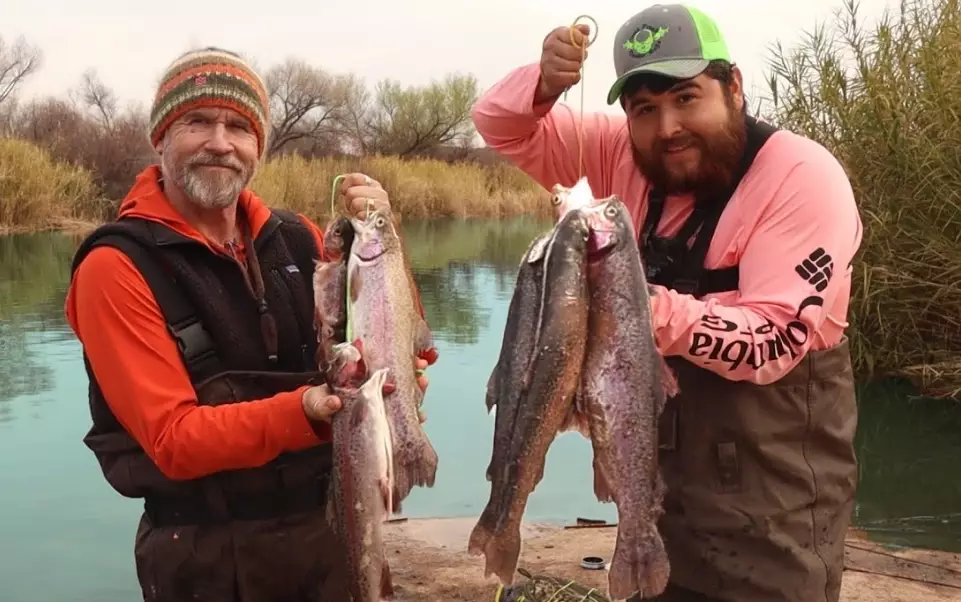
Pro Strategies for Fishing Stocked Waters
Fishing a stocked urban pond is a different game than a remote mountain lake. The fish are naive in some ways, pressured in others.
The Non-Consensus Tip Everyone Misses: Forget the fancy flies and elaborate rigs for the first few days after a stock. These fish have been eating pellet food in a hatchery. Your bait should mimic that. A simple small piece of yellow or white PowerBait, floated off the bottom with a light egg sinker, is like serving them comfort food. I've outfished guys with $800 rods using this $3 setup more times than I can count. It's not glamorous, but it works when the fish are in hatchery-mode.
Presentation is everything. In clear, shallow community lakes, use light line—4 to 6 lb test. Keep your distance and avoid slapping your line on the water. These fish are skittish. Early morning and late evening are always best, but after a stock, midday can be productive if you find the deeper, cooler channels or spring holes where the trout congregate to recover.
Top Community Fishing Spots & What to Expect
Let's get specific. Here’s a breakdown of a few flagship locations. This isn't just a list; it's what you need to know before you load the car.
| Location (City) | Address / Nearest Landmark | Primary Stocked Species | Key Feature & Tip | Personal Note |
|---|---|---|---|---|
| Chaparral Lake (Scottsdale) | 5400 N. Hayden Rd., Scottsdale, AZ 85250. In Chaparral Park. | Rainbow Trout (Oct-Apr), Catfish (May-Sep) | Has a dedicated fishing dock & aerators. Fish near the aerators in summer for catfish. Gets very crowded on weekend mornings after a stock. | Parking is a nightmare on stocked Saturdays. Go mid-week or be there before sunrise. |
| Silverbell Lake (Tucson) | Off Silverbell Rd. in Christopher Columbus Park, Tucson, AZ 85745. | Rainbow Trout, Channel Catfish, Hybrid Sunfish | Large, multi-use lake. The northwest corner, near the reeds, consistently holds fish after stocking. Good shore access all around. | Less manicured than Phoenix-area lakes. Has a more "natural" feel, which I prefer. |
| Veterans Oasis Park Lake (Chandler) | 4050 E. Chandler Heights Rd., Chandler, AZ 85249. | Rainbow Trout, Catfish, Largemouth Bass | Part of a fantastic park with an education center. Shore fishing only, no boats. Excellent for kids. Fish the deeper edges near the dam. | Probably the best family-friendly fishing spot in the Valley. Clean, safe, and well-maintained. |
| Francis Short Pond (Flagstaff) | Thorpe Park, 191 N. Thorpe Rd., Flagstaff, AZ 86001. | Rainbow Trout | High-elevation pond, so trout season lasts longer into summer. Small and easily fishable from all sides. | The water is cold and clear. Use ultra-light gear and small spinners. Feels like mountain fishing in town. |
Always check the AZGFD website for the most current schedule and any last-minute changes due to weather or hatchery issues. It's the official source.
Your Stocking Schedule Questions Answered
Using the AZ Community Fishing stocking schedule effectively isn't about magic; it's about understanding fish behavior and adapting your tactics. It turns public information into a private advantage. Check the schedule, mark your calendar for two days later, pack light line and simple bait, and head to your local pond. You might be surprised at what you pull out.
Reader Comments