Let's be honest. The San Francisco Bay Area is a world-class fishing destination, but the sheer number of options for a fishing charter can be overwhelming. You've got the vast Bay itself, the rugged Pacific Coast, and the intricate Delta waterways. Picking the wrong boat or captain can turn a dream day into a frustrating, fishless slog. After over a decade of chasing everything from halibut in the fog to sturgeon in the muddy channels, I've learned it's not just about finding a boat—it's about matching the right experience to you. This guide cuts through the noise. We'll map out the top spots, break down what a trip really costs, and give you the insider questions to ask before you book. By the end, you'll know exactly how to lock down the perfect Bay Area fishing charter.
What's Inside This Guide
Why Choose a Bay Area Fishing Charter?
You could rent a skiff and figure it out yourself. I've done that. I spent more time untangling lines, reading charts, and worrying about the tide than I did fishing. A professional charter captain eliminates all that. They have the local knowledge that Google Maps can't give you—the specific rock pile where the lingcod hide, the tide swing that pulls stripers into a certain channel, the water temperature break where the salmon might be holding.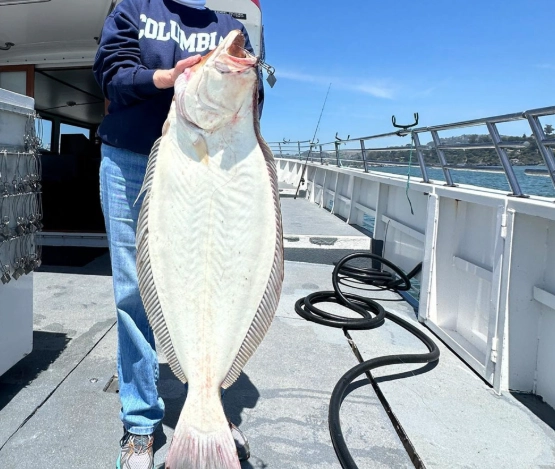
Beyond expertise, they provide the gear, the bait, and the boat. This is a huge value. Quality saltwater rods, reels loaded with the right line, and a selection of proven lures or live bait represent a significant investment. On a charter, it's all included and maintained. The boat is licensed, insured, and equipped with safety gear and fish-finding electronics you likely don't have access to.
Top Bay Area Fishing Spots and Target Species
The "Bay Area" isn't one fishery; it's three distinct worlds. Your target species and experience change dramatically depending on where you go.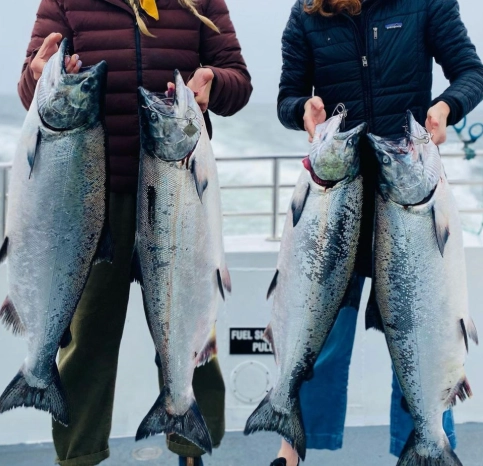
| Fishing Region | Primary Launch Ports | Key Target Species (Seasonal) | Best For / Vibe |
|---|---|---|---|
| San Francisco Bay | San Francisco, Sausalito, Berkeley, Emeryville | Halibut (Spring-Fall), Striped Bass (Year-round, peaks Spring/Fall), Leopard Shark (Summer), Bat Ray | Protected waters, calmer seas, great for families and beginners. Iconic views of the bridges and city skyline. |
| Pacific Coast (Ocean) | Half Moon Bay, Bodega Bay, San Francisco (outside the Gate) | Salmon (Season opens, check CDFW), Rockfish & Lingcod (Year-round in open seasons), Halibut (nearshore), Albacore Tuna (Summer/Fall, offshore) | Big game fishing, more adventurous feel. Can be rougher seas. Requires stronger stomachs and a sense of adventure. |
| Sacramento-San Joaquin Delta | Pittsburg, Antioch, Bethel Island | Striped Bass (Heavy runs Spring/Fall), Sturgeon (Winter), Largemouth & Smallmouth Bass, Catfish | Freshwater/brackish water fishing. Intricate sloughs and rivers. A completely different, quieter landscape from the Bay. |
My personal take? If it's your first time, start inside the Bay. The scenery is unbeatable, and you're far more likely to have a comfortable, productive day. The ocean is spectacular, but a choppy day off Half Moon Bay can make even seasoned anglers miserable. Save the Pacific trip for when you know your sea legs.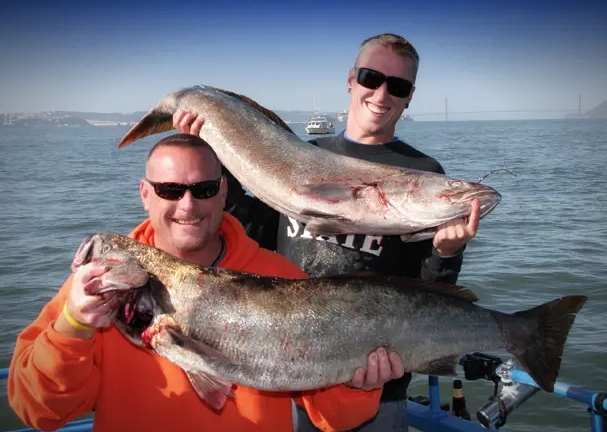
How to Choose the Right Fishing Charter?
Here’s where most people go wrong. They search "Bay Area fishing charter," pick the one with the flashiest website or the lowest price, and hope for the best. Don't do that. Follow this process instead.
Step 1: Define Your Goal and Group
Are you taking kids under 10? A 10-hour tuna hunt is a recipe for disaster. Looking for a bachelor party vibe? A strict, no-alcohol captain might not be the fit. Be honest with yourself. A family trip should prioritize action (even smaller fish) and comfort. A serious angler trip should focus on a captain known for trophy fish.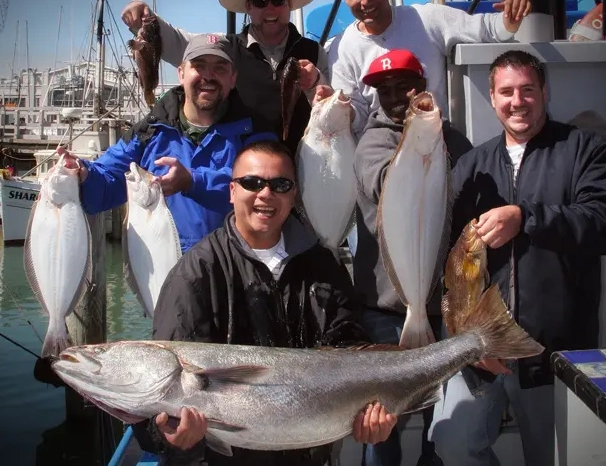
Step 2: Research the Captain, Not Just the Boat
The boat matters, but the captain is everything. Dig into reviews beyond the star rating. Look for specific praise: "Captain Mark knew exactly where the halibut were biting despite the fog," or "First mate Sarah was incredibly patient with my son." Avoid generic "great time" reviews. Check their social media (Instagram/Facebook) for recent catches and client photos—it shows they're active and successful.
Step 3: Make the Phone Call
Email is fine, but a call tells you more. Ask these questions:
- "What's your cancellation policy regarding weather?" (Good captains put safety first and have a fair reschedule policy).
- "For a [your target species] trip this time of year, what's your typical game plan?" (Listen for detailed, confident answers).
- "What's included that other charters might charge extra for?" (Think fish cleaning, license, premium bait).
- "Is the trip private, or will you be mixing groups?" (This affects price and experience).
Their enthusiasm and transparency on the call are huge green flags.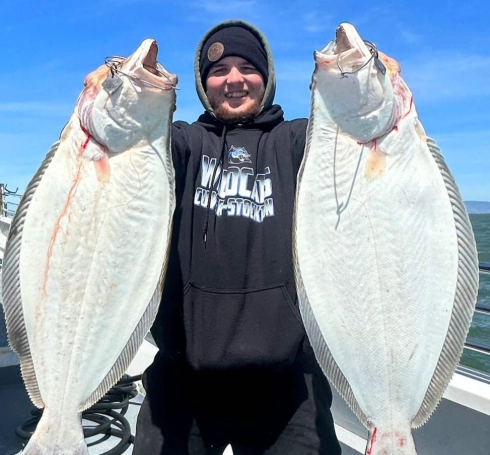
What to Expect on Your Fishing Charter Trip
Let's walk through a typical day for a Bay halibut charter out of Emeryville, so you're not caught off guard.
Pre-Dawn: You arrive at the dock, usually around 5:30 AM. The boat is lit up, the captain is loading bait. You'll sign a waiver, get a quick safety briefing (location of life jackets, restroom, etc.).
The Run: As the sun rises, you'll cruise out of the marina. This is a great time to ask questions, enjoy coffee, and watch the city wake up. The captain is scanning sonar and talking to other boats on the radio—the network is real.
Fishing Time: The mate will demonstrate the technique—maybe drifting live anchovies over sandy flats. They'll help you get set up. The first hour might be slow. Don't panic. Fishing isn't constant action. Trust the process. The mate is there to help with tangles, rebait, and net your fish.
The Catch: When you hook up, listen to the mate's instructions. Halibut fight differently than bass. They'll guide you on rod angle and reeling speed. This is where their expertise pays off in landed fish versus lost fish.
What to Bring: The captain provides rods/bait. YOU are responsible for:
- Clothing: Layers. A warm base layer, a fleece, and a waterproof windbreaker. It's ALWAYS colder on the water. Hat, sunglasses (polarized are a game-changer), and sunscreen.
- Food & Drink: Lunch, plenty of water, snacks. No glass bottles.
- Seasickness Prevention: Take meds (like Dramamine) the NIGHT BEFORE and morning of, even if you think you're immune. The Bay chop is sneaky.
- Cooler: Bring a small cooler for your lunch and to take your fillets home.
- California Fishing License: This is critical. Most charters do NOT include this. You can get a 1-day or annual license online from the California Department of Fish and Wildlife. Have the digital copy on your phone or a printed copy.
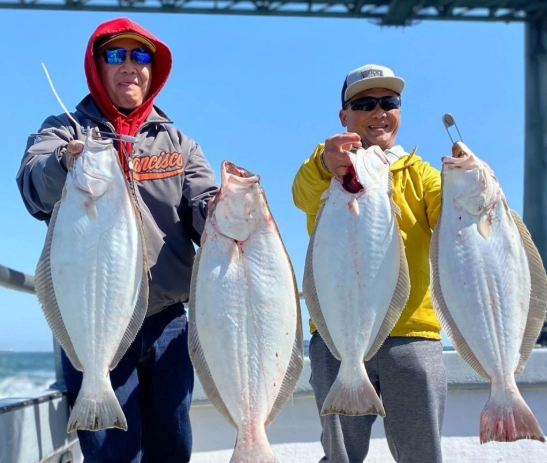
The Real Cost of a Fishing Charter
Prices aren't just pulled from thin air. A typical private charter for 4-6 people ranges from $800 to $1,500 for a full day (8-10 hours), depending on boat size, target species, and captain reputation. A shared ("party boat") trip might cost $120-$250 per person for a half-day. The private trip gets you customization and undivided attention. The shared trip is more affordable but less control.
What many first-timers forget to budget for:
- Fishing License: ~$20 for a one-day saltwater license.
- Fish Cleaning: Often $5-$10 per fish, sometimes included. Worth every penny.
- Captain & Mate Gratuity: Standard is 15-20% of the trip cost, similar to a restaurant. If the mate worked hard helping you, tip them directly.
- Parking: Marina parking can be $10-$20 for the day.
So, a $250 per person shared trip can easily become a $320 day. Plan for it.
Reader Comments