You're planning an ice fishing trip with two buddies. The forecast says clear but cold. You need a shelter that's quick to set up in a stiff wind, genuinely fits three adults with gear, and traps enough heat so you're not constantly fiddling with the heater. That's the exact scenario a well-chosen 3 person ice fishing tent is built for. Forget the one-size-fits-all advice; a three-person shelter occupies a specific sweet spot between solo pods and large hubs. It's social, practical, and often the most versatile choice for small groups. But picking the wrong one means a cramped, cold, frustrating day. This guide cuts through the marketing specs. We'll look at what really matters in a three-man ice shelter, compare top models based on actual use, and walk you through setup tricks most beginners miss.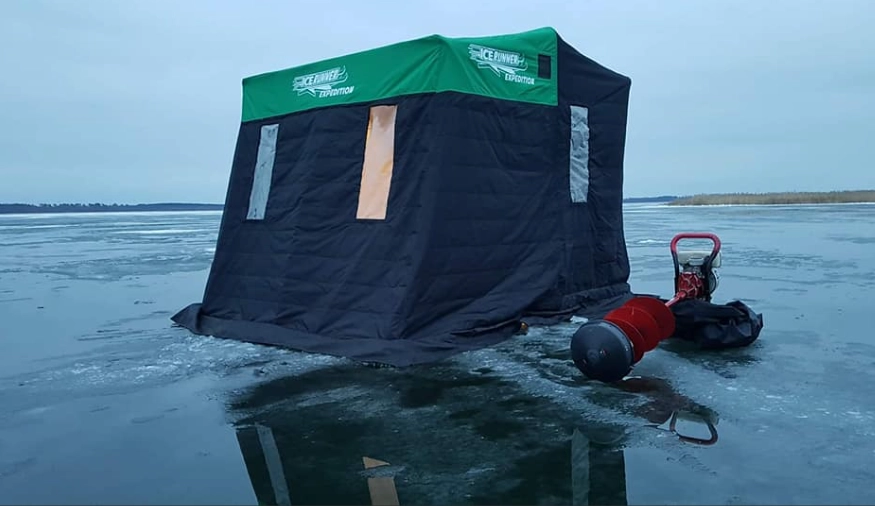
What's Inside This Guide
Why a 3 Person Tent is the Ice Fishing Sweet Spot
Most manufacturers rate capacity optimistically. A "3-person" tent usually means three people sitting on buckets, with minimal extra gear. It's not a camping tent where you sleep shoulder-to-shoulder. That realistic capacity makes it perfect for a typical fishing party.
You get enough room for everyone to have their own hole, a small heater in the middle, and a bucket for tackle without feeling like you're in a submarine. It's more heat-efficient than a giant hub, warming up faster with a standard portable heater. The footprint is manageable for a single person to set up, unlike larger shelters that almost require a team in a breeze. For two people, it's downright luxurious—you can spread out, bring a small chair, and have space for a electronics box. I've used my three-man shelter solo on extremely windy days just for the extra stability and room to move around, and it felt like a palace.
The flip side? If you consistently fish with four adults, you'll be cramped. You're looking at a four or six-person model. The three-person is the ideal workhorse for pairs and trios.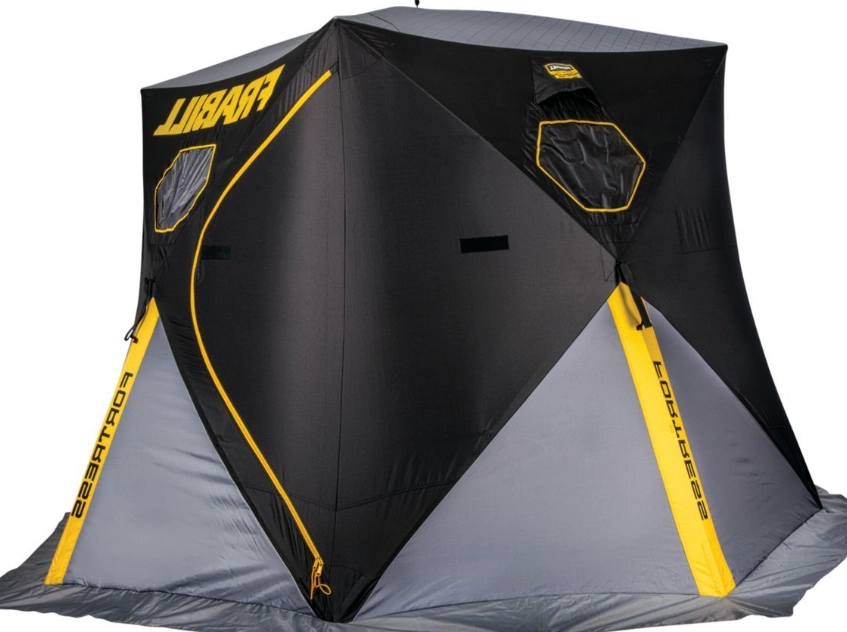
Key Features of a 3 Man Ice Shelter Explained
Not all features are created equal. Here’s what to scrutinize beyond the price tag.
Size & Weight: The Portability Trade-Off
Packaged weight and dimensions tell you how it transports. A lighter tent (under 40 lbs) is easier to load alone. But lighter often means thinner materials. Look for the floor area and peak height. A good three-person tent should have at least 35-45 square feet of floor space. Peak height over 6.5 feet means most people can stand up straight, a huge comfort factor during long days. My old tent was only 6 feet tall, and that half-foot of difference caused more neck strain than I care to admit.
Material & Insulation: The Warmth Factor
Almost all modern shelters use a polyester or nylon fabric with a water-resistant coating. The key metric is the denier rating (D) for thickness. 300D is standard and durable; 600D or 900D is heavy-duty but much heavier. Insulation is a game-changer. Many tents now feature thermal or "hub-style" fabric with a reflective inner layer (like silver lining). This doesn't add warmth by itself but reflects radiant heat from your heater back at you, dramatically improving efficiency. A non-insulated tent will feel cold to the touch inside and sweat profusely (condensation) with a heater running.
Frame & Setup: Pop-Up vs. Hub vs. Flip-Over
For three-person tents, the hub design dominates. It's a central hub with telescoping poles that radiate out, creating a dome or square shape. They pack down relatively small and pop open famously. Pop-up tents use a spring-loaded frame and are the fastest to deploy, but can be a nightmare in wind if you're not practiced. Flip-over shelters (like the classic Clam style) are integrated with a sled. They're fantastic for solo or duo anglers who move constantly, but for three people, they get bulky and heavy. The hub is the best all-around choice for a dedicated three-person group shelter.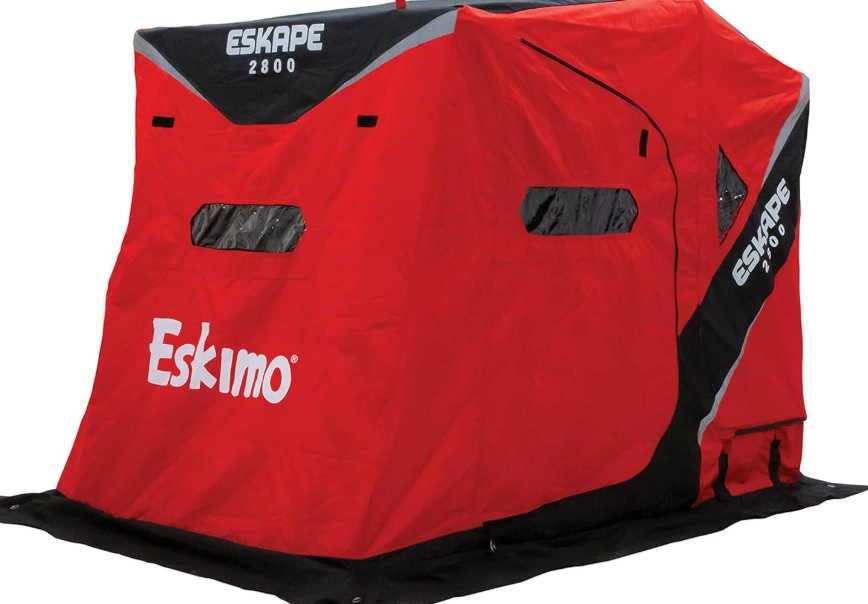
Essential Extras You'll Actually Use
- Storage Pockets: Interior pockets for pliers, phone, bait. Lifesavers.
- Anchor Points: Robust metal grommets or straps for ice anchors. Critical for wind.
- Carrying Bag: Is it reinforced? Does it have backpack straps? A cheap bag breaks season one.
- Zipper Quality: Frozen, cheap zippers are the number one point of failure. Large, rubber-coated pulls are best.
How to Choose the Best 3 Person Ice Fishing Tent for You
Your choice depends on your primary fishing style. Ask yourself these questions:
Do you drill and stay put, or move every hour? If you're stationary, a heavier, more feature-rich insulated hub is perfect. If you're a runner, prioritize lightweight and fast setup—maybe even consider a flip-over if your trio doesn't mind tighter quarters.
What's your vehicle and storage space? Measure your trunk or truck bed. A packed hub in its bag is usually around 4-5 feet long and 1-2 feet in diameter. Can you lift 50+ lbs into it?
What's your budget reality? You can find basic three-person hubs for under $200. A fully insulated, branded model (Eskimo, Clam, Otter) runs $350-$600. The price buys you durability, better materials, and smarter design. A $150 tent might last two seasons; a $500 tent can last a decade with care.
Top 3 Person Ice Fishing Tent Models Compared
Based on hands-on experience and consistent community feedback, here are three standout models that represent different points on the spectrum.
| Model | Key Specs | Best For | Approx. Price |
|---|---|---|---|
| Eskimo QuickFish 3i | Insulated (I-Series), 43 sq ft, 7.1' center height, 300D fabric, 4-way hub. | The value-conscious angler who wants proven insulation without breaking the bank. It's the workhorse. | $350 - $400 |
| Clam Nanook Thermal X | ThermalLock insulated fabric, 48 sq ft, 6.8' height, 600D diamond-denier shell, large D-shaped door. | Anglers prioritizing durability and a robust build. The material feels premium and withstands abuse. | $500 - $600 |
| Otter Vortex Pro Lodge | Vortex insulated fabric, 45 sq ft, 7' height, magnetic door closure, oversized roof vent. | Those who value clever design details. The magnetic door is genius with cold hands, and the ventilation is top-notch. | $550 - $650 |
I've spent dozens of days in a QuickFish 3i. The insulation works—you can feel the difference on a -10°F day. My gripe? The carrying bag it came with felt flimsy, and I replaced it after one season. The Clam's material is noticeably tougher, but it's also a heavier pack to haul. The Otter's features feel thoughtful, like they actually fished out of it before designing it.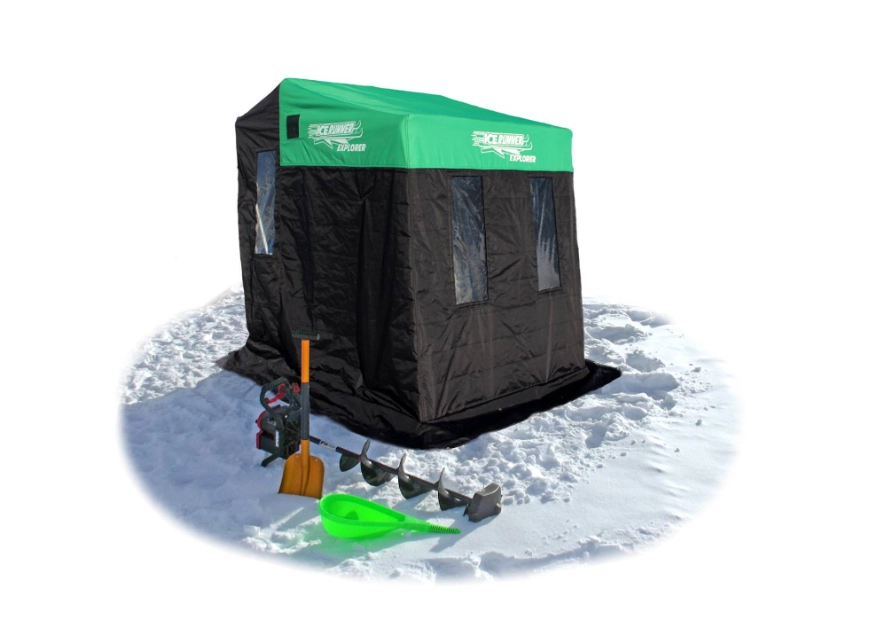
Mastering Your Tent: Setup, Safety, and Pro Tips
Setting up on windy ice is where the rubber meets the road. Here’s a method that won't have you chasing your tent across the lake.
- Unpack Downwind: Always position yourself so the wind is at your back, blowing from you toward where the tent will be.
- Anchor First, Then Pop: Lay the tent out flat. Immediately install ice anchors through the anchor loops on the windward side. Partially screw them in. This tethers the tent before it can become a kite.
- Pop & Secure: Now extend the hubs or poles. Get the shape up, then immediately install the remaining anchors on the other sides. Don't wait to get everything perfectly aligned—get it anchored.
- Heat Wisely: Use a certified portable heater (like a Mr. Heater Buddy) with a hose connected to a 20 lb propane tank outside. Always crack a vent or window for fresh air. Carbon monoxide is silent and deadly. The U.S. Fish and Wildlife Service emphasizes ventilation in any enclosed ice shelter.
- Manage Condensation: If you see moisture building on the ceiling, increase ventilation. A small battery-powered fan clipped to the top hub pole can circulate air and reduce dripping.
A personal story: On Lake Michigan, a gust caught my unanchored corner while I was fiddling with a pole. I watched in horror as my tent somersaulted 50 yards down the ice. Lesson learned the hard way—anchor points are your first step, not an afterthought.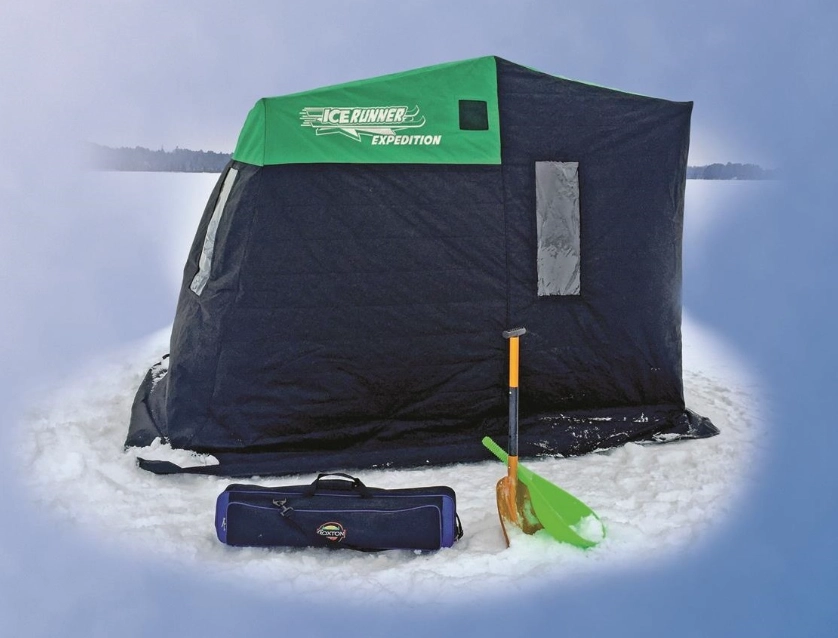
Your Ice Shelter Questions, Answered by Experience
Can three adults really fish comfortably in a 3 person ice fishing tent?
What's the single most overlooked feature that prevents ice buildup inside the tent?
Is an insulated 3 man ice shelter worth the extra cost over a non-insulated one?
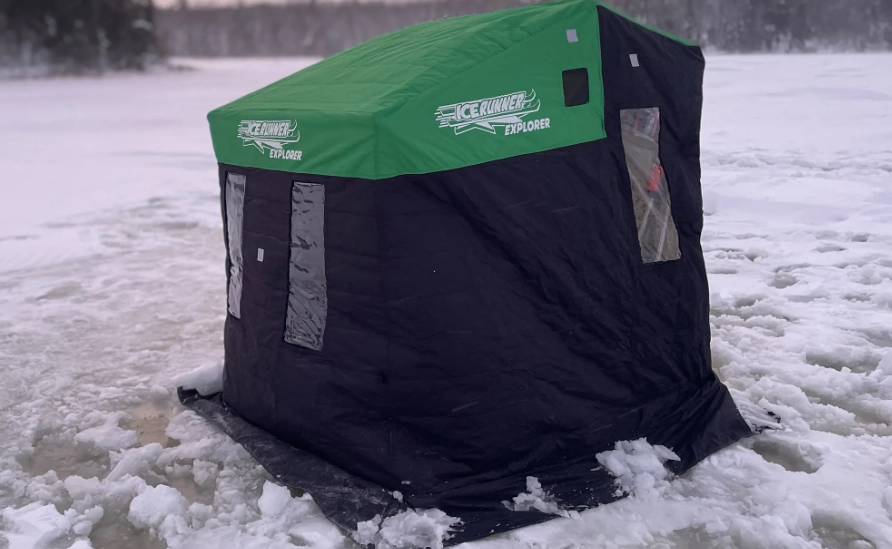 How do I stop my 3 person pop-up shelter from blowing away during setup?
Should I choose a 3 person flip-over shelter instead of a hub?
Reader Comments