Let's cut to the chase. Asking for the average cost of a fishing trip is like asking for the average cost of a car. Are we talking a used sedan or a new sports car? A solo bank fishing session with a hand-me-down rod, or a multi-day offshore charter chasing marlin? The range is massive.
Based on a decade of chasing everything from bluegill to bluefin, I'd say a realistic average for a single day of fishing for a moderately equipped angler falls between $75 and $400. But that number is almost meaningless without context. I've had fantastic days that cost me $20 in gas and worms, and others that ran over $1,000. The real question isn't "what's the average?" but "what do you want your trip to be, and how can you budget for it smartly?"
This guide won't just throw a single number at you. We'll dissect the costs for every type of trip, show you exactly where your money goes, and—most importantly—share the insider tricks I've learned to slash expenses without ruining the fun. Because a high price tag doesn't guarantee a good catch.
Your Quick Guide to Fishing Trip Costs
The Complete Fishing Trip Cost Breakdown
Think of your fishing budget in layers. The first layer is gear, the second is access and logistics, and the third is the experience enhancers. Most online guides miss the second layer entirely.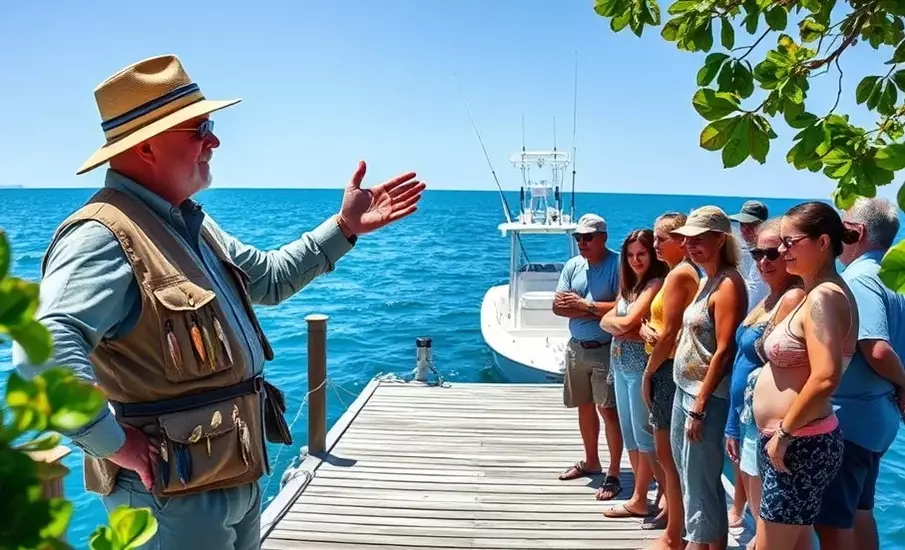
Gear: The Foundation (One-Time & Ongoing)
You can spend $30 or $3,000 here. A common mistake beginners make is buying a fancy rod and reel combo but skimping on the line. Bad line breaks, and you lose the fish and your expensive lure. Prioritize.
- Rod & Reel Combo: A decent starter spinning combo runs $50-$150. You don't need the best yet.
- Tackle & Terminal Gear: Hooks, sinkers, swivels. A basic assortment box: $20-$40.
- Lures/Bait: This is recurring. Live bait (minnows, worms) costs $5-$15 per trip. Artificial lures are $5-$20 each, and you will lose them. Budget for loss.
- Line: Don't use the line that came on the reel. Fresh monofilament or braid: $10-$25 per spool.
- Accessories: Pliers, net, tackle box, fishing license (crucial!). $50-$100 initially.
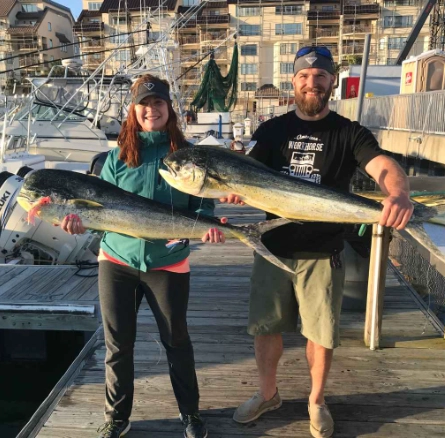
Access & Logistics: The Often-Forgotten Middle Layer
This is where trips get expensive, and most anglers don't plan for it. It's not just "boat fuel."
- Transportation: Gas to the lake or coast. For a remote spot, this can be $50-$100 in fuel alone.
- Boat Costs: If you're not using a friend's. Ramp fees ($10-$20), fuel for the boat (offshore boats can burn $200-$500 in fuel in a day), insurance, winterization. Owning a boat is a lifestyle, not a one-time purchase.
- Access Fees: Pay-to-fish ponds, private lake permits, or parking fees at popular public spots.
- Lodging & Food: For multi-day trips. Camping ($20-$40/night) vs. motel ($80-$150/night). Packing lunches saves a fortune.
The Experience: Guided Trips & Charters
This is the top tier, where you're paying for expertise, equipment, and access.
- Guide Fee/Trip Price: This is the headline cost.
- Gratuity (Tip): Standard is 15-20% of the trip fee for good service. Not optional in this industry; factor it in.
- Fish Cleaning/Processing: Often extra, at $2-$5 per fish. Can add $20-$50 to the bill.
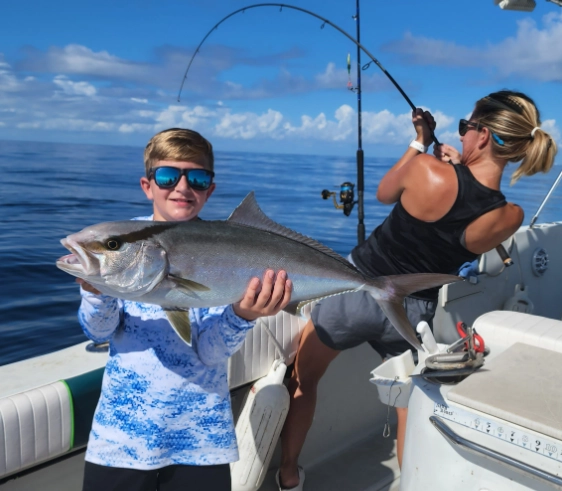
My Non-Consensus Gear Take: Don't buy a full "beginner kit." They're packed with junk lures you'll never use. Go to a local tackle shop, tell them the one species you want to target (e.g., "largemouth bass in ponds"), and ask for one rod/reel, one type of line, and three lures/bait options. Master those first. You'll save money and catch more.
Real Cost Examples by Trip Type
Let's get specific. Here’s what you can expect to pay for three common scenarios, from the bare minimum to a comfortable budget.
| Trip Type & Description | Budget-Friendly (DIY Focus) | Moderate (Some Convenience) | Premium (Guided/Charter) |
|---|---|---|---|
| Local Pond/River (Bank Fishing) Targeting panfish, bass, catfish for a day. |
$30 - $70 License: $25. Gas: $10. Bait/Worms: $5. Packed lunch/water. Using basic owned gear. |
$70 - $150 License, gas, better bait/lures ($25), new line ($15), fast food lunch, parking fee. |
$150 - $300+ Hiring a local guide for 4 hours on a small craft to learn the honey holes. Includes gear and instruction. |
| Inshore/Coastal Bay Trip Targeting redfish, speckled trout, flounder from a boat. |
$100 - $250 If you own/know someone with a small boat. Split fuel/ramp fees ($50), license, bait, pack everything. |
$250 - $450 Renting a small skiff or jon boat for the day ($150-$250). Add all your fuel, bait, and food costs. |
$450 - $800 A full-day guided inshore charter for 2 anglers. Includes boat, gear, expert guide. Tip and fish cleaning extra. |
| Offshore/Deep Sea Fishing Targeting tuna, mahi, marlin, 20+ miles out. |
N/A - Not really a DIY option. Requires a large, capable boat. | $600 - $1,200 Per person for a "head boat" or party boat (shared with 20+ anglers). 8-12 hour trip. Gear and bait usually included. |
$1,200 - $3,000+ Private 6-pack charter for a full day. Price is for the entire boat (split 6 ways). Tip, food/drink, and processing are significant extras. |
See the pattern? The moment you step onto a boat, especially someone else's, the cost jumps. The value, however, can jump even higher if it leads to success you couldn't achieve alone.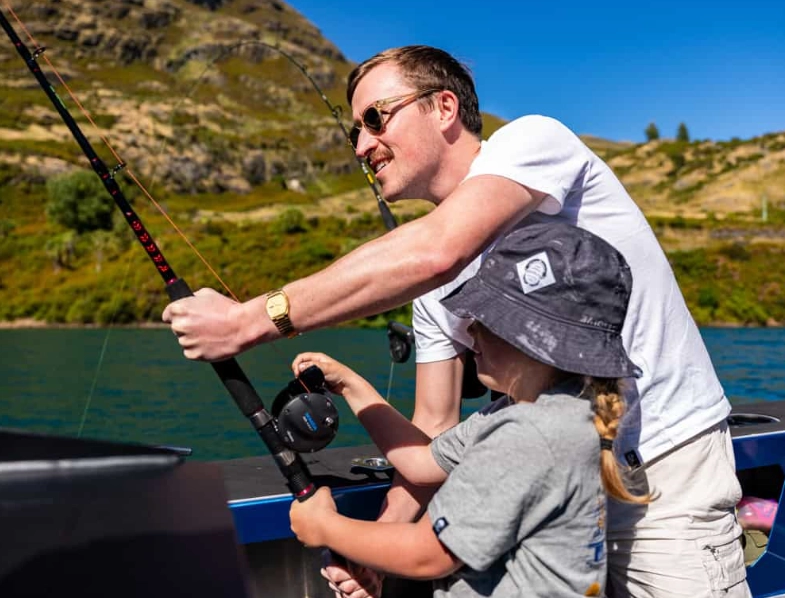
Pro Tips to Plan a Budget Fishing Trip That Doesn't Suck
I've been the guy scraping together change for gas to go fishing. You can have an amazing time without a fat wallet.
Target High-Probability, Low-Cost Fish
Chasing trophy muskies on day one is a recipe for an expensive skunk. Go for abundant species. Panfish (bluegill, crappie) and catfish are everywhere, bite readily with simple bait, and are delicious. Success breeds passion, which later justifies bigger budgets.
Master the Art of the "Split Cost" Trip
This is the single biggest money-saver. Find 2-3 friends who are equally keen. Suddenly, that $600 inshore guide trip is $200 each. The cabin rental is $50 per night per person. You split gas, bait, and food. The camaraderie is half the fun anyway. Websites like Fishbrain or local Facebook fishing groups can help find fishing buddies.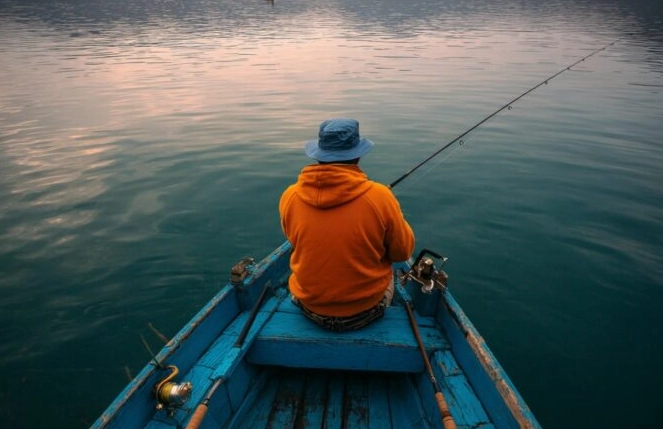
Go Shorter and More Frequent
A brutal 12-hour offshore marathon is exhausting and expensive. A focused 4-hour early morning inshore trip can be just as productive for half the price. Fish the "bite windows"—dawn and dusk—and save on fuel and charter hours.
Invest in a Good Cooler, Not Just More Lures
A rookie error: buying $50 in new lures but packing a soggy sandwich. A high-quality cooler like a Yeti or RTIC knock-off keeps ice for days. It means you can buy food in bulk, bring drinks from home, and—critically—safely store your catch to bring home. That's how a $200 trip puts $100 worth of fish in your freezer, changing the cost calculus entirely.
The Hidden Costs (And How to Avoid Them)
These are the budget-killers that sneak up on you.
The "While We're Here" Tackle Shop Stop: You stop for ice and leave with $80 in new lures you don't need. Make a strict list and stick to it.
Poor Catch Handling & Storage: You catch a beautiful fish but have no way to keep it fresh. It spoils, wasting the potential food value. Research how to bleed, ice, and store your target species before you go. The NOAA FishWatch website is a great resource for sustainable handling practices.
Not Checking License & Regulation Updates: Getting fined because you fished in a newly closed season or kept an undersized fish can cost hundreds. Always check the current regulations from your state's wildlife agency website the week of your trip. Rules change.
Ignoring Weather & Cancellation Policies: Booking a non-refundable charter that gets weathered out means you lose everything. Always ask about the weather policy. A good captain will have a fair reschedule policy.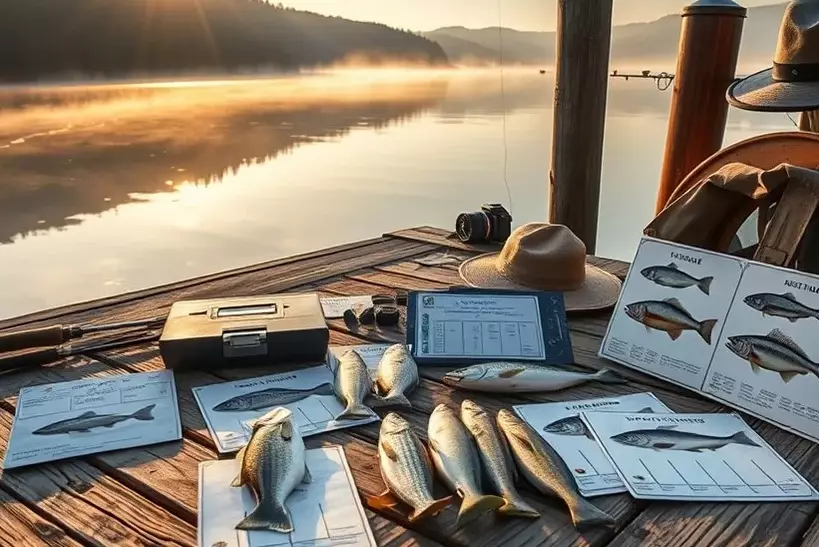
Your Fishing Cost Questions Answered
Often, yes, but not as your very first trip ever. Try bank fishing a few times first. Then, a half-day guided trip is an incredible accelerator. You're paying for localized knowledge, proper technique coaching, and guaranteed access to fish. A good guide will teach you more in 4 hours than you'd learn in 20 trips on your own. Think of it as tuition, not just recreation. To maximize value, ask questions non-stop and take notes on the lures, depths, and techniques they use.
Over-the-counter motion sickness pills. They often wear off right when you hit the rough water 15 miles out. If you're prone to seasickness, consult a doctor before the trip about prescription options like a scopolamine patch. A miserable, unproductive day on a $800 charter because you're sick is the ultimate waste. Also, people buy a giant, heavy rod they can't handle. For most inshore species, a medium-power 7-foot rod is far more versatile and enjoyable to use all day than a heavy "offshore" rod.
Take the advertised lodge package price and immediately add 25-30%. The package covers flights, lodging, meals, and boat. You need to add: fishing license (often $50-$100), mandatory tip for guides and staff (15-20% of the package price is standard), alcohol/special drinks, any gear rentals (waders, specific rods), and fish processing/shipping to get your catch home (this can be $200+). A $3,000 package easily becomes a $4,000 trip. Always call the lodge and ask for a full breakdown of "what's not included" before booking.
For a mix of local bank fishing and occasional boat trips, planning is key. Let's assume 18 local trips and 6 boat-assisted trips. Local: 18 x $75 = $1,350. Boat trips: 6 x $250 = $1,500. Annual license: $50. Annual gear maintenance/replacement (line, lures, etc.): $300. That's about $3,200 per year, or roughly $265 per month. You can cut this by splitting boat costs, fishing more from shore, and avoiding impulse gear buys. The biggest variable is the boat access—owning, maintaining, and fueling even a small boat will double or triple this number.
Reader Comments