Let's be honest. Your first fishing bag was probably an old gym duffel or a plastic grocery box. It worked, sort of. But then you bought more lures, another reel, extra line spools. Suddenly, you're digging through a tangled mess for that one specific crankbait, wasting precious fishing time. The right bag isn't just about carrying stuff; it's about instant access and keeping your gear in fighting shape. A bad bag leads to lost tackle, frustration, and missed fish. After years on the water and testing more bags than I care to admit, I've learned that the "best" fishing bag doesn't exist. The real goal is finding the best fishing bag for YOU.
Your Quick Guide to the Perfect Bag
What Exactly Are You Looking For in a Fishing Bag?
Skip this, and you'll buy the wrong thing. Before looking at a single product, ask yourself these questions.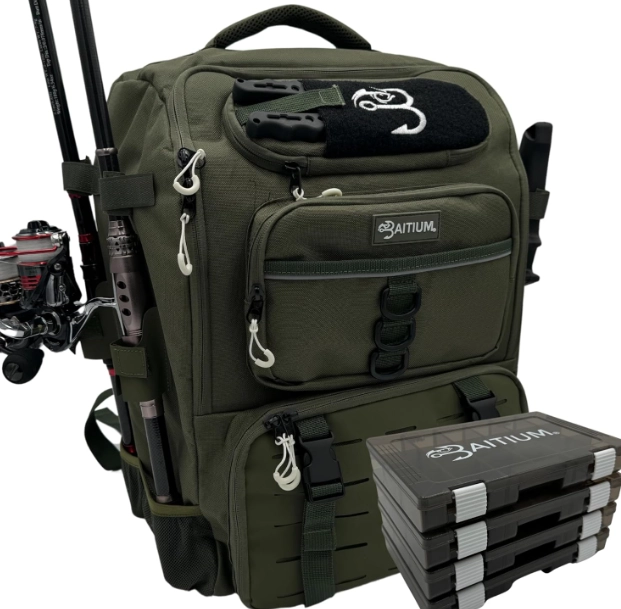
Where and how do you fish most? This is the biggest filter. A bank angler covering miles of shoreline has different needs from a kayak angler or someone on a bass boat.
Bank/wading anglers need mobility above all. Every ounce matters. Kayak anglers need a compact, low-profile bag that won't snag and can handle constant splashes. Boat anglers have more space but might prefer a large, open-top bag for quick grabs at multiple tackle boxes.
How much gear do you REALLY need on the move? Be ruthless. Most of us overpack. I used to carry three Plano 3700 boxes for a pond session. Now I take one, maybe two, with carefully selected lures. The lighter your load, the more you'll enjoy the hunt and the less strain on your back and shoulders.
What's your non-negotiable feature? Is it waterproofing because you're in a kayak or fish in the rain? Is it a specific pocket for your pliers and scale? Is it super-durable material because you bushwhack through brush? Pick one or two must-haves.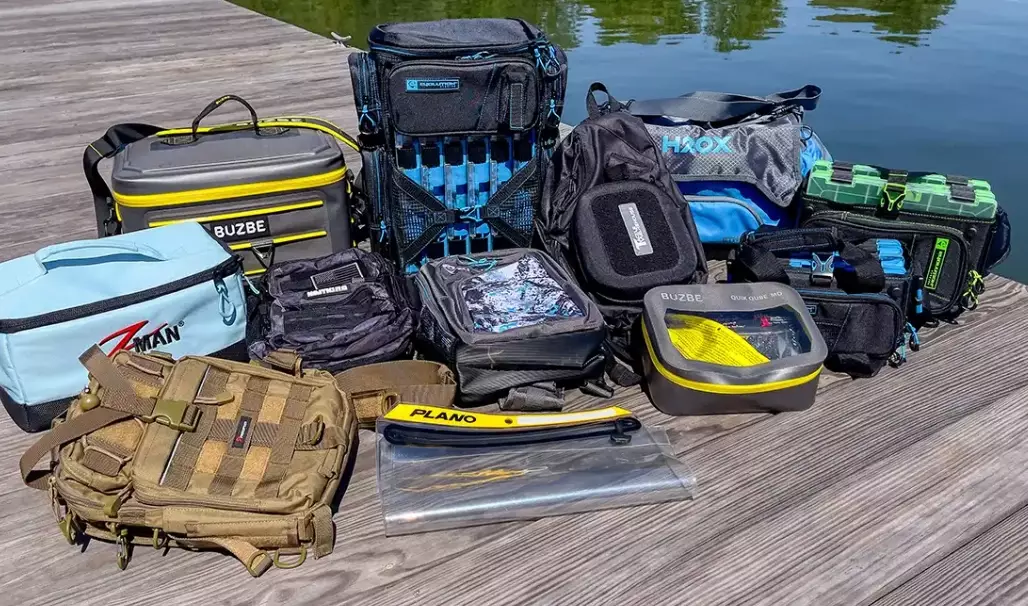
Pro Tip: Lay out all the gear you take on a standard trip. Not your "maybe" stuff, but the core items. Measure the boxes, count the tools, note the odd-shaped items (like a water bottle or rain jacket). This physical inventory tells you the minimum capacity you need.
The Top Contenders: Breaking Down Bag Types
Here’s the breakdown. Each type serves a different master.
| Bag Type | Best For | Biggest Pros | Watch Out For |
|---|---|---|---|
| The Shoulder Bag (or Tackle Bag) | Bank anglers, casual trips, quick access. Carries 2-4 medium tackle boxes. | Fast, one-handed access. Easy to swing around. Usually affordable. Simple organization. | Can get heavy on one shoulder. Less stable when walking over rough terrain. Limited capacity. |
| The Backpack | Long hikes, kayak fishing, mountain streams, hands-free mobility. | Distributes weight evenly. Frees up both hands. Often has hydration bladder compatibility. Great for all-day comfort. | Access can be slower (have to take it off). Can encourage overpacking. Not all are fully waterproof. |
| The Hip Pack / Waist Pack | Ultra-light travel, fly fishing, wading, when you only need the essentials. | Incredibly light and mobile. Keeps gear right at your fingertips. Less fatigue. | Very limited space. Usually holds 1 small box plus tools. Not for multi-species or all-day boat trips. |
| The Gear Bag / Duffel | Boat anglers, storing multiple large tackle boxes, carrying bulkier items like rain gear and food. | Massive capacity. Often open-top for easy rummaging. Tough as nails. | Heavy when full. No weight distribution (carry by hand). Poor organization if not used with internal boxes. |
The Shoulder Bag (or Tackle Bag)
This is the classic. My first real fishing bag was a shoulder bag. I loved flipping it open and seeing all my trays. The problem? After a few hours, my right shoulder was killing me. If you're stationary or moving short distances, it's perfect. Look for one with a wide, padded strap. A cheap nylon strap will dig in. Some higher-end models have a removable strap that lets you carry it like a briefcase, which is a nice option.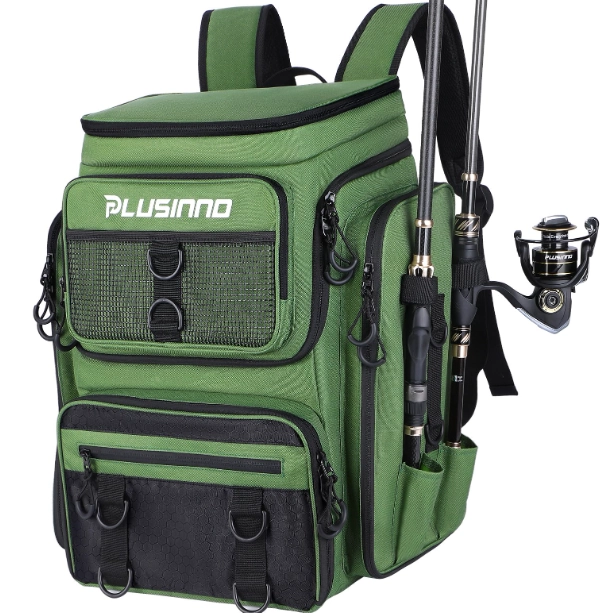
The Backpack
This is my go-to for 90% of my fishing now. When I'm hiking into a remote bass lake or spending a day on the kayak, nothing beats it. The key is the suspension system. A good fishing backpack feels like a good hiking backpack—padded, breathable straps, a chest strap, sometimes a waist belt. Don't cheap out here. A $30 backpack from a big-box store will ruin your day.
I made that mistake. The straps were thin, the back panel had no airflow, and it rubbed my neck raw. I suffered through a season before upgrading. Now I use one with a molded back panel and it's a night-and-day difference.
The Hip Pack / Waist Pack
For the minimalist. If you're a trout angler moving up a stream or someone who just needs a handful of jigs and soft plastics, this is elegance. It forces you to be selective. The best ones sit high on your waist, not low on your hips, so they don't bounce when you walk. Material matters a ton here—it needs to be lightweight but abrasion-resistant.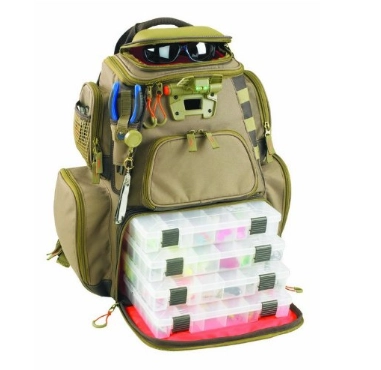
The Gear Bag / Duffel
This is the workhorse for the boat. It's not for carrying long distances. It's for hauling your arsenal from the truck to the deck. The best gear bags have a rectangular, boxy shape so Plano boxes stack neatly inside. A duffel with a rounded bottom is frustrating. Look for heavy-duty zippers and reinforced drag points. A PVC-coated bottom is a huge plus for wet decks.
Beyond Looks: Why Material and Build Quality Make or Break a Bag
You can have the perfect design, but if it's made from flimsy material, it'll fail. Here’s what to check.
Fabric: Cordura nylon is the gold standard. It's not just a brand name; it's a type of high-denier nylon that's incredibly resistant to abrasion and tears. A 500D or 1000D Cordura bag will last for years. Polyester is common and cheaper but generally less durable. Some bags use TPU-coated polyester for waterproofing, which works well but can be less breathable.
Zippers: This is the number one point of failure. YKK zippers are a sign of quality. Look for large, rubberized zipper pulls you can operate with wet or gloved hands. On backpacks, check if the main compartment zipper is a two-way U-shape—this lets you open the bag like a book, which is way better than digging into a top-loading hole.
Stitching: Look for double or triple stitching on stress points—where straps attach, at the bottom of the bag, around zippers. Loose threads or thin, single-line stitching is a red flag.
Water Resistance vs. Waterproof: Big difference. Most bags are water-resistant. They'll handle splashes and light rain. A waterproof fishing bag (like those with roll-top closures or sealed seams) is necessary for kayaking, float trips, or fishing in downpours. Remember, "waterproof" often means less breathable, so damp gear inside can stay damp.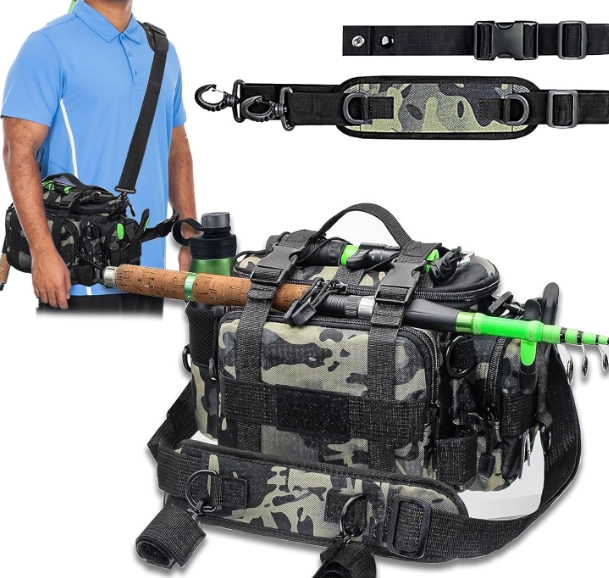
A Common Mistake: Assuming a "water-resistant" bag can be submerged. I've seen guys drop a "water-resistant" backpack in a lake, and it filled up like a sponge. If you need submersion protection, you need a fully waterproof bag or use a dry bag insert.
How to Organize Your Fishing Bag Like a Pro
A bag is just a shell. Your system inside is what creates efficiency.
Standardize Your Boxes. Mixing 3600, 3700, and 3500 sizes creates chaos. Pick one size (3700 is the most versatile) and stick with it. It makes stacking and planning so much easier.
Zone Your Gear. Don't just throw boxes in. Create zones.
- High-Use Zone: Your most-used lures for the day (top left pocket or front-most box).
- Tool Zone: Pliers, line cutters, scale, hook sharpener in a dedicated, easy-access pocket or sleeve.
- Backup/Specialty Zone: Less-used tackle, extra line, leader material goes deeper in the bag.
- Personal Zone: Phone, keys, wallet, snacks in a separate, secure compartment.
Use the Little Pockets. Those small external pockets are perfect for leader spools, scent bottles, a spool of fluorocarbon, or your sunglasses. It keeps them from rattling around in the main compartment.
Here's my personal system in my backpack: The main compartment has two 3700 boxes stacked. The front "quick-access" pocket has my pliers, scale, and a small box of terminal tackle (weights, hooks). The left side pocket holds a water bottle, the right side has a dry bag with my phone and keys. The top pocket has snacks and a small first-aid kit. It's boring, but I can find anything in the dark.
Reports from the American Sportfishing Association often highlight that organized anglers spend more time fishing and less time searching, which directly correlates to more catches. It's not just a theory.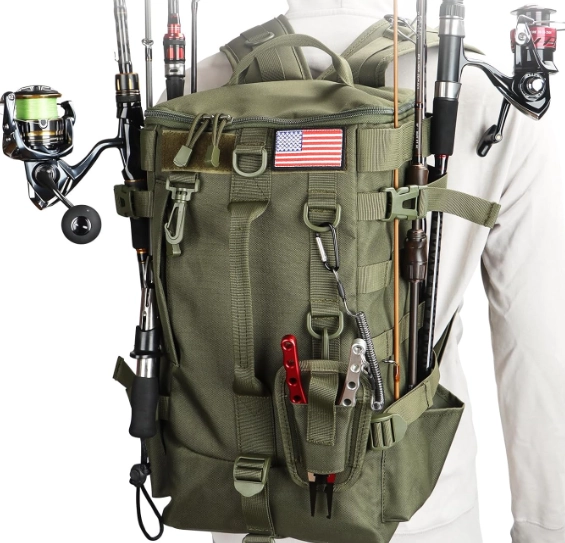
Your Burning Fishing Bag Questions, Answered
The best fishing bag isn't the most expensive one with the most pockets. It's the one that disappears on your adventure, giving you effortless access to the right tool at the right moment. It's the one that's still in great shape after seasons of use. Define your primary style, prioritize comfort and durability over flashy features, and build an organization system that matches your brain. Do that, and you'll stop thinking about your bag and start thinking about the fish. And that's the whole point.
Reader Comments