Colorado isn't just about skiing and hiking. Its rivers and lakes are a paradise for young anglers, and a well-run kids fishing camp can be the spark that ignites a lifelong love for the outdoors. Forget the generic lists. This guide cuts through the noise to give you the real details on Colorado's top kids fishing camps—what they actually offer, who they're best for, and how to avoid the common pitfalls that can turn a dream trip into a soggy disappointment.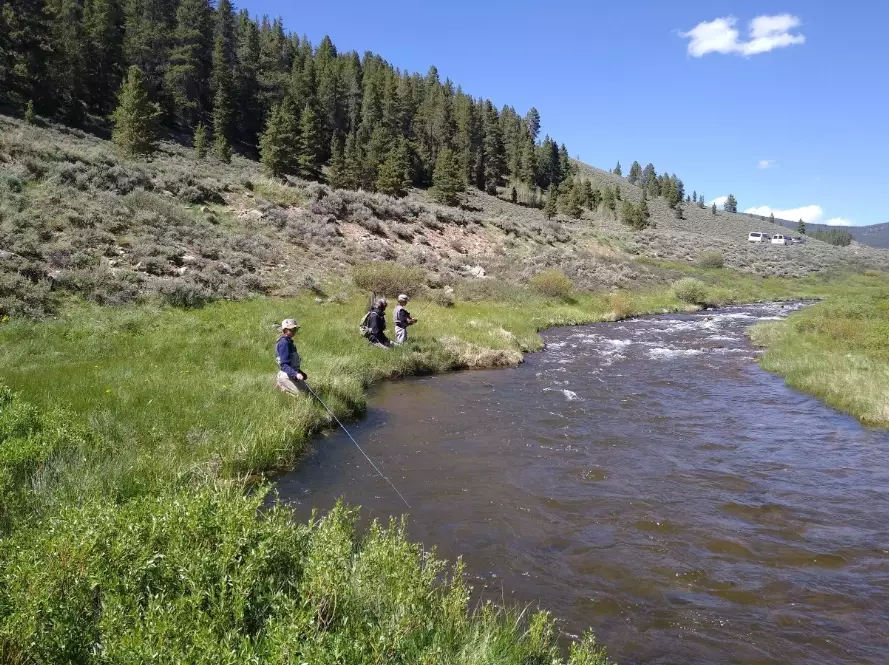
What's Inside This Guide
Why Colorado is a Top Pick for Kids Fishing Camps
It's not just the scenery. Colorado's diverse fisheries offer unique learning environments you won't find elsewhere. High-alpine lakes teach patience and the thrill of wild trout. Meandering front-range rivers introduce kids to reading water currents. The state's commitment to conservation education, often woven into camp curricula, means your child learns to be a steward, not just an angler. Programs here often partner with entities like Colorado Parks and Wildlife, bringing authentic expertise into the camp experience.
The climate in summer is ideal—sunny days, cool evenings. But that altitude? It's a real factor many camps don't emphasize enough. A camp at 9,000 feet is a different beast than one at 5,000 feet. The thinner air can tire kids out faster, and sunburn happens in minutes. The best camps have protocols for this: mandatory hydration breaks, shaded rest areas, and sunscreen re-application built into the schedule.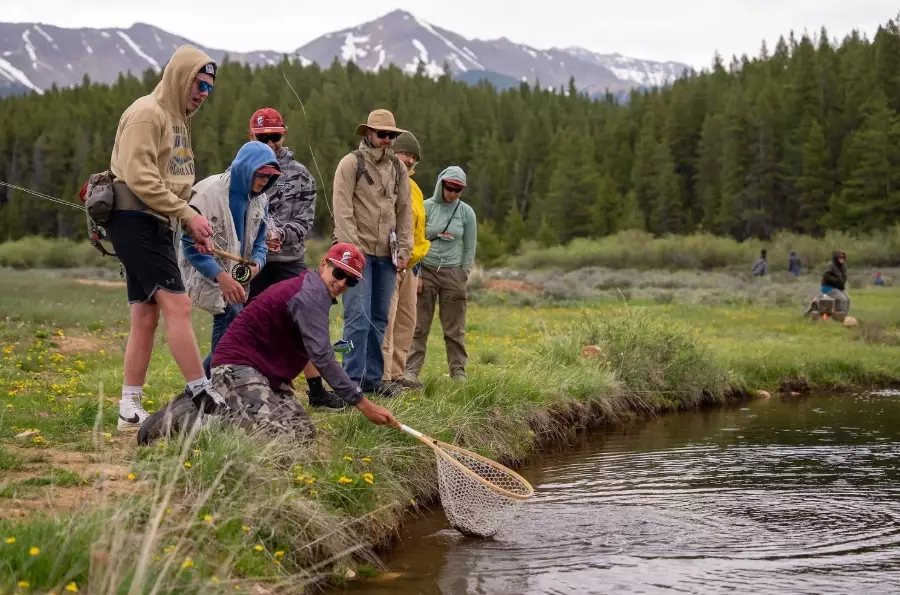
Top 3 Colorado Kids Fishing Camps Reviewed
Based on program depth, safety records, instructor-to-child ratios, and pure fun factor, these three stand out. They're not just babysitting with a fishing rod.
| Camp Name & Focus | Location & Key Details | Best For & Cost Estimate |
|---|---|---|
| Rocky Mountain Youth Fly Fishing Camp Immersive fly-fishing technique, conservation ethics. |
Based near Estes Park. Uses private stretches of the Big Thompson River. Small groups (max 6 kids per guide). 5-day overnight camps. Provides all specialized fly gear. | Teens 13-17 seriously interested in fly fishing. Not for complete beginners wanting casual spin-casting. ~$950 per week. Contact via their website. |
| High Country Kids Fishing Camp Adventure-based learning; lake and stream fishing. |
Multiple locations (Summit County & Gunnison). Day camps and 3-day lodge-based options. Heavily focuses on ecology—bug identification, fish habitat. | Ages 8-14. Great for curious kids who love science and hands-on exploration. Ratio: 1 instructor per 5 kids. ~$450 (3-day), ~$250 (week-long day camp). |
| Front Range Family Fishing Adventures Parent/Child weekend workshops. |
Denver foothills (Clear Creek, Chatfield Reservoir). Not a drop-off camp. Teaches the adult and child together. Half-day and full-day sessions. | Families with kids 6+. Perfect if you want to learn alongside your child and continue the hobby together. ~$180 for parent/child pair (half-day). |
I've spoken to parents whose kids attended the High Country camp. One mentioned the counselors were phenomenal at handling her son's initial frustration when he wasn't catching anything—they pivoted to turning over rocks to look for crawdads, keeping engagement high. That's the sign of a quality program.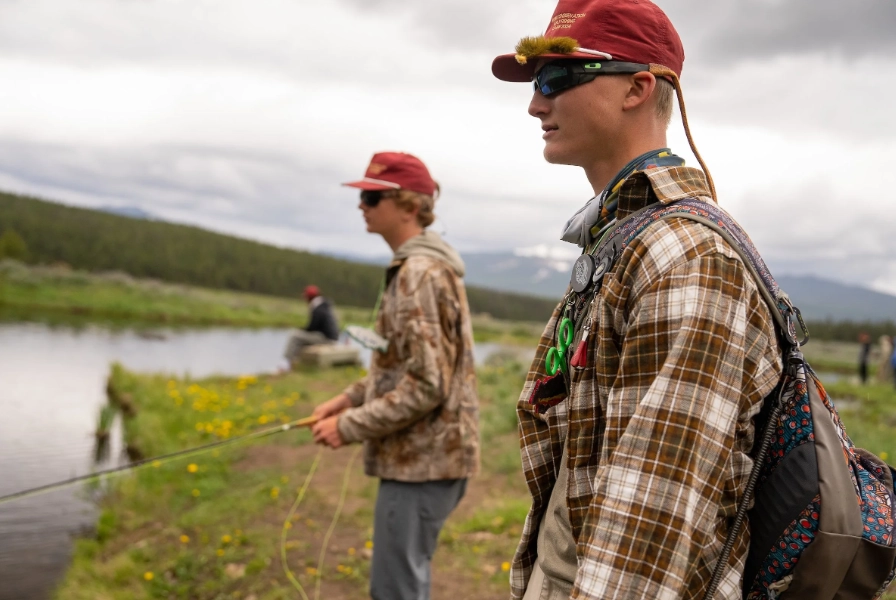
How to Choose the Right Camp for Your Child
Matching the camp to your kid's personality is more important than the fanciest location.
Age and Attention Span are Everything
A 7-year-old does not belong in a technical fly-tying workshop. For kids under 10, look for camps with high activity rotation—fishing for an hour, then a nature scavenger hunt, then snacks. The goal is positive association, not mastery. For tweens and teens, seek out camps that offer progression: maybe they learn basic casting day one, and by week's end are learning to tie a specific knot or identify insect hatches.
The Instructor Ratio Lie
Many camps advertise a low ratio, but ask what that staff member *does*. Is the "instructor" a college kid on their phone, or are they actively engaged? Call and ask: "Can you describe a typical 30-minute block with an instructor and the kids?" The answer tells you everything. A quality camp will describe specific teaching moments, not just supervision.
Dig into the "Extras"
Does the camp cost include fishing license coverage (a big one in Colorado)? Do they provide gear, or is it BYO? What's the lunch situation? A camp that serves pizza every day might win kid points but lose parent points. Also, check their wet weather plan. Colorado afternoons can bring thunderstorms. Do they have solid indoor/educational backup activities, or do they just cancel?
The Non-Negotiable Packing List (Most Parents Forget Something)
The Essentials (Camp-provided gear not included):
- Sun Protection: Waterproof, mineral-based sunscreen (SPF 50+), wide-brimmed hat that won't blow off, UV-protection sunglasses with a croakie.
- Layered Clothing: Quick-dry pants and shirt (NO COTTON), insulated fleece or puffy jacket, quality rain jacket and pants (not a plastic poncho).
- Footwear: Closed-toe shoes that can get wet (like hiking sandals or old sneakers) AND a separate pair of dry shoes/socks for the ride home.
- Hydration & Food: Large, insulated water bottle (marked with name). High-energy snacks even if lunch is provided.
- Personal Items: Small backpack, any required medications, lip balm with SPF.
The single most forgotten item? A complete change of clothes left in the car. Trust me, after a day in the water, a dry, comfortable ride home is the difference between a happy memory and a grumpy meltdown.
Pro Fishing Tips to Prep Your Kid (From a Guide)
I've guided dozens of first-timers. Here's what actually works to set them up for success before camp even starts.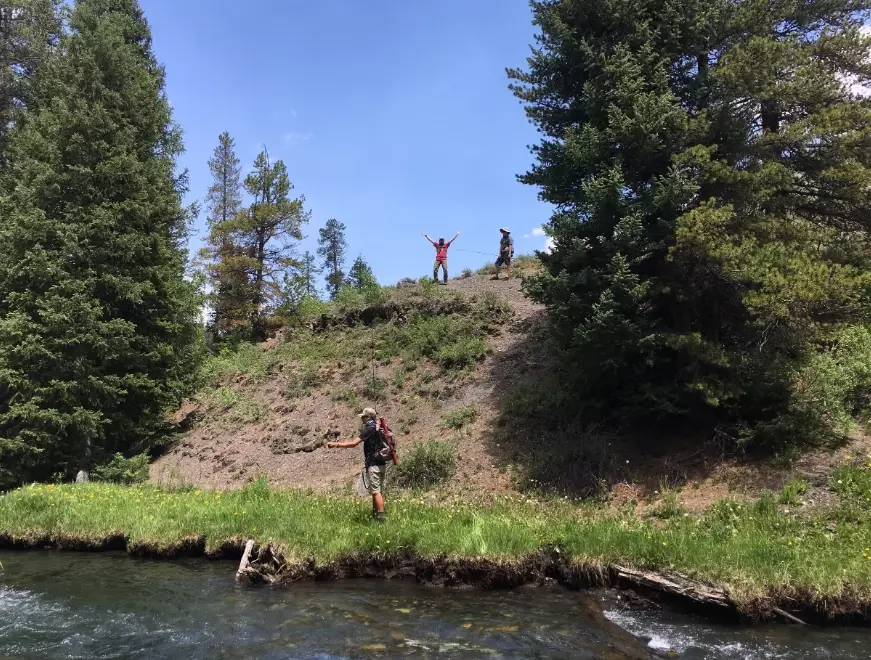
Simplify the Gear: If the camp doesn't provide gear, get a simple spincast combo (the push-button kind). Avoid fancy spinning reels for the very young—the line tangles cause instant frustration.
Practice "Casting" in the Yard: Tie a small weight (no hook!) to the line and have them practice landing it in a hula hoop or bucket. It's a game. This builds muscle memory and control, so they're not learning everything in the moment on the water.
Manage Expectations: Explain that sometimes fish aren't hungry. Talk about the other cool things they'll see: birds, water bugs, different rocks. Frame the day as a "fishing adventure," not a "catching mission."
Teach Gentle Handling: Show them pictures of how to wet hands before touching a fish, and how to support it properly if they do catch one. Instill respect for the animal from day one.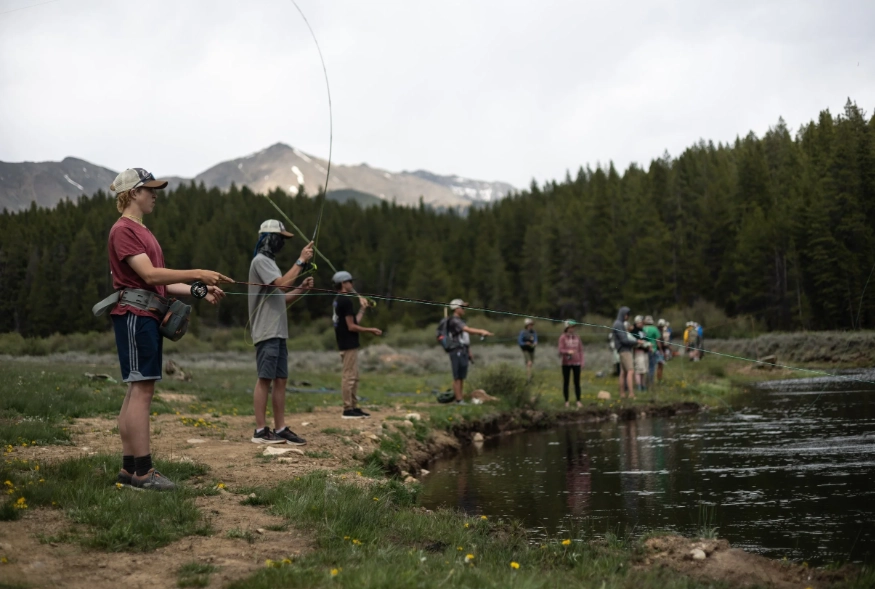
Your Real-World Questions, Answered
My child gets bored easily. Are there fishing camps that mix in other activities?
Absolutely, and I'd actively seek one out. Look for camps that advertise "multi-activity" or "adventure" themes. Many in Colorado combine fishing with hiking, basic survival skills (like building a shelter), orienteering with a compass, or aquatic ecology studies. The High Country camp model is a prime example. The key is to call and ask for a sample schedule—see how they segment the day.
What's the ideal age for a first overnight fishing camp?
There's no magic number, but readiness depends more on experience than age. Has your child done other overnight stays (with relatives, friends)? Are they comfortable with basic self-care? For most kids, a successful first independent outdoor experience happens between 10 and 12. Before that, parent-child weekend workshops (like Front Range Family Adventures) are a brilliant way to build confidence and shared skills.
 How do I handle my kid's fear of handling worms or fish?
This is incredibly common and often glossed over. First, normalize it. "Lots of people feel that way at first." Ask the camp ahead of time if they offer tools like de-hookers or if bait alternatives (like artificial PowerBait or lures) are an option. A good instructor will never force a child to touch something. They might start by having the child use pliers to remove the hook, or simply be the "netter" or "spotter." The goal is gradual exposure, not shock therapy.
We're not a "fishing family." Will my child feel behind at camp?
A well-structured beginner's camp assumes zero knowledge. In fact, kids with no preconceived ideas can sometimes learn faster because they're not trying to unlearn bad habits. The camps listed above are designed for this. Communicate your child's experience level (or lack thereof) when you register. The best camps will group kids by skill level for certain activities.
What if it rains or the weather turns bad?
This is a critical question for the camp director. Colorado mountain weather is volatile. A professional camp will have a detailed weather policy. This should include safe, lightning-proof shelter locations, a schedule of engaging indoor activities (fish printing, knot-tying lessons, wildlife documentaries), and clear communication protocols for parents. If they say "we just fish in the rain," I'd look elsewhere—that's a safety red flag.
 The right Colorado kids fishing camp can do more than teach your child to cast a line. It can build confidence, foster respect for nature, and create core memories tied to the smell of pine and the sound of a river. It's an investment in skills that last a lifetime, far beyond the lake's shore. Do your homework, ask the detailed questions, and get ready for some fantastic stories when they return home.
Reader Comments