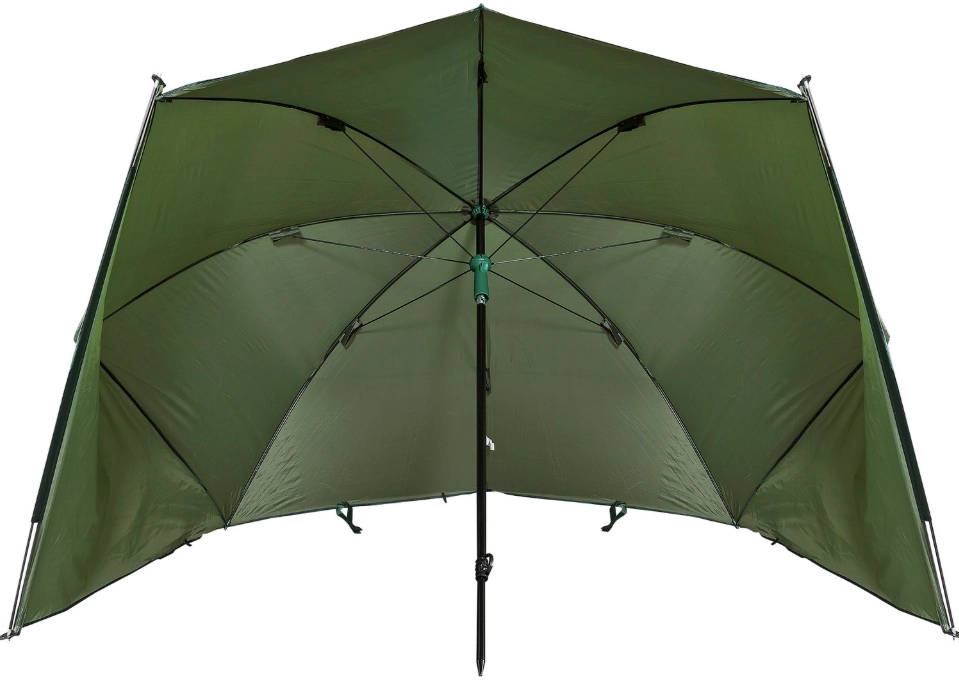
You're out on the water, rod in hand, and the sun is beating down. Or maybe clouds roll in and drizzle starts. That's when a fishing umbrella becomes your best friend. I've been fishing for over ten years, and let me tell you, this piece of gear isn't just an accessory—it's a game-changer. A fishing umbrella is used primarily to provide shelter from the sun, rain, and wind, creating a comfortable, protected spot so you can focus on catching fish longer. But there's more to it than just sticking a pole in the ground. In this guide, I'll break down everything from core uses to setup tricks that most beginners miss.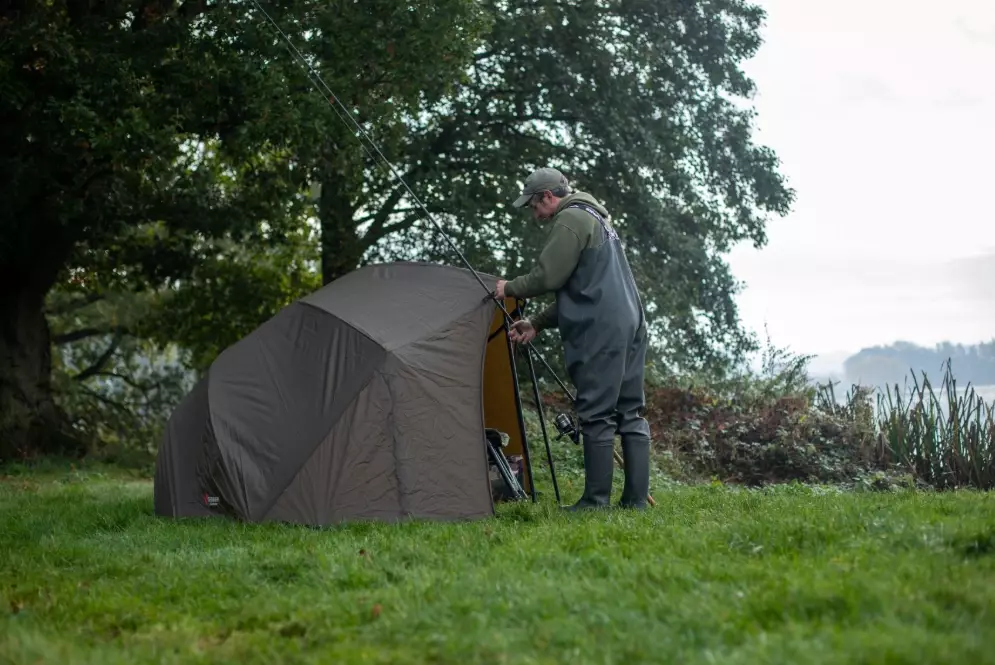
What You'll Discover in This Guide
Core Uses of a Fishing Umbrella
Think of a fishing umbrella as your personal weather station. It's not just about staying dry; it's about optimizing your entire fishing experience. Here are the main ways it helps.
Protection from the Sun
Sunburn can ruin a trip fast. A good fishing umbrella blocks UV rays, keeping you cool. I remember a summer day on Lake Michigan where I forgot mine—ended up with a nasty burn and had to cut the trip short. Look for umbrellas with UPF 50+ rating. They reduce glare on the water too, making it easier to see fish activity.
Shelter from Rain and Wind
Rain doesn't have to mean packing up. A waterproof canopy lets you fish through showers. Wind protection is huge—it stabilizes your gear and prevents tangles. On coastal trips, I've seen umbrellas with vented designs that let wind pass through without flipping over. That's a subtle but critical feature many anglers overlook.
Creating a Comfortable Fishing Spot
Comfort leads to patience, and patience catches fish. An umbrella shades your cooler, keeps bait fresh, and gives you a spot to sit without baking. It's like having a mini-basecamp. I often pair mine with a folding chair—game-changer for all-day sessions.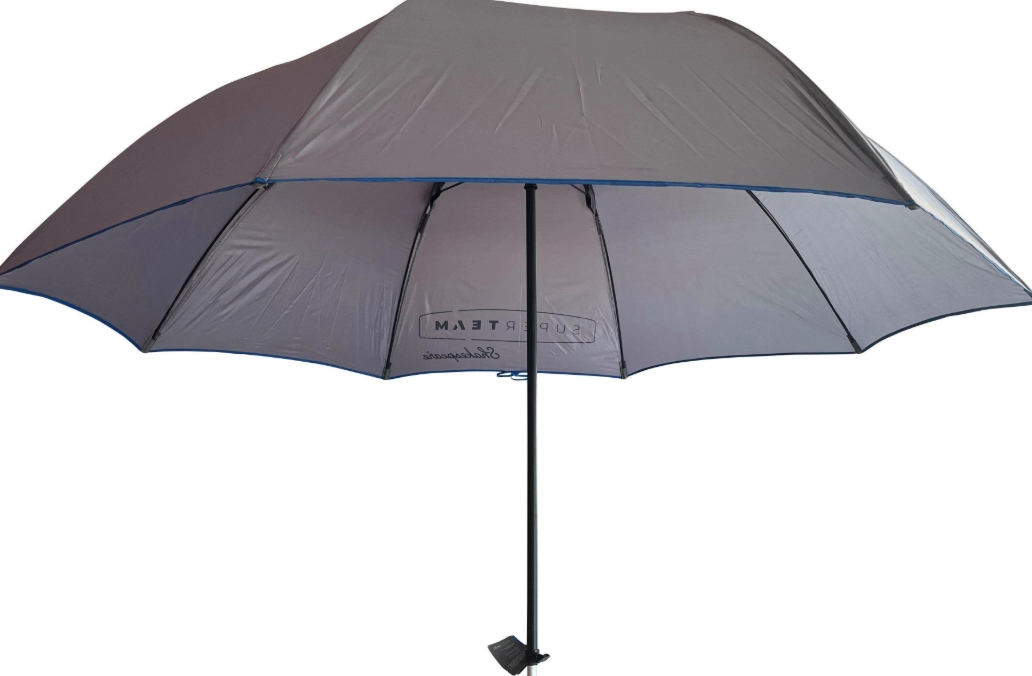
Key Features to Look For
Not all fishing umbrellas are equal. Here's a breakdown of what matters, based on my testing and chats with other seasoned anglers.
| Feature | Why It Matters | Good Example |
|---|---|---|
| Size (Diameter) | Larger covers more area but can be bulky. For solo fishing, 6-7 feet is ideal. For two people, go 8+ feet. | 7-foot umbrella for versatility |
| Material | Ripstop nylon or polyester with PU coating. Avoid cheap vinyl—it cracks in sun. | 210D polyester with waterproof rating |
| Weight | Lighter is better for portability, but too light may blow away. Aim for 5-8 pounds. | 6.5 lbs with carry bag |
| Setup Mechanism | Quick-release hubs or telescopic poles save time. I prefer ones with push-button locks. | Telescopic pole with auto-open |
| Guy Lines & Stakes | Essential for wind. Many kits omit these, but always use them—trust me, I learned the hard way when mine flew into a river. | Included 4 guy lines and metal stakes |
Pro Tip: Don't skimp on stakes. In soft ground like sand or mud, use screw-in sand stakes—they hold way better than the basic ones that come with most umbrellas. I bought a set separately after a windy day at the beach where my umbrella kept tipping.
How to Set Up Your Fishing Umbrella: A Step-by-Step Guide
Setting it up wrong is a common pitfall. Follow these steps to avoid frustration.
Step 1: Choose the Right Spot
Look for flat ground near your fishing spot but not too close to the water's edge. Avoid overhanging branches—they can snag. I once set up under a tree, and bird droppings ruined the canopy. Lesson learned.
Step 2: Insert the Pole
Most umbrellas have a spike at the bottom. Push it into the ground at a slight angle away from the wind direction. If the ground is hard, use a rubber mallet (I keep one in my car). Don't force it; you might bend the pole.
Step 3: Open and Secure
Extend the ribs and lock them in place. Attach guy lines to the loops on the canopy—use all provided lines, not just two. Stake them out in a star pattern, about 3-4 feet from the base. Tighten the lines so there's tension but not too much.
Step 4: Adjust for Conditions
In sun, angle the umbrella to block light throughout the day. In rain, ensure the canopy is taut to shed water. For wind, lower the height slightly to reduce profile.
Imagine you're on a pier with limited space. Here, a clamp-on umbrella that attaches to rails works better. I've used one on a crowded dock—saved my spot and kept me dry during a sudden storm.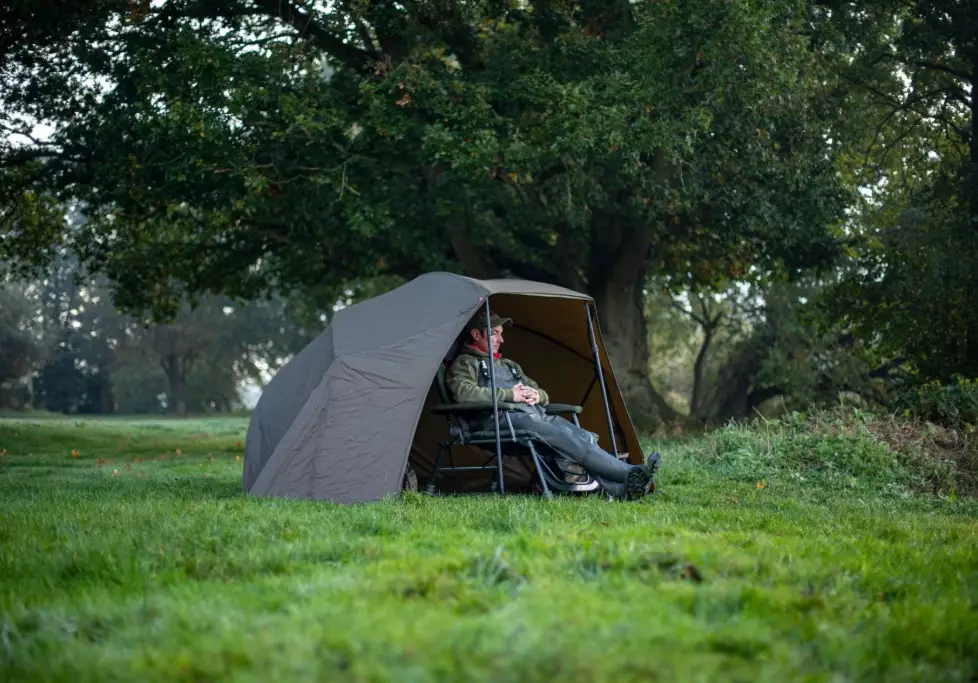
Common Mistakes and How to Avoid Them
Even experienced anglers slip up. Here are errors I've seen—and made myself.
- Ignoring Guy Lines: This is the biggest one. On a calm day, you might think you don't need them. But weather changes fast. Always secure the lines; it takes two extra minutes and prevents disasters.
- Wrong Angle for Sun: People set the umbrella straight up, but the sun moves. Tilt it toward the sun's path. I use a simple rule: point it southeast in the morning, southwest in the afternoon.
- Cheaping Out on Material: A $20 umbrella might seem fine, but after a season, it fades or tears. Invest in durable fabric—it lasts years. My first cheap one ripped in a gust, and I had to buy a replacement anyway.
- Not Checking Local Regulations: Some parks or beaches restrict umbrella sizes or stakes. I got a warning once for using long stakes in a protected dune area. Call ahead or check online.
Another subtle mistake: using the umbrella as a rod holder. Some models have attachments, but it can imbalance the setup. I tried it once, and the whole thing wobbled when I got a bite. Better to use a separate rod stand.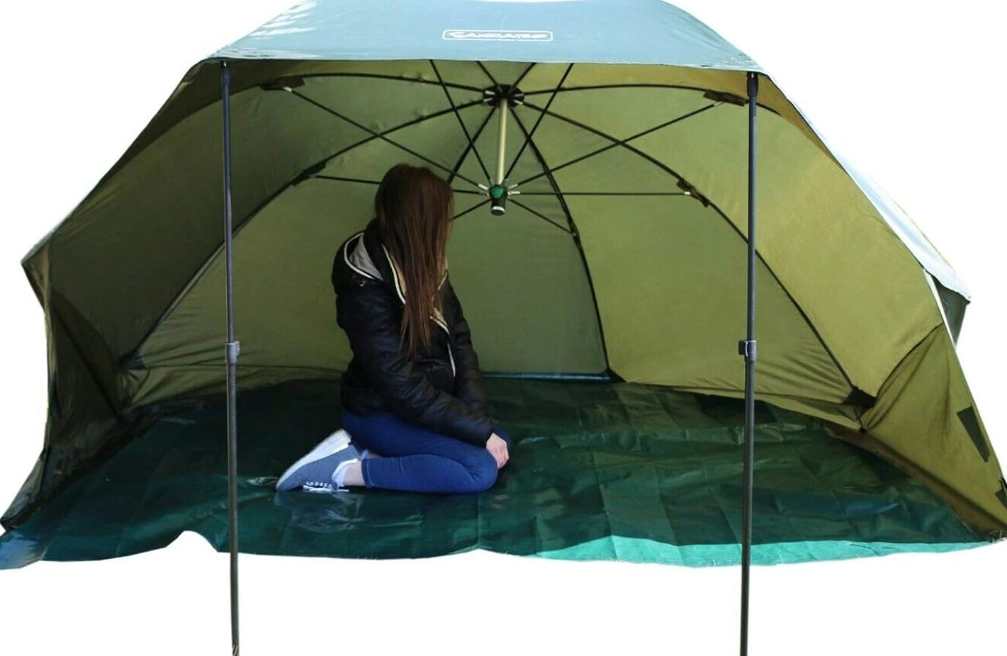
FAQ: Your Questions Answered
 Are fishing umbrellas worth it for kayak fishing?
Reader Comments