What's In This Guide?
Let's cut to the chase. You're here because you've probably spent money on a fancy-looking lure, cast it out, and gotten nothing. Or maybe you've had some luck with live bait and wonder if switching to artificial is worth it. The short answer is yes, artificial lures are not just effective; in many cases, they can be far more effective than live bait. But there's a big 'but' hanging there.
I've been using artificial lures for over a decade, and I've seen countless anglers make the same subtle mistake that kills their success. They treat all lures the same. They'll buy a top-selling crankbait because it worked for someone on YouTube, throw it into a lake on a sunny day, and when it fails, they declare artificial lures useless. The problem isn't the lures; it's a fundamental misunderstanding of how fish perceive them.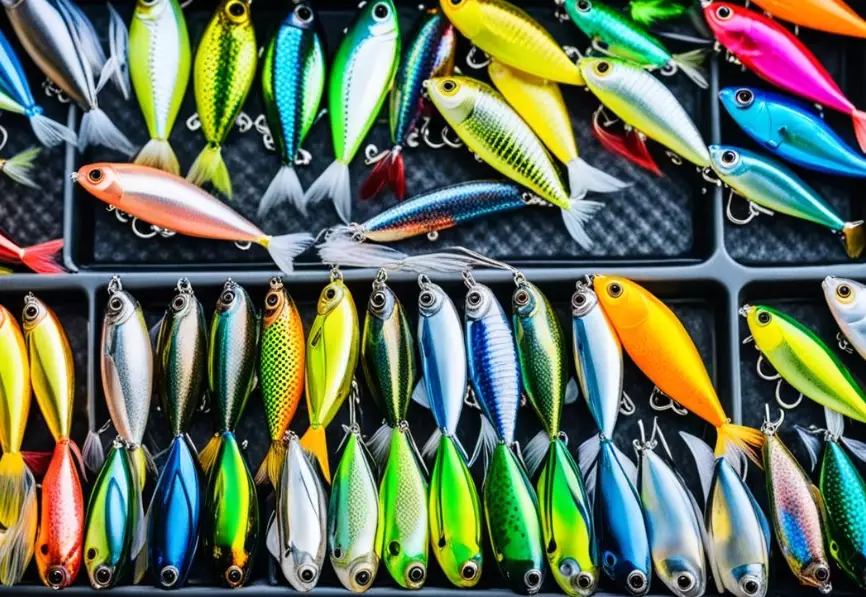
Think about it from a fish's perspective. It's not actively hunting for a shiny piece of metal. It's looking for something that looks, acts, and sounds like food. A lot of modern lures are engineered to perfection, but that engineering is wasted if your presentation is off. A common error I see is anglers retrieving too fast. In clear water, a slow, subtle retrieve often triggers strikes that a fast retrieve would miss.
What Are Artificial Lures?
At their core, artificial lures are man-made objects designed to imitate prey and attract fish. They come in a dizzying array of shapes, sizes, and actions, from simple hooks adorned with feathers to complex robotic swimmers. The basic principle is to create an illusion of life that a fish finds irresistible.
Historically, the first artificial lures were likely just pieces of bone or shell tied to a line. But the modern fishing lure industry, as documented by the American Sportfishing Association, is a multi-billion dollar business built on constant innovation. The goal has always been the same: to trick the fish into biting.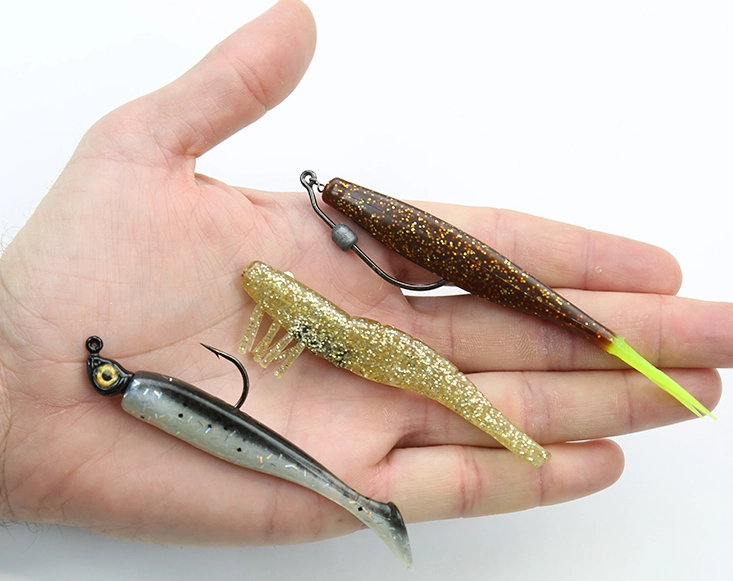
How Do Artificial Lures Work?
Artificial lures work by appealing to a fish's predatory instincts. They do this through a combination of visual, auditory, and sometimes even scent-based cues.
Visual Appeal: This is the most obvious. The lure's shape, color, and movement are all designed to look like something the fish wants to eat. A lure that mimics a wounded baitfish, for example, is often more effective because it triggers an easy-meal response.
Action and Vibration: Many lures have built-in actions that create vibrations in the water. These vibrations can attract fish from a distance, especially in murky water where visibility is low. Spinnerbaits, for instance, have rotating blades that flash and create commotion.
Sound: Some lures, like crankbaits, are designed to make specific sounds that mimic the clicking or rattling of prey. This auditory cue can be a powerful attractant, particularly for species like bass that rely heavily on their lateral lines to detect prey.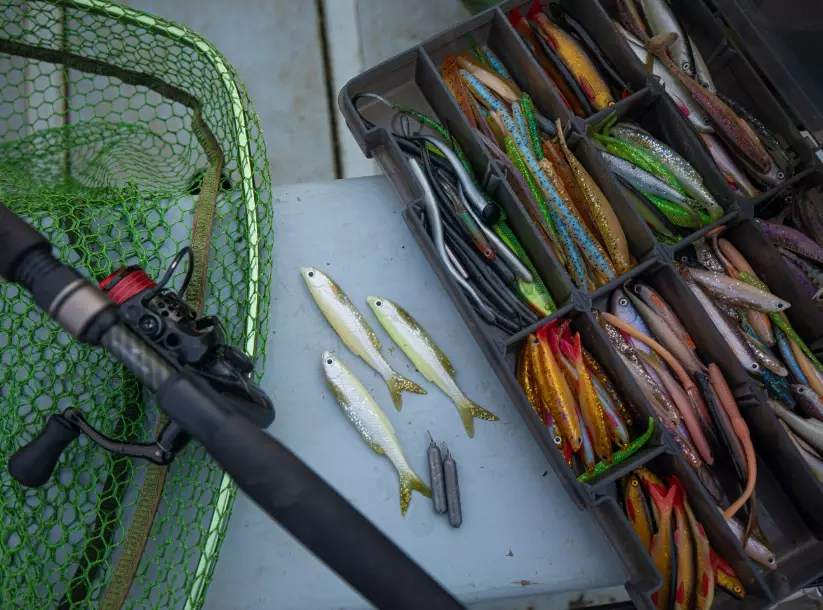
But here's the non-consensus point, the one that most beginners miss and even some experienced anglers don't fully grasp. It's not just about the lure's action; it's about the context you place it in. A perfectly designed lure retrieved in a way that doesn't match the forage or the water conditions is a waste of money. I've lost count of the times I've seen anglers blame their gear when the real issue was their presentation.
Are Artificial Lures Effective?
The effectiveness of artificial lures is not a matter of opinion; it's backed by data and experience. Studies, such as those conducted by the Recreational Boating & Fishing Foundation, have shown that artificial lures can be highly effective, especially when targeting specific species or in certain conditions.
Let me give you a concrete example. Last season, on a trip to Lake Superior for lake trout, I exclusively used artificial lures. The water was deep, cold, and clear. Live bait would have been cumbersome and less effective. I used a combination of large swimbaits and deep-diving crankbaats. The result? I caught more and larger fish than any of the other anglers on the boat who were using live bait. Why? Because I could cover more water, present the lure at different depths and speeds, and match the hatch more precisely.
However, and this is a big however, I've also had days where live bait out-fished everything in my tackle box. It's not that artificial lures are ineffective; it's that they are a tool, and like any tool, their effectiveness depends on the user's skill and the situation.
Types of Artificial Lures and Their Uses
There's a whole universe of artificial lures out there, each with its own strengths and weaknesses. Choosing the right one can feel overwhelming. Here's a breakdown of the main categories to simplify things.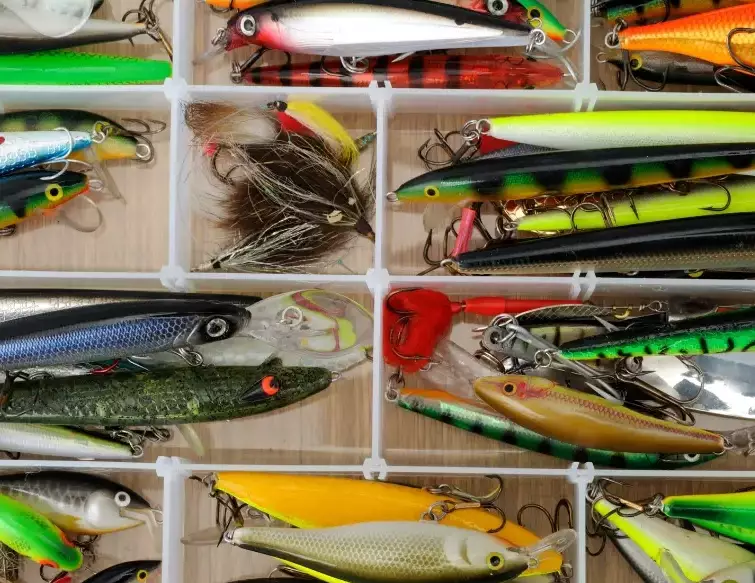
- Spinnerbaits: These are versatile lures with one or more spinning blades that create flash and vibration. They're excellent for covering water quickly and can be effective in a wide range of conditions.
- Crankbaits: Known for their diving action, crankbaits are great for getting down to fish holding at specific depths. They come in various shapes and sizes, each with a different diving depth.
- Soft Plastics: These are incredibly realistic and can be rigged in countless ways. They're often used for finesse presentations or when fish are being finicky.
- Topwater Lures: Designed to stay on the surface, topwater lures create a commotion that can trigger explosive strikes. They're best used in low-light conditions or when fish are actively feeding near the surface.
But here's where I diverge from the common advice. Many anglers, even experienced ones, fall into the trap of thinking that more expensive lures are always better. That's simply not true. Some of my most productive lures have been cheap, simple ones that I've customized myself. The key is not the price tag; it's understanding how the lure moves in the water and how to manipulate that movement to your advantage.
How to Choose the Right Artificial Lure
Choosing the right artificial lure is more art than science. It's about matching the lure to the conditions and the fish's behavior. Here's a step-by-step approach that I've refined over the years.
- Identify Your Target Species: Different fish have different feeding habits and preferences. Know what you're after.
- Assess the Water Conditions: Clear water requires more natural-looking lures, while murky water might allow for brighter colors or more aggressive actions.
- Consider the Forage: What are the fish eating? Match your lure to the prevalent forage in the area.
- Think About Presentation: How you retrieve the lure can be just as important as the lure itself. A slow, steady retrieve might work in one situation, while a fast, erratic one might be better in another.
A common mistake I see is anglers sticking to one retrieve speed regardless of the conditions. Fish aren't always aggressive; sometimes they need a more subtle approach. Experiment with different speeds and actions until you find what works.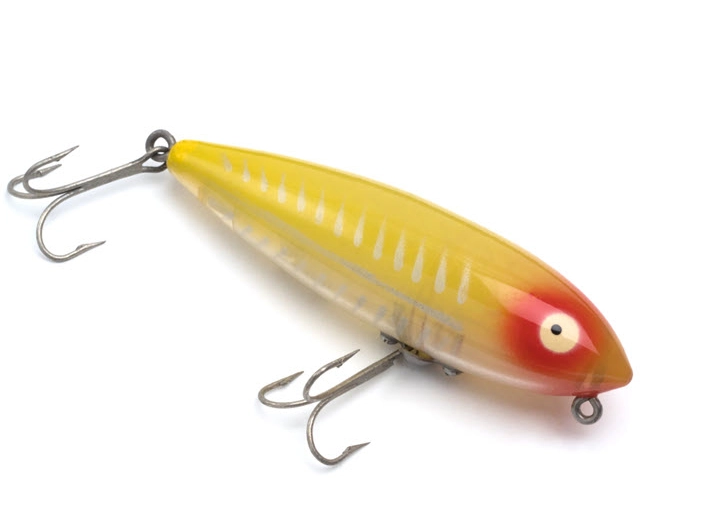
Common Mistakes and How to Avoid Them
Let's talk about the mistakes that can make even the best artificial lure ineffective. These are the subtle errors that many anglers make but rarely talk about.
- Over-Retrieving: This is a classic error. Retrieving too fast can make the lure look unnatural and spook fish. Slow down, let the lure do its work.
- Ignoring the Weather: Weather changes can dramatically affect fish behavior. On a sunny day, fish might be deeper and less active, requiring a different approach than on a cloudy day.
- Using the Wrong Line: Your line choice matters more than you think. A line that's too heavy can affect the lure's action, while one that's too light might break on a big fish. Match your line to the lure and the conditions.
- Not Adjusting for Depth: Fish hold at different depths depending on the time of day, water temperature, and other factors. Make sure your lure is reaching the right depth.
My personal pet peeve? Anglers who refuse to adapt. I've been on trips where everyone was using the same lure because it was 'hot' that week, and we all got skunked. Meanwhile, I switched to something different and caught fish. Be willing to change your tactics if something isn't working.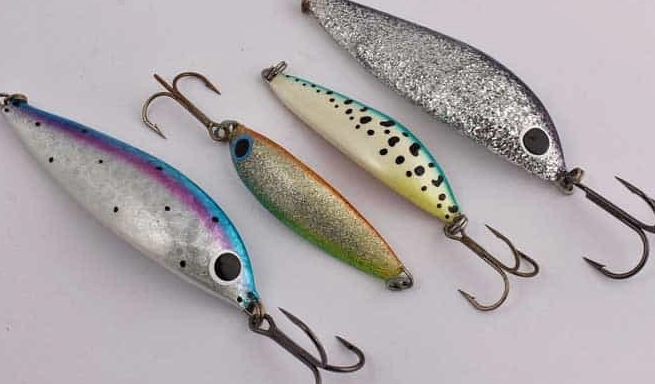
FAQ Section
Now, let's address some of the most common questions I get about artificial lures.
I hope this guide has been helpful. Remember, fishing is as much about the journey as the destination. Enjoy the process, learn from your mistakes, and most importantly, have fun out there.
Reader Comments