Let's be honest. The traditional fishing backpack is a pain. You're on a kayak, trying to turn around to grab a lure, and the whole bag shifts. You're hiking a trail to a remote spot, and your shoulders ache from the straps. Or you're wading in a river, and you need to access your pliers now, not after a five-minute struggle to shrug off a pack. For years, I just dealt with it, thinking it was part of the deal. Then I tried a fishing bag sling, and it felt like cheating. This isn't just another bag; it's a fundamental shift in how you interact with your gear on the water. It prioritizes agility, speed, and comfort in a way a backpack simply can't match.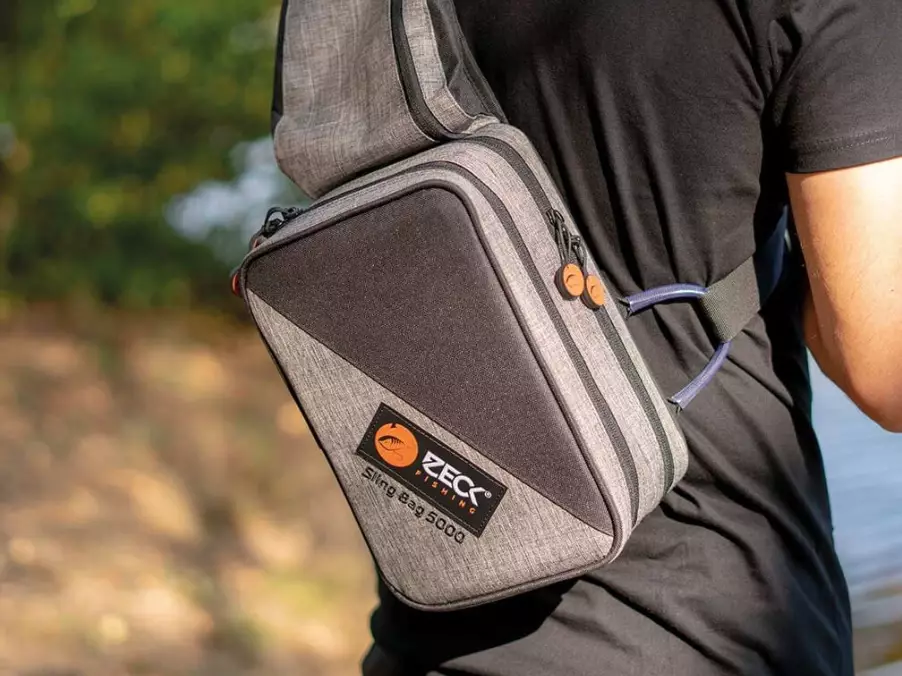
Your Quick Guide to the Article
What is a Fishing Bag Sling? (It's Not Just a Side Bag)
At first glance, it looks like a messenger bag for fishing. But the devil—and the genius—is in the design. A true fishing sling bag is worn over one shoulder and across the chest, so the bag itself rests on your lower back or side. A single, wide, padded strap does all the work. The magic happens when you need something. Instead of taking the bag off, you simply rotate it around your body to your front. It glides on that strap, bringing all your compartments right to your fingertips in under two seconds. Your other hand never leaves your rod.
I remember the first time I did this while wading. A snag. I rotated the sling, grabbed my forceps, freed the lure, and was casting again before my buddy with a backpack had even unclipped his chest strap. That's the moment I was sold.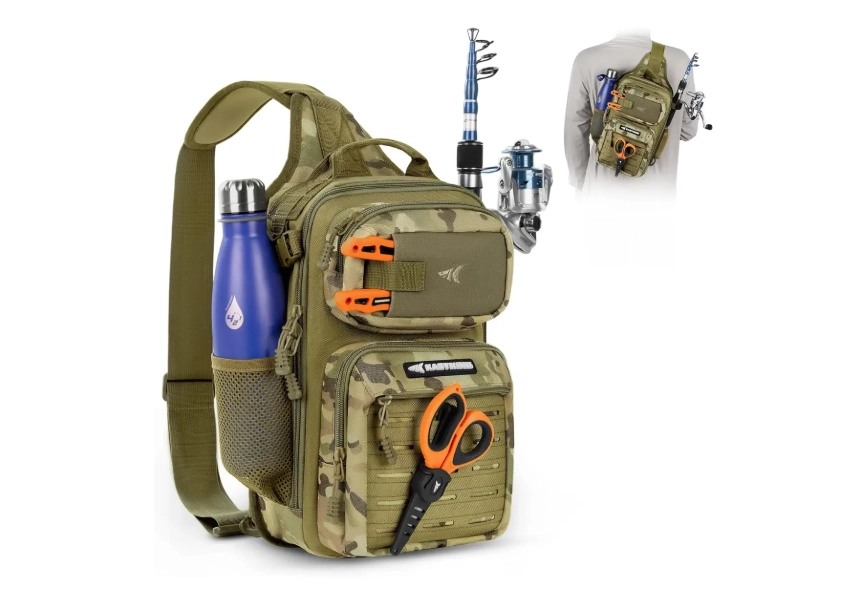
The Core Difference: A backpack requires you to stop and remove it to access most gear. A sling bag is designed for on-body access. You interact with your tackle without breaking your fishing rhythm.
Sling Bag vs. Traditional Backpack: The Real-World Breakdown
Here’s a comparison based on a decade of carrying both types from mountain streams to saltwater flats.
| Feature | Fishing Bag Sling | Fishing Backpack |
|---|---|---|
| Access Speed | Extremely fast. Rotate to front. 1-2 seconds. | Slow. Must remove straps, often set bag down. |
| Comfort & Weight Distribution | Good for light/medium loads. Weight on one shoulder/cross-chest. Can cause fatigue on very long days if overloaded. | Excellent for heavy loads. Distributes weight evenly across both shoulders and back. |
| Mobility & Profile | Superior. Low-profile, doesn't interfere with casting, kayak seats, or climbing over rocks. | Bulky. Can snag on brush, limit torso rotation in tight spaces. |
| Ideal For | Wading, kayak fishing, bank fishing with lots of movement, short hiking trips, situations requiring frequent gear changes. | Long treks to remote spots, carrying heavy gear/tackle boxes, all-day trips where you set up a base camp. |
| Common User Complaint | Can feel unbalanced with very heavy weight; limited total capacity. | Constant on/off is frustrating; gets in the way in active fishing scenarios. |
How to Choose the Right Fishing Bag Sling: Look Beyond the Brand
Picking a sling isn't just about color or how many pockets it has. You need to match it to your fishing style. A mistake I see is anglers buying a huge sling meant for bass boaters, then trying to use it for trout stream wading. It's overkill and clumsy.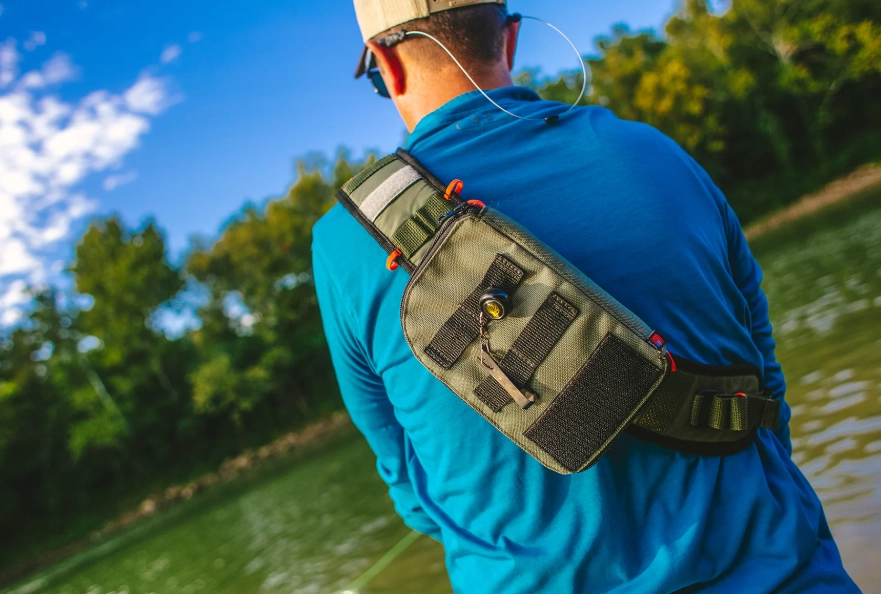
Material Matters: 90% are made from polyester or nylon. Polyester is generally more resistant to UV fading and dries faster. Nylon is often more abrasion-resistant. Look for a denier rating (like 500D or 1000D). Higher denier means thicker, tougher fabric. For saltwater or rough environments, 1000D is a safe bet. For freshwater general use, 500D is plenty.
The Strap is Everything: This is the heart of the system. A cheap, thin strap will dig into your shoulder. Look for wide (at least 2.5 inches), padded straps with a non-slip underside. Some high-end models, like those from brands such as Fishpond or Vedavoo, use contoured foam that molds to your body. Check the adjustment buckles—are they plastic or metal? Metal is more durable in the long run.
Compartment Logic: More pockets aren't always better. You need intelligent storage.
A dedicated, fleece-lined pocket for sunglasses is non-negotiable for me.
External tool loops for nippers or a zinger for your forceps keep them accessible.
A main compartment that opens flat like a book, not a deep pit you have to dig through.
Consider a water bottle pocket on the end. It seems trivial until you're thirsty and don't want to open the main bag.
Capacity (in liters) is a Guide, Not a Gospel: A 10-15L sling is perfect for ultralight trout or panfish. A 20-30L sling can handle a couple of medium-sized tackle boxes, rain gear, and lunch. My go-to for bass fishing from shore is a 25L model. It holds three 3600-size tackle boxes, my essentials, a water bladder, and not much else. That's the point—it forces you to be selective.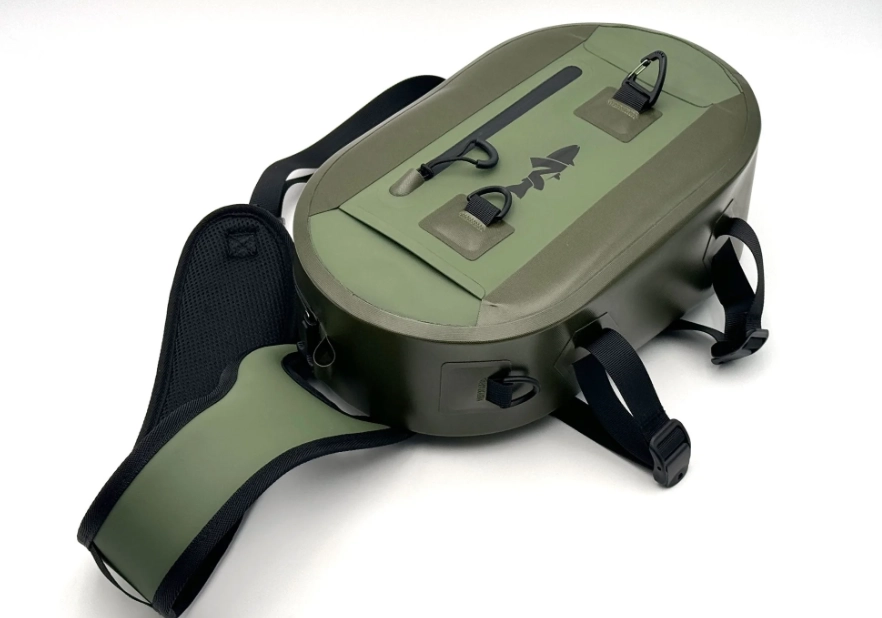
Expert Packing Techniques: The Art of Loading a Sling
How you pack is as important as the bag itself. A poorly packed sling will swing awkwardly and strain your shoulder.
Balance the Weight: The heaviest items (a full water bladder, a heavy tackle box) should go in the main compartment closest to your back. This positions the weight's center of gravity near your body, preventing the bag from pulling away and dragging on your shoulder. Lighter, frequently used items (tether tools, leader spools, sunscreen) go in the front-facing or top pockets.
The "Rotate Test": Before you head out, pack the bag, put it on, and rotate it to the front. Does it feel balanced? Can you easily open the main compartment without everything trying to fall out? If it's a mess, repack.
Use Modular Systems: Don't just throw loose plastics and hooks into the main cavity. Use small, clear plastic boxes (3500 or 3600 size are ideal for slings). Not only does this keep you organized, but it also creates solid blocks of weight that are easier to position. Some slings have internal dividers or MOLLE-like loops to secure these boxes in place—a feature worth looking for.
I learned this the hard way on a smallmouth trip. I had a single, large, heavy box in the bottom of the sling and lighter gear on top. Every time I rotated the bag, the heavy box would slide to the new bottom, making the bag lurch and feel unstable. Now I either use multiple smaller boxes or secure a large one with a strap.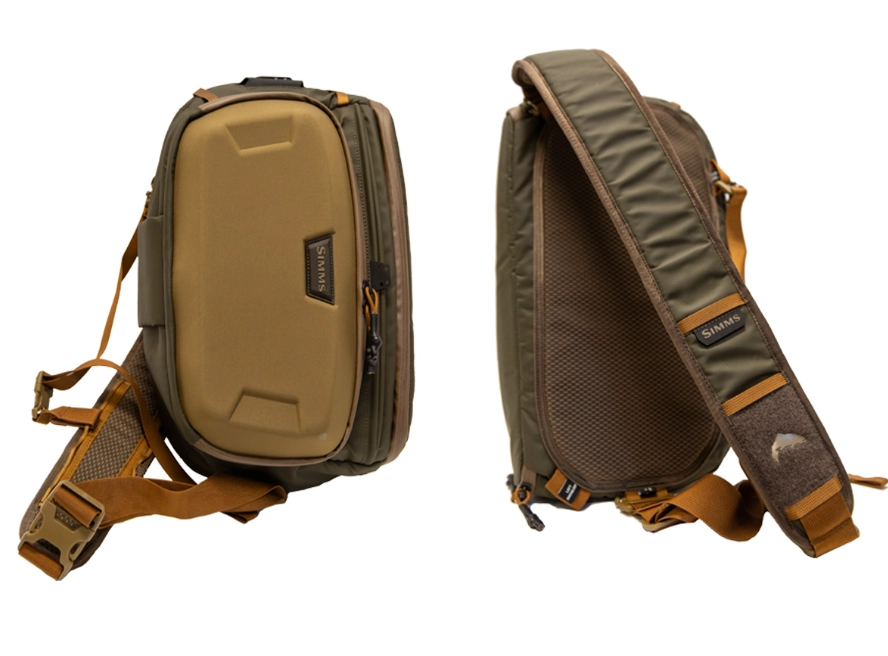
Maintenance and Care: Make Your Sling Last a Decade
A good sling isn't cheap. Protect your investment.
After every saltwater trip, rinse the entire bag with fresh water, especially the zippers. Let it air dry completely, never in direct sun if you can help it, as UV is the enemy of fabric and thread.
For general dirt, a damp cloth is enough. For stubborn grime, use a mild soap (like Nikwax Tech Wash) and a soft brush. Never put it in a washing machine or dryer—the agitation will destroy waterproof coatings and can warp plastic hardware.
Every few months, apply a zipper lubricant (like McNett ZipCare). Dry, sandy zippers are the number one point of failure. A quick spray keeps them gliding smoothly.
Check the stitching, particularly where the strap attaches to the bag, a few times a season. If you see threads pulling, a local shoe repair or upholstery shop can reinforce it for a few dollars, saving you from a catastrophic failure on the water.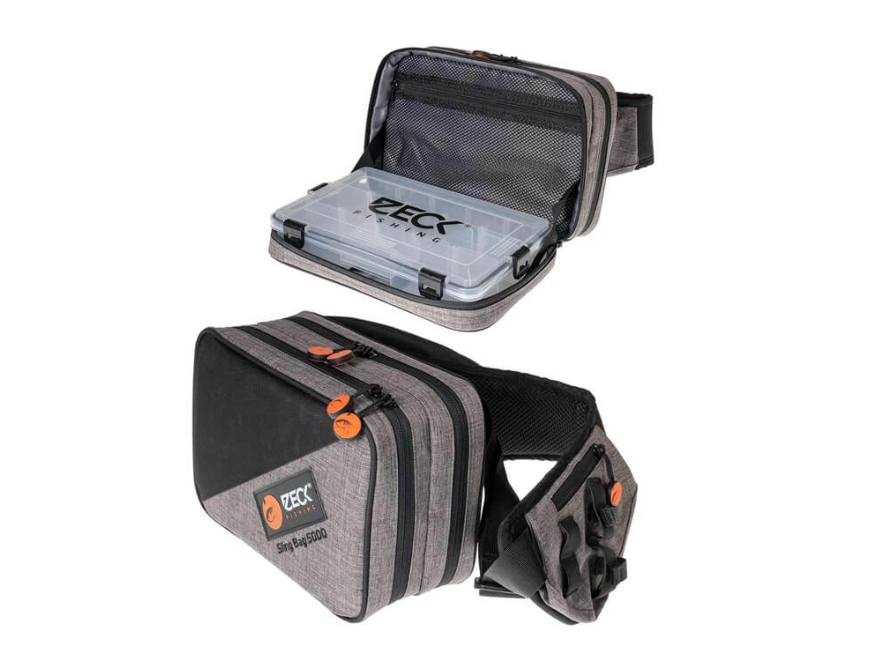
Your Fishing Bag Sling Questions, Answered
Can a fishing sling bag handle a full day of surf fishing where I need multiple rods, big plugs, and a surf leader wallet?
I have shoulder pain. Will a sling bag make it worse compared to a backpack?
What's the one mistake everyone makes when they first use a sling bag?
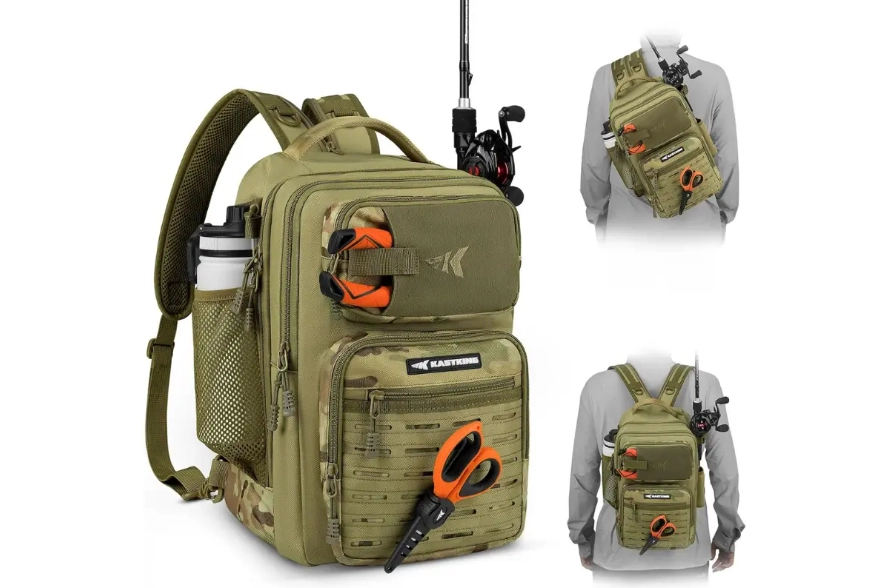
Are waterproof fishing sling bags worth the extra money?
How do I stop the sling from swinging around when I'm walking or hiking to my spot?
The shift to a fishing bag sling isn't for every single trip. I still use a backpack for those marathon hikes into alpine lakes. But for probably 70% of my fishing—the kind that involves active movement, quick decisions, and wanting to feel unencumbered—the sling is my undisputed first choice. It solves a problem we all had but just tolerated. It turns gear access from a chore into a seamless part of the cast-and-retrieve rhythm. That's a upgrade worth making.
Reader Comments