Jump to What Matters
You're gearing up for a long day on the water, and the last thing you want is a backpack that falls apart or leaves you sore. I've been there—straps digging into my shoulders, gear spilling out because of poor organization. After years of fishing everything from mountain streams to deep-sea charters, I've learned that the best fishing backpack isn't just about brand names; it's about how it fits your specific needs. Let's cut through the marketing hype and get straight to what works.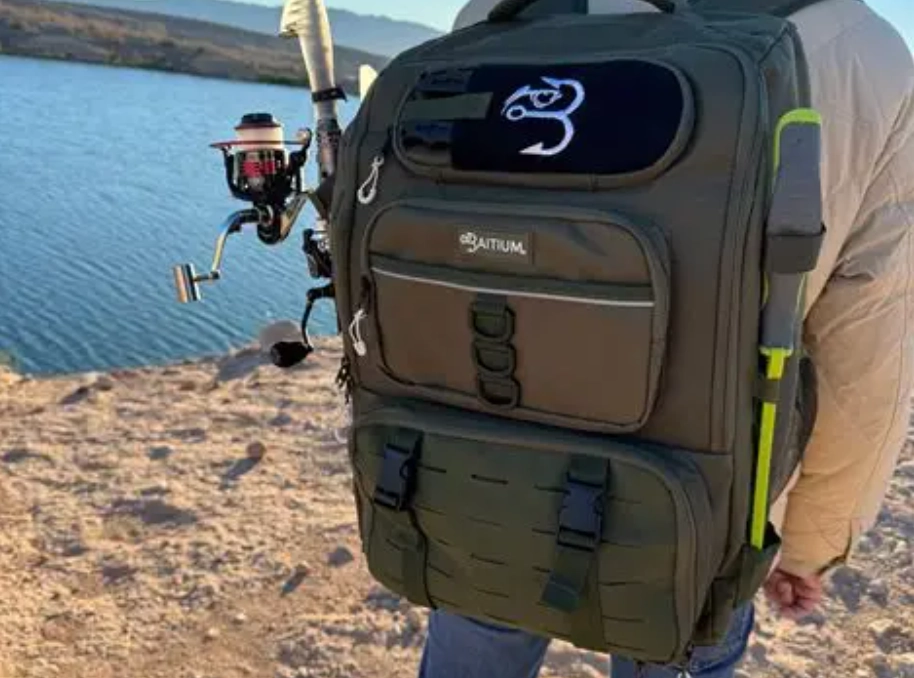
What Really Makes a Fishing Backpack the Best?
Most reviews talk about features, but they miss the point. A fishing backpack should feel like an extension of your body. If it doesn't, you'll hate it by midday. I've seen anglers waste money on packs that look tough but fail in real conditions.
Capacity and Compartment Design: More Than Just Size
Capacity is measured in liters, but that number alone is misleading. A 30-liter pack with smart compartments can hold more than a 40-liter one that's just a big sack. Think about your typical load: rods, reels, tackle boxes, rain gear, lunch, maybe a hydration bladder. For a full-day trip, I aim for 25-35 liters. Anything smaller forces you to leave essentials behind; larger packs tempt you to overpack and strain your back.
Look for dedicated slots. A rod holder that's externally mounted saves internal space. Internal dividers that are adjustable—not fixed—let you customize for different trips. I once bought a pack with rigid dividers; it was useless when I switched from fly fishing to bass fishing. Now I prefer modular systems where I can move panels around.
Material and Durability: Why Waterproof Isn't Always Enough
Everyone wants waterproof, but here's a secret: fully waterproof packs can trap moisture inside from sweat or damp gear. Instead, focus on water-resistant materials like nylon or polyester with a high denier count (e.g., 500D or higher). A rain cover included is better than a claim of "100% waterproof." I've had packs where seams leaked after a season, so check for reinforced stitching and taped zippers.
Durability isn't just about rough handling. Saltwater corrosion kills zippers fast. If you fish in coastal areas, opt for corrosion-resistant hardware. I learned this the hard way when my backpack's zipper seized up during a Florida trip.
Comfort and Load Distribution: The Back-Saver Factors
Comfort is where cheap packs fail. Padded shoulder straps are a must, but they need to be contoured, not flat. A hip belt transfers weight to your hips—crucial for loads over 20 pounds. Many anglers skip this, then wonder why their shoulders ache. Ventilated back panels prevent sweat buildup; mesh panels work better than solid foam.
Adjustability matters more than you think. Torso length varies; a pack that's too long will ride low and strain your lower back. I'm 6'2", and I've struggled with packs designed for average heights. Always try adjusting the straps before buying, or look for brands offering multiple size options.
Pro tip from experience: Load your backpack with actual gear before a trip, not just stuff it loosely. Walk around for 10 minutes. If it feels unbalanced or rubs anywhere, it's not the right fit. I wasted $150 on a popular model that pinched my shoulders—all because I didn't test it properly.
My Top Fishing Backpack Picks After Testing Dozens
I've tested over 20 packs in the last five years, from budget options to high-end tactical gear. These three stand out for different needs. Remember, "best" depends on your fishing style.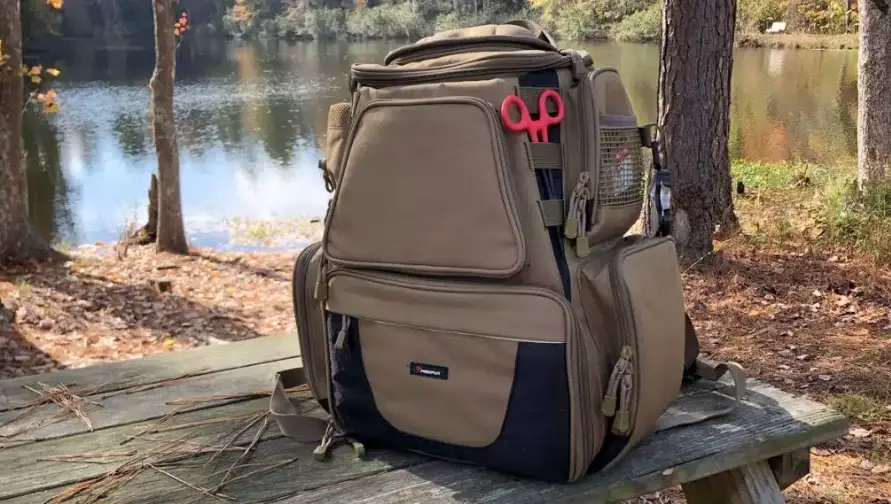
| Backpack Model | Best For | Key Features | Price Range |
|---|---|---|---|
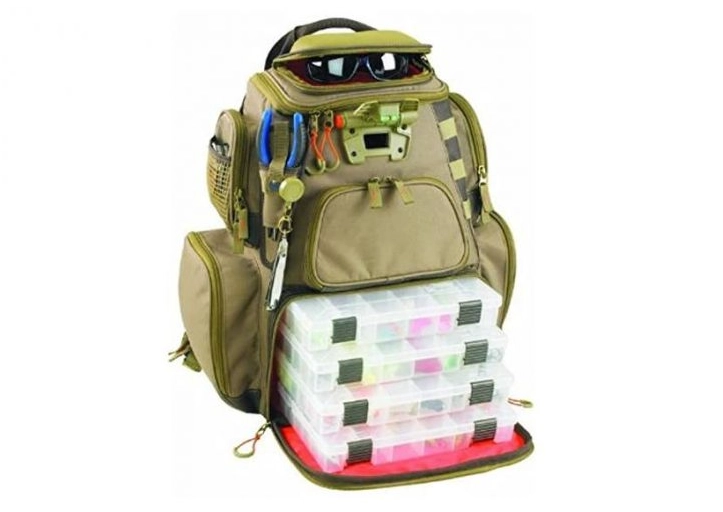
| Wild River Tackle Master | Organization enthusiasts | Multiple removable tackle trays, rod holders, hydration pocket | $80 - $120 |
| Fishpond Summit Sling | Light travel and quick access | Sling design for one-shoulder carry, waterproof main compartment | $100 - $150 |
| Simms Dry Creek Z Backpack | Wet conditions and heavy loads | Fully waterproof roll-top, padded hip belt, durable construction |
Let's break them down. The Wild River Tackle Master is like a mobile tackle shop. I used it on a week-long bass tournament—everything had its place, but it's bulky. The Fishpond Summit Sling is perfect for wading small streams; I can swing it around to grab gear without taking it off. But it lacks capacity for all-day trips. The Simms Dry Creek Z Backpack is my go-to for saltwater or rainy days. It keeps gear dry even when submerged, but the roll-top can be fiddly to open quickly.
There are other solid options, like the Orvis Safe Passage Pack, which balances comfort and organization. But these three cover most scenarios. Don't just buy the most expensive; match the pack to your most common fishing environment.
Avoid These Common Mistakes When Buying a Fishing Backpack
New anglers often repeat the same errors. I've made some myself, and seen friends do worse.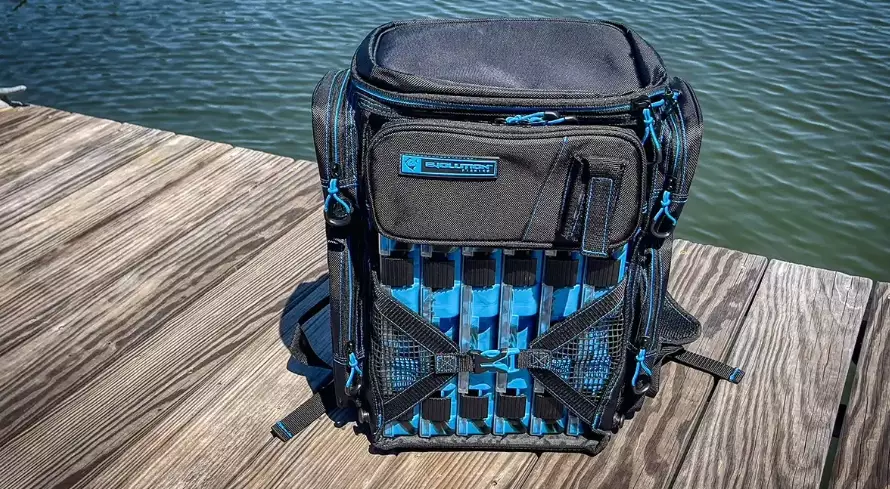
Overlooking weight distribution. A pack might feel light empty, but add 15 pounds of gear, and poor design becomes obvious. I once bought a pack that placed weight too high, making me top-heavy and unstable on a boat. Always check where the center of gravity sits when loaded.
Ignoring accessibility. If you need to dig through layers to reach your pliers, you'll miss fish. Look for external pockets or quick-access panels. Some packs have too many compartments—you forget where you put things. Simplicity often beats complexity.
Assuming bigger is better. A huge pack encourages overpacking, leading to fatigue. For most day trips, 30 liters is plenty. I downsized from a 45-liter monster to a 28-liter pack and found I carried only what I needed—my back thanked me.
Neglecting maintenance. Fishing packs get dirty, sandy, and wet. If you don't rinse them after saltwater use, they degrade fast. I ruined a nice pack by leaving salt crystals in the zippers. Now, I always hose it down and air-dry after each trip.
Here's a non-consensus view: many anglers focus on rod holders, but they're often poorly placed. External holders can snag on brush or get in the way when climbing into a kayak. I prefer internal sleeves or straps that secure rods flush against the pack.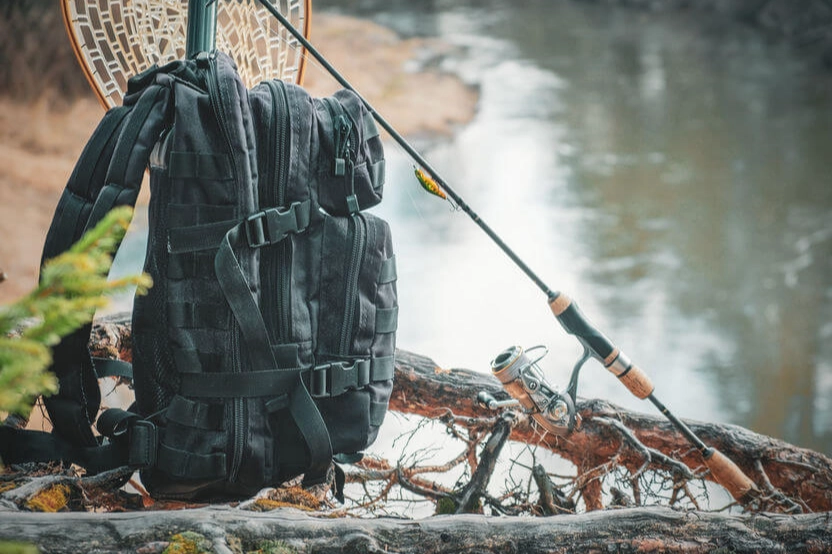
Fishing Backpack Questions Answered
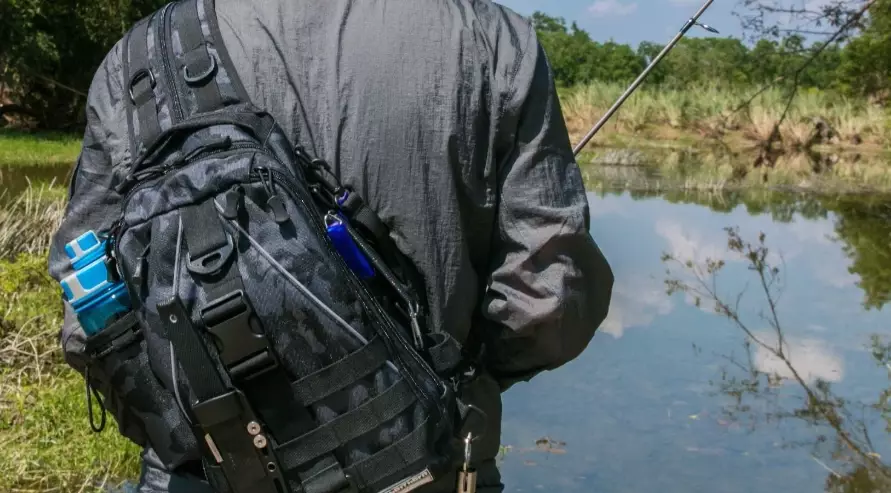 Is a tactical-style backpack better for fishing than a dedicated fishing pack?
 Choosing the best fishing backpack comes down to your personal fishing habits. Don't get swayed by flashy ads—test packs with your actual gear, prioritize comfort over features, and maintain it well. A good pack should last years and make every trip smoother. Now, go catch some fish without the baggage hassle.
Reader Comments