What is a Fishing Net Called? A Guide to Types, Uses, and Choosing the Right One
Ever wondered what all those different fishing nets are called? This complete guide breaks down the common names for fishing nets like cast nets, landing nets, and gill nets, explains what each one is used for, and gives you a clear system for choosing the perfect net for your next fishing trip.
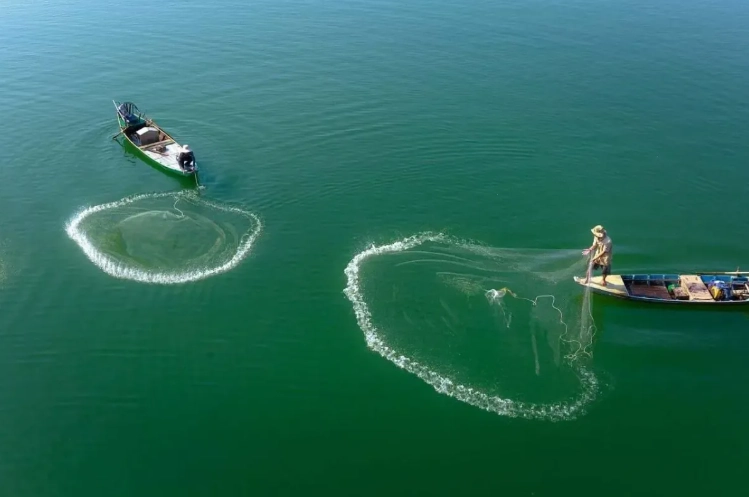
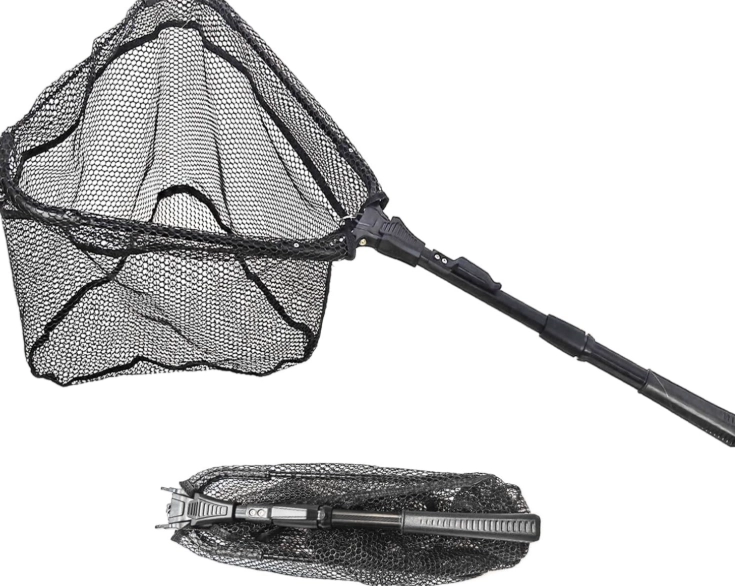
You ask, "What is a fishing net called?" and the honest answer is... it depends. There isn't just one name. Walking into a tackle shop and asking for "a fishing net" is like walking into a hardware store and asking for "a tool." You'll get a confused look. The name changes completely based on its design, how you use it, and what you're trying to catch. A net for scooping a bass out of the water has a different name and purpose than a net you throw to catch baitfish. Let's clear up the confusion for good. Here’s the rundown of the nets you're most likely to encounter, whether you're at a sporting goods store or on the water. I've spent years using (and sometimes misusing) all of these. That table gives you the quick IDs. Now, let's get into the feel of them. If you're fishing for fun, you'll deal with the first three. A landing net is your endgame tool. Its job is simple: secure the fish you've worked hard to hook. The big mistake I see? Using a net with knotted mesh for toothy fish like walleye or pike. Those knots tear up their slime coat, harming the fish. For catch-and-release, a rubber or coated mesh net is non-negotiable. It's gentler and doesn't get hooks tangled as badly. The size of the hoop matters more than people think. A 20-inch net is useless for a 30-inch fish; it's stressful for you and the fish. Always go bigger than you think you need. The cast net is an art form. The satisfying *swish-thump* as it opens perfectly over a school of shad is a reward in itself. They're measured by radius (a 6-foot net creates a 12-foot circle). Beginners should start with a 6-foot, 1/2 lb per foot net. It's manageable. The key detail nobody mentions? The "brail lines"—the strings that close the net. Cheap nets use thin, weak line that snaps. Good ones use heavy braided line. If your net isn't closing all the way, your brail lines are probably too long or tangled. A dip net is the utility player. From scooping up mackerel off a ocean pier to grabbing a crab from a trap, it's all about the long handle. The mesh is often larger and stiffer. I keep a cheap one on my boat just for grabbing floating debris. It's that handy. You won't buy these at Bass Pro Shops, but you should know what they are. Gill nets and trammel nets are passive, set nets. The difference is in the catch. A gill net is a single wall; fish get stuck. A trammel net has three layers; fish pocket themselves in a bag of netting, often causing less damage. Both are controversial in recreational zones due to bycatch and ghost fishing (nets lost but still catching). Most states have strict bans or permits for their use. If you're reading this, you almost certainly don't need one. A seine net is more active. You might see fisheries biologists using a small seine in a stream to survey populations. It's two poles with a net between them, dragged along the bottom. For the avid bait fisherman, a small minnow seine can be a fantastic way to gather your own bait in a pond or backwater. Let's be honest, the first time you walked into a big-box store's fishing aisle, you probably felt a bit lost. Twenty different nets, all claiming to be the best. Here's my simple decision tree, forged from years of buying the wrong gear first. Scenario 1: You're a bass, trout, or walleye angler fishing from a boat or shore. Scenario 2: You need live bait for saltwater or freshwater fishing. Scenario 3: You're fishing from a pier, jetty, or steep bank. The common thread? Match the tool to the specific task. "Fishing" is too vague. Are you landing, catching bait, or dipping? Once you know the type, the materials make or break the experience. Netting/Bag Material: Frame & Handle: A quick opinion: The handle connection point is a critical failure spot. A net where the handle screws directly into the aluminum hoop often loosens over time. Look for designs with a reinforced collar or a through-bolt system. It's a small detail that adds years to the net's life. I mostly fish for bass from a kayak. What's the best net that won't get in the way? You need a compact, short-handled landing net with a rubber basket. Look for a "kayak net" specifically—they often have a 6- to 15-inch deep net bag (not the standard deep bag) to reduce water drag and snagging on gear. A handle around 24-30 inches is ideal. Many have a magnetic or clip attachment point on the kayak. The Frabill Power Stow or similar folding-net designs are popular because they collapse nearly flat when not in use. Are cast nets legal everywhere for catching bait? Absolutely not. This is the most common legal pitfall. Cast net regulations vary wildly by state and even by water body. Some states limit the radius (e.g., no larger than 10 feet). Others ban them in certain rivers or during specific seasons to protect baitfish populations. Some require a separate bait collection permit. Always, always check your local state fish and wildlife agency's regulations booklet before you throw. Ignorance isn't a defense, and the fines can be steep. What's the difference between "mesh size" and "bar size" on a net? Mesh size is the measurement of the opening between knots, usually from knot center to knot center. A 1-inch mesh has a 1-inch square hole. Bar size (or stretch) is the length of one side of that square mesh when the net is fully stretched diagonally—it's about twice the mesh size. For anglers, mesh size is the useful number. A 1/4-inch mesh holds tiny baitfish; a 4-inch mesh might be for large salmon. For landing nets, smaller mesh (1/2 inch or less) supports smaller fish better, while larger mesh (1 inch+) is for big fish and reduces water resistance when scooping. You can often repair it, depending on the material. Nylon mesh can be re-knotted with a net needle and line—a tedious but valuable skill. Rubber-coated mesh is tougher. Small tears can be sealed with a flexible adhesive like Aquaseal FD or even a dab of Shoe Goo. For large rips in rubber nets, replacement bags are sold separately for many models; it's usually just a matter of unscrewing the old bag and lacing on the new one. It's cheaper than a whole new net. If the frame is broken, though, it's likely time for a replacement. Why do some landing nets have flat bottoms and others are rounded or triangular? Shape affects function. A flat-bottomed (often rectangular or square) net provides a stable, broad platform to scoop into, great for lifting larger fish. A rounded or teardrop shape is more hydrodynamic, slicing through water with less drag, which is helpful for quick, precise scoops in current. Triangular nets are often favored by fly fishers—the point makes it easier to slide under a fish in shallow, narrow streams. There's no "best," just best for your fishing style. I prefer a rounded net for river fishing and a large, flat one for lake trolling.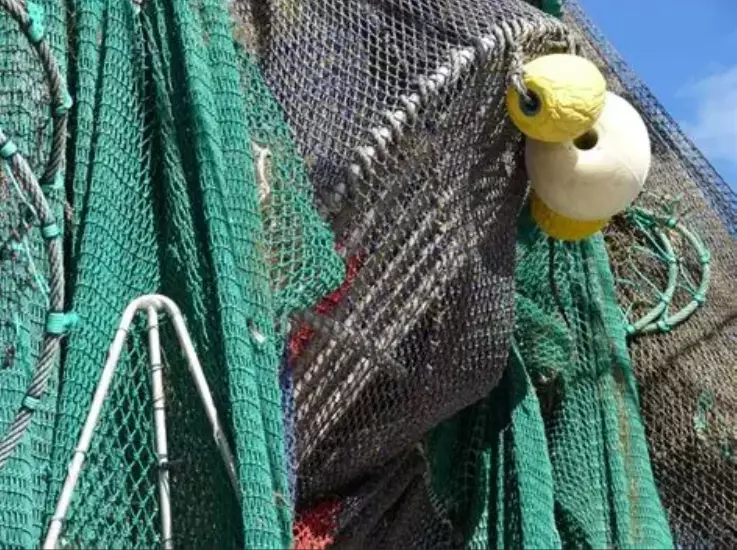
What You'll Learn in This Guide
Common Types of Fishing Nets and Their Names
Net Name (What It's Called)
Best Used For
Typical Size & Mesh
Price Range (Approx.)
Landing Net (or Hand Net, Scoop Net)
Scooping a hooked fish from the water to land it. The most common net for recreational anglers.
Frame: 15" to 30" wide. Mesh: Small (1/4") for trout, large (1"+) for pike/muskie.
$20 - $150+
Cast Net (or Throw Net)
Thrown by hand to capture small baitfish like shad, mullet, or shiners.
Radius: 4' to 12'. Mesh: 1/4" to 1/2". Weight per foot: 1/2 lb to 2 lbs.
$40 - $200
Dip Net
Dipping into the water to scoop up bait, crabs, or fish near the surface (e.g., from a dock).
Long handle (4'-12'), hoop 12"-24". Mesh varies widely.
$15 - $60
Gill Net
Primarily commercial/subsistence use. Fish swim in, get caught by the gills. Heavily regulated.
Length: 100s of feet. Mesh size targets specific species.
N/A (Commercial)
Trammel Net
Primarily commercial. Three layers of netting that entangle fish. More selective than gill nets.
Similar scale to gill nets.
N/A (Commercial)
Seine Net
Dragged through water or set in a circle to encircle fish. Used for bait collection and science.
Length: 10' to 100s of feet. Mesh: Fine for baitfish.
$100 - $500+
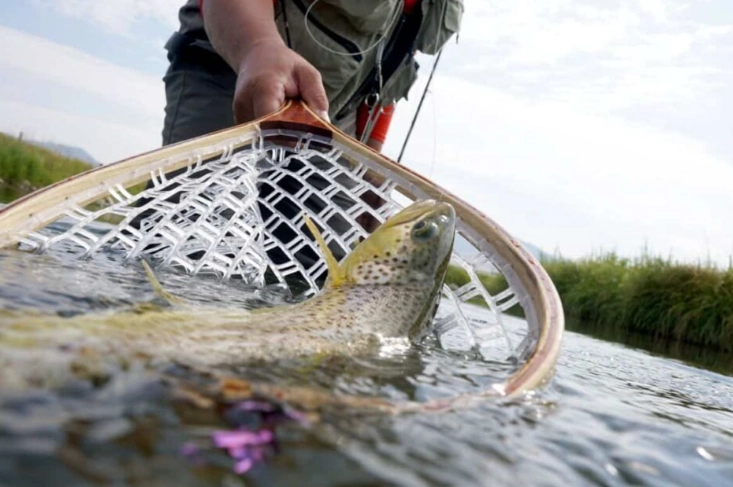
The Recreational Angler's Toolkit: Landing, Cast, and Dip Nets
Commercial & Specialized Nets: Gill, Trammel, and Seine
How to Choose the Right Fishing Net for Your Needs

You need a landing net. Now, narrow it down:
- Fish Size: For bass/trout under 5 lbs, an 18" x 20" hoop is fine. For larger pike, muskies, or big catfish, look for a net with a 30" x 36" hoop or bigger.
- Mesh Type: Rubber-coated mesh. Always. It protects fish, doesn't snag hooks, and lasts longer. The cheap green nylon nets are terrible for fish health. Spend the extra $15.
- Handle: For a boat, a 4-6 ft telescopic handle gives you reach. For shore fishing, a shorter handle (2-3 ft) is easier to manage. I prefer a solid one-piece handle for durability; telescopic ones can get wobbly.
You need a cast net or a dip net.
- Water Depth & Bait Size: Fishing shallow marshes for 2-inch shiners? A 4-foot cast net with 1/4" mesh. Fishing deeper channels for 6-inch mullet? An 8-foot net with 3/8" mesh. If the bait is right under a dock, a long-handled dip net might be easier.
- Your Skill Level: Never thrown one? Buy a smaller, lighter net. Practice in a field, not on the water. The learning curve is steep but short.
You likely need a landing net with a VERY long handle (8-12 feet). This is a specific tool. The net hoop often folds for storage and has a lanyard so you don't drop it in the drink. Don't try to use a short boat net here; you'll lose fish.Fishing Net Materials and Construction: What Actually Matters
- Nylon (Knotless or Knotted): Cheap, common, and hard on fish. Hooks snag easily. It absorbs water and gets heavy. I avoid it for landing nets.
- Rubber or PVC-Coated Nylon: The sweet spot. Fish-friendly, hook-resistant, durable. This is what you want for a landing net. It doesn't absorb water.
- Solid Rubber: The premium choice. Incredibly gentle, incredibly hook-proof. Also the most expensive and can be stiff in cold weather.
- Monofilament: Used in cast nets and some seines. It sinks fast (good for cast nets) and is relatively invisible in water.
- Aluminum: Light and strong. Great for most nets. Can bend under extreme stress.
- Carbon Fiber: Very light and stiff. High-end landing net territory. Fantastic if you're hiking to remote spots.
- Wood (Teak/Hardwood): Classic, beautiful, and surprisingly functional. Soaks up shock well. Heavier and needs maintenance.
- Plastic/Composite: Common on cheaper nets. It can be brittle in cold weather. I've snapped a few plastic hoop hinges.
FAQs About Fishing Nets
 My landing net's mesh is torn. Can I repair it, or should I just buy a new one?