Ultimate Fishing Hat with Neck Flap: Essential Gear for Serious Anglers
Tired of sunburned ears and neck after a long day on the water? Discover why a fishing hat with a neck flap is non-negotiable gear, how to choose the perfect one, and the key features that separate a good hat from a great one.
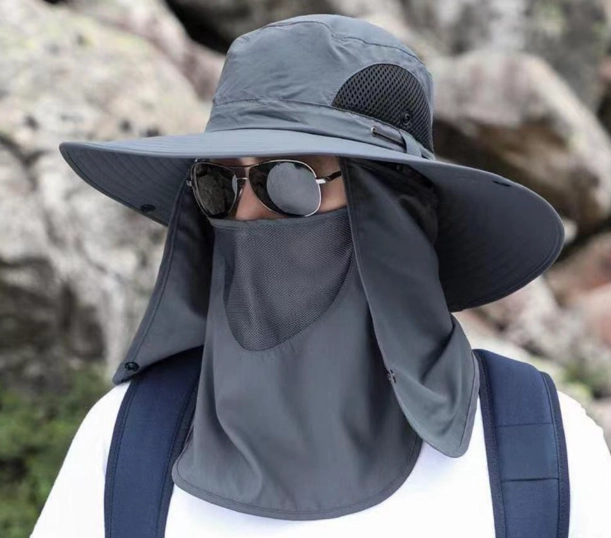
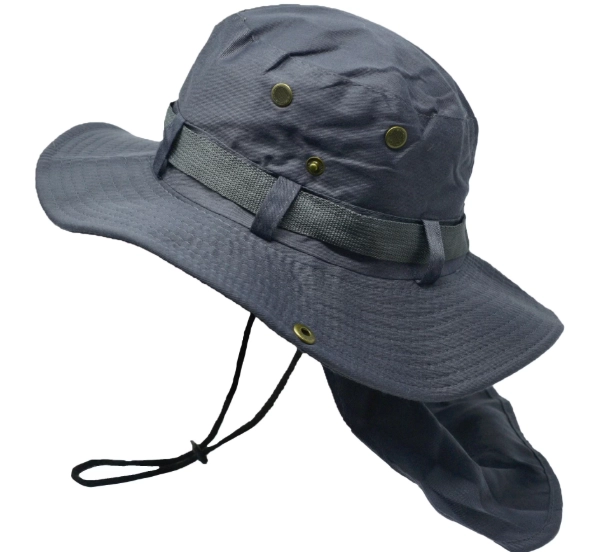
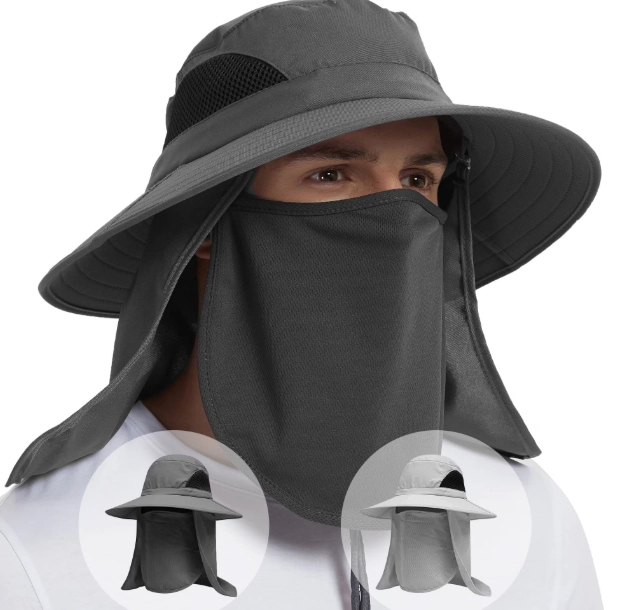
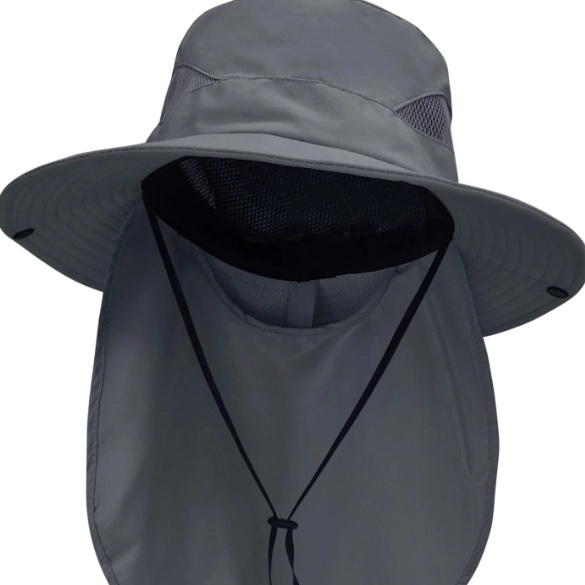
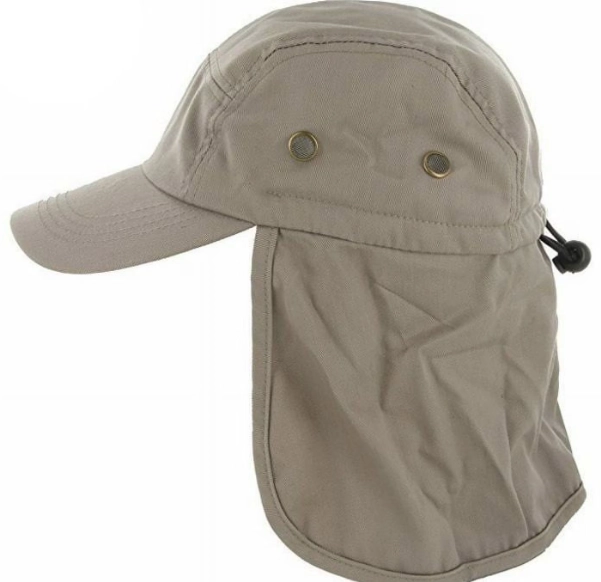
Let's cut to the chase. If you're serious about fishing, a standard baseball cap is a liability. I learned this the hard way after a 10-hour bass tournament on a glaring lake, ending the day with a bright red, painful neck and ears that felt like they'd been fried. That was the last time I underestimated the sun. A proper fishing hat with a neck flap isn't just an accessory; it's fundamental safety gear, as critical as your PFD. It solves the most common and dangerous comfort problem anglers face: relentless, multi-angle sun exposure. Forget about constantly reapplying sunscreen to your neck and ears or dealing with the sting of saltwater on burned skin. This piece of gear is a one-time purchase that pays dividends in comfort, health, and focus on the water, season after season. This isn't about fashion. It's about physics and biology. On the water, you're exposed to direct sunlight from above and reflected UV rays bouncing off the surface—a double whammy. Your standard cap leaves your neck, ears, and often the sides of your face completely vulnerable. The Skin Cancer Foundation notes that most skin cancers are caused by cumulative, long-term exposure. For anglers, that's every weekend trip, every dawn patrol. A hat with a neck flap provides consistent, physical UPF 50+ sun protection without the mess, cost, or forgetfulness of sunscreen. It's always on. But sun protection is only half the story. A good flap also shields you from wind-chill on early mornings, light rain, and even bugs. It creates a microclimate. The mental benefit is huge too. When you're not constantly squinting or feeling your skin burn, you can concentrate on reading the water, watching your line, and actually enjoying the day. I've seen more fish caught by relaxed, comfortable anglers than by ones who are miserable and distracted. Not all neck flap hats are created equal. Picking the wrong one can leave you with a sweaty head, a floppy brim, or a neck cover that flaps annoyingly in the wind. Here’s how to navigate the key decisions. This is the first big fork in the road. Your primary options are quick-dry synthetic fabrics (like nylon or polyester) and natural materials (like cotton or straw). For 90% of active anglers, a synthetic hat is the smarter choice. The performance in wet conditions is unmatched. Always look for a hat with a stated UPF (Ultraviolet Protection Factor) rating of 50+. This is the gold standard, blocking over 98% of UVA and UVB rays. A plain cotton hat might have a UPF of only 5-10 when dry, and almost none when wet. Don't guess with your skin. Brands like Columbia, Simms, and Outdoor Research consistently build this into their fishing-specific headwear. Here's a subtle mistake most beginners make: they don't consider how the flap attaches. The flap should be made of the same UPF-rated material as the crown. A mesh flap can be cooler but offers less consistent sun protection. The flap gets the headline, but these supporting features determine whether you'll love the hat or leave it in the truck. Brim Width and Stiffness: A floppy, 2-inch brim is almost useless. You need a brim that's at least 3 inches wide to properly shade your face and eyes. It should be stiff enough to hold its shape in wind, not collapse onto your sunglasses. Some hats have flexible wire sewn into the brim edge for customizable shaping—a fantastic feature for dealing with glare at different angles. Ventilation is King: A hot, sweaty head ruins the day. Look for mesh panels in the crown (often under a removable sun-blocking liner), grommeted eyelets, or a full mesh back. My current favorite hat has a 360-degree mesh crown that feels like air conditioning for my scalp. The Chin Strap (or Cord): Non-negotiable for any kind of boating. A sudden gust or a fast boat ride can send your expensive hat to the depths. A simple, adjustable cord that tucks away when not in use is perfect. Avoid bulky straps meant for hiking; they're overkill. Quick-Dry Lining: The inside of the hat band will get sweaty. A lining made of a soft, quick-dry fabric (like Coolmax) prevents itchiness and odor build-up. Cotton linings just stay soggy. Putting It All Together – A Scenario: Imagine you're wade-fishing a saltwater flat. The sun is brutal, and a 15-knot breeze is blowing. Your ideal hat has a stiff 3.5-inch brim to block glare off the water, a secure chin strap so it doesn't fly off, a detachable neck flap to protect the back of your neck and ears, and a fully mesh crown to keep you cool as you walk. The synthetic material shrugs off sweat and the occasional wave splash, drying before you take your next step. That's a hat working for you. A good hat isn't disposable. With minimal care, it can last for years. Cleaning: For synthetic hats, a quick rinse in fresh water after a saltwater trip is essential. For deeper cleans, use a mild soap (like Nikwax Tech Wash), hand scrub gently, and rinse thoroughly. Never put a structured fishing hat in the washing machine or dryer—it will destroy the shape, stiffness, and any waterproof coatings. For cotton or straw hats, spot clean only. Drying & Storage: Always air dry your hat away from direct heat (like a heater vent or dashboard). Stuff the crown with a towel or balled-up newspaper to help it retain its shape as it dries. Store it on a shelf or hook, not crushed under other gear. Re-waterproofing: If your hat has a DWR (Durable Water Repellent) finish that's no longer beading water, you can revive it with a spray-on treatment like Gear Aid ReviveX. Follow the product instructions carefully. You can, but it's a flawed solution. A bandana gaps, shifts, and soaks through with sweat, drastically reducing its UPF. It also adds bulk around your neck. A dedicated, attached flap provides uniform, secure coverage that doesn't require constant adjustment. It's the difference between a temporary fix and engineered protection. There's no set timeline. Replace it when the fabric shows significant fading (which indicates UV breakdown), the brim loses its stiffness and won't shade properly, the seams start to fray, or the UPF coating washes out (water no longer beads on synthetic models). With proper care, a quality hat should last 3-5 seasons of regular use. Absolutely, and it's even more critical. Children's skin is more sensitive. Look for youth-specific sizes from reputable outdoor brands to ensure a proper fit—an ill-fitting hat will end up in the dirt. Features like an adjustable chin strap and a comfortable, non-itchy lining are paramount for kids. They buy for style first and function second. Choosing a heavy cotton duck hat because it looks "fishy" on the rack, only to find it's a sweat-soaked, shapeless rag after two hours in the summer sun. Or they skip the chin strap, guaranteeing a hat loss on the first windy boat ride. Prioritize performance fabrics, a secure fit, and a functional brim. The comfort will make you look like a pro, regardless of the style. Yes, but far less. The hat protects your scalp, ears, neck, and much of your face. You should still apply sunscreen to any remaining exposed areas: the front of your face (especially under the eyes and nose), the front of your neck if the brim is up, and your hands and arms. The hat does the heavy lifting, reducing your sunscreen use and reapplication hassle by about 70%.What's Inside This Guide
Why You Absolutely Need a Fishing Hat with a Neck Flap
How to Choose the Best Fishing Hat with Neck Flap for You
Material Matters: Synthetics vs. Natural
Material
Best For
Pros
Cons
Price Range
Nylon/Polyester
Saltwater, rain, sweat-heavy conditions, backpacking.
Extremely lightweight, dries in minutes, often has built-in UPF 50+, packs small.
Can feel less breathable in extreme heat, some look overly "technical."
$25 - $60
Cotton Canvas/Twill
Casual freshwater fishing, boaters who prioritize classic style.
Breathable, soft, classic look, often has a sturdy structure.
Heavy when wet, slow to dry, loses shape, minimal inherent sun protection.
$30 - $80
Straw/Palm Leaf
Extreme heat, low-activity fishing (e.g., pier, bank).
Superior airflow, very lightweight, traditional aesthetic.
Offers little rain/wind protection, less durable, flap attachment can be weak.
$20 - $50
The UPF Rating Non-Negotiable
Flap Design & Attachment
Top Features Breakdown: Beyond the Basic Flap
Care and Maintenance: Making Your Hat Last
Expert FAQ: Your Questions, Answered