Saltwater Fishing Hats: The Ultimate Guide to Staying Protected
What makes a great saltwater fishing hat? This guide covers everything from UPF ratings and waterproof materials to ventilation and chin straps, helping you choose the right hat for offshore, inshore, and wade fishing.
Let's be honest. A great saltwater fishing hat isn't about looking cool on the boat. It's a critical piece of safety gear. Get it wrong, and you're looking at a sunburned neck, salt-stung eyes, and a hat flying into the Gulf after the first gust of wind. I learned this the hard way years ago off the coast of Florida, using a cheap baseball cap. My ears were lobster-red for a week. The right hat does more than block sun. It handles spray, wind, and the sheer intensity of being on open water for hours. Forget what works for backyard gardening. The saltwater environment demands specific features. That cotton trucker hat or your favorite nylon running cap? They're built for land. Saltwater creates a unique set of problems. First, the sun's reflection off the water nearly doubles your UV exposure. The National Oceanic and Atmospheric Administration (NOAA) consistently highlights the increased risk of UV damage for mariners. Your face and the top of your head get it from above, while water reflection hits your chin, nose, and under-eyes. A short-brimmed hat leaves you completely vulnerable from below. Second, salt spray. It dries, crystallizes, and can degrade materials, cause stains, and make fabric stiff and uncomfortable. A hat that soaks up saltwater becomes heavy and never really dries properly. Finally, wind. Offshore breezes are constant. A hat without a secure fit is a donation to Poseidon. I've seen more hats go overboard than I care to count, usually right after someone says, "It feels fine." If a hat misses one of these, keep looking. Look for a UPF (Ultraviolet Protection Factor) rating of 50+. This is the fabric's equivalent of SPF. A UPF 50 fabric blocks 98% of UV rays. Don't trust an unrated hat. The brim is everything. For true protection, you need a full 360-degree brim or a long front bill with substantial neck capes ("legionnaire" flaps). The brim should be at least 3 inches wide in front. The neck flap should cover down to your collar. This setup protects your ears, neck, and sides of your face—areas most prone to skin cancer. A subtle mistake I see: Anglers choose a hat with a dark under-brim, thinking it reduces glare. While it can help, a dark color absorbs more heat, radiating it onto your face. A light-colored or reflective under-brim (like silver) is cooler and still effective if the material is matte, not shiny. The hat must shed water, not absorb it. Look for synthetic materials like polyester or nylon with a DWR (Durable Water Repellent) finish. When salt spray hits, it should bead up and roll off. Quick-dry capability is crucial for comfort after a wave splashes over the bow. Heat builds up under a hat. Poor ventilation leads to a sweaty, hot head, which is miserable and can fog up sunglasses. Look for mesh panels, grommets, or a raised, open-crown design. The best hats have a 3D mesh crown that allows a chimney effect for heat to escape. This is non-negotiable. The system must work when wet. A simple plastic snap-strap is unreliable. You want one of two things: This is where personal preference meets practicality. Synthetics (Polyester, Nylon): The kings of the saltwater world. They're lightweight, inherently quick-drying, hold DWR coatings well, and resist mildew. They're also easy to wash salt out of. The downside? Some can feel "plasticky" and may retain odor more than natural fibers if not treated. Natural (Cotton, Canvas): They feel great, are breathable, and don't hold odor as much. But they're a liability on the water. Cotton absorbs saltwater like a sponge, gets heavy, takes forever to dry, and the salt crystals break down the fibers over time. It also offers zero sun protection when wet. I don't recommend pure cotton for any serious saltwater use. My take: Go synthetic. Modern fishing-specific synthetics like Coolwick or technical polyester blends are soft, comfortable, and engineered for the job. Save the cotton hat for the dock bar afterwards. Here’s a look at three brands that consistently get it right, each with a different focus. Columbia is the workhorse. Their "Bora Bora" style hat is ubiquitous for a reason—it works, and it's affordable. The sun protection is top-notch. However, the fit can be boxy for some, and the brim sometimes lacks the stiffness to hold its shape in strong wind. Simms makes hats like they make waders: tough as nails. Their Guide Stormfront Hat is the gold standard for brutal conditions. The materials feel premium, the DWR is the best in the business, and they often include little touches like a sunglass retractor loop. You pay for it, but it's a buy-once-cry-once item. Shelta is the secret weapon for hot climates. Their unique design lifts the entire crown off your head, creating a 360-degree air gap. The airflow is unbelievable. The brim is also structurally reinforced to stay rigid. The downside is the unique look isn't for everyone, and they can be less effective in cold, windy rain. Your fishing environment dictates the hat. You're often poling a flats skiff or casting from a center console. Sun is the primary enemy. Prioritize maximum UPF coverage and ventilation. A wide, all-around brim or a long-billed hat with detachable neck and side flaps is perfect. You can remove flaps if the breeze picks up. A chinstrap is less critical here. Wind, spray, and potential rain join the fight. You need a hat that won't budge. A secure chinstrap or a deeply adjustable band is mandatory. The brim should be stiff enough not to flap. Waterproof or highly water-resistant fabric is key. Think less about ultra-wide brims (they catch wind) and more about a sturdy, medium-width brim with good neck coverage. You're in the water. If your hat goes in, it must float. Many hats now have foam in the brim for flotation. This is a game-changer. Also, ensure the material can handle full immersion and dry quickly once you're back on shore. A snug fit is crucial to prevent waves from washing it off. Salt is corrosive. Sun degrades fabric. Here's how to fight back.What's Inside This Guide
Why Your Regular Hat Fails on Saltwater

The 4 Non-Negotiable Features of a Saltwater Hat
1. Serious Sun Protection (UPF & Brim)
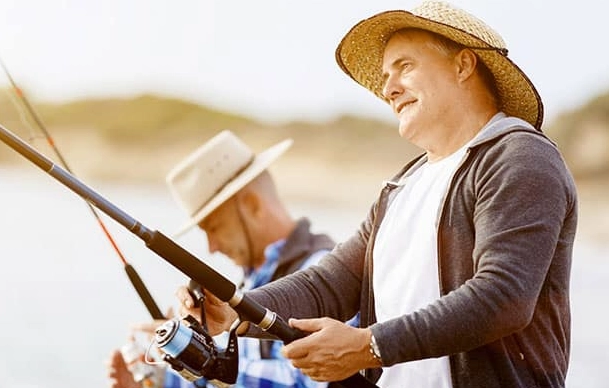
2. Water Resistance & Quick-Dry Fabric
3. Unbeatable Ventilation
4. A Secure, Adjustable Fit System
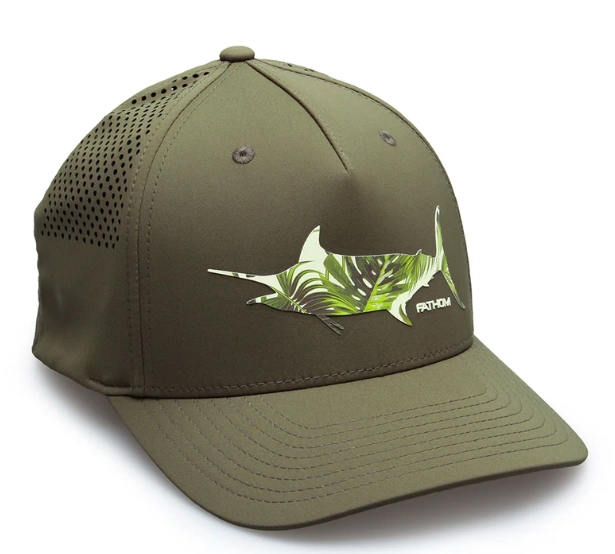
Material Showdown: Synthetics vs. Naturals
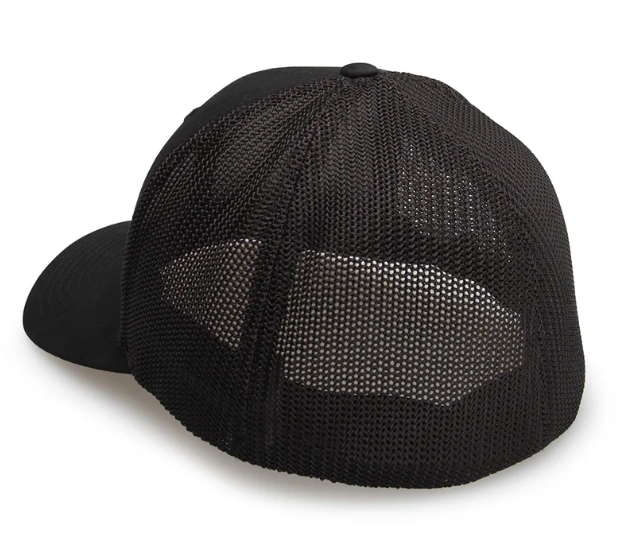
Top Saltwater Fishing Hat Brands Reviewed
Brand
Best For
Core Material
Signature Feature
Price Point
Columbia
All-Around Value & Sun Tech
Omni-Wick polyester
Omni-Shade UPF 50 fabric, extensive neck coverage options
$$
Simms
Technical Angler & Offshore
Technical nylon/poly blends
Bombproof construction, superior DWR, integrated retractors
$$$
Shelta
Airflow & Sun Protection
Lightweight polyester
Patented "Airflow" canopy design, exceptional ventilation
$$$
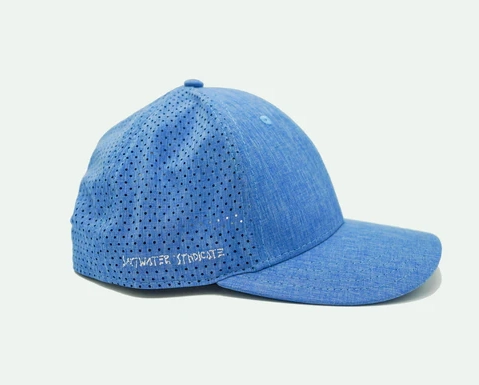
How to Choose Your Hat Based on Your Fishing Style
Inshore & Bay Fishing
Offshore & Bluewater Fishing
Wade Fishing & Surf Casting
Salt & Sun Care: Keeping Your Hat Alive
Expert Answers to Your Hat Questions