Women's Fishing Gloves: Ultimate Guide for Comfort and Performance
Struggling to find fishing gloves that fit, protect, and perform for smaller hands? Our expert guide dives into the unique needs of female anglers, comparing materials, grip types, and features to help you choose the perfect pair for any fishing adventure.
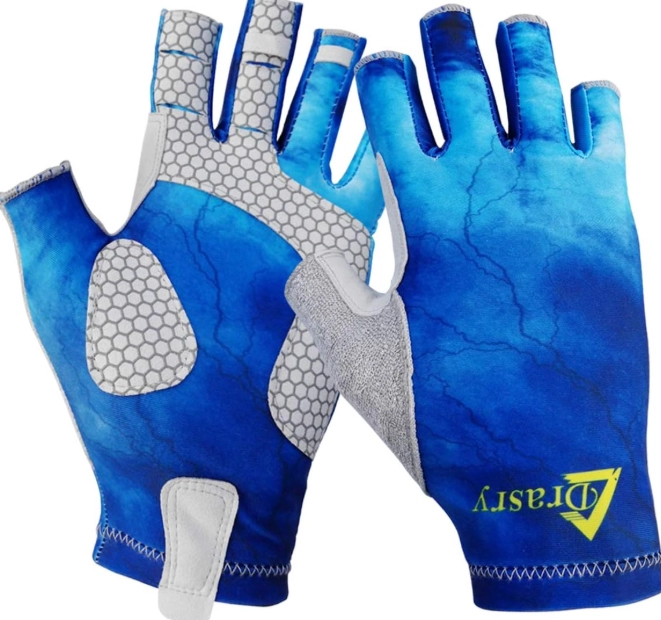
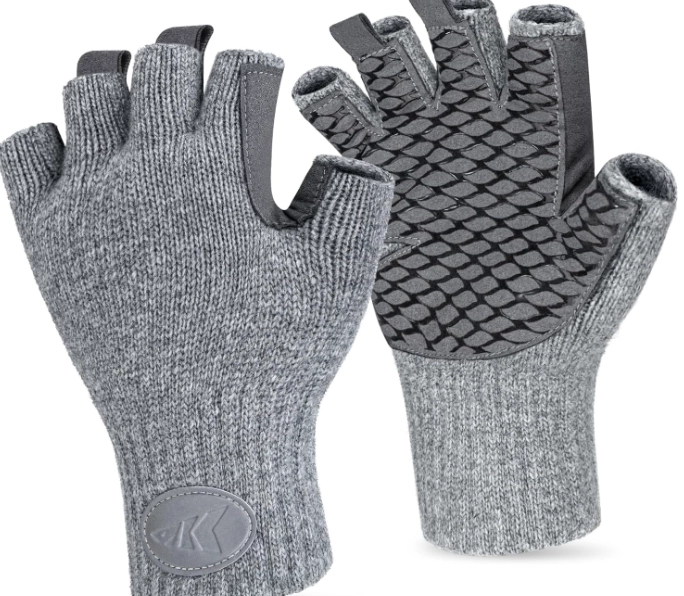
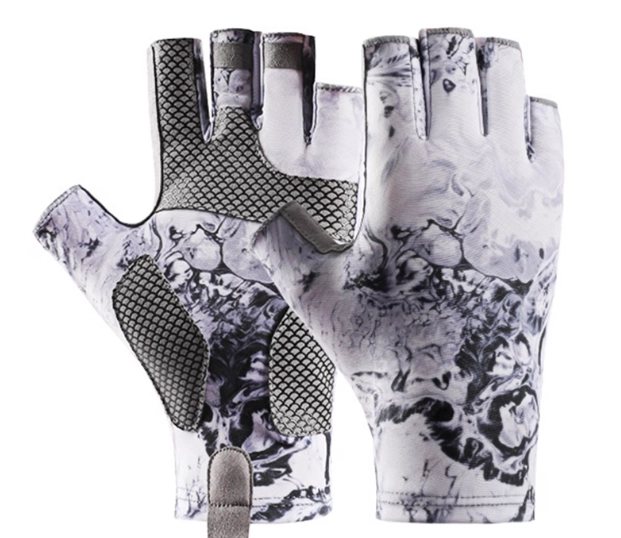
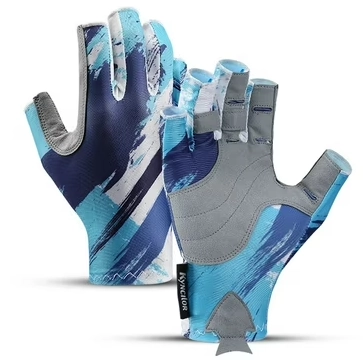
Let's be honest. For years, women heading to the tackle shop faced a limited choice: men's gloves in small sizes, or pink versions of the same ill-fitting design. It was frustrating. Our hands aren't just smaller male hands; they have different proportions, often slimmer fingers and narrower palms. A glove that bunches at the fingertips isn't just annoying—it compromises dexterity for tying knots, reduces sensitivity for feeling bites, and can even be a safety hazard when handling sharp hooks or toothy fish. This guide cuts through the noise. We're not just listing products; we're explaining why specific features matter for female anglers and how to match a glove to your actual fishing style, whether you're bass fishing from a kayak or battling salmon in a cold river. It's not about color. A well-designed women's fishing glove addresses fundamental anatomical differences. The most common complaint I hear from female anglers using "unisex" smalls is the extra material at the tip of the fingers. This dead space kills tactile feedback. When you're working with thin fluorocarbon leader or feeling for the subtle tap of a walleye, you need your fingertip in direct contact with the material. Another overlooked point is the cuff and wrist closure. Women's wrists are generally more slender. A wide, bulky Velcro strap meant for a man's forearm often doesn't secure properly, letting water and debris in. Brands that get it right, like Simms and Glacier Glove, design their women's lines with adjusted finger length-to-palm ratios and slimmer wrist profiles from the ground up. Forget browsing by brand first. Start by defining your needs based on these three pillars. The material dictates everything—warmth, dexterity, grip, and durability. Here’s a breakdown. You want a secure hold on your rod, line, and fish without losing the ability to perform fine motor tasks. This is where design nuances matter. Finger Cut Designs: The half-finger or convertible mitt (fold-back finger caps) are popular for a reason—they free your fingertips for knot tying. But here's the catch many miss: the cut line must be in the right place for your finger length. If it's too high, the edge rubs against your middle knuckle. Look for models with the cut line positioned slightly lower. Palm Technology: Silicone prints, rubber nubs, or raised patterns. For general use, a full palm coating is overkill and reduces feel. I prefer gloves with strategic grip zones—concentrated on the thumb, forefinger, and the meaty part of the palm where the rod handle sits. This gives security where you need it and preserves sensitivity elsewhere. The wrist closure does two jobs: keeps the glove on and elements out. A wide, adjustable Velcro strap is standard, but check its length. On some women, the strap ends overlap excessively, creating a bulky lump that can interfere with jacket cuffs. An elasticated wrist with a simple pull-on design is fantastic for quick-dry, sun-protective gloves meant for warm weather. It's less secure but more comfortable for all-day wear. Let's get practical. Here’s how these choices translate into real fishing situations. The All-Day Bass & Trout Angler: You need dexterity for lure changes and sensitivity for light bites, but also protection from sun, line burns, and fish spines. A synthetic leather or rugged polyester glove with a half-finger design is ideal. Look for touchscreen capability on at least the thumb and forefinger so you can use your phone or fish finder without removing the glove. Brands like AFTCO and Huk have solid women-specific options here. The Cold Water Warrior (Salmon, Steelhead, Ice Fishing): Warmth is non-negotiable, but so is the ability to rebait a hook or handle a release. My go-to is a layered system: a thin, form-fitting silk or polyester liner glove under a waterproof, insulated mitt with a fold-back cover. The Glacier Glove Ice Bay II is a classic for a reason—the flip-top gives you instant access while the mitten part retains heat. Never use bulky ski gloves; they're impossible to fish with. The Saltwater Enthusiast (Inshore/Offshore): Here, abrasion resistance and grip are king, fighting fish with rough skin and handling salty, slippery gear. A full-finger glove made of synthetic leather or a tight-weave polyester with a rubberized palm is key. Quick-dry ability is crucial to prevent chafing. Ensure the stitching is treated to resist salt corrosion. Many female offshore anglers I know swear by the fit and durability of Pelagic gear. The Fly Fisher: This is the ultimate test for feel. You need to manage the fly line constantly. A sun-protective, ultra-thin glove that goes to the first knuckle (leaving the fingertips totally free) is the standard. The Orvis Ultralight SolarGlove is a benchmark. The mistake? Not getting one with a leather or reinforced patch on the index finger—that's where the line constantly runs and will wear through a standard fabric in a season. A good pair isn't cheap. Here's how to extend their life. After every saltwater trip, rinse them in fresh water. For neoprene or heavily soiled gloves, use a mild soap. Never, ever put them in the dryer. Heat destroys elastic, melts adhesives, and warps neoprene. Air dry them away from direct heat sources. For storage, don't crumple them into a ball. Lay them flat or roll them loosely. If they have Velcro straps, always fasten them to the "soft" loop side before storing. This prevents the hooks from snagging and damaging the glove's own fabric. For sticky rubberized grips that have lost their tack, a light scrub with a soft brush and isopropyl alcohol can sometimes revive them. For synthetic leather, a dedicated conditioner (like Nikwax) once a season keeps them supple and prevents cracking. Why do my fingers get so cold even in insulated gloves, especially when it's windy? I do a lot of kayak fishing. What's the most important feature for a glove in that scenario? Are touchscreen-compatible fingertips worth it, or do they wear out too fast? How do I handle a fish safely with gloves on, especially toothy ones like pike? My hands are between sizes. Should I size up or down?Your Quick Guide to the Best Fit
The Real Reason Women Need Specific Gloves
How to Choose Women's Fishing Gloves: The 3-Point Checklist
1. Material & Protection: What Are You Guarding Against?
Material
Best For
Biggest Drawback for Women
Key Feature to Look For
Neoprene (3mm-5mm)
Cold water, ice fishing, kayak fishing in chilly weather.
Can feel stiff and reduce sensitivity. Bulkier designs are worse for smaller hands.
Pre-curved fingers and textured palms (like silicone dots) for grip.
Synthetic Leather / Clarino
General freshwater fishing, bass, trout. Excellent abrasion resistance.
Often not waterproof. Can be less flexible until broken in.
Stretch panels on the back of the hand and between fingers for a conforming fit.
Quick-Dry Polyester/Spandex Mix
Warm weather, saltwater, fly fishing where sun protection and feel are key.
Zero insulation. Little protection from sharp teeth or hooks.
UPF 50+ rating and touchscreen-compatible fingertips.
Rubberized / PVC Coated
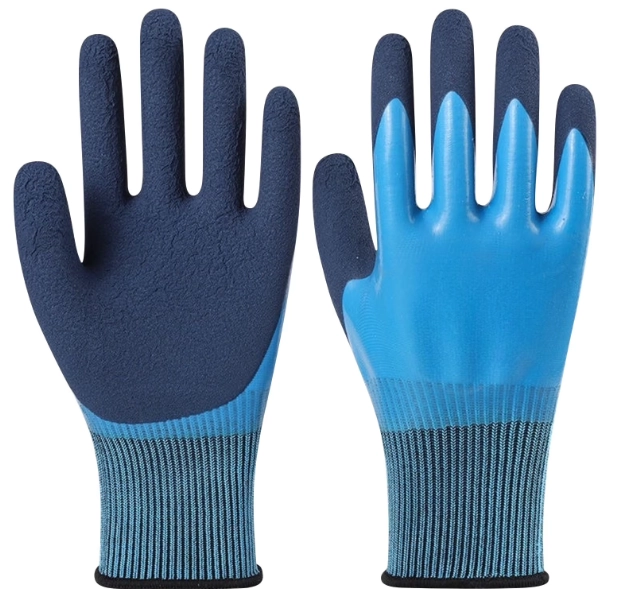
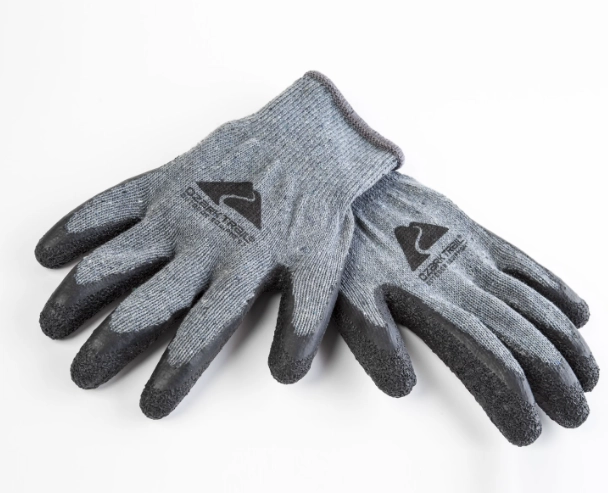
Maximizing grip on slippery fish (catfish, pike) or wet lines.
Poor breathability. Can make hands sweat profusely in heat.
Full palm and finger coating, not just patches.
2. Grip & Dexterity: The Trade-Off
3. Closure & Fit: The Devil's in the Details
Gloves for Every Fishing Scenario
Make Your Gloves Last: Care and Maintenance Tips
Expert FAQ: Your Top Questions Answered