The Ultimate Guide to Fishing Sunglasses for Women: See More, Catch More
Struggling to find sunglasses that stay put and cut glare on the water? This deep-dive guide reveals what makes fishing sunglasses for women different, how to choose the right pair, and top picks from an expert angler's perspective.
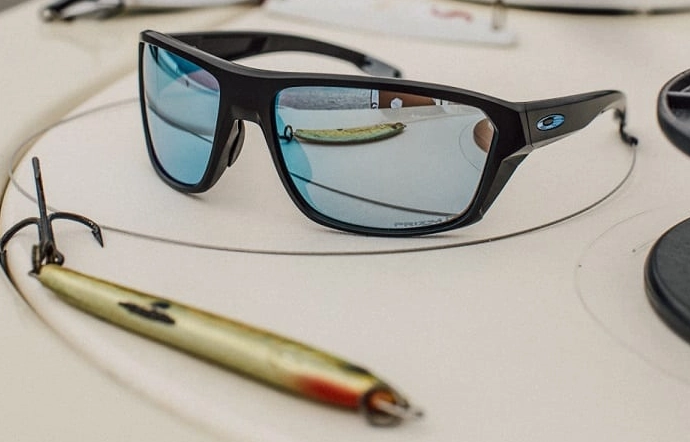
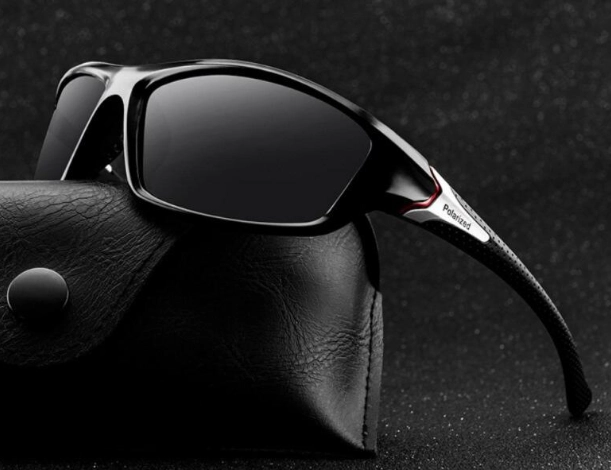
Let's get straight to it. Most advice on fishing sunglasses for women misses the point entirely. It's not just about slapping "polarized" on a smaller frame and calling it a day. After a decade of guiding and countless hours on both fresh and saltwater, I've seen the same mistake: women anglers wearing sunglasses that are a constant distraction. They slip, pinch, create blind spots, or have the wrong tint for the conditions. Your eyewear should disappear on your face, letting you focus on the line, the lure, and the fish. That's the real goal. Walk into any big-box outdoor store. The "women's" fishing sunglasses section is usually a sad afterthought. The assumption is that women just want a smaller, maybe more colorful version of the men's model. This is where the problems start. It's about anatomy. The average woman's face has a narrower bridge width, higher cheekbones, and a smaller overall frame. A standard "unisex" frame will often slide down your nose every time you look down at your reel or tackle box. The temples might be too long, causing the arms to stick out past your head, which is not only annoying but catches on hats and hair. Then there's style. I'm not talking about fashion runways. I'm talking about a design that doesn't make you feel like you're wearing a bug-eyed science experiment. Many women prefer a wrap-around style that offers protection without the overly aggressive, technical look. The good news? Brands are finally catching on, but you have to know what to look for. Forget the marketing fluff. Here are the non-negotiable features and the subtle details most articles skip. Yes, 100% polarization is mandatory. It cuts surface glare, letting you see into the water column to spot structure, weed lines, and, crucially, fish. But the type of polarized lens matters more than people say. The Expert Mistake I See: Anglers choosing dark gray lenses for all conditions. On a bright, bluebird day offshore, they're great. On an overcast day for bass or in a tannin-stained river, they make everything too dark and you lose detail. You're essentially fishing blind. Mirror vs. Non-Mirror: A mirror (flash) coating reflects extra light away. It's fantastic for intense sun on open water. However, on low-light days, it can reduce light transmission a bit too much. A subtle rose or copper mirror is a versatile choice. Material is key. Cheap plastic gets brittle and warps. Look for: GRILAMID or Nylon: Lightweight, flexible, and incredibly durable. They can take a knock and often come with adjustable nose pads and temple tips for a custom fit. This is the gold standard for performance. Acetate: Heavier, but offers rich colors and a classic look. Less flexible, so the fit must be perfect from the start. Fit Check: The frames should sit comfortably on the bridge of your nose without pinching. The temples should exert gentle, even pressure behind your ears, not on them. Do the head shake test. Look down at your feet and shake your head side-to-side. If they slip, the bridge is too wide. This is where you can gain a real edge. Copper/Brown: My personal go-to for 80% of my fishing. Enhances contrast in both bright and low-light conditions. Makes greens and browns (like bass and pike) pop against backgrounds. Ideal for freshwater lakes, rivers, and inshore. Gray/Green: True color perception with minimal distortion. Best for extremely bright, high-glare conditions like open ocean fishing. It's a neutral filter. Amber/Yellow: Excellent for low-light, dawn, dusk, or heavily overcast days. Brightens the field of view dramatically. Great for stream trout fishing or late evening topwater action. Blue Mirror: Primarily for deep blue offshore water. It cuts the bright blue spectrum. I find it too specialized for most all-around anglers. Floatability: If you're on a boat, this is a peace-of-mind feature. Not all glasses float the same—some just sink slower. Check the specs. Side and Bottom Shields: Some models have removable side baffles to block peripheral glare. For kayak anglers or those who fish into the sun, these are game-changers. Prescription Options: More brands than ever offer prescription inserts or can make the actual sunglasses lenses to your prescription. Don't fish blind. Organizations like the American Academy of Ophthalmology consistently stress the importance of proper UV protection, which is impossible with clip-ons over regular glasses. Based on fit, performance, and real-world use, here are three categories that stand out. I'm avoiding generic "top 5" lists and focusing on models that solve specific problems for women anglers.What's Inside?
Why "Unisex" Often Means "For Him"
Your Step-by-Step Guide to Choosing Women's Fishing Eyewear
1. Lens Technology: Polarization is Just the Ticket
2. The Frame: Where Fit is Everything
3. Lens Color: Your Secret Weapon for Sight Fishing
4. The Extras That Aren't Extra
Top Picks for Different Scenarios & Budgets
Scenario & Priority
Model Example
Key Features for Women
Best For
Investment
The All-Day, No-Slip Performer
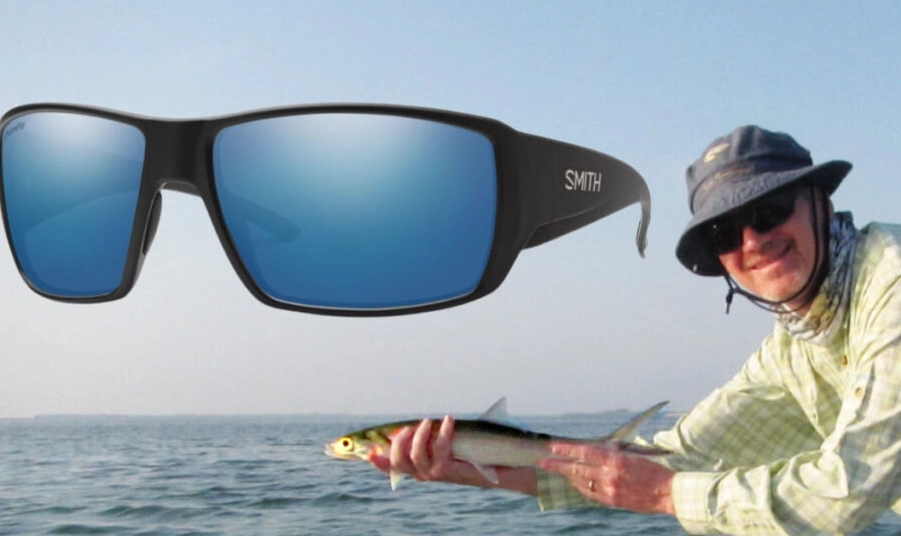
Priority: Fit & VersatilitySmith Guide's Choice
Multiple frame sizes (S/M fit is excellent), adjustable nose pads, ChromaPop lens tech (superior clarity), lightweight.
Bass fishing, inshore, kayaking, all-day wear.
$$$
The Saltwater Specialist
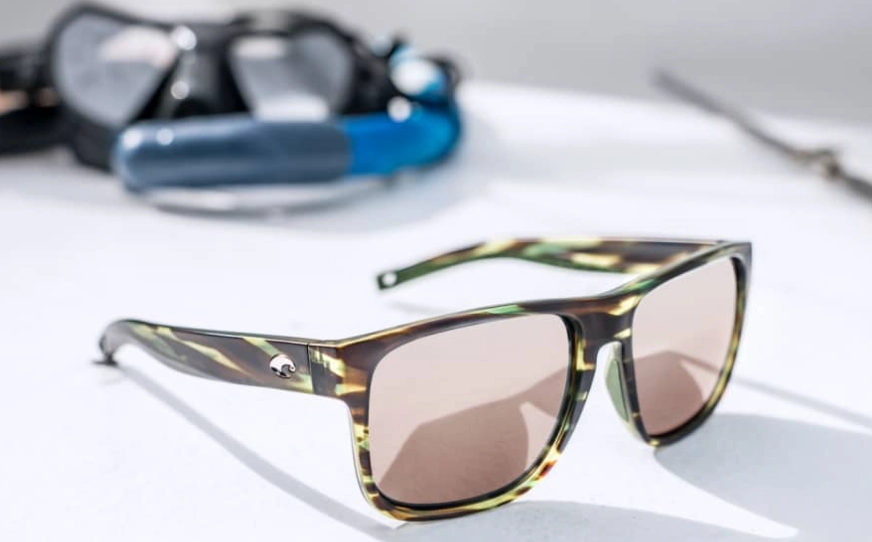
Priority: Grip & CoverageCosta Tuna Alley
Grippy temple and nose material, fantastic wrap coverage, 580G glass lenses (incredible clarity/scratch resistance).
Offshore, flats fishing, high-glare environments.
$$$$
The Budget-Conscious Starter
Priority: Value & Core FeaturesShady Rays Spectra
Surprisingly good fit for narrower faces, polarized, includes a case and a replacement warranty if lost/broken.
Beginner anglers, occasional use, backup pair.
$
Expert Answers to Real Questions