Best Polarized Fishing Sunglasses: The Ultimate Guide for Anglers
Struggling to see fish beneath the glare? Our deep dive into the best polarized fishing sunglasses cuts through the hype, revealing expert lens color choices, frame secrets, and features that truly matter on the water.
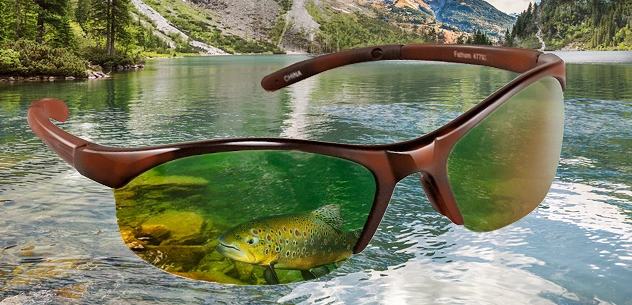
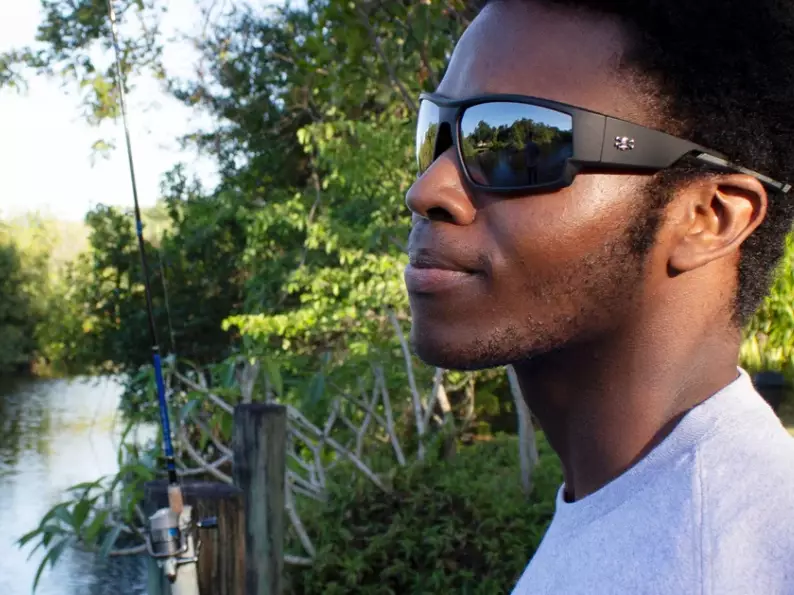
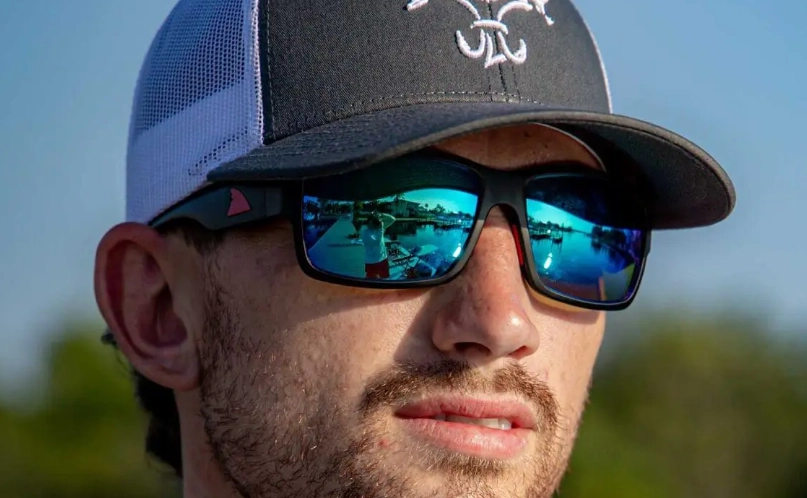
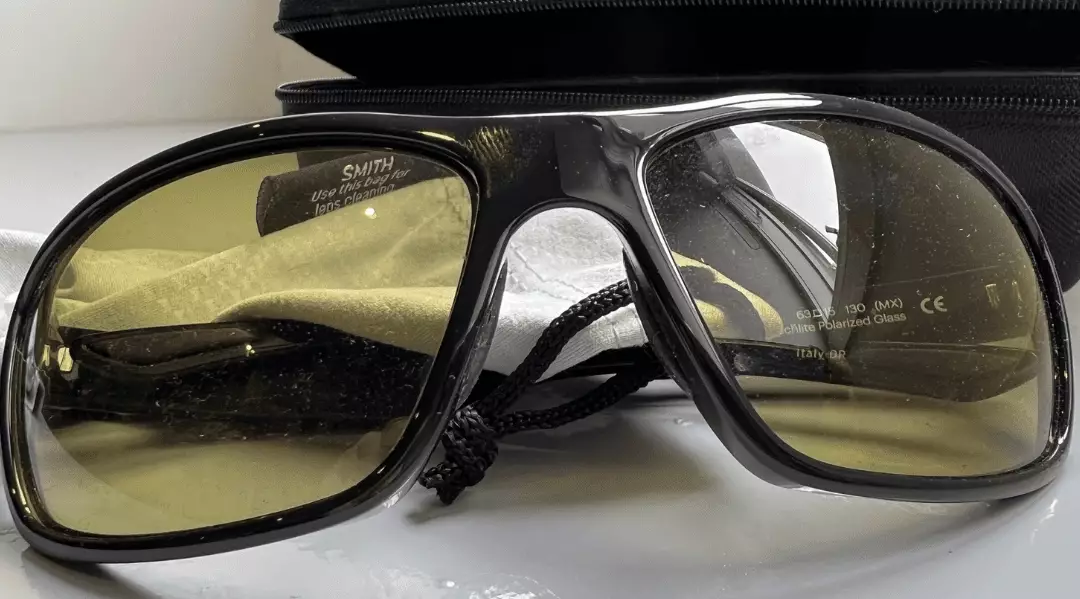
Let's be honest. Most articles about fishing sunglasses just repeat the same basic points: "get polarized," "choose a color." It's not that simple. After a decade on the water, from bass boats in Texas to flats in the Bahamas, I've learned that the wrong pair of shades doesn't just fail to help – it can actively ruin your day. You're not just buying a lens; you're buying a tool that changes how you see the water itself. This guide skips the fluff and gets into the details most anglers miss, the subtle choices that separate a good day from a great catch. Everyone says polarized lenses cut glare. But do you know how that helps you see fish? Sunlight reflecting off water becomes horizontally polarized light – think of it as light waves all vibrating in the same flat plane. That's the blinding white glare. A polarized filter in your sunglasses is like a microscopic vertical fence. It blocks those horizontal waves while letting other light through. The result isn't just less squinting. It's transformative. You see through the surface glare into the water column. Submerged structure like rocks, logs, and grass beds suddenly pop into view. More importantly, you can spot the subtle differences in the water that signal a fish. A slight flash of silver, a shadow moving against the bottom, the distortion of a snook hovering near a mangrove root – these details are invisible without polarization. This is where most anglers get it wrong. They pick gray because it's "neutral" or amber because someone said it's "good for low light." The truth is more nuanced, and your primary consideration should be contrast enhancement in your specific fishing environment. Gray lenses reduce overall light intensity without distorting colors. They're excellent for bright, sunny days on open water – think offshore trolling or bass fishing on a large reservoir. Gray-green variants add a slight contrast boost for spotting fish against greenish or weedy bottoms. I find pure gray can sometimes make things a bit flat for my taste; the gray-green is my personal go-to for general use. These are the workhorses for inshore and freshwater fishing. They block blue light, which is the part of the spectrum that scatters most in water and creates haze. By filtering blue, they dramatically increase contrast. You'll see fish shapes, shell beds, and drop-offs with much more definition. Perfect for sight-fishing bass in stained water, redfish on a grassy flat, or trout in a river. They do make the world look warmer (more yellow/red), but you adapt quickly to the enhanced detail. Often seen with a blue or purple mirror coating. These are specialists. The mirror reflects a huge amount of light before it even enters the lens. They're brutal on bright, cloudless days over featureless water like the saltwater flats or a glassy lake. The trade-off? They can make things too dark too quickly when clouds roll in. I only pack these for dedicated, super-sunny flats trips. You can have the best lenses in the world, but if the frame gives you a headache or slips off your face when you set the hook, they're useless. Frame choice is deeply personal but governed by a few hard rules. Fit is non-negotiable. The frame should sit snugly without pressure points on your temples or the bridge of your nose. When you look down (like when you're tying a knot or netting a fish), they shouldn't slide forward. Many brands offer different nose pad sizes and temple lengths – use them. A frame that wraps around the sides of your face will block more stray light, improving the polarized effect. Material matters for durability and weight. Nylon frames (like those from Costa or Oakley) are light, flexible, and corrosion-resistant – ideal for saltwater. Metal frames (like some Smith or Maui Jim styles) are sleek and adjustable but can get hot in the sun and may corrode if not cared for. I've had a saltwater-rusted hinge fail on me mid-trip; since then, I lean toward high-quality nylon for anything involving salt. Don't forget grip. Rubberized nose pads and temple tips are a must. They're the difference between your glasses staying put during a windy boat ride or ending up at the bottom of the lake. Let's decode the marketing. What actually improves your fishing experience? Treating your sunglasses poorly is the fastest way to ruin their performance. Never use your shirt tail, paper towels, or napkins to clean the lenses. They contain abrasive fibers that will scratch the coatings. Rinse them first with fresh water to remove dust and salt crystals. Use a drop of mild dish soap and your fingers to gently clean the lenses and frame. Rinse again thoroughly. Dry with a clean, dedicated microfiber cloth. Store them in a hard case when not in use – not on your dashboard, not on your hat, not loose in a gear bag. I've seen too many $200 pairs of glasses destroyed by a wayward pliers or hook.What's in This Guide?
How Polarized Lenses Actually Work for Fishing
Choosing the Right Lens Color: It's Not What You Think
Gray & Gray-Green Lenses: The All-Day, All-Arounders
Amber, Copper, & Brown Lenses: The Contrast Kings
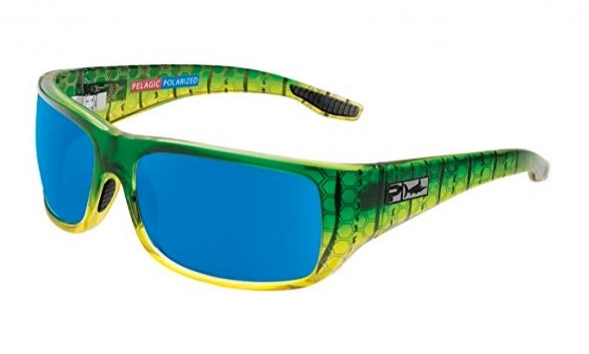
Blue or Mirror Lenses: For Extreme Glare on Flat Water
Lens Color
Best For
Light Conditions
What It Does
Gray / Gray-Green
Open water, offshore, bright days
Bright to very bright
True color, reduces intensity evenly
Amber / Copper / Brown
Inshore, freshwater, stained water
Medium to bright
Blocks blue light, maximizes contrast
Blue Mirror / Purple Mirror
Saltwater flats, extreme glare
Very bright, cloudless
Reflects maximum light, specialized
Vermilion / Rose
Low light, dawn, dusk, overcast
Low to medium
Brightens view, enhances depth perception
The Frame: Where Comfort Meets Function

Top Features Breakdown: What's Worth Your Money
How to Clean and Maintain Your Sunglasses
Expert FAQ: Your Real-World Questions Answered