Your Ultimate Guide to Polarized Fishing Sunglasses: See More Fish
Struggling to spot fish in the glare? Discover why polarized fishing sunglasses are a game-changer. This expert guide breaks down lens technology, fit, and features to help you choose the perfect pair for your next catch.
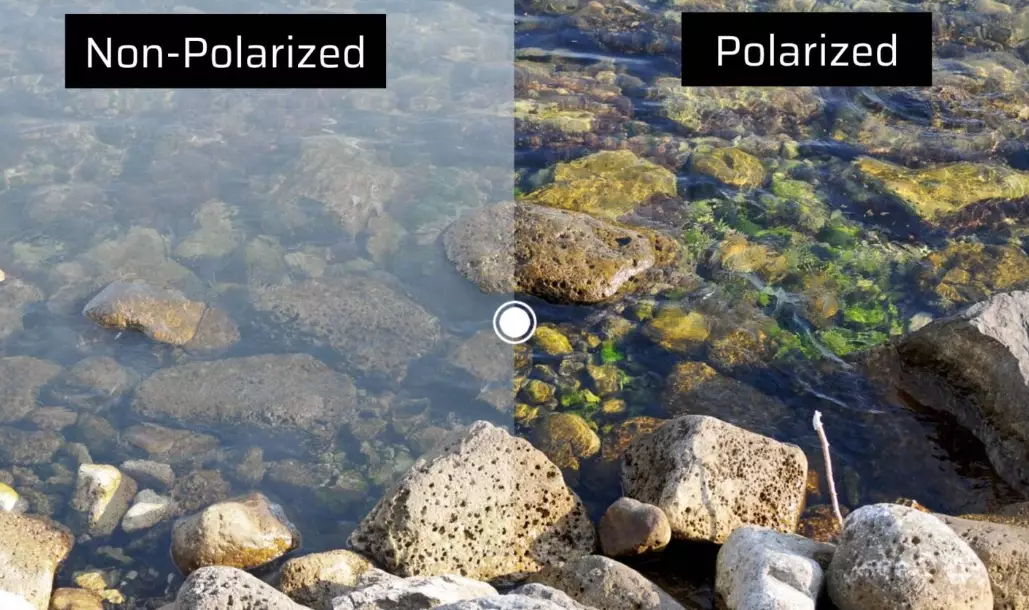
Let's cut right to the chase. If you're fishing without polarized sunglasses, you're essentially fishing blind. It's that simple. I've watched countless anglers, from rookies to seasoned veterans, squint at the water's surface, trying to decipher the mysteries beneath the glare. They'll invest in the best rods, reels, and lures but treat their eyewear as an afterthought—a $20 pair of gas station shades. That's the single biggest gear mistake I see on the water. Polarized lenses aren't just an accessory; they're a fundamental piece of your tackle that directly translates to more spotted fish, better presentations, and fewer snags. Think of light bouncing off water or a flat road. It becomes organized, vibrating mostly in a horizontal plane. This concentrated horizontal light is what we perceive as blinding glare. A polarized lens has a microscopic filter embedded in it, like a series of vertical blinds. This filter blocks that horizontally oriented glare while allowing vertically oriented light to pass through. The result? The surface "veil" disappears. You see into the water column. You can distinguish a bass from a log, spot a cruising redfish's tail, or identify the edge of a weed line. It's not magic; it's physics. But here's the subtle error most people make: they assume all polarization is created equal. The quality and alignment of that filter are paramount. A cheap filter might block 70% of glare, while a high-quality one from brands like Costa Del Mar or Maui Jim can exceed 99%. That difference is the gap between seeing a vague shadow and identifying a fish's species. Beyond the obvious glare reduction, the benefits are tactical. Spotting Fish & Structure: This is the primary win. You're not just looking for the fish itself. You're reading the water. A slight depression, a lone rock, a change in bottom composition—these are all fish magnets. Polarized lenses reveal these details, allowing you to make precise casts instead of blind ones. Eye Safety & Fatigue Reduction: A full day on the water under the sun is brutal on your eyes. Quality polarized fishing sunglasses block 100% of UVA and UVB rays. The American Academy of Ophthalmology consistently warns about the long-term risks of UV exposure, including cataracts. Reducing glare also means your pupils aren't constantly constricting and dilating, which leads to less headaches and eye strain. You stay focused longer. Knot-Tying & Tackle Management: Ever tried tying a delicate fluorocarbon leader in bright sun? Glare off the line makes it nearly impossible. Polarized lenses cut that glare, making intricate knots like the FG or Albright a visual cinch. Don't just grab the first pair you see. Your fishing environment dictates your needs. Lens color filters specific light wavelengths. Choose wrong, and you'll compromise contrast and depth perception. Glass Lenses: Unbeatable optical clarity and scratch resistance. Heavier and can shatter on impact. Ideal for the angler who prioritizes a perfect view above all else and is careful with gear. Fit is everything. Look for a secure, comfortable wrap that blocks peripheral light. Nose pads should be adjustable. If you wear a hat, ensure the temple arms are thin enough to fit comfortably. Try them on with your favorite fishing cap. Frame material matters too—saltwater anglers should seek corrosion-resistant hinges and materials. Beyond polarization, these elements define high-performance angling eyewear. Hydrophobic & Oleophobic Coatings: This isn't a gimmick. A good coating causes water, sweat, and oils to bead up and roll off the lens. It keeps your vision clear during rain, spray, or a sweaty hike to the spot. Without it, you're constantly wiping smears. Polarization Layer Placement: In cheaper glasses, the polarizing filter is laminated on the back of the lens. It can delaminate. In higher-end models, the filter is sandwiched between layers of lens material, making it permanent and more durable. Anti-Reflective (AR) Coating: Applied to the backside of the lens. It prevents light from bouncing off the back of the lens into your eyes (a major source of internal glare, especially with dark lenses). If you've ever seen a distracting reflection of your own eye, you need AR coating. Buying great glasses is half the battle. Ruining them is easy. The Cleaning Ritual: Never use your shirt, a paper towel, or your fingers to wipe a dry lens. That's how you grind in microscopic dust and create scratches. Always rinse with fresh water first. Use a drop of mild dish soap and your fingertips, rinse again, and gently pat dry with a microfiber cloth stored in its own pouch. I keep a dedicated lens cloth in my tackle bag. Storage: Always in a hard case. Throwing them in a console cup holder or on your dashboard is a death sentence. Heat can warp frames and damage coatings. Testing Your Polarization: Look at a reflective LCD screen (like your fish finder or phone). Tilt your head 45-60 degrees. If the screen turns black, your polarization is working. If it just gets dim, the filter is weak or damaged. Can I use my regular polarized sunglasses for fishing? You can, but you'll be at a disadvantage. Regular fashion sunglasses often have smaller lenses, poor side coverage, and lens colors (like simple gray) not optimized for aquatic contrast. They might also lack the crucial hydrophobic coatings. They're better than nothing, but dedicated fishing glasses are tools built for the job. Why do I still see some glare with my polarized glasses? Polarization only blocks horizontal glare. When the sun is low (dawn/dusk), or you're looking at an angle where the light reflection isn't perfectly horizontal, some glare will get through. Also, if your frames don't fit snugly, ambient light entering from the sides creates internal glare that the lens filter can't address. Are expensive polarized sunglasses worth it? Up to a point, yes. The jump from $20 to $150 gets you vastly better lens clarity, polarization efficiency, durable coatings, and a secure fit. Beyond $250, you're often paying for marginal gains in material luxury or brand name. My advice: invest in the $120-$220 range. Brands like Smith, Costa (580 lenses), and Maui Jim in that bracket offer phenomenal performance that will last for years. How do I fix scratched polarized lenses? You can't truly fix them. Once the scratch penetrates the polarized filter or the front coating, the integrity is compromised. Light scuffs on the outer coating can sometimes be polished out with a professional lens polish kit, but it's risky and can damage other coatings. Deep scratches mean it's replacement time. This is why cleaning and storage discipline is non-negotiable. What's the deal with photochromic (transition) lenses for fishing? I'm skeptical for dedicated, all-day fishing. While convenient for changing light, they often don't get dark enough for intense midday sun on open water, and they don't transition quickly enough when a cloud passes. They also typically lack the specific water-enhancing tints (like copper). They're a decent compromise for a hike that includes some fishing, but for a serious fishing trip, I bring dedicated lenses for the conditions.What's Inside This Guide
How Do Polarized Sunglasses Actually Work?
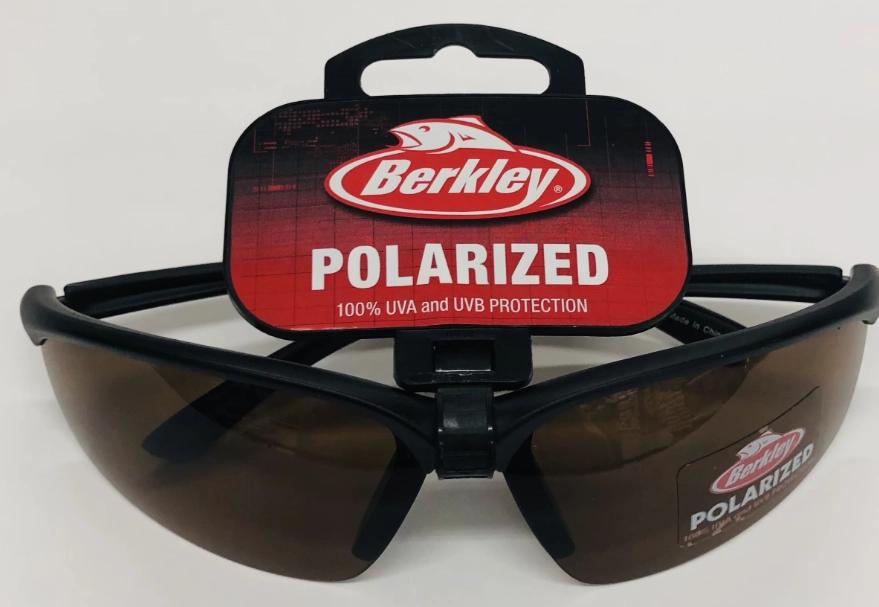
Why Polarized Lenses Are Non-Negotiable for Anglers
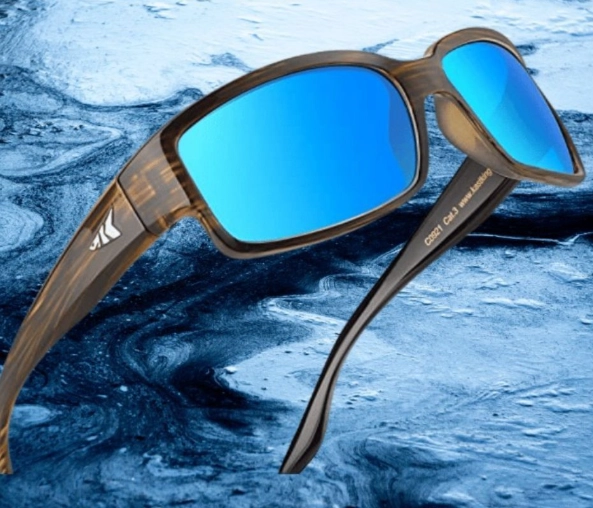
How to Choose the Best Polarized Fishing Sunglasses: A Step-by-Step Guide
Step 1: Pick Your Lens Color (It's Not Just About Style)
Lens Color
Best For
Light Conditions
What It Does
Copper / Brown / Amber
Freshwater, inshore, variable light
Partly cloudy to bright sun
Enhances contrast, makes greens and browns (weeds, wood, fish) pop. My personal favorite for all-around use.
Gray
Open ocean, bright alpine lakes, extreme sun
Bright, cloudless days
True color perception with minimal distortion. Reduces overall brightness best but offers less contrast for spotting fish.
Blue / Mirrored
Offshore, deep blue water
Bright sun over deep water
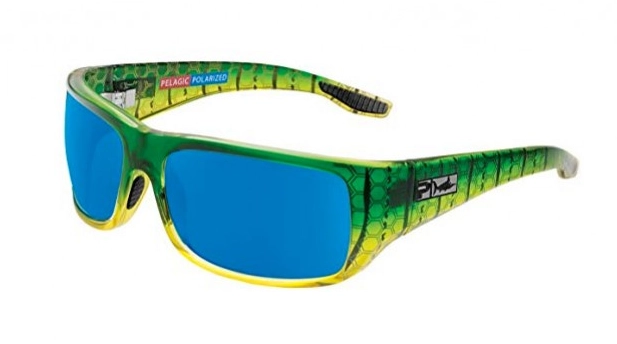
Cuts blue light haze, improves sight fishing for pelagics like tuna or mahi.
Vermilion / Rose
Low light, dawn, dusk, overcast
Cloudy, foggy, early/late
Brightens the scene dramatically. Turns a gloomy day into a fishable one. Essential for winter fishing.
Step 2: Understand Lens Material
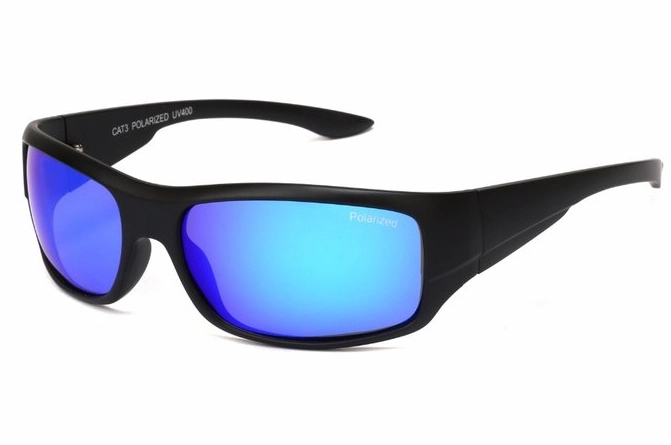
Polycarbonate Lenses: Much lighter, impact-resistant (great for kayak fishing or clumsy moments), and usually less expensive. Can scratch more easily than glass. The best choice for active anglers and those on a budget.
NXT® or Trivex®: A premium middle ground. Light like polycarbonate, with clarity and scratch resistance closer to glass. The performance sweet spot for many.Step 3: Get the Frame Right
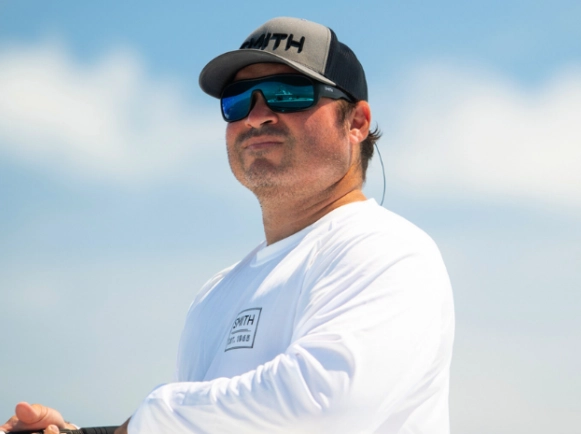
Top Features That Separate Good Glasses from Great Ones
Using & Maintaining Your Glasses for Maximum Performance
Expert Answers to Your Polarized Sunglasses Questions