Top Fishing Clothes Brands Reviewed: Stay Dry & Catch More
Overwhelmed by the sheer number of fishing clothing brands? We cut through the hype and review the top performers for rain, sun, and cold, helping you choose gear that actually works on the water.
Let's be honest. Standing in a downpour for the third hour, feeling that damp chill seep through your jacket, is a surefire way to ruin a fishing trip. Your choice of fishing clothes isn't about fashion—it's about function, comfort, and sometimes, safety. The right gear lets you focus on the cast, the retrieve, and the strike, not on how miserable you are. But with so many fishing clothing brands shouting about waterproof this and breathable that, how do you pick? I've spent more days on the water than I can count, from bonefish flats under a blazing sun to steelhead rivers in freezing rain. I've had gear fail spectacularly and other pieces become trusted companions for a decade. This isn't just a list of brands. It's a breakdown of who makes what, for whom, and why you might choose one over the other, based on where you fish and what you're doing. You might think any waterproof jacket will do. It's a common mistake. Standard rain gear is designed for walking from your car to a building. Fishing apparel is engineered for sustained exposure, dynamic movement, and specific environmental challenges. Think about casting. A full overhead cast tests the seams and mobility of a jacket's shoulders and back. Wading in a river means water pressure is constantly pushing against your legs, demanding a higher waterproof rating than just walking in rain. Breathability is another huge one. If you're hiking to a remote spot or fighting a big fish, you'll sweat. A non-breathable shell turns your jacket into a personal sauna, leaving you damp from the inside out. Then there are the fishing-specific features. A longer cut in the back to keep you dry when leaning over? Check. Zippers placed to avoid snagging line? Absolutely. Pockets designed for pliers, fly boxes, or a net? Essential. Material that's quiet (for stalking fish) and offers sun protection (UPF rating)? That's what separates fishing clothes brands from the rest. Here’s a look at the leaders. I've organized them not just by popularity, but by their core strengths and the type of angler they serve best. If you're wading a trout river in November, there's a good chance the seasoned angler next to you is in Simms. Based in Montana, they treat fishing like a serious outdoor pursuit. Their construction is overbuilt in the best way—heavy-duty zippers, reinforced knees and seats, and seams that are meticulously taped. I have a Simms GORE-TEX wading jacket that's eight years old. It's been through alder thickets, hail storms, and countless river days. The cuff velcro is finally wearing out, but the fabric is still completely waterproof. That's the Simms promise. You pay for it, often $400+ for a top-end jacket, but it's a buy-once-cry-once purchase for core gear. Who it's for: The dedicated wade angler, the guide who needs reliability, anyone fishing in consistently wet, cold environments. Patagonia brings its legendary mountaineering and environmental ethos to fishing. Their approach is less about "fishing-specific" gimmicks and more about applying proven, minimalist outdoor tech to angling. The fit is often more athletic and tailored than Simms. Their Iron Forge H2No® pants are a perfect example—tough, water-resistant, and stretchy enough for scrambling over rocks. A huge part of their appeal is sustainability. They use recycled materials extensively and offer the best repair program in the business. If reducing your footprint matters, Patagonia leads the pack. As reported by the American Fly Fishing Trade Association, sustainability is a growing concern among anglers, and brands like Patagonia are setting the standard. Who it's for: The angler who also hikes and camps, the eco-aware buyer, someone who values repair over replacement. Columbia's Performance Fishing Gear (PFG) line democratized technical fishing apparel. You can walk into a big-box store and get a solid, UPF 50 sun hoody or a waterproof jacket for under $100. The innovation is real—their Omni-Shade sun protection and Omni-Tech rain shells work. Is it as bombproof as top-tier Simms? No. But for 90% of anglers—especially boat fishermen, family vacationers, or casual weekenders—it's more than enough. Their Bahama II shirt is iconic for a reason: it's cheap, effective sun protection that looks fine at the dock afterwards. This is where most people should start. Who it's for: The budget-conscious, the casual angler, families, anyone prioritizing sun protection. Don't just buy a brand. Buy a system for your fishing. First, identify your primary fishing environment: Second, think in layers. No single jacket does it all. Your system should be: Base Layer (moisture-wicking) > Mid Layer (insulation like fleece) > Outer Shell (water/windproof). Your investment should be heaviest in a quality outer shell that fits over your other layers. Finally, fit is functional. Try it on with a sweater underneath. Practice a casting motion. Can you raise your arms overhead without the jacket riding up to your belly button? If you're a boater, are the pockets accessible while sitting? These details matter more on the water than on the rack.Your Quick Guide to the Best Gear
Why Your Old Rain Jacket Isn't Enough
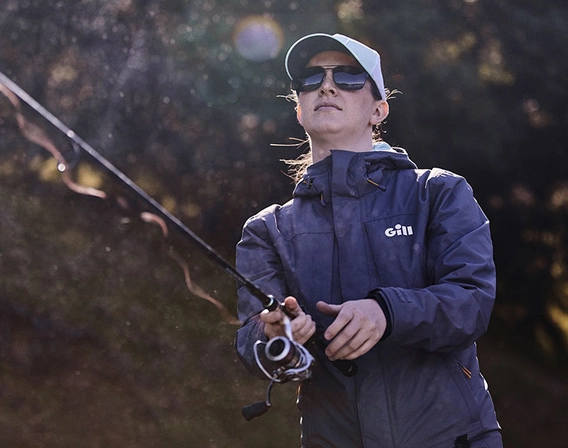
The Top Fishing Apparel Brands, Decoded
Brand
Core Strength / Vibe
Price Point
Best For
Key Material Tech
Simms
The Gold Standard. Durability & Technical Performance.
Premium ($$$)
Serious wade fishermen, guides, cold & rough conditions.
GORE-TEX, own Dry Creek Z, Focus Fabric.
Patagonia
Sustainable & Versatile. Mountain-grade tech for water.
Premium ($$$)
Anglers who hike/backpack to fish, eco-conscious buyers.
H2No® Performance Standard, Recycled Materials.
Columbia
Value & Innovation. Accessible performance.
Mid-Range ($$)
Family anglers, casual boaters, sun protection seekers.
Omni-Tech™ (rain), Omni-Shade™ (sun), PFG line.
Grundéns
Commercial-Grade Toughness. Born for saltwater.
Mid to Premium ($$-$$$)
Offshore/inshore saltwater, harsh weather, deck wear.
PVC & Fabric blends, heavy-duty GORE-TEX.
HUK
Performance & Style. Built for the boat.
Mid-Range ($$)
Bass, inshore, and tournament anglers who want a sharp look.
K1 Performance Fabric, 360° Dry.
Simms: The Benchmark for Wade Fishermen
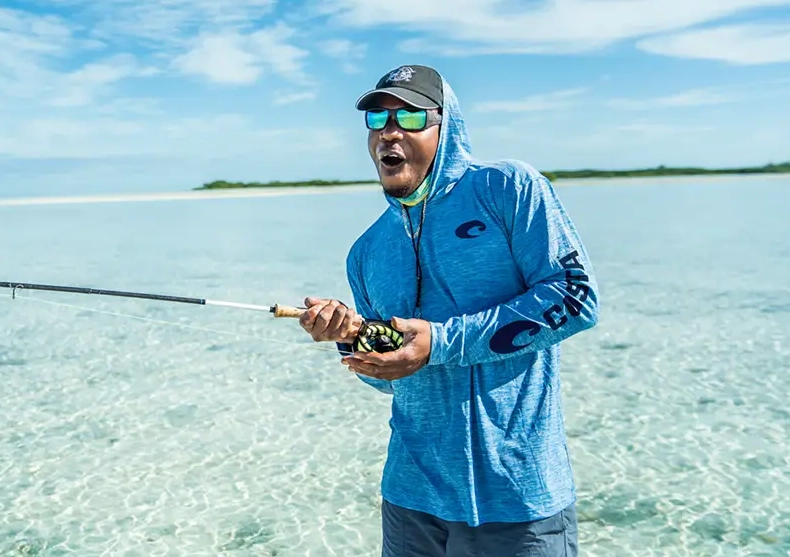
Watch out for: The fit can be boxy, and their focus on durability sometimes means less stretch than some competitors.Patagonia: The Conscious Choice for the Adventurer
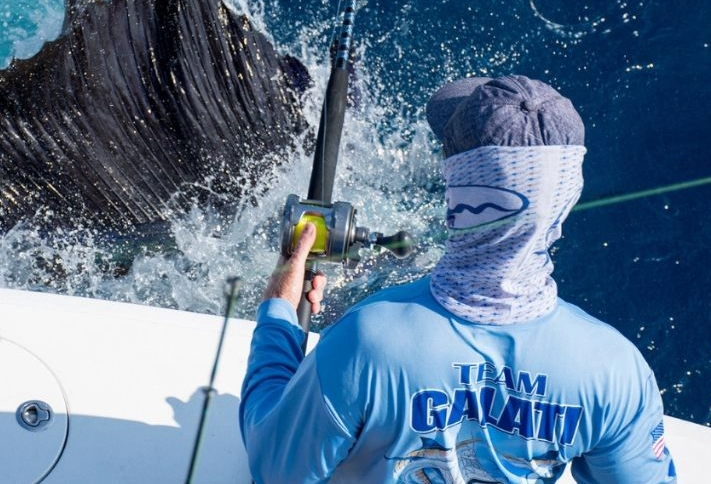
Watch out for: Their fishing line is smaller than dedicated brands. For extreme, prolonged wet conditions, some purists still prefer Simms' burlier build.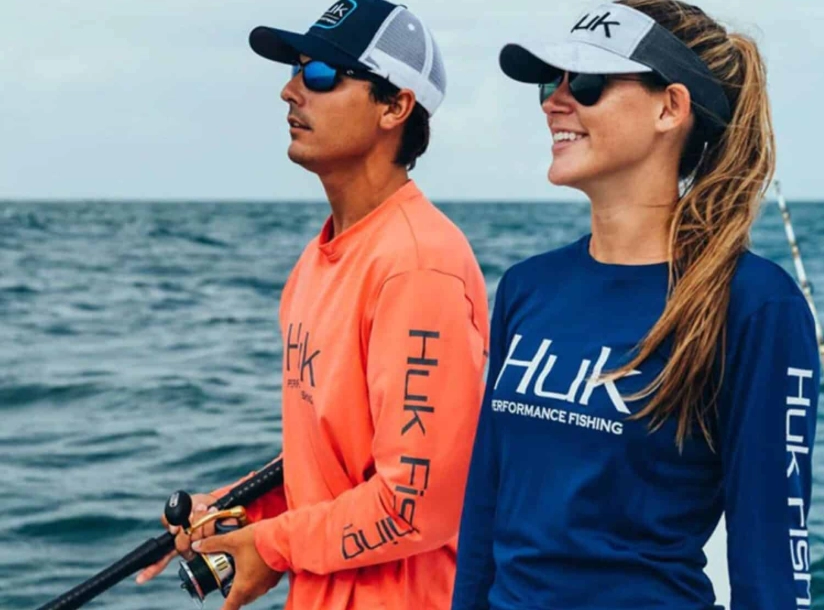
Columbia & PFG: The Accessible All-Rounder
Watch out for: Breathability in their entry-level rain gear can be lacking. Durability on the highest-abuse areas (like knees) may wear faster.How to Choose Your Fishing Clothes: A Practical Framework
Answers to the Questions Anglers Actually Ask