The Best Fishing Waders: Your Guide to Staying Dry and Catching More
Struggling to choose the best fishing waders? Our expert guide cuts through the hype, comparing neoprene vs breathable materials, top brands like Simms and Frogg Toggs, and key features for comfort and durability. Find your perfect pair here.
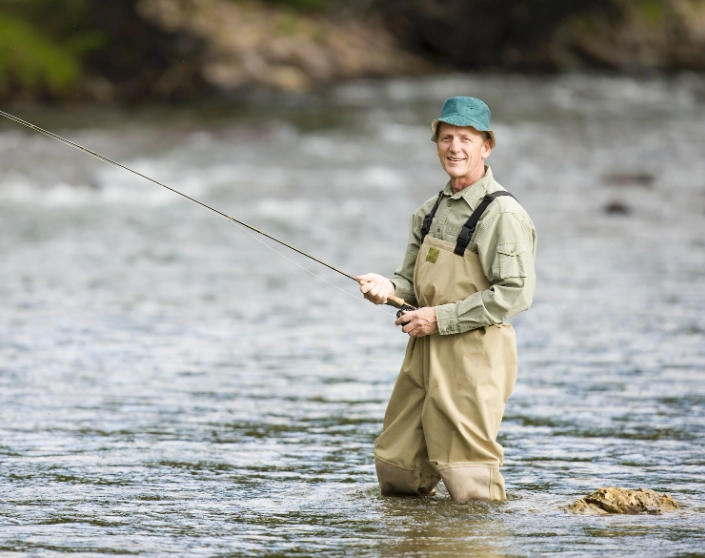
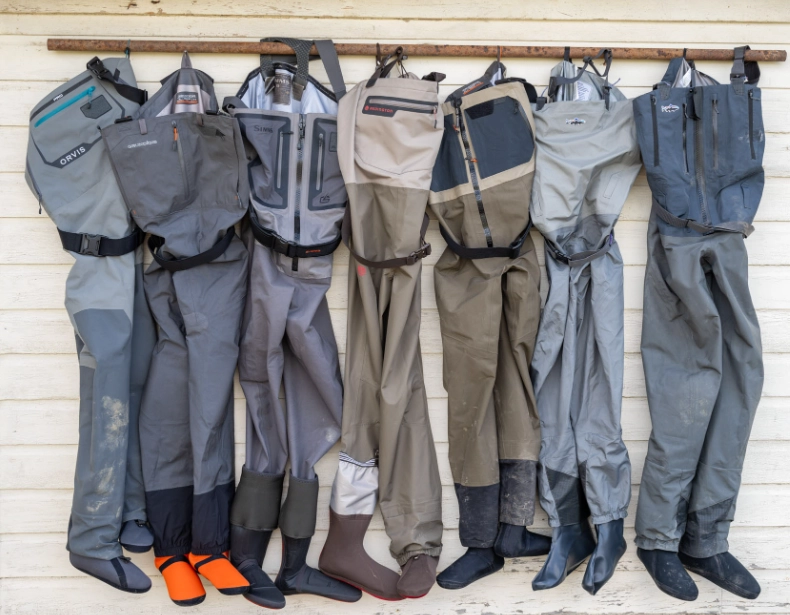
Let’s be honest. The best fishing waders aren’t the ones with the flashiest logo or the highest price tag. They’re the ones you forget you’re wearing. The pair that keeps you dry, comfortable, and focused on the fish from dawn until dusk, season after season. Choosing them, though, can feel like navigating murky water. Neoprene or breathable? Stockingfoot or bootfoot? A hundred brands all claiming to be the best. I’ve spent more hours in waders than I care to admit, and I’ve made every mistake in the book. I’ve had seams fail in freezing rivers, boots that rubbed blisters, and "bargain" waders that became landfill after one season. This guide is what I wish I’d known twenty years ago. We’ll cut through the marketing and focus on what actually matters for your fishing, your budget, and your comfort. This is your first and most critical decision. Get it wrong, and you’ll be miserable. Neoprene Waders were the standard for decades. They’re like wearing a thick, insulating wetsuit. Their big advantage is inherent warmth; the foam traps your body heat. If you’re exclusively fishing icy, late-season trout streams or winter steelhead rivers, they have a place. But that warmth comes at a cost. They’re heavy, restrict movement, and don’t "breathe" at all. You’ll sweat on any hike to the river, and that moisture stays inside. For most anglers today, their use is very niche. Breathable Waders are now the undisputed king for a reason. Modern fabrics like 3-layer or 4-layer laminates (often using membranes from Gore-Tex or similar) are waterproof from the outside but allow water vapor (your sweat) to escape from the inside. This is a game-changer. You stay dry from both river water and perspiration. They’re lightweight, packable, and offer far greater freedom of movement. The trade-off? They provide zero insulation on their own. You layer underneath them for warmth. For 90% of fishing scenarios—from spring creeks to summer bass lakes to fall salmon runs—breathables are the best fishing waders you can buy. One nuance most guides will tell you: the denier number (like 70D or 210D) matters more than the "layer" count sometimes. A robust 3-layer 210D fabric can be tougher than a flimsy 4-layer. Look for reinforced high-wear areas (knees, seat, lower legs) regardless of the marketing. Forget the "best overall" lists for a second. The best wader for you depends on your answers to these questions. This dictates everything. Fly Fishing in Rivers/Streams: You need maximum mobility for casting and navigating currents. A stockingfoot design (separate wading boots) is non-negotiable. It provides superior ankle support and traction. Look for articulated knees, a gusseted crotch, and a range of motion that lets you high-step over logs. Breathable material is almost always the answer. Spin Fishing from Shore or Wading: You might be standing still more often. A bootfoot wader (boot attached) can be more convenient for quick in-and-out sessions. They’re also often cheaper. But if you’re walking any distance, the fit of an attached boot is rarely as good as a purpose-fitted wading boot. Boat Fishing: Durability against boat carpet and sharp objects is key. Look for reinforced seats and high denier fabric. Some boat anglers prefer waist-high or even hip waders for easier movement in the boat. A poor fit leads to fatigue, chafing, and failure. Don’t guess. Use the manufacturer’s size chart, measuring your chest, inseam, and shoe size. Here’s the trick most miss: Your waders must fit over your intended insulating layers. If you fish in a cold climate, measure yourself wearing a mid-weight fleece. You should be able to squat, kneel, and raise your arms overhead without excessive tightness or pulling at the seams. Pockets are personal. Some love a giant chest pocket for a box of flies; others find it bulky. Look for secure, drainable handwarmer pockets lined with fleece. A internal security pocket for keys and a phone is a lifesaver. Gravel guards (the straps that go over your boots) are critical. They keep sand and pebbles out of your boots, which can grind away at the wader sock from the inside. The best ones are wide, adjustable, and have a sturdy hook or buckle. Finally, the suspension system. Padded, adjustable suspenders are far more comfortable than simple straps, especially on long days. Instead of a generic top 5, let’s match waders to angler profiles. Prices are approximate ranges. Example: Simms Freestone Waders ($300 - $400 range). Why they fit the bill: Simms is a benchmark for a reason. The Freestone offers a fantastic balance of proven 3-layer GORE-TEX performance, durable 210D fabric in high-wear zones, and Simms' excellent fit and articulated patterning. They’re built to handle rugged trout streams day in, day out. You’re paying for reliability and a design refined over decades. The competition here is stiff from Patagonia and Orvis, but Simms' consistency makes them a go-to. Check the latest models on the Simms website. Example: Frogg Toggs Hellbender Breathable Waders ($150 - $250 range). Why they fit the bill: Frogg Toggs has disrupted the market by offering fully-featured, durable breathable waders at a fraction of the cost of premium brands. The Hellbender series often includes 4-layer construction, reinforced knees and seat, plenty of pockets, and a well-thought-out suspension system. Are they as refined as a $600 pair? No. But for the angler who fishes 20-30 days a year across various species, they deliver incredible performance per dollar. They’re a fantastic first pair of breathables or a solid backup. Example: Hodgman H5 Breathable Waders (Under $150). Why they fit the bill: Hodgman has been making waders forever. The H5 series represents a reliable, no-frills entry point into breathable technology. They use a 3-layer waterproof/breathable fabric, have basic but functional suspenders and pockets, and come in both stockingfoot and bootfoot models. The fit might be boxier than premium brands, but for pond bass fishing, occasional trout trips, or seeing if wading fishing is for you, they get the job done without a huge investment. It’s better to start here than with a leaky, non-breathable big-box store special. The best fishing waders can be ruined in one season by neglect. This is where I’ve seen most anglers fail. After Every Use: Rinse them inside and out with clean, cool water. Mud, sand, and fish slime are abrasive and can degrade seams and fabric over time. Hang them to dry inside out in a shaded, well-ventilated area. Never put them away damp. Storage: Never fold them along the same creases repeatedly. Hang them on a wide, padded hanger or lay them flat. Keep them away from direct sunlight, ozone (near motors), and rodents. The Repair Kit: Every gear bag needs one. Aquaseal FD or Flex Seal liquid rubber is mandatory. For small punctures, clean the area with alcohol, apply a dab, and let it cure for 24 hours. For seam leaks or larger tears, Gear Aid Tenacious Tape or specific wader repair patches applied on the inside and outside are incredibly effective. Most wader failures are repairable in the field. Here’s the stuff you won’t find in the manual. 1. The Sock Secret: Your wading socks are part of the system. A thin, smooth liner sock (silk or synthetic) under a thick, cushioned wool or neoprene wading sock reduces friction and blisters dramatically. Don’t wear cotton socks—they hold moisture and get abrasive. 2. The Layering Lie: Under breathable waders, avoid cotton at all costs. It gets wet and stays wet. Use a moisture-wicking base layer (merino wool or synthetic) and an insulating mid-layer (fleece or puffy). The American Sportfishing Association notes that comfort directly impacts time on the water and success. 3. The Gravel Guard Grind: I see anglers with $800 waders who don’t use their gravel guards properly. Sand inside your boot is the #1 cause of premature wear on the wader sock’s sole. Secure them snugly every time. 4. The “Bargain” Trap: That $80 "waterproof" wader from a general outdoor store is almost always a PVC or vinyl coated nightmare. It will crack, leak, and leave you cold. Invest in a known breathable technology from a fishing-specific brand, even at the entry-level. How do I stay warm in breathable waders for cold water fishing? How snug should fishing waders fit? Can I really repair a leaky seam myself? Stockingfoot or bootfoot—what’s the real difference for a casual angler? How long should a good pair of fishing waders last? The search for the best fishing waders ends with understanding your own needs, not just buying the most expensive option. Prioritize breathable material for versatility, get the fit right over your layers, and commit to basic maintenance. Do that, and your waders will stop being a piece of gear and start being a reliable partner on the water, letting you focus on the only thing that should be getting soaked—the line you’re casting.What’s Inside: Your Quick Guide
The Great Material Debate: Neoprene vs. Breathable
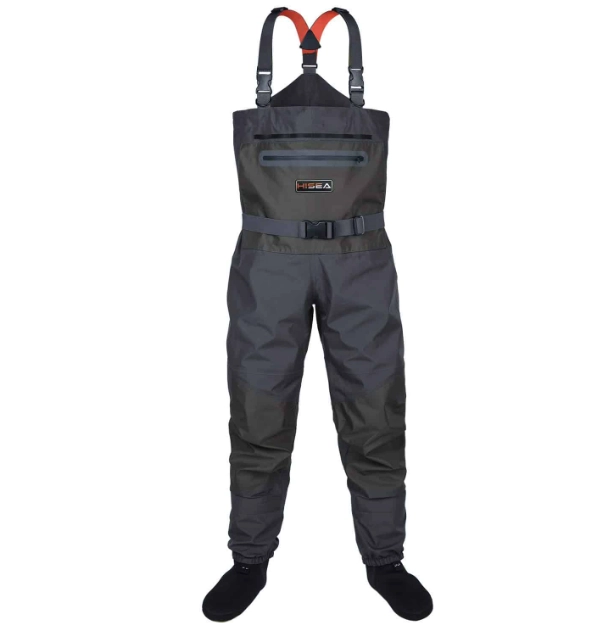
Material
Key Characteristics
Best For
Considerations
Neoprene (3mm, 5mm)
Insulating, buoyant, durable, less expensive upfront.
Ice-cold water fishing (
Heavy, non-breathable, restrictive, can cause overheating.
Breathable (3-Layer Laminate)
Lightweight, highly breathable, excellent mobility, versatile.
Most freshwater fishing, hiking to remote spots, warm to cool weather. The all-rounder choice.
Requires layering for warmth. Durability depends on denier (fabric thickness).
Breathable (4 or 5-Layer)
Maximum durability and abrasion resistance, often with reinforced knees/seats.
Demanding environments: bushwhacking, rocky rivers, guiding, frequent use.
Higher price point, slightly less packable than 3-layer.
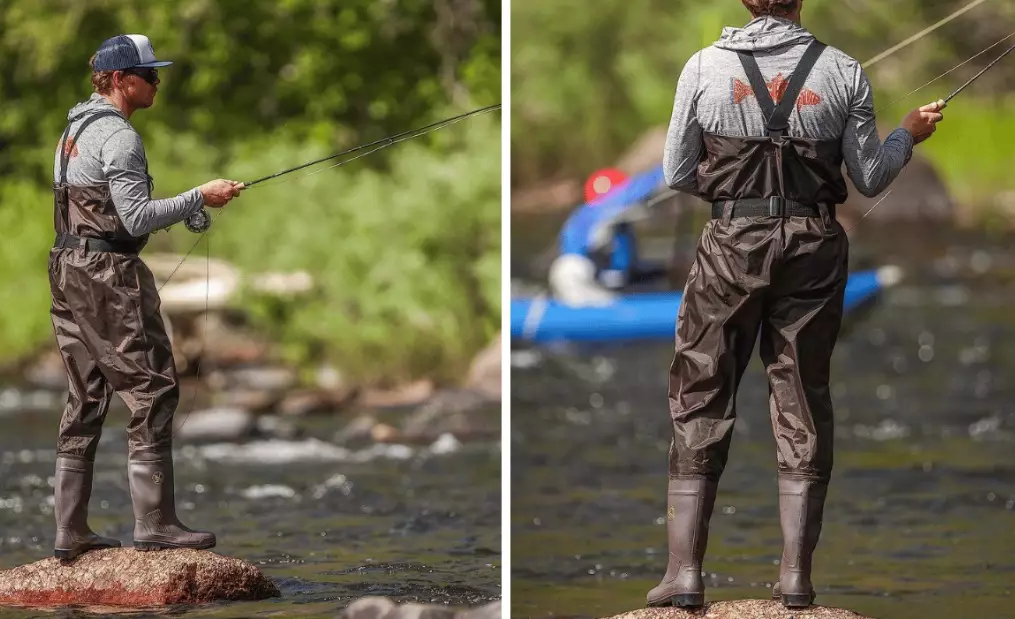
How to Choose the Right Fishing Waders for You
What’s Your Primary Fishing Style?
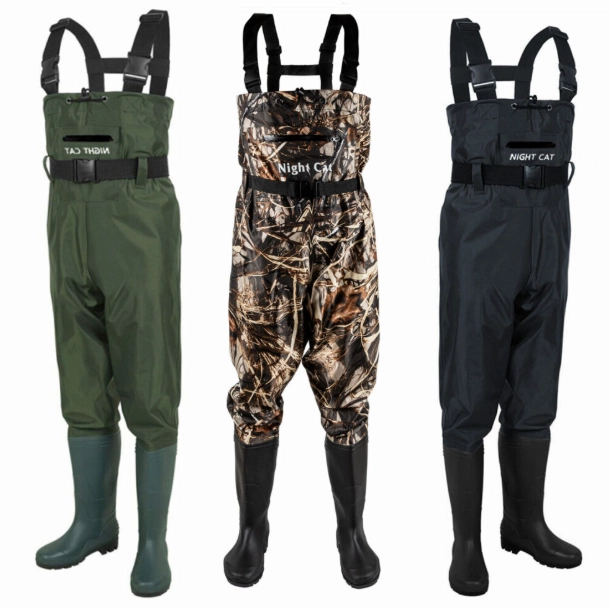
The Fit is Everything
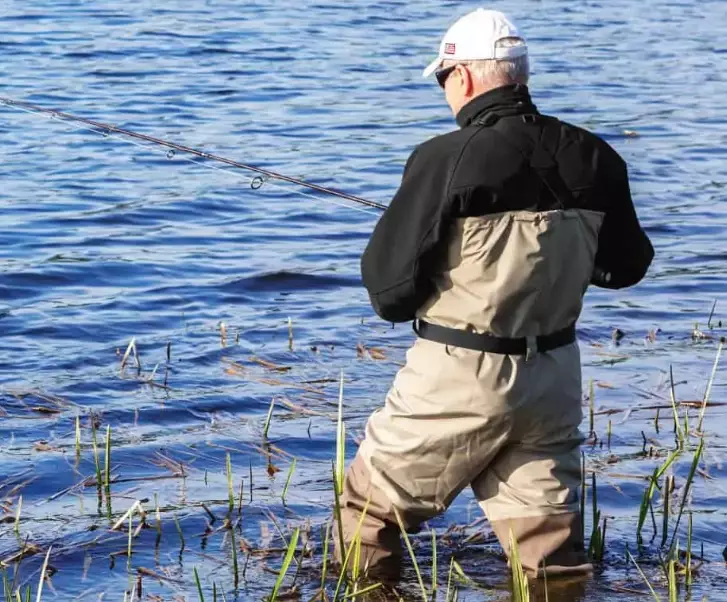
Features That Actually Matter
Top Wader Picks for Different Types of Anglers
For the Dedicated Fly Fisher: The Performance Choice
For the All-Round Angler: The Best Value Workhorse
For the Budget-Conscious or Beginner: The Sensible Starter
Caring for Your Investment: Maintenance & Simple Repairs
Expert Tips & Common Mistakes to Avoid
Your Wader Questions, Answered