Choosing the Best Fishing Line: Monofilament, Fluorocarbon, or Braided?
What is the best fishing line for your next fishing trip? Learn the key differences between monofilament, fluorocarbon, and braided lines, and how to select the right one based on water clarity, target species, and fishing technique.
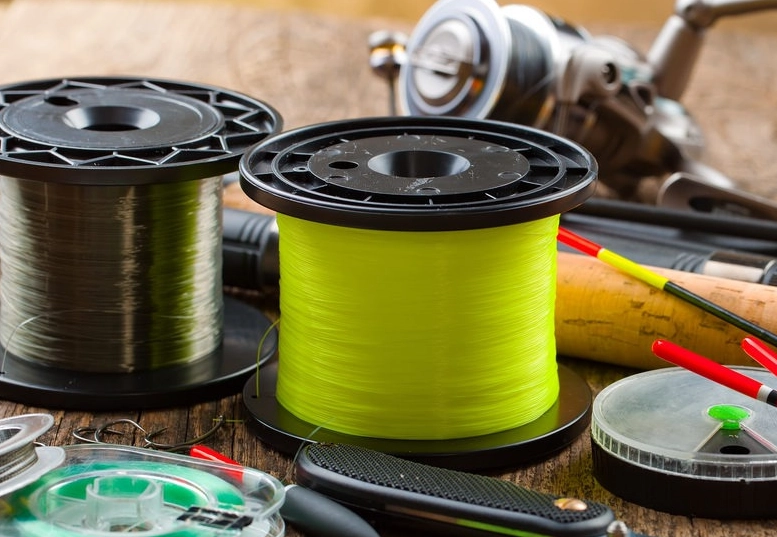
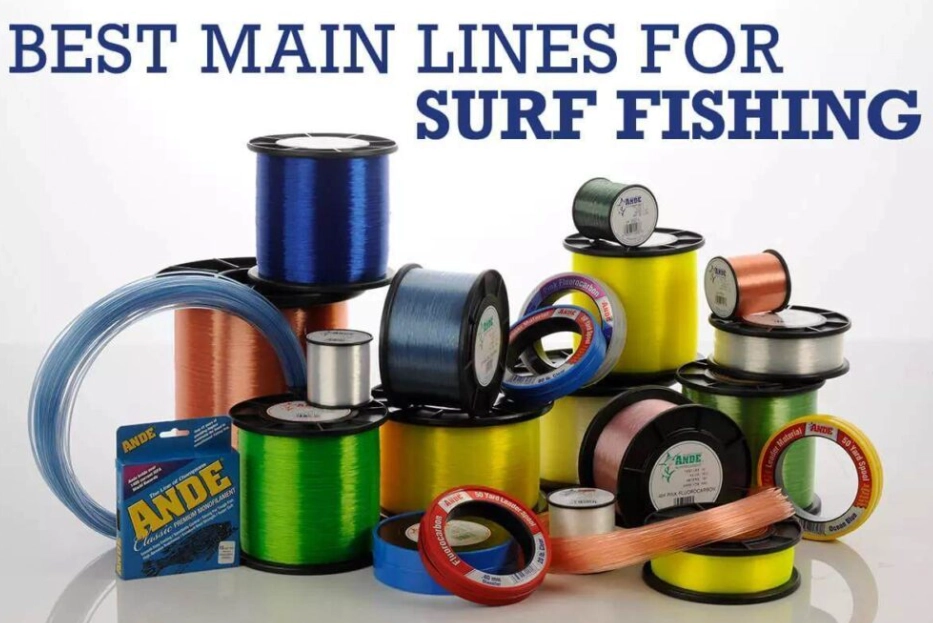
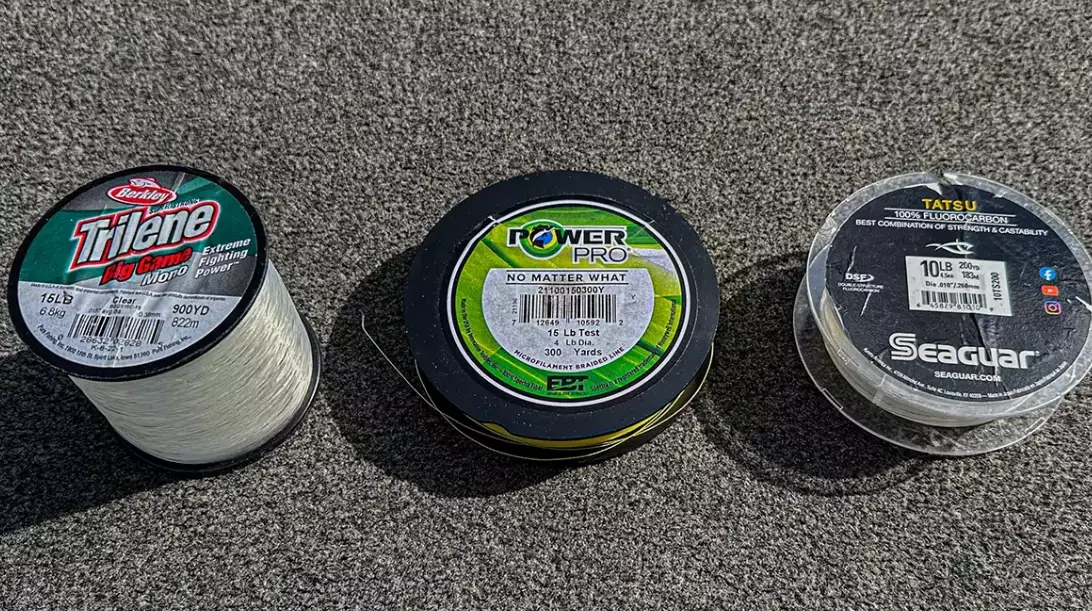
Let's cut to the chase: there's no single "best" fishing line. Anyone who tells you otherwise is selling something. The truth is, the best line depends entirely on what you're fishing for, where you're fishing, and how you're fishing. I've spent over a decade on the water, and I've lost count of the times I've seen anglers—myself included—grab the wrong line and miss out on a big catch. So, instead of a simple answer, I'll break down the three main types: monofilament, fluorocarbon, and braided line. By the end, you'll know exactly which one to spool up for your next trip. Every fishing line falls into one of these categories. Each has its own personality—strengths, weaknesses, and quirks. Here's a quick comparison to get you started. Now, let's dive deeper into each one. Monofilament is like that reliable old pickup truck—it gets the job done without fuss. It's made from a single strand of nylon, which gives it stretch. That stretch can be a lifesaver when a fish makes a sudden run; it acts as a shock absorber, reducing the chance of your hook pulling out. But here's the catch: monofilament has memory. After sitting on your reel, it tends to hold coils, which can lead to tangles and reduced casting distance. I've had days where my mono line looked like a slinky coming off the spool. Not ideal. It's also buoyant, which makes it great for topwater lures. But in clear water, fish can spot it more easily than fluorocarbon. For beginners, though, it's forgiving and cheap. Brands like Berkley Trilene or Stren are solid choices. Just don't expect it to last forever—UV rays degrade it over time. Fluorocarbon is the stealth option. It refracts light similarly to water, making it nearly invisible to fish. That's why it's a go-to for clear lakes or when targeting wary species like trout or bass in pressured waters. But it's stiffer than mono, which can affect casting if you're not used to it. Knots require extra care; a poorly tied knot will slip more easily with fluoro. I learned this the hard way losing a nice walleye because my Palomar knot wasn't snug enough. It sinks faster than mono, so it's better for bottom fishing or crankbaits. However, it has less stretch, which means you feel bites more directly but also risk breaking off if you set the hook too hard. Seaguar and Sunline are reputable brands. It's pricier, but for specific scenarios, it's worth every penny. Braided line is made from woven fibers like Spectra or Dyneema, giving it incredible strength for its diameter. It has zero stretch, so you get instant hook sets and superior sensitivity—you can feel a nibble from a mile away. This makes it perfect for fishing in heavy cover like weeds or rocks, where you need to pull fish out quickly. But that lack of stretch is a double-edged sword. If you're not careful with your drag, you can rip the hook right out of a fish's mouth. I've seen it happen. It's also highly visible, so many anglers use a fluorocarbon leader to hide it. Braid can dig into itself on the spool if not spooled tightly, causing backlash. Brands like PowerPro and SpiderWire are popular. It lasts ages, but the initial cost is higher. Choosing the right line isn't about picking the "best" in a vacuum; it's about matching it to your situation. Let's walk through some common scenarios. Bass Fishing in Murky Water: Here, visibility isn't a huge issue. Braided line shines because you need strength to haul bass out of lily pads or timber. Pair it with a heavy-action rod, and you're set. Monofilament works too if you're on a budget, but you'll sacrifice sensitivity. Trout Fishing in a Clear Stream: Fluorocarbon is king. Trout have sharp eyesight, and the invisibility of fluoro can mean the difference between a bite and a blank day. Use a light line—4 to 6 lb test—and focus on finesse presentations. Saltwater Fishing from a Pier: Saltwater is tough on gear. Braided line handles the abrasion from pilings and rocks better, and its thin diameter lets you cast farther. But check your reel's specifications; some aren't designed for braid and can suffer from line slip. Monofilament is a backup for its stretch when fighting powerful fish like tarpon. Ice Fishing: Low-stretch lines are crucial for detecting subtle bites in cold water. Fluorocarbon or specialized ice fishing mono (which has less memory in cold temps) are top choices. Braid can freeze and become brittle, so avoid it unless you're in a shelter. Think about your target species, water conditions, and budget. A good rule of thumb: if you're unsure, start with monofilament—it's versatile and forgiving. As you gain experience, experiment with fluoro or braid for specific needs. I've made plenty of errors over the years, and I see others repeat them. Here are a few subtle mistakes that rarely get talked about. Overlooking Line Diameter: Anglers obsess over pound test (like 10 lb line), but diameter matters just as much. Thinner lines cut through water better, cast farther, and are less visible. But they're also more prone to abrasion. For example, 10 lb braid is much thinner than 10 lb mono, which affects how your reel handles it. Always check the line's diameter on the packaging—it's listed in millimeters. Ignoring Knot Strength: Different lines require different knots. Monofilament works well with improved clinch knots, fluorocarbon needs tight knots like the San Diego jam knot, and braid requires knots that won't slip, like the Palomar. I once lost a personal best pike because I used a mono knot on braid; it slipped undone. Practice your knots before you hit the water. Storing Line Improperly: UV light and heat degrade line over time. Don't leave your reels in a hot car or in direct sunlight. I keep mine in a cool, dark tackle box. Also, replace your line at least once a season, even if it looks fine. Old line becomes brittle and weak. Spooling Too Tight or Too Loose: When spooling new line, maintain moderate tension. Too loose, and it'll tangle; too tight, and it can damage your reel or cause line memory. For braid, some anglers put a layer of mono backing on the spool first to prevent slipping. Here are some hands-on tips I've picked up from years on the water. Use Leaders: Don't be afraid to mix lines. A fluorocarbon leader tied to braided main line gives you the best of both worlds—strength and invisibility. For saltwater, a monofilament leader can add shock absorption. Leaders should be about 18-24 inches long, and use a strong knot like the FG knot or double uni knot. Test Your Line Regularly: Before each trip, pull a few feet of line off your reel and check for nicks, frays, or discoloration. Run it between your fingers; if it feels rough, it's time to replace it. This simple step saved me from losing a trophy catfish last summer. Adjust Your Drag: Your drag setting should complement your line. For stretchy mono, you can set it tighter because the line absorbs shocks. For braid, keep it looser to prevent break-offs. A good rule: set your drag to about 25-30% of your line's pound test. So for 10 lb line, drag should be 2.5-3 lbs of pressure. Consider Line Color: Lines come in various colors—green, blue, clear, etc. In clear water, go for low-visibility colors like clear or moss green. In stained water, high-vis colors like yellow can help you see bites better. But remember, fish see color differently underwater, so prioritize line type over color. External resources can help too. For example, the American Sportfishing Association publishes guidelines on fishing line safety and environmental impact, which is worth a look if you're concerned about sustainability. Brands like Berkley often have online tools for line selection based on species. Wrapping up, the best fishing line is the one that matches your specific needs. Experiment, learn from mistakes, and don't be afraid to ask other anglers. I still tweak my setup every season based on new experiences. Tight lines!Quick Navigation: What's Inside This Guide
The Big Three: Monofilament, Fluorocarbon, and Braided Lines
Line Type
Best For
Key Strength
Biggest Weakness
Approx. Cost per 100 yards
Monofilament
Beginners, all-purpose fishing
Stretch and shock absorption
Line memory (coiling)
$5 - $15
Fluorocarbon
Clear water, finicky fish
Near-invisibility underwater
Stiffness and knot care
$10 - $25
Braided
Heavy cover, deep water
Zero stretch and high strength
High visibility and no forgiveness
$15 - $30
Monofilament: The All-Rounder
Fluorocarbon: The Invisible Specialist
Braided Line: The Powerhouse
Match Your Line to Your Fishing Style
Avoiding Common Line Mistakes (From a Seasoned Angler)
Pro Tips for Getting the Most Out of Your Line
Your Fishing Line Questions Answered (FAQ)