Choosing Clear Fishing Line: A Complete Angler's Guide
Wondering if clear fishing line really makes a difference? This in-depth guide cuts through the hype and explains exactly when and why line visibility matters. We compare fluorocarbon, monofilament, and braid, break down the science of color, and give you actionable tips for choosing the right clear line for any fishing situation.
Let's get straight to the point. You're here because you've heard "clear line catches more fish." Maybe you've been burned by a spooky bass in clear water, or you're tired of getting follows but no strikes. The promise of an invisible connection to the fish is powerful. But here's the reality most articles won't tell you: line visibility is just one piece of the puzzle, and obsessing over it can lead you to make worse choices in strength, sensitivity, and manageability. After years on the water, from gin-clear trout streams to stained bass lakes, I've learned that "clear" isn't a simple yes or no. It's about refraction index, diameter, color spectrum, and, most importantly, the fish's mood and the water conditions. This guide is about cutting through the marketing and giving you the practical knowledge to choose line that actually helps you catch fish, not just line that's marketed as invisible. Fish see differently than we do. Their vision is tuned to detect contrast and movement against the water column and sky. A fishing line becomes visible when it creates a silhouette or reflects light differently than the surrounding water. In ultra-clear, shallow, and highly-pressured situations, a thick, opaque line can spook fish, especially sight-feeders like trout, bass in clear lakes, and permit on the flats. But here's the nuance everyone misses. In stained or murky water, with less than 2 feet of visibility, line visibility is almost irrelevant. The fish are using lateral lines and scent more than sight. I've caught countless pike and catfish on bright orange braid in muddy rivers. The bigger mistake is using line that's too heavy and stiff for the presentation, which affects lure action way more than its color. This is where the rubber meets the road. "Clear" means something different for each material. Fluorocarbon's claim to fame is its refractive index (how much it bends light), which is very close to that of water. This makes it theoretically the least visible submerged. It's denser, so it sinks, cutting down on surface glare. But—and this is a huge but—not all fluorocarbon is created equal. Cheap fluoro can be stiff and cloudy. High-quality fluoro (think Seaguar Tatsu, Sunline Sniper) is supple and genuinely clear. The downside? Cost, and it can be brittle if not handled with care. It's my go-to for leader material and clear-water spinning gear. Modern mono is much clearer than the stuff from 20 years ago. It has more stretch and float, which can be good or bad. Its visibility is higher than fluoro, but in many situations, it's perfectly fine. Where mono shines is in its manageability, shock absorption, and price. For topwater lures where you want the line to float, or for reaction baits where a bit of stretch prevents hook pulls, a good clear mono (like Berkley Trilene XL) is a fantastic choice. Don't write it off. Braid itself is highly visible. It's opaque. But its superpower is its tiny diameter. You can use 10lb braid that's as thin as 2lb mono. This reduced diameter presents a much smaller visual profile. The standard setup is to use a long fluorocarbon or mono leader tied to the braid mainline. This gives you the sensitivity and strength of braid with the low-visibility and abrasion resistance of a leader near the lure. For finesse fishing, this is the unbeatable combo. "Clear" line isn't always crystal clear. It often has a tint. Here’s the logic behind the colors: Clear/Crystal: The default. Disappears in the water column. Best all-around for subsurface lures. This is what most people think of for "fishing line clear." Green (Moss, Smoke): Tries to mimic the greenish or grayish tint of many water bodies. In slightly stained or algae-filled water, green line can blend in better than clear, which might show up as a faint gray line. It's a popular choice for bass fishing. Blue: Aims to disappear against the blue sky when viewed from below. More effective in open, deep, or very clear offshore water. Hi-Vis (Yellow, Orange, Pink): This seems counterintuitive, but it's for you, not the fish. It lets you see subtle line twitches for bite detection. You must use a long clear leader (4-10 feet). I use hi-vis braid almost exclusively for walleye jigging—I see the bite, the fish only sees the fluoro leader. Let's get specific. Here’s how I rig based on where I'm fishing. Water visibility: 8+ feet. Pressure: High. Water visibility: 1-2 feet. Cover: Heavy wood, pads. Water: Deep, clear blue. Needs sensitivity and strength. The subtle errors that cost fish. Mistake 1: Overlooking Line Diameter. A thick, clear line is more visible than a thin, slightly tinted one. Diameter impacts visibility more than color in many cases. Check the line's stated diameter, not just the pound test. Mistake 2: Using the Wrong Knot. Fluorocarbon is notorious for cutting itself with poor knots. The Palomar, San Diego Jam, or Double Uni are reliable. The improved clinch can slip. Always wet the knot with saliva before tightening. Mistake 3: Ignoring Line Condition. Clear line gets cloudy with wear, UV exposure, and nicks. That "invisible" fluoro leader from last season is now a frosted, visible string. Re-tie and replace leaders regularly. A report by the American Sportfishing Association emphasizes that line maintenance is a critical, often neglected, aspect of tackle care. Tip: The Sunlight Test. Hold a section of line in the water against a dark background. Look at it from a fish's perspective (from below at an angle). You'll see which line truly disappears. Do this with your different spools—it's enlightening. The final word? "Fishing line clear" is a goal, not a product. It's about minimizing your terminal tackle's profile through smart material choice, diameter management, and color selection based on real conditions. Don't get sold by a label. Get the right tool for the job, tie it well, and trust your presentation. That's what catches fish.What's Inside This Guide
Why Line Visibility Actually Matters (And When It Doesn't)
The Clear Line Showdown: Fluorocarbon vs. Mono vs. Braid
Fluorocarbon: The Refraction Champion
Monofilament: The Reliable Workhorse
Braid: The Invisible Giant (With a Caveat)
Material
Submerged Visibility
Key Strength
Key Weakness
Best Use for Clarity
Fluorocarbon
Lowest
Refracts light like water, sinks, abrasion resistant
Expensive, can be stiff, requires good knots
Clear water leaders, bottom contact lures
Monofilament
Medium
Inexpensive, manageable, good stretch
Absorbs water, degrades with UV exposure
Topwater, reaction baits, general use in stained water
Braid (with leader)
Varies (by leader)
Thin diameter, high sensitivity, no stretch
Highly visible without a leader
Finesse presentations, heavy cover (with heavy leader)
The Color Conundrum: Clear, Green, Blue, or Hi-Vis?
Matching Your Line to the Water: A Scenario-Based Approach
Scenario 1: Ultra-Clear Inland Lake (Smallmouth Bass)
My Rig: 10-15lb braid (hi-vis yellow) mainline to a 8-12 foot leader of 8-10lb high-quality fluorocarbon (e.g., Sunline Sniper). Uni-to-Uni knot. The long leader ensures the braid never enters the fish's window of vision near the finesse worm or ned rig.Scenario 2: Stained River System (Largemouth Bass)
My Rig: Straight 50-65lb dark green or black braid. No leader. Visibility is not the issue; abrasion and brute strength are. The dark color blends with the shadows and murk. A leader is just a potential failure point when hauling fish from slop.Scenario 3: Offshore Saltwater (Reef Snapper)
My Rig: 20-30lb clear blue monofilament or a co-polymer line. The blue tint helps, and the stretch is a benefit when fighting hard-headed fish near structure, acting as a shock absorber. Fluorocarbon leaders are still used for abrasion resistance on the bottom.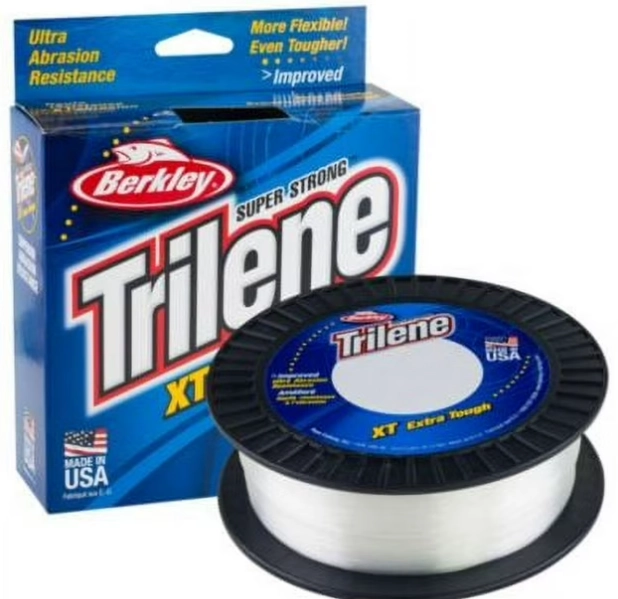
Pro Tips and Common Mistakes to Avoid
Your Burning Questions Answered