How to Choose the Best Fishing Line for Any Situation
What makes a fishing line the best choice? It's not about a single brand, but matching the right line type, strength, and feel to your target fish and fishing style. This definitive guide cuts through the marketing hype to help you select the perfect line for bass, trout, saltwater, and more.
You've seen the ads. "World's strongest!" "Zero stretch!" "Invisible to fish!" Walk into any tackle shop and the wall of fishing line spools is overwhelming. I spent years and a small fortune trying them all, convinced the secret to more fish was in that next $30 spool of "premium" line. I was wrong. The best fishing line isn't a product. It's a precise match between your rod, your reel, the water you're fishing, the species you're after, and even the specific lure or bait you're throwing. Get this match wrong, and the most expensive line in the world will fail you. Get it right, and even a budget option can feel like magic. Let's cut through the marketing and talk about what actually matters when your line is the only thing between you and a fish. Think of line types as tools in a toolbox. You wouldn't use a sledgehammer to hang a picture. Same logic applies here. Here's the non-consensus bit everyone misses: Diameter is more important than pound-test. A 10lb braid is half the diameter of 10lb mono. That means less water resistance, deeper lure dives, and less line drag in current. Always check the diameter on the spool label, not just the lb test. Stop asking "What's the best line?" Start asking "What's the best line for this?" Run through these questions. A finicky trout in a crystal-clear stream demands a completely different approach than hauling a redfish out of oyster beds. The lure's action is sacred. Your line can enhance or destroy it. I ruined a great topwater frog bite once by using braid straight to the lure. The braid sank, dragging the frog's nose down and killing the walk-the-dog action. Switched to a mono leader, and the buoyant line kept the frog upright. Fish on. Topwater: Use buoyant line (Mono). It keeps lures on the surface and the stretch helps keep hooks pinned on explosive strikes. Your gear imposes limits. Putting 20lb thick mono on a lightweight 1000-size spinning reel is a recipe for tangles and poor casting. Match the line capacity and recommended lb test on your reel. Baitcasting reels generally handle heavier, stiffer lines better. Spinning reels prefer softer mono or thinner braid. These are the combos I've settled on after years of trial and error. They work. Scenario 1: All-Around Bass Fishing (Spinnerbaits, Texas Rigs, Jigs) Scenario 2: Finesse Bass & Trout (Drop shots, Ned Rigs, Small Plastics) Scenario 3: Inshore Saltwater (Redfish, Snook around Mangroves) 1. Ignoring Line Age. Mono and fluoro degrade with UV exposure and time. That "fresh" line from the back of your garage might be two years old and lost 30% of its strength. I respool mono and fluoro main lines every season, or more if I fish a lot. Braid lasts much longer but can get fuzzy and lose strength. Feel it. If it's rough, change it. 2. Overfilling the Spool. This causes instant tangles and birds nests, especially on spinning reels. You want the line to sit about 1/8 inch below the spool's rim. No more. 3. Using the Wrong Knot for the Line. A great knot for mono can slip terribly with slick braid. A complex knot can weaken stiff fluorocarbon. At the end of the day, the best fishing line is the one you have confidence in because you understand why it's on your reel. Stop chasing the hype. Start matching the tool to the job. Your tackle box will be simpler, your wallet heavier, and your line will spend more time connected to fish.What You'll Learn in This Guide
How Fishing Line Type Dictates Your Success
Line Type
Best For
Watch Out For
Feel (My Take)
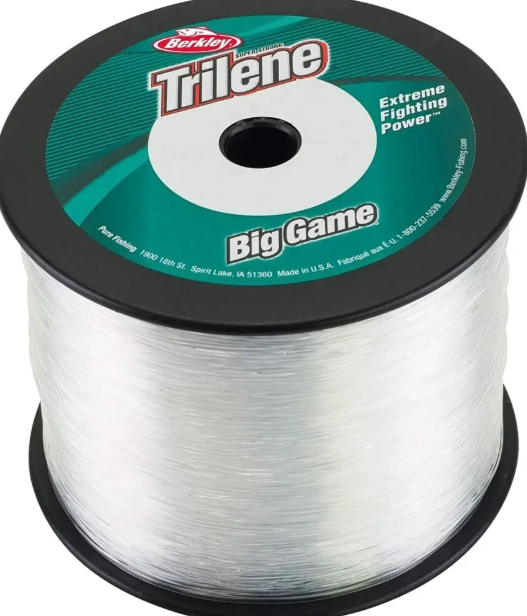
Monofilament
Beginner setups, topwater lures, crankbaits, situations where some stretch is good.
Line memory (coiling), degrades faster in sunlight, absorbs water.
The old reliable. Forgiving and cheap, but feels a bit "mushy" for sensitive bites.
Fluorocarbon
Leader material, clear water, bottom contact lures (jigs, worms), when you need abrasion resistance.
Stiffness, can be brittle if knotted poorly, sinks (bad for topwater).
Like a taut wire. You feel everything, which is great until you feel every snag too. Knots must be perfect.
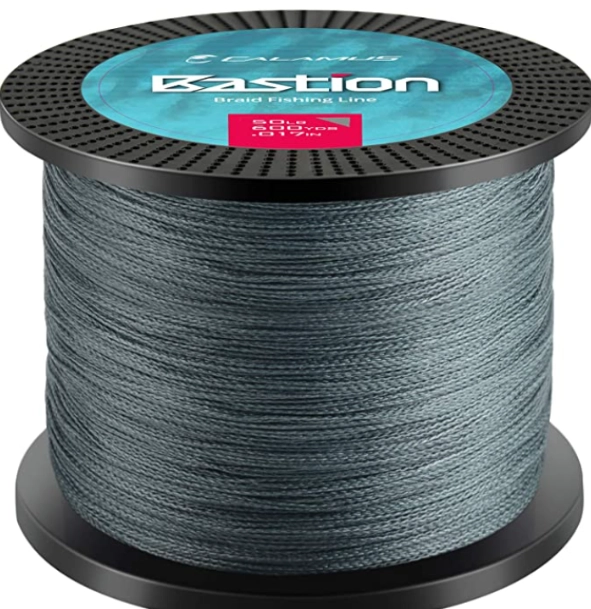
Braided Line
Spinning reels (to prevent twist), heavy cover, deep water jigging, when you need maximum sensitivity and strength per diameter.
Zero stretch (can rip hooks out), highly visible, requires a leader in most cases.
A direct neural link to your lure. The sensitivity is addictive, but it broadcasts your presence to fish.
How to Choose Fishing Line: Your Decision Filter
1. What Are You Fishing For?
2. How Are You Presenting Your Lure?
Deep Crankbaits: Thin diameter line (thin Mono or braid with a long leader) gets lures deeper with less effort.
Finesse Worms/Jigs: You need to feel the bottom and subtle ticks. Low-stretch line (Fluorocarbon or Braid) is mandatory.3. What's Your Rod and Reel Combo?
My Go-To Line Setups for Common Scenarios
Reel: Baitcaster
Main Line: 30-50lb Braided Line (like PowerPro or Suffix 832)
Leader: 12-20lb Fluorocarbon (Seaguar AbrazX or Sunline Sniper), about 10 feet.
Why: The braid gives me insane sensitivity to feel bottom and bites. The fluoro leader is tough enough for rocks and wood, and invisible enough in most bass waters.
Reel: Light Spinning Reel
Main Line: 10-15lb Braided Line (high-vis yellow or green)
Leader: 6-8lb Fluorocarbon (8-12 feet long)
Why: The thin braid casts light lures a mile and has zero memory. The long, thin fluoro leader is nearly invisible. I can watch the hi-vis braid for the slightest twitch indicating a bite.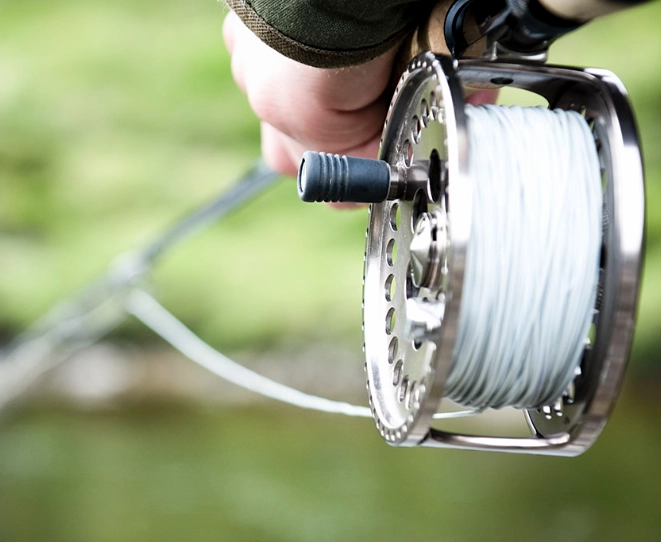
Reel: Medium-Heavy Spinning or Baitcaster
Main Line: 20-30lb Braid or 15-20lb Tough Mono (Berkley Big Game)
Leader: 20-40lb Fluorocarbon or Abrasion-resistant Mono (depending on structure)
Why: It's a war of attrition against barnacles and oyster shells. You need a line that can take a scrape. Braid offers better sensitivity for soft bites; mono is cheaper and has more stretch for hard runs.3 Costly Fishing Line Mistakes (And How to Fix Them)
Fix: Write the date on your spools with a marker when you spool up.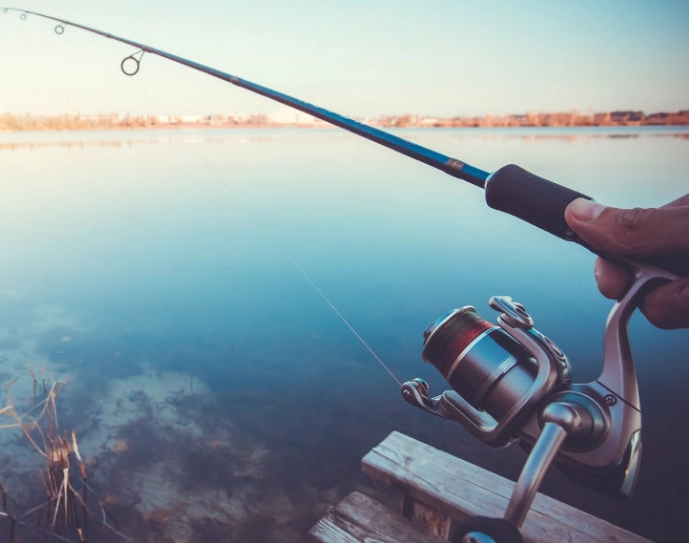
Fix: When spooling, keep tension on the line with a towel and stop before it's "full."
Fix: For braid-to-leader connections, learn the FG Knot or Alberto Knot. They're slim and strong. For tying braid directly to a hook or lure, a Palomar Knot is almost foolproof. For fluoro or mono, a Improved Clinch Knot or San Diego Jam Knot works well. Lubricate knots with saliva before tightening to prevent heat friction that weakens the line.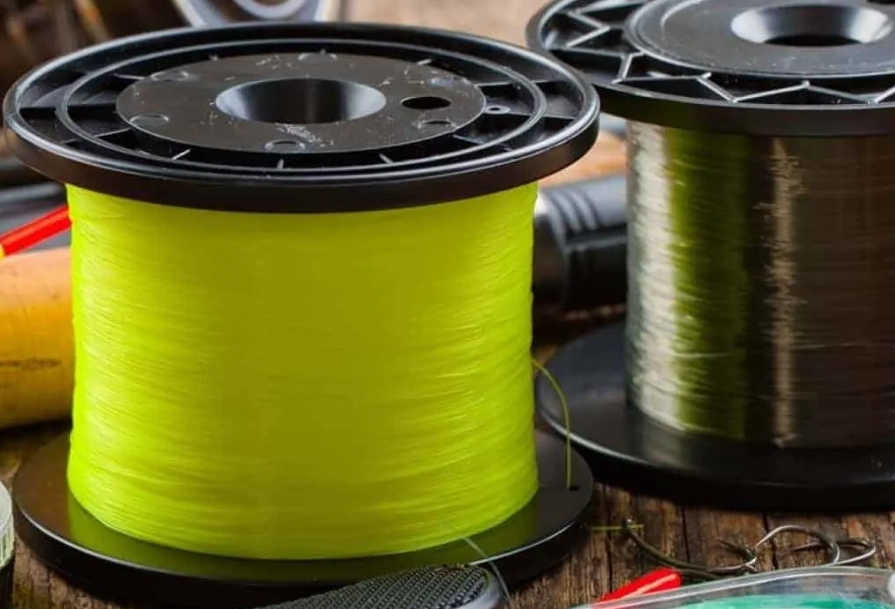
Your Fishing Line Questions, Answered Honestly