Ultimate Guide to the Best Fishing Accessories for Every Angler
Curious which fishing accessories actually improve your catch rate? This guide breaks down the top tools—from pliers to tackle boxes—with real-world tips on selection, organization, and maintenance for both beginners and pros.
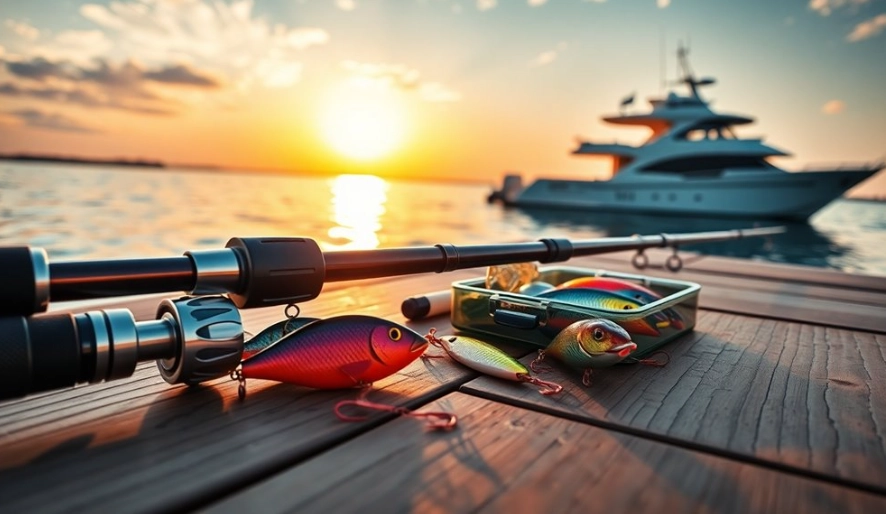
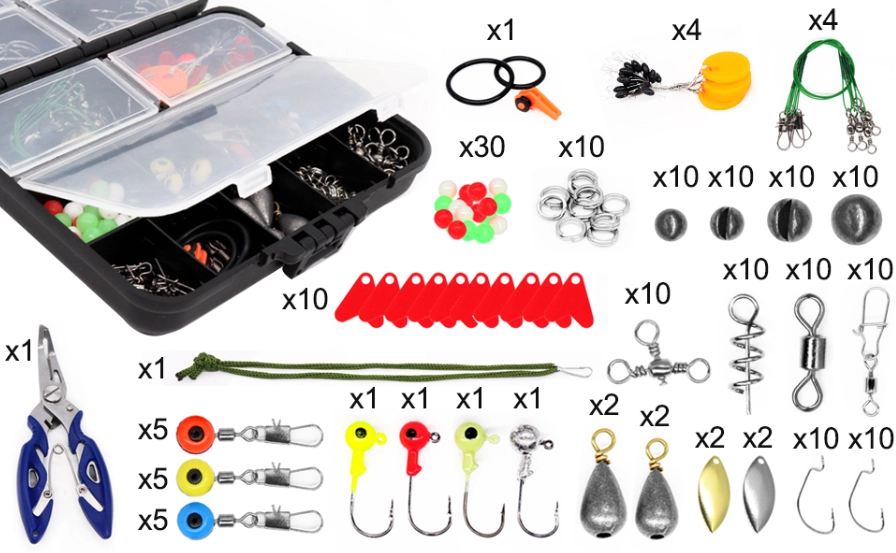
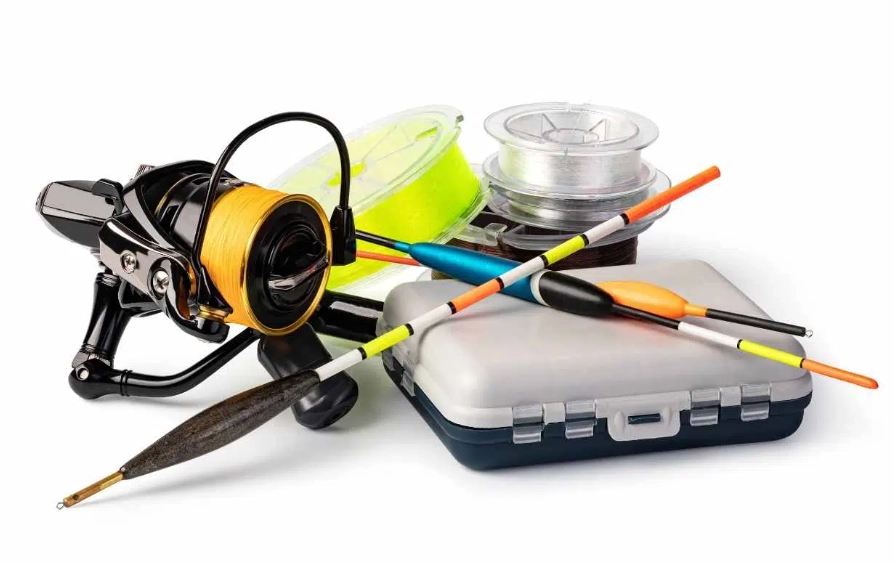
Let's cut to the chase. The right fishing accessories don't just add convenience—they turn a frustrating day on the water into a productive one. I've spent over a decade guiding trips and testing gear, and I've seen too many anglers waste money on flashy gadgets while overlooking the simple tools that actually matter. In this guide, I'll walk you through the must-have accessories, how to pick them, and common pitfalls to avoid. No fluff, just practical advice from someone who's been there. You don't need every gadget on the shelf. Focus on these five categories—they're the backbone of any efficient fishing setup. I learned this the hard way after a trip where my cheap pliers snapped mid-catch, costing me a trophy bass. Skip the bargain-bin pliers. A good pair does more than remove hooks; it cuts line, crimps sleeves, and handles fish safely. Look for stainless steel with spring-loaded jaws. Brands like Boomerang or Dr. Slick offer models around $30-$50 that last years. The cheap ones? They rust after a few saltwater outings. I once bought a $10 pair that seized up in a month—total waste. Chaos kills fishing time. A well-organized tackle box lets you find lures fast. I prefer modular systems like the Plano Edge series—they're waterproof and customizable. For kayak fishing, I use soft bags with multiple pockets. Here's a quick comparison: Pro tip: Label your compartments. It sounds obvious, but most anglers don't, and they waste minutes digging through jumbled hooks. Line management is critical. A line spooler saves your back when filling reels—the Berkley Reel Spooler is a game-changer for under $20. For cutting, carry a dedicated line clipper on your vest. Those tiny scissors on multi-tools? They often fail with braided line. I keep a Boomerang Snip on a retractable lanyard; it's always handy. Not just for style. Polarized glasses reduce glare, letting you spot fish and structure. Costa or Maui Jim offer great lenses, but even budget options like KastKing work. Pair them with a wide-brim hat for sun protection. I've seen too many sunburns ruin weekend trips. Often overlooked. A small dry bag with bandages, antiseptic, and a whistle can be a lifesaver. Add a multi-tool like a Leatherman for emergencies. On a guided trip last year, a client cut his hand on a hook—my kit saved us a hospital run. Your gear should match your fishing habits. Ask yourself: Do you fish freshwater lakes or salty coasts? Are you a weekend warrior or a tournament angler? Budget matters, but don't cheap out on essentials. For bass fishing in lakes, prioritize a sturdy tackle box and quality pliers. If you're into surf fishing, corrosion-resistant tools and a sand-proof storage bag are key. Kayak anglers need compact, floating accessories—I lost a pair of pliers overboard once, and now I attach everything with leashes. Consider smart fishing technology cautiously. Gadgets like digital scales or Bluetooth bite alarms can help, but they're not substitutes for core tools. I've tested several; the Fishpond Nomad Net with a built-in scale is useful, but a simple net and a reliable manual scale often suffice. Personal take: Start with the basics—pliers, cutter, storage—then expand based on specific needs. I see beginners splurge on expensive fish finders while using dull hooks. Focus on functionality over flash. We all make errors. Here are the big ones I've witnessed, and how to avoid them. Buying based on price alone. That $5 tackle box might seem like a steal, but it'll crack in cold weather. Invest in mid-range gear from reputable brands—it lasts longer. I recommend checking reviews on sites like TackleTour or the American Sportfishing Association for unbiased insights. Neglecting maintenance. Saltwater is brutal. Rinse your accessories after each trip, especially pliers and cutters. A quick spray with freshwater prevents rust. I use a silicone cloth on my tools monthly; it adds a protective layer. Overpacking. Carrying too much gear slows you down. I once saw an angler with three huge tackle boxes for a half-day trip—he spent more time sorting than fishing. Streamline your kit. For a typical outing, one medium box with essentials is enough. Ignoring ergonomics. Comfort matters. Pliers with rubberized grips reduce hand fatigue. Test accessories in-store if possible. I switched to ergonomic pliers years ago, and my wrists thank me. Good accessories deserve care. Here's a simple routine I follow after every fishing trip. Store gear in a cool, dry place. I use silica gel packs in my tackle boxes to control moisture. It's a small trick that prevents mold on lures. Wrapping up, the best fishing accessories are those that solve real problems—saving time, improving safety, and enhancing your experience. Start with the core tools, tailor them to your style, and maintain them well. Remember, it's not about having the most gear, but the right gear. Tight lines!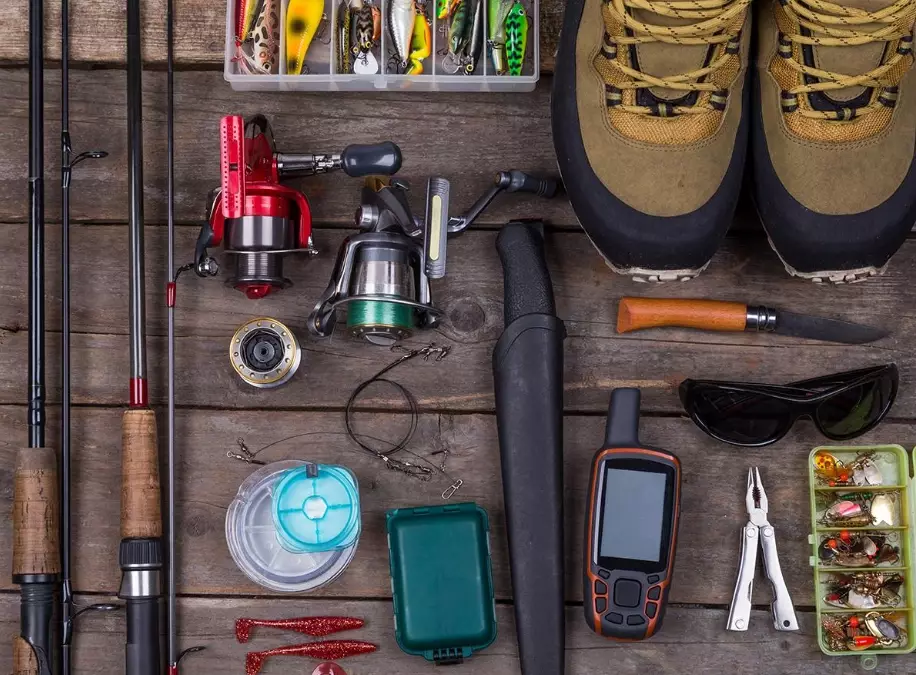
What's Inside This Guide
The Non-Negotiables: Core Fishing Accessories Every Angler Needs
Fishing Pliers and Cutters: Why Quality Matters
Tackle Boxes and Storage: Organize for Efficiency
Storage Type
Best For
Key Feature
Hard Tackle Box
Bank fishing, boats with space
Durable, compartmentalized
Soft Tackle Bag
Kayaks, hiking, limited space
Lightweight, flexible
Modular System
Versatile anglers who switch gear often
Customizable, expandable
Line Tools: From Spoolers to Clippers
Polarized Sunglasses and Hats
First-Aid and Safety Gear
How to Choose the Right Fishing Accessories for Your Style
Common Mistakes and How to Dodge Them
Maintenance Tips to Extend Gear Life
FAQ: Your Burning Questions Answered
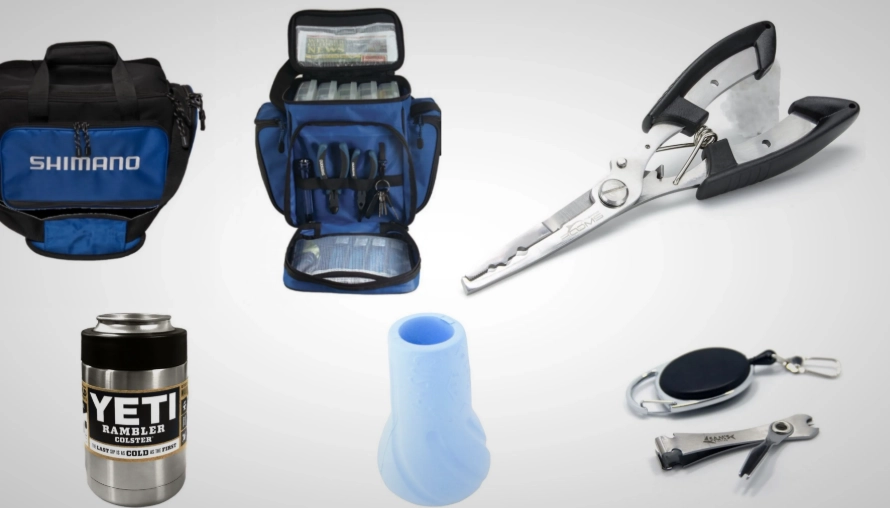 How can I organize my fishing accessories efficiently in a small boat or kayak?